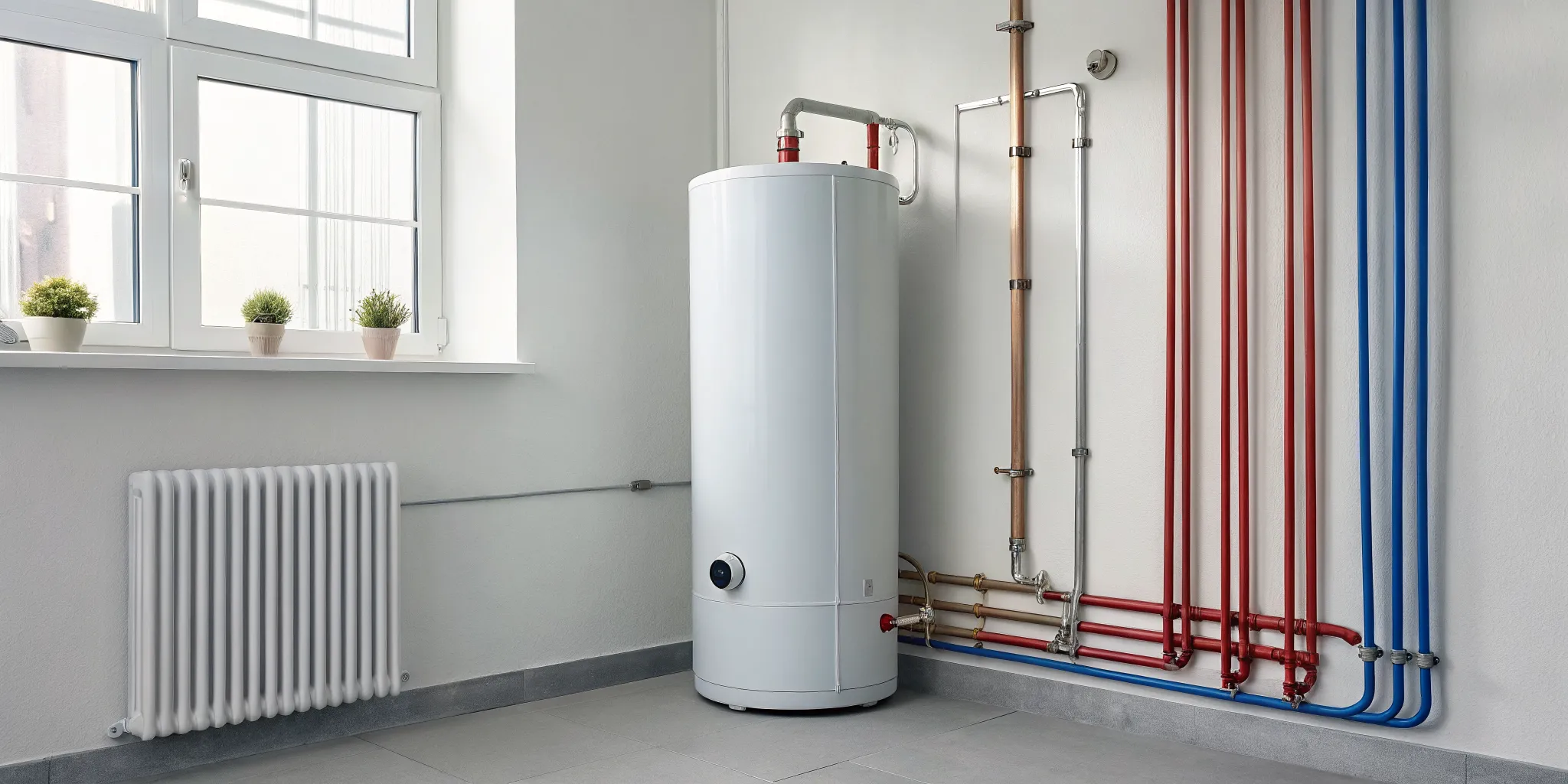
Living in the Okanagan means our home systems face unique challenges, and your water heater is no exception. Between our notoriously hard water and seasonal temperature swings, these units work overtime. So when you suddenly have no hot water in your house, it’s often a symptom of this ongoing strain. While you’re here to solve an immediate problem, understanding the root cause is key to preventing it from happening again. We’ll cover the quick troubleshooting steps you can take right now, from checking your power supply to inspecting for leaks. Then, we’ll explain why proactive care is so critical in our region and how TruFinity Plumbing Heating & Cooling can help you find a lasting solution.
Key Takeaways
- Start with the Basics: Before calling for help, check for simple fixes like a tripped breaker, an extinguished pilot light, or a reset button on your unit. These quick checks can often solve the problem and save you a service call.
- Know Your Limits for Safety: If you smell gas, see water pooling around the tank, or have a breaker that keeps tripping, it's time to stop troubleshooting. These are urgent signs that require a certified professional for a safe and correct repair.
- Prioritize Annual Maintenance: In the Okanagan, hard water is your water heater's biggest enemy, causing sediment buildup that wastes energy and leads to failure. An annual professional flush is the single best way to protect your investment, improve efficiency, and avoid unexpected cold showers.
No Hot Water? Here’s What Might Be Wrong
That first moment you realize the hot water isn’t working is always a frustrating surprise. Whether it’s a lukewarm shower or an icy blast from the kitchen sink, your day is officially on hold until you figure it out. The good news is that you can often diagnose the problem with a few simple checks. Before you worry, let’s walk through the most common culprits for both tank and tankless water heaters. These steps can help you identify what’s going on and decide if it’s a quick fix or time to call for backup.
Is It Your Tank Water Heater?
If you have a traditional tank-style water heater, a few common issues could be at play. For electric models, a faulty thermostat or a burned-out heating element is often the cause. For gas models, it could be a pilot light issue. For both, sediment buildup is a major problem, especially here in the Okanagan. Our region’s hard water causes minerals to settle at the bottom of the tank, creating a barrier that makes it harder for the unit to heat the water. You might hear a popping or rumbling sound as it struggles to work. This not only wastes energy but can also lead to premature tank failure. Regular water heater services can prevent this.
Could It Be Your Tankless System?
Tankless water heaters are fantastic for efficiency, but they aren’t immune to problems. One of the most frequent issues is a clogged water filter or a blocked ignition. Just like with tank heaters, mineral scale from hard water can build up inside the unit’s narrow pipes, restricting water flow and reducing heating efficiency. If your water isn't getting as hot as it used to or the flow seems weak, this is a likely cause. Sometimes, the system’s sensors won’t even trigger the heating element if the water flow is too low. An annual flush is critical to keep it running smoothly. Investing in a water filtration system can also protect your heater and other appliances.
Check for Gas Supply or Pilot Light Issues
If you have a gas water heater, the problem might be with its fuel source. The simplest check is to see if the pilot light is lit. This is a small, continuously burning flame that ignites the main burner when hot water is needed. If it’s out, your water won’t heat. Sometimes a strong draft can blow it out, but if it won’t stay lit after you relight it, it could signal a problem with the thermocouple. Also, make sure the gas valve to the unit is in the "On" position. If you smell gas or are uncomfortable relighting the pilot yourself, stop immediately and call a professional. Gas lines require a certified technician, and TruFinity Plumbing Heating & Cooling has Red Seal Plumbers ready to help safely.
Rule Out Electrical Problems
Whether your water heater is gas or electric, it needs electricity to function. An easy first step is to check your home’s circuit breaker panel. Find the breaker labeled "Water Heater" and see if it has tripped to the middle or "Off" position. If it has, flip it completely off and then back on again. If the breaker trips again right away, don’t keep resetting it. This indicates a more serious electrical issue, like a short circuit in the wiring or a problem with the heating element itself. Repeatedly tripping a breaker is a fire hazard, so it’s a clear sign to stop and schedule a professional repair.
5 Quick Checks Before You Call a Pro
Waking up to a cold shower is a rough start to any day. Before you panic or assume the worst, there are a few simple things you can check yourself. Sometimes, the fix is surprisingly easy and can save you the cost of a service call. Working through these steps can also give our technicians valuable information if you do end up needing a professional. Just remember to always prioritize your safety. If you feel unsure about any of these checks, it’s always best to stop and give us a call. Let’s walk through five quick checks you can perform before calling in the experts.
Check the Circuit Breaker
It might sound basic, but it’s a common culprit. Both electric and gas water heaters need electricity to function, whether for heating elements or for ignition and control systems. Head to your home’s electrical panel and look for the breaker labeled “Water Heater.” If it’s in the “off” position or stuck in the middle, flip it completely off and then back on. If your water heater isn’t getting power, it simply can’t do its job. If the breaker trips again right away, leave it off and call a professional, as this indicates a more serious electrical issue.
Inspect the Pilot Light
If you have a gas water heater, a common and often easy fix is checking the pilot light. This small, continuous flame is responsible for igniting the main burner when hot water is needed. Look for an access panel near the bottom of your tank. You should be able to see a small, steady blue flame. If it’s out, your unit won’t heat water. Most tanks have relighting instructions printed right on them. However, if you smell gas or are uncomfortable relighting it yourself, stop immediately. Your safety is the top priority, so it’s best to call for a professional repair.
Reset the High-Limit Switch
Electric water heaters have a safety device called the high-limit switch, which shuts the unit down if the water gets too hot. Sometimes, a power surge or a faulty thermostat can cause this switch to trip. To check it, turn off the power to your water heater at the breaker. Then, remove the metal access panel on the side of the tank (you may see two). You should find a red reset button. Press it firmly until you hear a click. If the button was tripped and you’ve reset it, you can restore power. If it continues to trip, it’s a sign of an underlying problem that needs an expert diagnosis from TruFinity Plumbing Heating & Cooling.
Examine Your Water Valves
This is another simple check that can save you a headache. Your water heater has a cold water shut-off valve on the pipe leading into the unit. Make sure this valve is fully open. If it’s been partially closed, it can restrict water flow and affect performance. For gas water heaters, you also have a gas supply valve. This valve should be parallel to the gas line, indicating it’s open. If the handle is perpendicular, the gas is off. If you suspect a gas supply issue, it’s safest to have a certified technician from Trufinity take a look.
Look for Leaks
Take a moment to carefully inspect the area around your water heater. Any signs of moisture, puddles, or dripping could mean you have a leak. Check the tank itself, as well as the pipes and valves connected to it. If you see water on the floor, it could be a sign that the tank has failed. A leaking tank is a serious issue that can’t be repaired and requires immediate attention to prevent water damage. If you find a leak, shut off the water supply to the tank and call for emergency service right away.
Pilot Light Won't Stay Lit? Here's What to Do
If you have a gas water heater, a pilot light that keeps going out is a common reason for losing hot water. While relighting it can sometimes be a quick fix, it’s important to approach the situation with caution. A persistent issue with a pilot light often points to an underlying problem that needs a professional eye. Before you try anything, always prioritize your safety, especially when dealing with a gas appliance.
Safety First: What to Know Before You Start
Your safety is the number one priority. If you smell gas, which often smells like rotten eggs, near your water heater, you could have a gas leak. Do not try to fix anything, use your phone, or even flip a light switch. Leave your home immediately. Once you are a safe distance away, call your gas company’s emergency line. Gas line issues are not a DIY project. Any work on a gas appliance should be handled by a certified professional, as improper handling can be extremely dangerous. Our team at TruFinity Plumbing Heating & Cooling includes licensed gasfitters who are trained to handle these situations safely.
How to Relight Your Pilot Light
If you don't smell gas and feel comfortable proceeding, you can try to relight the pilot. First, find the gas regulator knob on your water heater and turn it to the "OFF" position. Wait at least five minutes for any residual gas to clear out. Next, turn the knob to the "PILOT" setting. Press and hold the ignition button, which will start the flow of gas to the pilot. While holding it, use a long lighter to ignite the pilot burner. Keep the button pressed for about a minute after it lights to heat the thermocouple, then release it. If the pilot stays lit, turn the knob to "ON."
Signs It's Time to Call a Professional
If you’ve tried relighting the pilot light and it won’t stay lit, or if you have to do this frequently, it’s a clear sign that something else is wrong. The issue is often a faulty or dirty thermocouple, which is a safety device that shuts off the gas if the pilot goes out. Replacing it requires technical skill. Instead of trying to diagnose it yourself, this is the moment to call for professional water heater services. A certified technician from Trufinity can quickly and safely identify the problem, whether it's the thermocouple or another issue, and get your hot water running again without any risk to you or your home.
When to Stop DIY and Call an Expert
While it’s empowering to fix things around the house, some jobs are best left to a certified professional. When it comes to your water heater, knowing your limits isn’t just about convenience; it’s about keeping your home and family safe. If you’ve tried the basic checks and are still facing a cold shower, or if you notice any of the signs below, it’s time to put down the tools and pick up the phone. These symptoms often point to a deeper issue that requires an expert eye and specialized equipment to diagnose and repair correctly.
Urgent Warning Signs You Can't Ignore
Your senses are your best first line of defense. If you smell rotten eggs near your gas water heater, that’s a major red flag for a potential gas leak. Do not try to find the source yourself. Leave your home immediately, and avoid using any electronics or flipping light switches on your way out. Once you are safely outside and away from the house, call for emergency help. A gas leak is one of the most serious issues you can face, and it requires immediate, professional attention. TruFinity Plumbing Heating & Cooling offers 24/7 emergency service for exactly these kinds of situations.
Your Water Heater's Age and Performance
Like any major appliance, water heaters have a finite lifespan, typically around 10 years. If your unit is approaching or has passed that milestone, frequent repairs may not be the most cost-effective solution. Think about how often it’s needed service lately. If you’re constantly dealing with lukewarm water, strange noises, or other recurring problems, it might be time to consider replacing it. Investing in a new, more efficient model can save you money on future repairs and energy bills. Our team can help you assess whether a repair or replacement makes more sense for your home.
Why You Should Leave Gas and Electrical Work to Pros
Troubleshooting a pilot light is one thing, but any repair involving your home’s gas lines or electrical systems is a job for a licensed professional. These systems are complex and carry significant risks, from gas leaks to electrical shock and fire hazards. Our technicians at Trufinity are Red Seal Plumbers and certified Class B Gasfitters, meaning they have the extensive training and qualifications needed to work on these systems safely. For your safety and to ensure the job is done right, always call an expert for any issue involving your water heater’s gas valve, thermocouple, or electrical components.
Don't Ignore Strange Smells or Discolored Water
Have you noticed puddles around your water heater, a musty or moldy smell, or a drop in water pressure? These are classic signs of a leak, which can cause significant water damage if not addressed. Similarly, if the hot water from your tap is rusty, brown, or has a metallic smell, it could mean the inside of your tank is corroding and at risk of failing. These aren't problems that will fix themselves. A professional inspection can pinpoint the source of the issue, whether it’s a failing tank or sediment buildup, and prevent a small problem from turning into a major household disaster.
The Okanagan Challenge: Why Our Water Heaters Work Harder
Living in the Okanagan is a dream, but our beautiful valley comes with unique conditions that can be tough on your home’s plumbing. Your water heater, in particular, faces a double threat from our region's geology and climate. The water itself and our distinct seasons mean your system works much harder than one in a place like coastal BC. Understanding these local challenges is the first step to preventing a cold shower surprise.
At TruFinity Plumbing Heating & Cooling, we’ve seen it all. Our local water is packed with minerals that build up inside your tank, and the cold winter temperatures force your unit into overdrive. As the local experts, we know that "annual flushing is more critical here than in coastal BC due to these conditions." This isn't just generic advice; it's a specific recommendation for Okanagan homeowners who want to keep their hot water flowing reliably and efficiently. Knowing what your system is up against helps you make smarter maintenance choices that save you money and stress in the long run.
Dealing with Hard Water and Sediment Buildup
If you've ever noticed white, chalky residue on your faucets or showerhead, you've seen the effects of hard water. Our water in the Okanagan is rich in minerals like calcium and magnesium. While harmless to you, these minerals settle at the bottom of your water heater tank over time, forming a thick layer of sediment. This layer acts like a barrier between the heating element and the water, forcing your system to work much harder to heat the water. This not only drives up your energy bills but can also cause the tank to overheat and fail prematurely. Investing in water filtration services can be a great long-term solution to protect all your appliances.
How Our Seasons Affect Your System
The Okanagan’s four distinct seasons are beautiful, but they also put your water heater to the test. During our cold winters, the groundwater temperature drops significantly. This means the water entering your home is much colder than it is in the summer, so your water heater has to work extra hard just to bring it up to your desired temperature. This increased workload puts a constant strain on the heating elements and other components. Over time, this added stress can lead to wear and tear, increasing the likelihood of a breakdown when you need hot water the most. If you notice issues, it's always best to seek professional plumbing repairs before a small problem becomes a major one.
Why Annual Flushing Is a Must-Do Here
So, what’s the single most effective thing you can do to combat our hard water and seasonal strain? Flush your water heater annually. This simple maintenance task involves draining the tank to remove all the accumulated mineral sediment. By clearing out that sludge, you allow your water heater to heat water directly and efficiently again. This not only lowers your energy consumption but also extends the life of your unit and prevents the kind of damage that leads to leaks or total failure. Because this is so critical in our area, Trufinity offers an affordable way to get it done right. You can check our current offers and rebates for professional flushing services.
How to Prevent Future Hot Water Headaches
Waking up to a cold shower is a terrible way to start the day. The good news is that you can often prevent these surprise breakdowns with a little proactive care. Taking a few simple steps throughout the year not only extends the life of your water heater but also keeps it running efficiently, saving you money on energy bills and unexpected replacement costs. Think of it as a small investment of time for a huge return in peace of mind and warm showers. Especially here in the Okanagan, where our water is notoriously hard, preventative maintenance isn't just a good idea; it's essential for protecting your home's plumbing system. Let's walk through a few key strategies to keep the hot water flowing.
Your Simple Maintenance Checklist
You don’t need to be a plumbing expert to handle some basic water heater maintenance. Setting a reminder to perform these simple checks a few times a year can make a huge difference. First, test the temperature and pressure relief valve (T&P valve) by lifting the lever and letting a bit of water out. This ensures it isn't stuck. Next, take a look around the unit for any signs of leaks or corrosion. Finally, consider turning the temperature down to 120°F (49°C). This is hot enough for most households, reduces energy consumption, and slows mineral buildup. These small actions help you stay familiar with your system and catch minor issues before they become major emergencies.
The Importance of Annual Flushing
If you do one thing for your water heater this year, make it a flush. Our water in the Okanagan is full of minerals that settle at the bottom of your tank, creating a layer of sediment. This buildup forces your water heater to work harder to heat the water, which can reduce its efficiency by over 30% and shorten its lifespan. An annual flush clears out this sediment, restoring efficiency and protecting the tank. While it's a task some homeowners tackle themselves, TruFinity Plumbing Heating & Cooling offers an $89 Water Heater Flush to get the job done right without any hassle on your part.
Consider Water Softeners and Pipe Insulation
To truly tackle the source of sediment, you can install a water softener. This system removes the hardness minerals from your water before they ever reach your water heater, pipes, and other appliances. It’s a fantastic long-term solution that protects your entire plumbing system. You can learn more about our water filtration services and find a system that fits your home. Another simple and effective upgrade is insulating your hot water pipes. This easy DIY project keeps your water hotter for longer as it travels through the pipes, reducing energy waste and wait times at the tap.
Why You Need a Yearly Professional Check-Up
While your own checks are helpful, they don’t replace a professional inspection. During a yearly check-up, a certified technician can assess components you might not be able to, like the anode rod, which prevents corrosion inside the tank. They can also safely inspect gas and electrical components to ensure everything is working correctly and efficiently. This professional oversight is the best way to catch hidden problems and get expert advice tailored to your specific unit. Our TruLoyalty Membership Plan includes annual tune-ups, making it easy to keep your entire home comfort system in top shape.
Get Your Hot Water Back with TruFinity
When your hot water disappears, you need a fast and reliable solution. At TruFinity Plumbing Heating & Cooling, we specialize in diagnosing and fixing water heater issues for homeowners across the Okanagan. Whether it’s a simple fix or a complex repair, our team is ready to restore your comfort with the professionalism and care you deserve. We combine technical expertise with a commitment to transparent service, ensuring you know exactly what’s happening every step of the way.
24/7 Emergency Service When You Need It Most
A lack of hot water is more than an inconvenience; it’s an emergency that disrupts your entire day. We get it. That’s why TruFinity Plumbing Heating & Cooling offers 24/7 emergency service to get your home back to normal as quickly as possible. You shouldn’t have to wait for a solution. When you call us, you’re getting a team that’s committed to a rapid response, often with same-day service available. Forget the stress of waiting and wondering. Just give us a call, and we’ll dispatch a certified technician to your door to sort things out, day or night.
Expert Water Heater Repair and Maintenance
Whether you have a traditional tank or a modern tankless system, our team has the skills to fix it. The technicians at TruFinity Plumbing Heating & Cooling are Red Seal Plumbers and certified gasfitters, so you can trust that the work is done right and to the highest safety standards. We provide expert water heater repair and maintenance solutions designed to keep your system running smoothly all year. From diagnosing a faulty thermostat to addressing sediment buildup or complex electrical issues, we handle it all with professionalism and care. We’ll explain the problem clearly and provide transparent options.
Enjoy Peace of Mind with Our Membership Plan
The best way to deal with a hot water emergency is to prevent it from happening in the first place. Our TruLoyalty membership plan is designed to give you exactly that: total peace of mind. As a member, you’ll receive annual maintenance, including the critical water heater flush that’s so important here in the Okanagan. You’ll also get priority service and discounts on repairs, knowing your home’s essential systems are in expert hands. Instead of reacting to problems, you can proactively protect your investment. Learn more about how our membership plan from Trufinity can save you time and money.
Related Articles
- Why No Hot Water?
- No Hot Water? A Gas Water Heater Guide
- No Hot Water? When to Call a Plumber in Kelowna
- Electric Water Heater Parts & Accessories
Frequently Asked Questions
How often should I really flush my water heater here in the Okanagan? Because our local water is so hard, we strongly recommend flushing your tank water heater once a year. That mineral-rich water causes sediment to build up quickly at the bottom of the tank, forcing it to work much harder to heat your water. An annual flush clears out that buildup, which helps your heater run more efficiently, saves you money on energy, and can significantly extend its lifespan.
My pilot light won't stay lit. Is this dangerous? A pilot light that repeatedly goes out is a clear sign of a problem, but it's not necessarily an immediate danger, as safety features should shut off the gas flow. The most common cause is a dirty or failing thermocouple. While it's tempting to keep relighting it, this is a job for a professional. For your safety, you should never attempt to repair a gas appliance yourself. It's best to call a certified gasfitter from TruFinity Plumbing Heating & Cooling to diagnose and fix the issue correctly.
Is it better to repair my old water heater or just replace it? This is a great question, and the answer depends on a few things: the age of your unit, the cost of the repair, and its recent performance. As a general rule, if your water heater is over 10 years old and needs a major repair, replacement is often the more cost-effective choice in the long run. A new, more efficient model will save you money on energy bills and prevent the headache of future breakdowns. We can always help you weigh the pros and cons based on your specific situation.
I reset the breaker, but it tripped again right away. What does that mean? An electrical breaker that trips immediately after being reset is a serious warning sign. It means there is likely a short circuit or another significant electrical fault within the water heater or its wiring. Do not keep resetting it, as this creates a fire hazard. This is a definite "stop and call a professional" moment. A qualified technician needs to safely inspect the electrical components to find and fix the underlying problem.
What are those rumbling or popping noises coming from my water heater tank? Those strange sounds are almost always caused by sediment buildup at the bottom of the tank. As the burner or heating element tries to heat the water, it has to force its way through that layer of minerals, causing the water trapped underneath to boil and create popping or rumbling noises. It's a clear signal that your water heater is struggling and is overdue for a flush.


.webp)