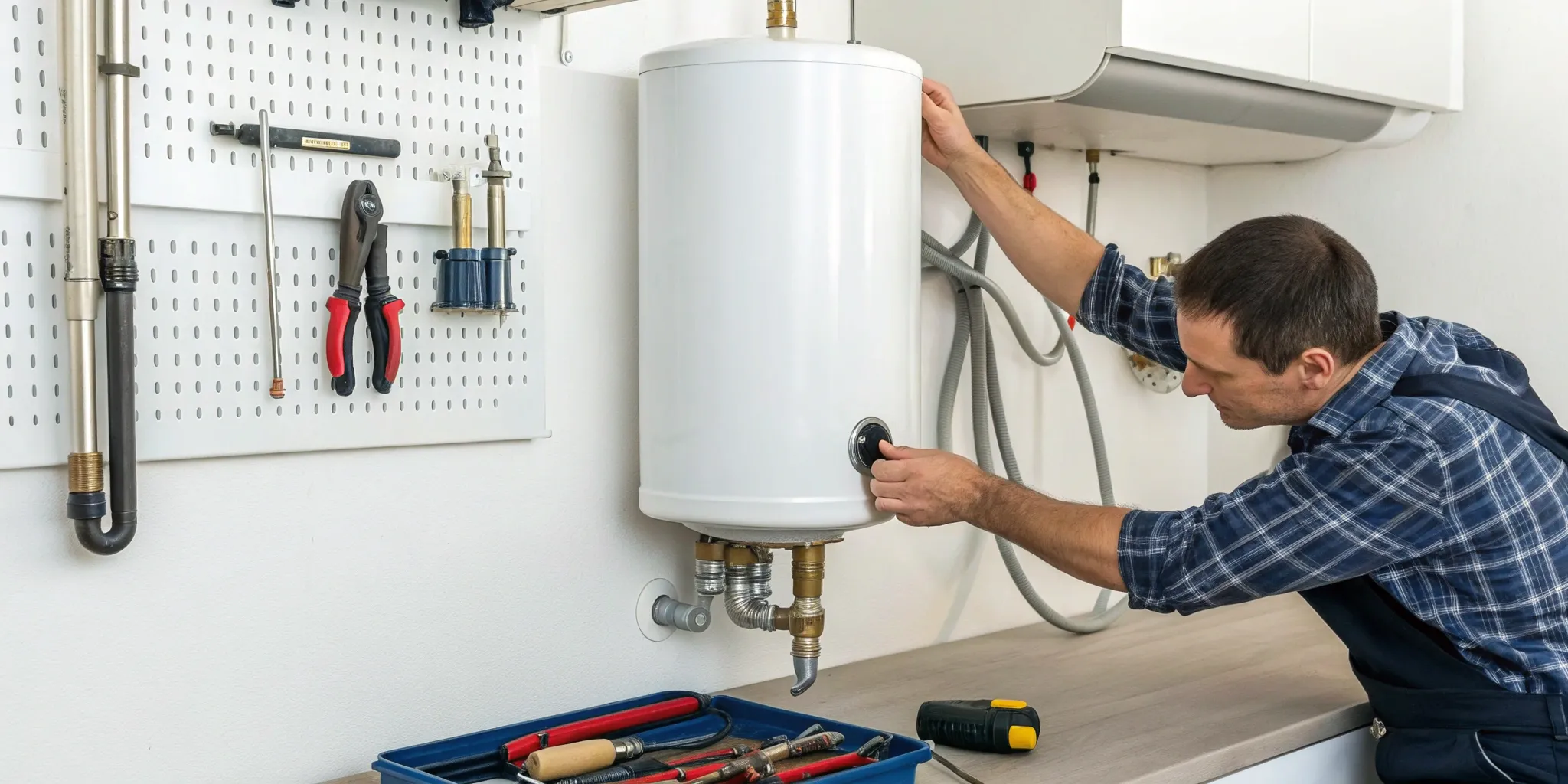
Here in the Okanagan, our water can be hard on appliances. That mineral buildup is especially tough on your hot water heater, leading to sediment that reduces efficiency and shortens its lifespan. This makes routine preventative maintenance on a hot water heater an absolute must for local homeowners. It’s the best way to combat the effects of our water and keep your system running smoothly. This guide will explain the simple steps, like an annual flush, that protect your investment, lower your energy bills, and ensure you have reliable hot water when you need it most.
Key Takeaways
- View maintenance as a financial strategy: A small annual investment in a professional tune-up prevents expensive emergency repairs, lowers your monthly energy bills, and helps you get the full lifespan out of your water heater.
- Prioritize the three most critical tasks: For a long-lasting and efficient unit, focus on three key actions: flushing the tank to clear sediment, checking the anode rod to stop internal rust, and testing the pressure relief valve to ensure it works safely.
- Put safety first by knowing your limits: While monthly visual checks for leaks are smart, always call a certified professional for complex jobs or urgent warning signs like loud banging noises, rusty water, or the smell of gas.
What Is Hot Water Heater Maintenance, Really?
When you hear "hot water heater maintenance," you might picture a complicated, all-day project. But really, it’s just a series of simple check-ups to keep one of your home's most important appliances running smoothly and safely. Think of it as a regular health screening for your water heater. The goal is to catch small issues before they turn into cold showers or a flooded basement.
Preventive maintenance generally involves a few key tasks. The most important one is flushing the tank annually to clear out sediment and mineral buildup that can reduce efficiency and cause damage. It also includes testing the temperature and pressure relief valve (a critical safety feature), checking for any signs of leaks or corrosion, and inspecting the heating elements or pilot light. These steps help your system operate efficiently and, more importantly, safely. While some of these checks are simple enough to do yourself, a professional tune-up ensures everything is working exactly as it should. At TruFinity, our Red Seal Certified Plumbers handle these tasks with an expert eye, giving you total peace of mind that your system is in top shape for the year ahead.
Why a Little Tune-Up Goes a Long Way
Putting in a little effort now saves you a lot of headaches later. First off, regular maintenance helps your hot water heater last longer. A well-cared-for tank model can give you 10 to 12 years of reliable service, while a tankless unit can last up to 20 years. It also keeps your energy bills in check. When sediment builds up, your heater has to work harder to warm the water, using more energy in the process. A clean, efficient unit simply costs less to run. Most importantly, it helps you spot small problems—like a minor leak or a faulty valve—before they become expensive emergencies.
Tank vs. Tankless: What's the Difference in Care?
Not all water heaters are created equal, and their maintenance needs reflect that. If you have a traditional storage tank water heater, the biggest task is the annual flush. This process drains the tank to remove mineral sediment that settles at the bottom. If you live in an area with hard water, like many parts of the Okanagan, this step is especially crucial to prevent corrosion and inefficiency. On the other hand, tankless water heaters don't store water, so they don't need flushing. Instead, they require periodic "descaling" to remove mineral buildup from their intricate internal parts. This ensures water can flow freely and be heated effectively. Our team provides expert water heater services for both types, ensuring your system gets the specific care it needs.
Why Bother With Regular Maintenance?
Your water heater is one of those household heroes that works tirelessly behind the scenes. It’s easy to forget about it until the day you step into a shockingly cold shower. But giving this appliance a little regular attention is one of the smartest things you can do for your home and your budget. Think of it less as a chore and more as a strategic investment in your home's comfort and value.
Regular maintenance isn't just about preventing that dreaded cold-water surprise. It’s about making your water heater run more efficiently, extending its lifespan, and catching small issues before they turn into catastrophic (and expensive) failures. A simple annual check-up can save you from the headache of a premature replacement or the mess of a basement flood. By keeping your system in top shape, you ensure it delivers consistent hot water without wasting energy or risking a breakdown. It’s the key to getting reliable performance year after year, giving you true peace of mind.
Get More Years From Your Water Heater
You wouldn't expect your car to run for a decade without an oil change, and your water heater is no different. With proper care, a traditional tank-style water heater can last 10 to 12 years, while a tankless model can serve you for up to 20 years. The secret to reaching—and even exceeding—that lifespan is consistent maintenance. For tank models, a crucial task is checking the anode rod. This small metal rod attracts corrosive elements in the water, essentially sacrificing itself to protect the tank from rusting out from the inside. A simple, inexpensive replacement every few years can dramatically extend the life of your unit.
Lower Your Energy Bills
An inefficient water heater is a major drain on your utility budget. Over time, sediment and mineral scale from your water supply build up at the bottom of the tank. This layer of gunk forces your heater to work much harder to heat the water, wasting energy and driving up your bills. An annual flush removes this sediment, allowing the unit to operate at peak efficiency. Plus, a well-maintained system gives you better control. For instance, you can safely lower the thermostat setting—for every 10 degrees you lower it, you can save up to 5% on energy costs.
Avoid Surprise Breakdowns and Water Damage
The biggest benefit of regular maintenance is preventing emergencies. A tiny, slow drip can go unnoticed for months before leading to serious water damage, while a faulty pressure relief valve can create a dangerous situation. During a professional tune-up, a technician can spot these hidden problems, like worn-out parts or early signs of corrosion, and fix them on the spot. This proactive approach helps you avoid the stress and high cost of an emergency call. For homeowners in the Okanagan who want worry-free hot water, our TruLoyalty Membership plans include annual system checks to keep everything running safely and smoothly.
Your Essential Maintenance Checklist
Think of your hot water heater like your car—it runs best with a little regular attention. A few key checks each year can make the difference between a long, efficient life and a sudden, cold-shower-inducing breakdown. While some of these steps are straightforward, others require a trained eye to ensure everything is safe and up to code. This checklist covers the essential tasks that keep your system in top shape, protecting your home and your wallet.
Regular maintenance helps you get the most out of your investment. By catching small issues before they become big problems, you can extend the lifespan of your unit, keep your energy bills in check, and avoid the headache of an emergency replacement. Whether you have a traditional tank or a modern tankless system, these fundamental checks are crucial. For homeowners in Kelowna and across the Okanagan, staying on top of this schedule means reliable hot water year-round. Let’s walk through the five most important maintenance tasks for your water heater.
Flush the Tank Annually
Over time, minerals like calcium and magnesium naturally present in our water settle at the bottom of your water heater tank. This sediment buildup forces your system to work harder to heat the water, reducing its efficiency and lifespan. You might even hear popping or rumbling sounds as the heating element struggles to heat water through the layer of gunk. Flushing the tank once a year clears out this debris, keeping your heater running quietly and efficiently. This simple step is one of the most effective ways to maintain your unit’s performance. If you'd rather leave it to the pros, we offer an $89 Water Heater Flush to make it easy and affordable.
Check and Replace the Anode Rod
Inside your water heater tank is a hidden hero: the anode rod. This metal rod is designed to corrode so your tank doesn't. It sacrifices itself to protect the steel lining of your heater from rust. Once the anode rod is completely worn away, the tank itself begins to corrode, leading to leaks and eventual failure. We recommend having it inspected annually. If it’s thinner than a pencil or coated in heavy sediment, it’s time for a replacement. This is a key part of a professional plumbing system health check and can easily double the life of your water heater. It’s a small part that plays a huge role in preventing a very expensive problem.
Test the Pressure Relief Valve
Every tank-style water heater has a temperature and pressure (T&P) relief valve. This is a critical safety feature that automatically releases pressure if it builds up to dangerous levels inside the tank. To ensure it’s working, you should test it once a year. Simply lift the lever briefly—a burst of hot water should come out of the discharge pipe. If it only dribbles or doesn’t release any water at all, the valve needs to be replaced immediately by a professional. A stuck T&P valve can create a serious safety hazard, so this quick test is one you should never skip.
Inspect for Leaks and Corrosion
A small drip can turn into a big problem fast. Take a moment every few months to do a quick visual inspection of your water heater and its connections. Look for any signs of moisture on the floor around the base of the tank, check for rust spots on the tank itself, and examine the pipe fittings for any white or greenish corrosion. Catching a small leak early can often be a simple fix. Ignoring it can lead to significant water damage and might mean you need to replace the entire unit. If you spot anything that doesn't look right, it's best to schedule a plumbing repair to get it checked out.
Check Gas Connections and Venting
If you have a gas water heater, ensuring it vents properly is essential for your family’s safety. The venting system, or flue, carries combustion gases like carbon monoxide safely out of your home. Take a look at the vent pipe for any signs of blockages, soot, or corrosion. A blocked or leaky vent can be extremely dangerous. Because of the risks involved with natural gas and carbon monoxide, we strongly recommend that any inspection or work on gas lines and venting be handled by a certified technician. Our Red Seal Plumbers and Class B Gasfitters have the training to ensure your system is operating safely and correctly.
How Often Should You Service Your Water Heater?
Just like your car, your water heater needs a regular check-up to run efficiently and safely. Sticking to a consistent schedule can prevent surprise cold showers and costly emergency calls. The key is to know what to look for and when. For most homes in the Okanagan, a combination of quick monthly self-checks and a thorough annual professional service is the perfect rhythm. This approach keeps you aware of your system's health and ensures an expert is catching potential issues before they become major headaches. Think of it as a small investment of time that pays off in longevity, efficiency, and peace of mind.
Your Annual Maintenance Schedule
Once a year, your water heater needs a more detailed tune-up. This is the most important appointment you can make for its long-term health. The annual service should include flushing the tank to remove mineral buildup, testing the temperature and pressure relief valve for safety, and inspecting the anode rod. The anode rod is a crucial part that sacrifices itself to prevent the tank from rusting from the inside out. Our Red Seal certified plumbers handle these tasks during a professional water heater service. An annual tune-up not only extends the life of your unit but also keeps it running at peak efficiency, saving you money on energy bills.
What to Check Every Month
You don’t need to be a plumbing expert to keep an eye on things between professional visits. A quick monthly check can help you spot trouble early. Once a month, take a moment to do a simple visual inspection. Look around the base of the water heater for any signs of moisture or small puddles, which could indicate a slow leak. Check the pipes and fittings for any visible corrosion or rust stains. Listen for any unusual sounds like popping or rumbling while it’s running. This simple five-minute routine is an easy way to stay ahead of potential problems and know when it might be time to give us a call.
When to Schedule a Professional Tune-Up
Outside of your annual service, certain signs are a clear signal to call for professional help right away. If you notice any active water leaks, hear loud or persistent banging noises, or find that your water isn't getting hot at all, it's time to schedule a repair. Other red flags include rusty-colored water or a heater that struggles to keep up with your family's needs. Our TruLoyalty+ Membership includes annual system health checks to catch these issues proactively. But if you spot a problem, don't wait. Prompt action can often prevent a small issue from turning into a full-blown replacement.
Your Step-by-Step Maintenance Guide
Ready to give your water heater a little TLC? Taking on some basic maintenance yourself can be empowering, but the key to doing it right is preparation. Before you touch a single valve or connection, it’s essential to gather the right equipment and run through a safety check. Think of it as your pre-flight inspection. Getting everything in order first ensures the process goes smoothly and, most importantly, safely. Let’s walk through exactly what you’ll need and the crucial safety steps to take before you begin.
Tools and Supplies You'll Need
You don’t need a professional-grade workshop, but a few specific items are essential for the job. Having these on hand will make the process much easier and prevent you from having to stop midway through.
Here’s your shopping list:
- A garden hose: This is for draining the tank. Make sure it’s long enough to reach a floor drain or a safe spot outside.
- An adjustable wrench: You’ll need this to handle the drain valve and potentially the anode rod.
- Safety gear: Non-negotiable. Grab a pair of gloves and some safety goggles to protect yourself from hot water and debris.
- A thermometer: This helps you check the water temperature to ensure it’s set to a safe and efficient level, typically around 120°F.
How to Stay Safe: A Pre-Task Checklist
Safety is your top priority. Water heaters involve electricity or natural gas, plus scalding hot water, so never skip these steps. This checklist will help you create a safe work environment before you start any maintenance.
- Cut the Power/Gas: For an electric heater, find its corresponding switch on your circuit breaker and turn it off. For a gas heater, turn the control knob to the “OFF” position and shut off the gas supply valve.
- Shut Off the Water: Locate the cold water inlet valve—usually found above the heater—and turn it clockwise to close it.
- Let It Cool Down: Don’t drain a tank full of scalding water. It’s best to turn the heater off a few hours beforehand to let the water cool.
- Look for Leaks: Do a quick visual inspection around the unit and its connections. If you spot any active leaks, it’s best to call for professional water heater services before proceeding.
Warning Signs Your Water Heater Needs Help
Your water heater is one of those appliances that works silently in the background—until it doesn't. The good news is that it rarely fails without giving you a few hints first. Paying attention to these subtle (and not-so-subtle) clues can help you catch a problem before you're stuck with a cold shower or a flooded basement. If you notice any of these signs, it’s a clear signal that your water heater is asking for a professional check-up. Ignoring them can lead to bigger, more expensive problems down the road. Think of it as your home's way of telling you something isn't right, and it's always best to listen.
Hot Water Isn't So Hot (or It's Too Hot)
One of the most obvious signs of trouble is inconsistent water temperature. If your morning shower swings from lukewarm to scalding without you touching the dial, something is off. This could be caused by a failing heating element or a buildup of mineral sediment inside the tank that’s interfering with the heating process. Another red flag is seeing rusty water coming from your hot water taps. This often indicates that the inside of your tank is corroding and may be close to failing. These aren't issues that resolve on their own; they require a professional diagnosis to pinpoint the cause and prevent further damage to your system.
Rumbling, Popping, or Whining Noises
Your water heater should be relatively quiet. If you start hearing strange sounds like rumbling, popping, or whining coming from the tank, it's time to pay attention. These noises are typically caused by layers of sediment that have settled at the bottom of the tank. As the burner heats the tank, the water trapped beneath the sediment boils, creating popping and banging sounds. Not only is this noisy, but it also forces your water heater to work harder, reducing its efficiency and lifespan. A professional water heater flush can often solve this problem by clearing out the mineral buildup.
Leaks, Puddles, or Rust Stains
Water should always stay inside your water heater. If you spot any puddles, moisture, or rust stains on or around the unit, you have a leak. Even a small drip can signal a serious issue. Leaks can come from aging connections, the temperature and pressure (T&P) relief valve, or the tank itself. While a loose connection is often a simple fix, a leak from the tank body usually means internal corrosion has taken hold and a replacement is imminent. Don't wait for a small puddle to become a major flood—addressing it quickly can save you from significant water damage.
Running Out of Hot Water Too Fast
Do you find yourself being the last one in the family to shower, only to be met with a blast of cold water? If your hot water supply doesn't seem to last as long as it used to, your water heater is likely struggling. This can be caused by a few things, including a broken dip tube that’s sending cold water to the top of the tank instead of the bottom. It could also be due to excessive sediment buildup, which reduces the tank's capacity to hold hot water. Whatever the cause, it’s a clear sign that your unit isn't performing efficiently and needs professional plumbing services.
Common Maintenance Mistakes to Avoid
Taking care of your water heater is a great way to protect your home, but a few common missteps can cause more harm than good. Knowing what not to do is just as important as following your maintenance checklist. Let’s clear up some myths and outline when it’s time to put down the tools and call in a professional.
Don't Believe These Maintenance Myths
It’s easy to find advice online, but not all of it is accurate. One common myth is that tankless water heaters are completely maintenance-free. While they don't have a tank to flush, they do need periodic descaling to prevent mineral buildup from clogging the system, especially in areas with hard water. Another misconception is that a water heater automatically needs replacing after 10 years. With regular care, like an annual flush and inspecting the anode rod, you can often extend its life well beyond a decade, saving you thousands. Finally, don't assume rumbling sounds are just your heater getting old—it's a cry for help, usually indicating sediment buildup that needs to be flushed out.
DIY Dangers: What Not to Do
While some maintenance is DIY-friendly, certain tasks carry serious risks. Never attempt repairs involving your gas line or electrical connections unless you are a trained professional. A mistake here can lead to gas leaks, fire, or electrical shock. Another danger is ignoring a small leak. That tiny puddle might seem harmless, but it could be a sign of internal corrosion and a tank that’s about to fail. If you spot a leak, your first step should be to shut off the water supply to the tank, then call for a professional plumbing repair. Trying to patch a leaking tank yourself is rarely a permanent or safe solution.
Know When to Call a Pro
It’s smart to know your limits. You should always call an expert if you notice signs that point to a bigger problem. These include having no hot water at all, hearing loud popping or banging noises, or seeing rusty water coming from your taps. A pilot light that won’t stay lit on a gas heater or any smell of gas are urgent issues that require immediate professional attention. For more complex jobs like replacing the pressure relief valve or anode rod, it’s best to call for service. Our Red Seal Certified Plumbers have the tools and expertise to do the job safely and correctly, giving you peace of mind. For worry-free upkeep, consider our TruLoyalty Membership for regular professional tune-ups.
How Regular Maintenance Saves You Money
Think of hot water heater maintenance as a small investment with a big return. It’s one of the simplest ways to manage your household budget by preventing surprise costs and keeping your monthly bills in check. A little bit of care doesn't just keep the hot water flowing; it directly impacts your wallet by lowering energy costs, preventing expensive emergency calls, and helping your heater last as long as possible. When you see how the savings add up, you’ll realize that scheduling a regular tune-up is one of the smartest financial decisions you can make for your home.
Lower Energy Costs
An inefficient water heater is a quiet drain on your energy bill. Over time, sediment from your water supply builds up at the bottom of the tank. This layer of mineral deposits forces your heater to work much harder to heat the water, using more gas or electricity in the process. An annual flush removes this sediment, restoring your unit's efficiency. A professional service can also ensure your thermostat is calibrated correctly. In fact, for every 10 degrees you lower the temperature, you can save up to 5% on water heating costs.
Fewer Emergency Repair Bills
There’s never a good time for a water heater to break down. Waking up to a cold shower or discovering a leak in your basement often leads to an expensive, stressful emergency call. Regular maintenance helps you catch small problems before they become major disasters. During a tune-up, a technician inspects critical parts like the anode rod and pressure relief valve. Addressing a bit of corrosion or a faulty valve early on is far cheaper than dealing with a burst tank and the resulting water damage. It’s proactive care that gives you peace of mind and control over your repair budget.
Protect Your Investment
A hot water heater is a major home appliance, and you want to get as many years out of it as you can. Neglecting it is like never changing the oil in your car—it’s guaranteed to shorten its lifespan. With proper care, a standard tank water heater can last 10 to 12 years, while a tankless model can run for 20 years or more. Our TruLoyalty+ Membership includes annual system tune-ups to help you reach that full lifespan, delaying the significant cost of a replacement and ensuring you get the most value from your initial investment.
When to Call a Professional for Service
While handling some basic maintenance tasks yourself can be empowering, there are times when you absolutely need to call in a professional. Your hot water heater is a complex appliance that combines water, electricity, and sometimes natural gas. For safety and peace of mind, knowing when to step back and let an expert take over is just as important as knowing how to do a basic flush. A professional technician has the training to spot subtle issues you might miss, ensuring your system runs safely and efficiently for years to come.
Signs It's Time for Expert Help
Some warning signs are too serious to ignore. If you notice any of the following, it’s time to put down the tools and pick up the phone. A persistent leak, no matter how small, needs immediate attention to prevent water damage. If you hear loud rumbling, popping, or banging noises from the tank, it could signal a serious sediment buildup or a failing heating element. Of course, a complete lack of hot water is a clear sign something is wrong. The most critical red flag is the smell of gas near your heater—if you smell rotten eggs, shut off the gas supply immediately and call for emergency water heater services.
What to Expect From a TruFinity Service Call
When one of our Red Seal Certified Plumbers arrives at your home, you can expect clear communication and thorough work. We start with a comprehensive inspection to diagnose the issue, checking everything from the thermostat and heating elements to the anode rod and pressure relief valve. We’ll explain what we’ve found in simple terms and provide you with upfront, transparent pricing before any work begins. Whether it’s a simple repair or a full system flush, like our popular $89 Water Heater Flush, our goal is to get your hot water running perfectly and leave you with total confidence in your system.
The Perks of a Professional Maintenance Plan
The best way to avoid emergency calls is to prevent problems from happening in the first place. Joining a maintenance plan, like our TruLoyalty+ Membership, is like giving your home’s essential systems a dedicated wellness program. You get regularly scheduled tune-ups, including an annual plumbing system health check and tankless water heater service, which helps extend the life of your equipment and keep it running efficiently. Plus, members receive priority scheduling and discounts on repairs, so if something does go wrong, you’re at the front of the line. It’s the simplest way to ensure year-round comfort and avoid unexpected breakdowns.
Related Articles
- Comprehensive Water Heater Maintenance Guide
- 40-Gallon Heat Pump Water Heater: What You Need to Know
- Is a Leaking Water Heater Dangerous?
- 4 Practical Ways to Protect Your Water Heater During Winter
Frequently Asked Questions
Is it safe for me to perform this maintenance myself? Some basic tasks, like visually checking for leaks or listening for strange noises, are perfectly safe for any homeowner to do. However, when it comes to jobs like flushing the tank, testing the pressure valve, or inspecting the anode rod, your comfort level and experience matter. These tasks involve handling very hot water and working with your home's plumbing system. If you're not completely confident, it's always the safer and smarter choice to have a certified professional handle it.
My water heater is pretty old. Is it still worth maintaining? That's a great question. If your older water heater is still working without major issues, regular maintenance is actually more important than ever. An annual flush and inspection can help you get every last bit of life out of the unit, delaying the significant cost of a replacement. A professional can also give you an honest assessment of its condition, letting you know if a replacement is on the horizon so you can plan for it instead of being caught by surprise.
What's the single most important maintenance task I should focus on? If you only have the time or budget for one thing, make it the annual tank flush. Removing the mineral sediment that builds up at the bottom of the tank has the biggest impact on both efficiency and lifespan. This single step helps your heater run more effectively, lowers your energy bills, and prevents the internal corrosion that leads to premature failure.
How do I know if I have a hard water problem affecting my heater? The Okanagan is known for its hard water, which is tough on appliances. You might notice signs of it around your home, like white, chalky buildup on your faucets and showerheads or spots on your dishes. If you see these signs, you can be sure that the same mineral deposits are building up inside your water heater tank, making that annual flush even more critical for its health.
Does a maintenance plan actually save money in the long run? Yes, it absolutely can. Think of it as paying a small, predictable amount now to avoid a large, unexpected bill later. A maintenance plan covers your annual tune-up, which extends the life of your heater and keeps it running efficiently, saving you on monthly energy costs. It also helps catch small problems before they become catastrophic failures, saving you from the high cost of emergency repairs and potential water damage.


.webp)