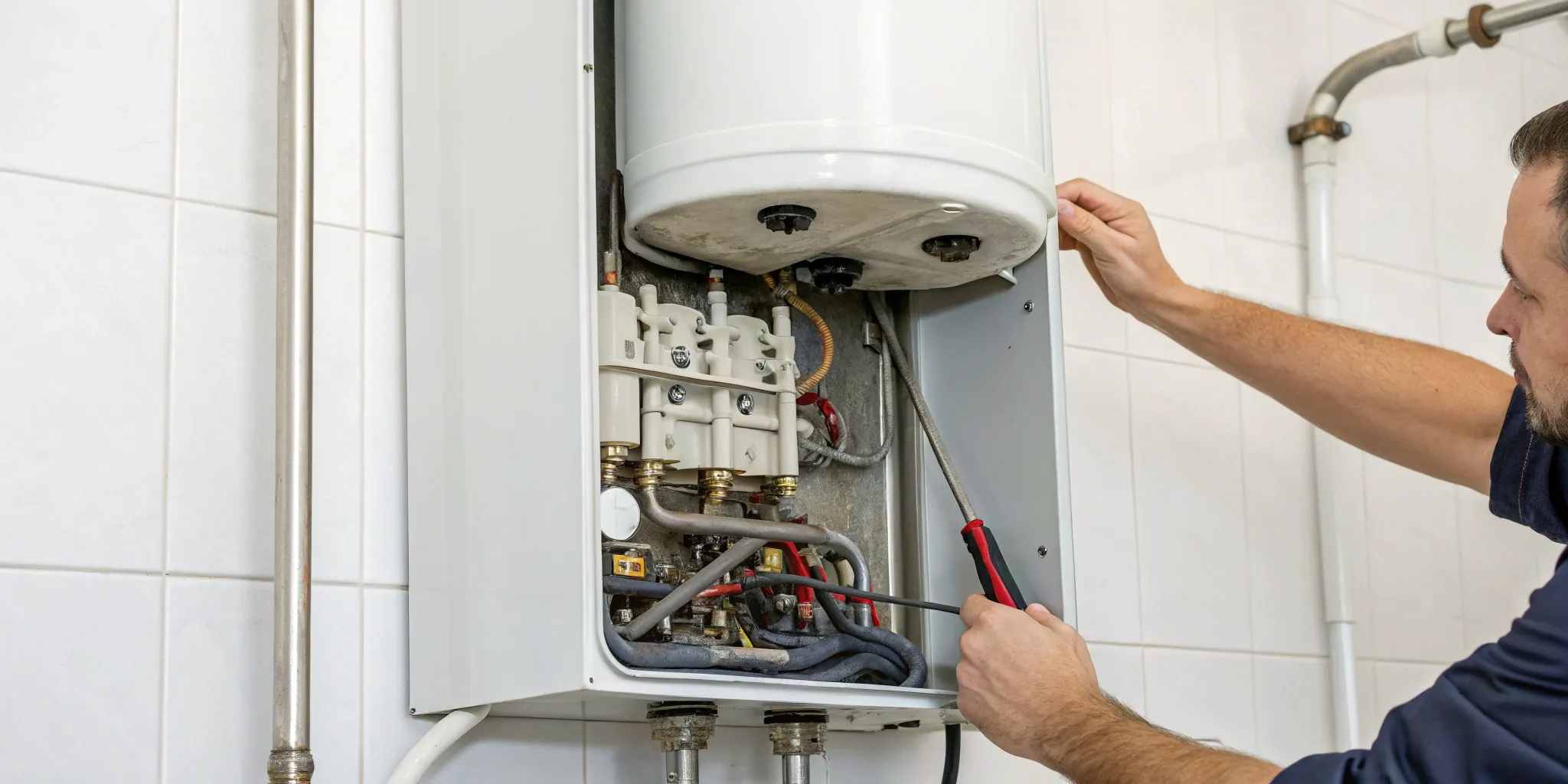
That rumbling sound from the basement or the sudden icy shower can be stressful. Most water heater problems, however, can be traced back to a single component. By learning to identify the main electric water heater parts and accessories, you can better understand what’s going on with your system and communicate more effectively with a professional. From thermostats and heating elements to safety valves and anode rods, we’ll demystify your water heater. Our goal is to empower you with the knowledge to catch small issues before they become big problems, ensuring your home stays comfortable and your appliance runs efficiently.
Key Takeaways
- Focus on Two Key Maintenance Tasks: Annually flushing your tank to clear out sediment and checking the anode rod every few years are the most effective ways to extend your water heater's lifespan and prevent costly repairs.
- Match the Symptom to the Part for Faster Fixes: Knowing that no hot water often points to a heating element, strange noises mean sediment, and rusty water signals a failing anode rod helps you have a more informed conversation with a professional.
- Use Your Model Number as Your Guide for Replacement Parts: Before buying anything, find the model and serial number on your tank. This is the only way to guarantee you get compatible parts with the correct voltage and wattage for a safe, effective repair.
A Homeowner's Guide to Electric Water Heater Parts
Your electric water heater works hard behind the scenes, but understanding its key components can help you spot issues early and keep it running efficiently. Think of this as a quick tour of what’s inside the tank, so you know exactly what’s happening when you turn on the tap for a hot shower. Knowing these parts helps you have a more informed conversation when you need to call a professional for a repair or routine maintenance, ensuring you get the right fix, right away.
Heating Elements: The Power Behind the Heat
Inside your water heater tank are one or two heating elements. These are the workhorses responsible for warming your water. As research notes, "The device that converts electricity into heat inside of a water heater is the element." When you need hot water, electricity flows to these metal rods, which heat up and transfer that warmth to the surrounding water. Over time, mineral buildup can cause these elements to burn out, which is one of the most common reasons for suddenly having no hot water. If you suspect an issue, a licensed plumber can safely test and replace a faulty element, restoring your hot water supply quickly.
Thermostats: Your Temperature Control Center
Your water heater’s thermostat is the brain of the operation. "Electric water heater thermostats manage the temperature by turning heating elements on and off to maintain your preferred water heat." Most tanks have two thermostats—one for each heating element—that work together to keep the water at a consistent, safe temperature. If your water is lukewarm or scalding hot, a malfunctioning thermostat is often the culprit. While adjusting the temperature setting is simple, diagnosing and replacing a faulty thermostat requires handling electrical components and should be left to a certified technician to ensure it’s done correctly and safely, protecting both your system and your home.
Anode Rods: The Tank's Protective Shield
The anode rod is your tank’s unsung hero. This metal rod, typically made of magnesium or aluminum, hangs inside your tank with one job: to protect it from rust. It works by attracting corrosive elements in the water, essentially sacrificing itself over time. That’s why it’s crucial to "Inspect the Anode Rod; it helps prevent rust and corrosion in the tank." In the Okanagan, where water hardness can vary, checking this rod every couple of years can significantly extend the life of your water heater. Replacing a depleted anode rod is a simple, cost-effective maintenance task that prevents a much more expensive tank replacement down the road.
Safety and Pressure Relief Valves
Every water heater is equipped with a critical safety feature called the temperature and pressure relief valve, or T&P valve. "Both gas and electric water heaters have a safety device called a temperature and pressure relief valve." This valve automatically opens to release pressure if the temperature or pressure inside the tank gets dangerously high, preventing a potential rupture. You might see it drip occasionally, which is normal, but a steady leak could signal a problem. We recommend having a professional test this valve during your annual plumbing maintenance to ensure it’s functioning correctly and can protect your home when needed.
Insulation and Other Energy-Saving Accessories
A few simple accessories can make your water heater more efficient and save you money. To start, you can "Insulate the water heater and the first few feet of hot and cold water pipes connected to the unit." An insulating blanket reduces standby heat loss, meaning the unit doesn't have to work as hard to keep water hot. Another smart addition is a drain pan placed underneath the heater to catch any potential leaks and prevent water damage. For better water quality and to protect your appliance, installing a sediment filter can also make a big difference, especially with our local water conditions in Kelowna and the surrounding area.
Common Problems and the Parts That Fix Them
Your electric water heater is a quiet workhorse, but when something goes wrong, it can disrupt your entire day. The good news is that most issues point to a specific part that needs attention. Understanding these common problems can help you identify what’s happening and know when to call for help. From a sudden cold shower to a mysterious puddle on the floor, here’s a look at what might be going on inside your tank.
No Hot Water? Check the Heating Element and Thermostat
That moment you turn on the shower and get nothing but cold water is never fun. If your electric water heater isn't producing any hot water, the issue often lies with either the heating element or the thermostat. After checking that you haven’t tripped a circuit breaker, these two parts are the next suspects. The heating element is the component that actually heats the water, while the thermostat tells it when to turn on and off. If either one fails, you’re left in the cold. Replacing them involves working with your home’s electrical system, so it’s a job best left to a certified technician for a safe and reliable water heater repair.
Hearing Strange Noises? It's Likely Sediment Buildup
If your water heater has started making popping, rumbling, or crackling sounds, you’re likely dealing with sediment buildup. Over time, minerals from the water supply settle at the bottom of the tank, creating a layer of sediment. When the lower heating element kicks on, it boils the water trapped underneath this layer, causing those strange noises. This not only reduces your water heater's efficiency but can also cause premature tank failure. The best way to prevent this is with annual maintenance that includes flushing the tank to clear out the debris, keeping your system running quietly and efficiently for years to come.
Finding a Leak? Inspect Your Valves
Discovering a puddle around your water heater is a stressful experience that requires immediate attention. Leaks are often caused by failing valves or old plumbing connections rather than a crack in the tank itself. The temperature and pressure (T&P) relief valve is a common source; its job is to release excess pressure, but it can sometimes get stuck open and drip. The drain valve at the bottom of the tank is another potential culprit. Whatever the source, it’s crucial to act quickly to prevent further water damage to your home. A professional can pinpoint the source of the leak and replace the faulty component.
Seeing Rust? Your Anode Rod May Be Depleted
If your hot water starts coming out with a rusty, brownish tint, your anode rod is probably sending you an SOS. This part is a long metal rod that hangs inside your tank with one important job: to corrode so your tank doesn't. It's a "sacrificial" component that protects the steel liner from rust. Anode rods should be inspected every few years and replaced when they're depleted. Letting it go for too long means the tank itself will start to corrode, leading to leaks and a much more expensive replacement. Regularly checking the anode rod is a simple, proactive step to extend the life of your water heater.
How to Choose the Right Replacement Parts
Once you’ve identified a potential problem, the next step is finding the right part to fix it. Choosing the correct component is about more than just finding something that looks similar; it’s about ensuring safety, efficiency, and compatibility with your specific unit. Using the wrong part can lead to bigger problems, from poor performance to serious safety hazards. Think of it like a puzzle—every piece needs to fit perfectly for the whole system to work correctly. This guide will walk you through the key things to check to make sure you’re getting exactly what your water heater needs. And if you ever feel unsure, remember that our team of certified plumbers is always here to help you source and install the right parts for any water heater services you need in the Okanagan.
Find Your Water Heater's Model and Specs
Before you can buy any replacement part, you need to know the exact make and model of your water heater. This is the most critical first step. On the side of your tank, you’ll find a large sticker or plate with all the technical details, including the manufacturer, model number, and serial number. Take a clear photo of this label with your phone. To find the correct replacement part, you often must use the serial number to look up compatible components. This ensures the part is designed specifically for your unit, guaranteeing a perfect fit and proper function.
Match Wattage, Voltage, and Compatibility
For electrical components like heating elements and thermostats, you have to match the technical specifications precisely. Mismatching these can damage your water heater or create a fire risk. Check the label on your old part or your water heater’s manual for the correct voltage and wattage. Voltage options are typically 120V or 240V, while wattage can range from 1440W to over 9000W. Installing a 120V element into a 240V system, for example, won’t work correctly and can be dangerous. Always double-check that the new part’s specs align perfectly with what your system requires.
OEM vs. Aftermarket Parts: What's the Difference?
When you shop for parts, you’ll see two main types: OEM and aftermarket. OEM stands for Original Equipment Manufacturer, meaning the part is made by the same company that built your water heater. These parts are guaranteed to be a perfect match. Aftermarket parts are made by third-party companies and are often cheaper. While the lower price is tempting, their quality can be inconsistent, and using one might even void your water heater’s warranty. For critical components that affect safety and performance, we almost always recommend sticking with OEM parts for peace of mind.
Key Features to Check: Materials and Pressure Ratings
Beyond the basics, look at the finer details. The materials a part is made from can significantly impact its lifespan. For example, anode rods come in aluminum, magnesium, and zinc-aluminum alloys, and the right choice depends on your water quality. For safety components like the temperature and pressure (T&P) relief valve, the pressure rating is non-negotiable. It must match your tank’s specifications (usually 150 psi) to prevent a dangerous pressure buildup. Paying attention to these details ensures your repair is both effective and safe for the long term.
Consider Energy-Efficient Options to Save Money
When replacing a part, it’s a great opportunity to think about efficiency. Some replacement parts are designed to help your water heater use less energy. For instance, you could add a thick insulation blanket around your tank to reduce standby heat loss or choose a high-efficiency heating element. Upgrading to more efficient components can lower your monthly energy bills. Plus, many local utility providers and government programs offer rebates and offers for making energy-saving improvements to your home, which can help offset the cost of the parts.
Simple Maintenance for a Longer-Lasting Water Heater
Your water heater works hard every day, and a little proactive care can go a long way in preventing surprise cold showers and costly emergency calls. Taking care of your water heater doesn't have to be complicated. A few simple, regular tasks can extend its lifespan, improve its efficiency, and give you peace of mind. Think of it as an investment in your home's comfort and your wallet. For homeowners in the Okanagan, where water hardness can contribute to mineral buildup, these steps are especially important for keeping your system running smoothly for years to come. Here’s a straightforward maintenance schedule you can follow to get the most out of your unit.
Flush Your Tank Annually to Remove Sediment
Over time, minerals like calcium and magnesium that are naturally present in our water supply can settle at the bottom of your water heater tank. This layer of sediment can cause a few problems: it can create popping or rumbling noises, reduce your heater's efficiency, and even lead to premature tank failure. To prevent this, it's a great idea to flush your water heater tank about once a year. This process involves draining the tank to clear out all the collected gunk. While it's a task some homeowners tackle themselves, it can be messy. If you'd rather leave it to the pros, our team can handle it during a routine maintenance visit.
Create a Schedule to Inspect and Replace the Anode Rod
Inside your water heater tank is a hidden hero called the anode rod. Its one job is to corrode so your tank doesn't. Think of it as a shield, sacrificing itself to protect the steel tank from rust. This rod doesn't last forever, though. You should plan to check the anode rod every two to three years and replace it when it's mostly worn away. A fresh anode rod is one of the most cost-effective ways to dramatically extend the life of your water heater. This is a task that often requires a special socket and a bit of muscle, so don't hesitate to call for professional water heater services if you need a hand.
Test Your Safety Valves and Thermostat Settings
Your water heater has a critical safety feature called the temperature and pressure (T&P) relief valve. This valve is designed to open and release pressure if the temperature or pressure inside the tank gets dangerously high. It's important to test this valve annually to make sure it hasn't seized up. You can do this by lifting the lever and letting a bit of hot water discharge into a bucket. It's also a good idea to check your thermostat setting. For most homes, 120°F (49°C) is a safe and energy-efficient temperature that helps prevent scalding while reducing energy consumption.
Why Professional Maintenance Matters
While these DIY tips are fantastic for your water heater's health, they don't replace the value of a professional inspection. A trained technician can spot subtle signs of wear and tear, perform more complex tasks like checking the heating elements, and ensure every component is working safely and efficiently. Scheduling regular professional maintenance is the best way to catch potential issues before they turn into major headaches. Our TruLoyalty Membership program is designed to make this easy, providing annual tune-ups to keep your home’s essential systems in top shape. It’s the simplest way to ensure you get true comfort and infinite care from your home's systems.
Related Articles
Frequently Asked Questions
How often should I have my electric water heater serviced? For best results, you should have your water heater professionally inspected once a year. This annual check-up allows a technician to flush out sediment, test the safety valve, and check the health of the heating elements. As for the anode rod, it’s a good idea to have it inspected every two to three years, as its lifespan can vary depending on your local water quality.
Is it safe for me to replace water heater parts myself? While some tasks like insulating pipes are simple, most water heater repairs involve working with both high-voltage electricity and plumbing. For your safety and to prevent accidental damage to your home or the unit, we strongly recommend leaving part replacements, especially for electrical components like thermostats and heating elements, to a certified professional.
What's that popping or rumbling sound coming from my water heater? Those strange noises are almost always caused by a layer of mineral sediment that has built up at the bottom of your tank. When the lower heating element turns on, it boils the water trapped beneath this layer, creating the popping sound. An annual tank flush is the best way to clear out this buildup and quiet things down.
How can I tell if my water heater needs a simple repair or a full replacement? Minor issues like a faulty heating element or a worn-out anode rod are typically straightforward repairs. However, if you're dealing with a significant leak coming from the tank itself or if your unit is over 10-12 years old and requires frequent, costly fixes, it's often more economical in the long run to invest in a new, more efficient model.
Why is replacing the anode rod so important? Think of the anode rod as your water heater tank's personal bodyguard. It's designed to attract corrosive elements in the water, essentially rusting away so the steel tank doesn't have to. Once the rod is gone, the tank itself starts to corrode, which leads to leaks and total failure. Replacing this inexpensive part every few years is the single best thing you can do to extend the life of your water heater.



.webp)