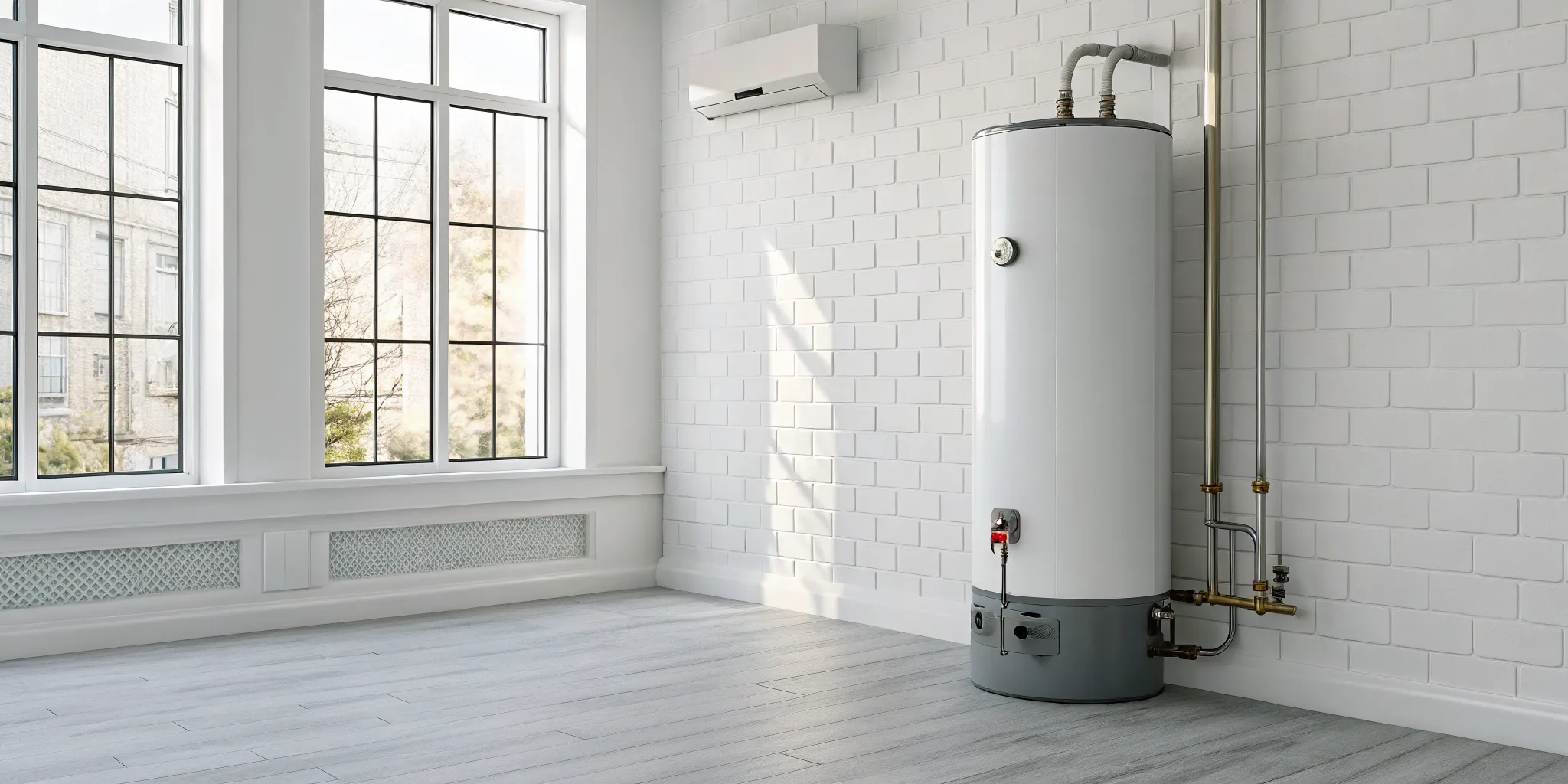
That sudden blast of cold water during a shower is a universal sign that something is wrong. For Okanagan homeowners with a gas water heater, the problem is often a small but critical component: the igniter. This part is the spark that brings your heater to life, and when it fails, you’re left in the cold. Here in the Okanagan, our notoriously hard water creates sediment that puts extra strain on these parts, causing them to fail sooner. This guide explains the common signs that you need a hot water heater igniter replacement, why this issue is so common from Kelowna to Penticton, and what your options are for a safe and lasting repair. At TruFinity Plumbing Heating & Cooling, we believe an informed homeowner makes the best decisions for their home.
Key Takeaways
- Okanagan Water Is Tough on Heaters: Our region's hard water causes sediment buildup that strains your water heater's components. Annual flushing is the most effective way to prevent premature part failure and keep your unit running efficiently.
- Gas and Electrical Repairs Require a Pro: Replacing an igniter involves working with gas lines and electrical wiring, where mistakes can be dangerous. For your safety, always leave these types of repairs to a certified professional.
- Focus on Prevention for Long-Term Savings: Instead of just reacting to problems, take proactive steps to protect your appliance. Regular maintenance and a whole-home water filtration system address the root causes of wear, extending the life of your water heater.
Is Your Hot Water Heater Igniter Failing? Signs for Kelowna Homeowners
There’s nothing quite like the surprise of turning on the shower expecting a hot spray, only to be met with ice-cold water. If you have a gas water heater, a faulty igniter is often the culprit. This small but essential part creates the spark needed to light the gas burner and heat your water. When it fails, you’re left in the cold.
Whether you live in an older Rutland home or a new build in West Kelowna, the signs of a failing igniter are usually consistent. Here’s what to look out for:
- No Hot Water: This is the most obvious symptom. If your other gas appliances are working fine but your water heater won’t produce hot water, the igniter is a primary suspect.
- Clicking Noises: You might hear a distinct, repetitive clicking sound coming from the bottom of your water heater. This is the sound of the igniter trying, and failing, to create a spark and light the burner.
- Intermittent Failure: Sometimes an igniter doesn't fail all at once. You might have hot water for a few days, then suddenly none, only for it to return later. This inconsistency often points to a component that’s on its last legs.
- The Pilot Light Won't Stay Lit: While a faulty thermocouple is a common cause for this, a weak or failing igniter can also prevent the pilot from lighting or staying lit reliably.
At TruFinity Plumbing Heating & Cooling, we know that diagnosing the exact issue is key. In Kelowna, we most commonly see sediment buildup causing issues in gas units after just 6–8 years, which puts extra strain on all components, including the igniter. While a quick check might reveal a simple issue like a wet or loose igniter wire, working with gas lines requires expertise and caution. If you suspect a problem, it’s always safest to call for professional plumbing repairs to ensure the job is done right.
Why Okanagan Water Heaters Work Harder
If you live in the Okanagan, you know our water is unique. While it’s great for our vineyards, it can be tough on our home appliances, especially water heaters. The high mineral content in our local water supply means your water heater has to work much harder than one in a coastal city like Vancouver. This extra strain doesn't just lead to higher energy bills; it can also cause components like the igniter to fail sooner than expected. Understanding what your water heater is up against is the first step in preventing surprise breakdowns and cold showers.
At TruFinity Plumbing Heating & Cooling, we see firsthand how our region's water affects these essential appliances. From Rutland mechanical rooms to new builds in the Upper Mission, the story is the same: mineral buildup is the number one enemy of a healthy water heater.
The Impact of Hard Water and Minerals
The term "hard water" simply means our water has a high concentration of dissolved minerals, primarily calcium and magnesium. As water heats up inside your tank, these minerals fall out of the solution and form a hard, chalky scale on interior surfaces. This limescale coats the heating elements in an electric unit or settles at the bottom of a gas tank. This buildup acts as a layer of insulation, forcing your heater to run longer and use more energy to get your water to the right temperature. A whole-home water filtration system can help manage this issue, protecting not just your water heater but all your plumbing fixtures.
How Sediment Buildup Affects Gas Heaters
For gas water heaters, that mineral scale creates an even bigger problem. The sediment settles into a thick layer at the bottom of the tank, right between the burner flame and the water it’s supposed to be heating. This forces the burner to work overtime, trying to push heat through the sludge. This constant overheating can stress the metal of the tank, leading to loud popping or rumbling sounds. More importantly, it can damage critical components and significantly shorten the lifespan of the unit. We often see this exact issue in West Kelowna basement installs where a few years of neglect have led to premature failure.
Why Annual Maintenance is Crucial Here
In an area with water as hard as ours, annual water heater maintenance isn't just a good idea, it's essential. The single most important task is flushing the tank to clear out all that accumulated sediment. This simple procedure restores your heater's efficiency, quiets those noisy rumbles, and helps prevent the kind of overheating that damages igniters and other parts. For Okanagan homeowners, this isn't an optional tune-up; it's the key to extending the life of your appliance and avoiding unexpected breakdowns. Scheduling regular plumbing repairs and maintenance with a professional ensures it’s done correctly and safely.
What is a Hot Water Heater Igniter?
Think of a hot water heater igniter as the dedicated matchstick for your gas water heater. Its one job is to create a spark or a hot surface that ignites the gas flowing to the burner. When it works correctly, the burner fires up, heats the water in your tank, and you get a hot shower. When it fails, you get a cold one. It’s a small but essential part that ensures your system operates safely and efficiently.
This component is specific to gas-powered water heaters. If you have an electric model in your home, your system works a bit differently. Understanding which type you have is the first step in troubleshooting any hot water issues.
Key Differences: Gas vs. Electric Heaters
The main difference between gas and electric water heaters comes down to how they generate heat. A gas water heater uses a burner at the bottom of the tank, which requires an igniter to light the flame. An electric water heater, on the other hand, uses large heating elements submerged directly in the water, similar to an electric kettle. Because there’s no flame, there’s no need for an igniter.
Here in the Okanagan, our team at TruFinity Plumbing Heating & Cooling sees distinct issues with both types. Gas units are often affected by sediment buildup that can smother the burner and stress the igniter, while electric models can have their heating elements fail due to our region’s notoriously hard water.
Understanding Common Igniter Types
Not all igniters are created equal. The type in your water heater usually depends on its age and model. Older units often have a standing pilot light, which is a small, continuous flame that lights the main burner when needed. Newer, more energy-efficient models typically use electronic ignition systems.
These include hot surface igniters, which glow red hot like a toaster element to light the gas, and piezo igniters, which create a spark when you press a button. Each type of water heater igniter has its own set of symptoms when it starts to fail. Knowing which one you have can help you describe the problem accurately when you call for a plumbing repair.
What Does an Igniter Replacement Cost?
When your hot water suddenly goes cold, one of the first questions you’ll ask is, “How much will this cost to fix?” The price for a hot water heater igniter replacement can vary quite a bit. The final cost depends on the specific part your unit needs, the complexity of the job, and whether you hire a professional or decide to tackle it yourself. While a DIY approach might seem cheaper upfront, working with gas appliances requires expertise to ensure your family’s safety.
At TruFinity Plumbing Heating & Cooling, we believe in transparency. We’ll break down the costs so you can make an informed decision for your home, whether you're in Kelowna, Penticton, or anywhere in between. We always provide clear, upfront pricing before any work begins, so you know exactly what to expect. Our goal is to provide "True Service, Infinite Care," and that starts with honest communication.
A Look at Igniter Part Costs
The igniter itself is a relatively inexpensive component. You can typically expect the part to cost between $25 and $95. The price difference comes down to the brand and model of your water heater. Some units require a specific Original Equipment Manufacturer (OEM) part, which can be on the higher end of the price range. Others might be compatible with more affordable universal igniters. When you call a professional, they can source the correct, high-quality part to ensure a lasting repair and proper performance for your specific unit.
Cost Breakdown: Professional vs. DIY Replacement
Choosing to replace the igniter yourself means you’ll only pay for the part, which could be around $50. However, this path comes with significant risks if you aren’t experienced with gas lines and electrical components. An incorrect installation can lead to gas leaks or further damage to your water heater. Hiring a certified technician from Trufinity ensures the job is done safely and correctly. A professional service call includes the technician's time, expertise, and a diagnostic check to confirm the igniter is the true cause of the problem. Often, another failing part can mimic igniter issues, so a professional diagnosis saves you from buying parts you don’t need.
How Okanagan Homeowners Can Save
The best way to save money is to avoid unexpected breakdowns in the first place. Given our region's notoriously hard water, annual maintenance is key. Regular flushing can prevent the sediment buildup that stresses components like the igniter. If you’re facing a repair, ask for an itemized quote. If your water heater is over eight years old, especially in an area like West Kelowna where mineral content is high, compare the repair cost to the price of a new unit. Investing that money in a modern, energy-efficient model could offer better long-term savings. We offer flexible financing options to make upgrading more manageable for your budget.
How to Choose the Right Igniter for Your Water Heater
Choosing the right replacement igniter is the most critical step in this repair. The wrong part won’t just fail to work; it can be a serious safety risk. Whether you’re exploring a DIY fix or simply want to be informed before calling a technician, getting the correct component is non-negotiable. Think of it like a key for a lock. A close match won’t do the job; you need the exact one. This ensures your water heater operates safely, efficiently, and reliably, especially when you need it most during a cold Okanagan morning. Taking a few minutes to identify the right part will save you headaches, money, and a potential return trip to the supply store.
Find Your Water Heater's Model Number
Before you can find the right igniter, you need to know exactly what kind of water heater you have. Your unit’s model number is the key piece of information. Look for a large sticker or metal plate on the side of the tank; this is the manufacturer’s data plate. It contains the serial number, manufacturing date, and, most importantly, the model number. Snap a clear photo of it with your phone so you have the information handy. This number allows you or a professional to look up the precise replacement parts specified by the manufacturer, guaranteeing a perfect fit and proper function.
Top Igniter Brands for Local Conditions
While there are many igniter manufacturers, the "best" brand is always the one that is approved for your specific water heater model. In homes across Kelowna and the Okanagan, we often service popular and reliable water heater brands like Rheem, Bradford White, and AO Smith. Each of these brands uses specific igniters designed for their unique systems. It’s less about finding a top-rated universal igniter and more about matching the part to your unit. Using a manufacturer-approved igniter ensures it can handle the demands of your system and performs safely for its intended lifespan.
What to Know About Compatibility and Performance
Compatibility is everything when it comes to gas appliance parts. An igniter that isn't an exact match for your model can lead to inefficient ignition, gas leaks, or complete system failure. Always use the manufacturer-approved igniter to ensure safety and keep your warranty intact. While the part itself might seem affordable, often around $50, the cost of a mistake is much higher. If you have any uncertainty about which part to choose, it’s always best to consult a professional. A certified technician at TruFinity Plumbing Heating & Cooling can source the correct part and ensure it’s installed safely, giving you total peace of mind.
Your DIY Replacement: Tools and Safety
Thinking about tackling your hot water heater igniter replacement yourself? I get it. There’s a certain satisfaction that comes from a successful home repair. However, when you’re dealing with gas and electrical systems, safety has to be your top priority. This isn’t like patching drywall or painting a room; a small mistake can have serious consequences for your home and family.
Before you even think about opening up your water heater, it’s important to understand the full scope of the job. This work requires precision, the right tools, and a clear understanding of how to handle gas lines and electrical connections safely. While some homeowners have the experience to manage this repair, it’s a task where there is absolutely no room for error. For most people, especially in older homes you might find in Rutland or the Upper Mission, calling a licensed technician from TruFinity Plumbing Heating & Cooling is the safest and most reliable path to getting your hot water running again.
The Essential Tool and Materials Checklist
On the surface, the tool list for an igniter replacement seems pretty simple. You’ll generally need a few specific items to access and switch out the part. This typically includes a 3/8-inch socket, a 3/4-inch wrench, and a Phillips head screwdriver. You will also need some high-temperature adhesive to make sure the new igniter is attached securely and can withstand the heat.
While the list is short, having the exact right tool for your specific water heater model is key. Using the wrong size wrench can strip bolts, and failing to apply the adhesive correctly could cause the new igniter to fail prematurely. A professional technician arrives with a truck stocked with every possible tool, ensuring they can handle any unexpected hiccups without a trip to the hardware store. If you're not completely confident, our team is ready to handle your plumbing repairs safely and efficiently.
Critical Safety Steps Before You Begin
Before any tools come out, your focus must be on creating a safe work environment. This is the most critical phase of the entire process. The two absolute, non-negotiable first steps are to completely cut the power to the water heater and shut off its gas supply. Working on a unit that is still connected to electricity poses a serious risk of shock, while a live gas line can lead to a dangerous leak.
It’s essential to follow proper safety protocols when working with any gas appliance. According to Technical Safety BC, all gas work should be performed by a licensed contractor to ensure it meets code and is done safely. If you are ever unsure or smell gas, stop what you are doing immediately. Your family’s safety is always more important than a DIY project.
How to Safely Shut Off Gas and Power
Properly shutting down your water heater is a multi-step process. First, find the circuit breaker for your water heater in your home's main electrical panel and switch it to the "Off" position. Many water heaters also have a dedicated power switch on or near the unit itself; make sure that is turned off as well.
Next, you need to turn off the gas. Find the gas supply line that runs to the water heater. There will be a shutoff valve on this pipe, which usually has a straight handle. To turn the gas off, you need to turn this handle a quarter turn so it is perpendicular (forming a "T" shape) to the pipe. Once you’ve done this, you can be sure no gas is flowing to the appliance. Taking these steps is vital, and it’s a process our Trufinity technicians perform every single day with practiced care.
How to Replace Your Hot Water Heater Igniter
If you’re comfortable with home repairs, you might be considering replacing the hot water heater igniter yourself. While it can be a manageable task for some, working with a gas appliance carries significant risks. This guide provides a general overview of the process, but we always recommend putting safety first. Gas lines and electrical components require precision and expertise. If you feel even slightly unsure at any point, it’s always best to call a certified technician.
At TruFinity Plumbing Heating & Cooling, our licensed professionals handle these replacements every day, ensuring the job is done safely and correctly. An improper installation can lead to gas leaks or damage to your unit, turning a small repair into a major expense. Think of this guide as a look into a technician's process rather than a step-by-step DIY manual. Your family’s safety is the top priority, and sometimes the best tool is a phone call to an expert.
Step 1: Prepare Your Workspace and Shut Off the Gas
Before any work begins, the most critical step is to make your water heater safe. Start by turning off the gas supply. You can usually find a shut-off valve on the gas line leading to the water heater; turn the handle so it’s perpendicular to the pipe. Next, unplug the unit from the electrical outlet or switch off the corresponding breaker in your home’s electrical panel. This eliminates the risk of both gas leaks and electric shock. Give the area a few minutes to air out, ensuring any residual gas has dissipated before you proceed.
Step 2: Safely Remove the Old Igniter
With the power and gas off, you can now access the burner assembly. This typically involves removing an outer metal cover and an inner door, which are usually held in place by a few screws. Once inside, you’ll see the igniter connected to the gas control valve by a set of wires. Before you disconnect anything, take a quick photo with your phone. This will be a lifesaver when it’s time to connect the new part. Carefully unplug the igniter’s wiring harness, then use a screwdriver or nut driver to remove the screw holding the old igniter in place. Gently pull it out of its bracket.
Step 3: Install and Test the New Igniter
When handling the new igniter, be very careful not to touch the dark, brittle heating element. The oils from your skin can create a hot spot and cause the new part to burn out prematurely. Carefully slide the new igniter into the bracket and secure it with the mounting screw. Using the photo you took earlier as a guide, reconnect the wiring harness to the control valve. Re-seat the burner assembly, making sure any gaskets are properly aligned, and replace the inner and outer access covers. Once everything is reassembled, you can turn the gas supply and power back on. Your water heater should now fire up correctly, but for total peace of mind, having a professional from TruFinity Plumbing Heating & Cooling perform a final safety check is a smart move.
Where to Find Igniter Reviews and Comparisons
Once you’ve figured out that your hot water heater’s igniter is the likely culprit, the next step is finding the right replacement part. With so many options out there, it can be tough to know which one is reliable and compatible with your system. Doing a bit of research can save you from buying the wrong part or, even worse, causing more damage to your unit. Think of it as doing your homework before a big test; a little preparation helps you get the right answer the first time.
This research phase is crucial for understanding what goes into a quality repair. It helps you appreciate the difference between a generic part and one that’s built to last, especially in Okanagan homes where our hard water is tough on appliances. Whether you plan to tackle the job yourself or just want to be more informed when you call a professional, knowing where to look for information is key. Here’s where you can find trustworthy reviews and comparisons to guide your decision.
Check Manufacturer Websites for Specs
Your first and most reliable source of information should always be the manufacturer of your hot water heater. Their websites provide detailed technical specifications, parts lists, and compatibility guides for your specific model. This is the best way to confirm you’re looking at the correct igniter. For example, many suppliers offer a wide range of replacement igniters for popular brands like Rheem, AO Smith, and Atwood. Cross-referencing the part number from your unit with the manufacturer’s official data ensures you get a perfect match, preventing installation headaches down the road.
Read Online Reviews and Pro Recommendations
After confirming the technical specs, it’s helpful to see what other people are saying. Online retail sites are a great place to find customer feedback on a specific water heater igniter. These reviews can offer real-world insights into a part's durability and ease of installation. Beyond retail sites, homeowner forums can provide valuable firsthand accounts. A discussion on Reddit, for example, shows how homeowners share experiences about repair costs and service quality. While helpful, remember that this advice isn't a substitute for professional expertise. For a guaranteed correct part and safe installation, it’s always best to consult with the certified technicians at TruFinity Plumbing Heating & Cooling.
How to Prevent Future Igniter Problems
Once you’ve sorted out an igniter issue, the last thing you want is a repeat performance. The good news is that with a little proactive care, you can significantly reduce the chances of another failure. Preventing problems is always easier and more affordable than fixing them, especially here in the Okanagan where our water quality adds extra stress to our appliances. Taking a couple of key steps will not only protect your igniter but will also help extend the lifespan of your entire hot water heater, ensuring you have reliable hot water when you need it. These preventative measures focus on tackling the root causes of wear and tear, saving you from future headaches and unexpected cold showers.
The Importance of Regular Maintenance
An annual check-up from a professional does more than just tick a box; it actively extends the life of your water heater. Here in the Okanagan, sediment from our hard water builds up fast, insulating the bottom of the tank and forcing the burner and igniter to work overtime. A technician can flush this sediment, inspect the anode rod to prevent rust, and ensure the whole system is running efficiently. Think of it as an investment in reliability and peace of mind. Our membership plans make this easy, keeping your system in top shape year-round and catching small issues before they become major problems.
Consider Water Filtration Solutions
If you want to tackle the root cause of many water heater issues in the Okanagan, let's talk about your water quality. The same hard water that leaves spots on your dishes creates limescale buildup inside your water heater. This mineral crust can coat the burner assembly and the igniter, causing it to fail prematurely. A whole-home water filtration system or water softener is the best long-term defense. By removing those damaging minerals before they ever reach your heater, you protect your investment and improve the lifespan of all your water-using appliances, from your dishwasher to your coffee maker. It’s a single solution that solves a whole host of problems.
When to Call a Professional for Your Hot Water Heater
While tackling home repairs yourself can be satisfying, working on a gas hot water heater isn't the time to test your skills. An igniter replacement involves your home's gas and electrical systems, where a small mistake can have big consequences. If you feel even slightly unsure, calling a professional is always the right move. At TruFinity Plumbing Heating & Cooling, we know that a simple-looking issue can point to a more complex problem. It's about ensuring your family's safety and the reliable performance of your appliance.
You're Working with Gas Lines
This is the most important reason to call a professional. Any repair involving your home's gas supply requires precision and expertise. An improperly sealed connection can lead to a dangerous gas leak, a risk that isn't worth taking. Professional technicians are trained to handle these connections, test for leaks, and ensure everything complies with local safety codes. They have the right tools and knowledge to manage the risks involved with natural gas safety at home. For your peace of mind, leave any work on your gas water heater to certified experts.
The Problem Is More Than Just the Igniter
A failing igniter is often just a symptom. The real problem could be the thermocouple, the thermostat, or the main gas control valve. Without a proper diagnosis, you might replace the igniter only to find the hot water still isn't working. A professional from TruFinity can accurately identify the root cause. Whether it's sediment buildup in a West Kelowna basement or a faulty valve in an older Rutland home, our technicians pinpoint the exact problem, saving you time, money, and the frustration of a misdiagnosis. Getting it right the first time prevents repeat repairs.
You Want the Job Done Right and Safely
Hiring a professional gives you confidence that the repair is done correctly and safely. A certified technician from TruFinity ensures the right part is used for your specific model and that the installation meets all manufacturer standards. This not only guarantees performance but also keeps your appliance's warranty intact. Plus, our work is backed by our "True Service, Infinite Care" promise. We stand by our plumbing repairs, giving you lasting peace of mind. You can trust our team to restore your hot water quickly and reliably.
Related Articles
- No Hot Water? What to Do Before You Call a Plumber in Kelowna
- Prices Revealed: Hot Water Tank Replacement Cost in Kelowna
- Hot Water Tank Installation in Kelowna: Step-by-Step Guide
- Gas Fireplace Maintenance Near Kelowna, BC: Ensuring Safety and Efficiency
Frequently Asked Questions
Can I replace my water heater igniter myself? While it might seem like a straightforward swap, we strongly advise against it unless you have professional experience with gas appliances. The repair involves both gas lines and electrical components, and a small mistake can create a serious safety hazard like a gas leak. For your family's safety and your own peace of mind, calling a licensed technician from TruFinity Plumbing Heating & Cooling is the safest and most reliable choice.
How do I know for sure that the igniter is the problem? A repetitive clicking sound without ignition is a classic sign of a failing igniter. However, similar symptoms can be caused by a faulty thermocouple or a problem with the gas control valve. A professional diagnosis is the only way to be certain. Our technicians can pinpoint the exact cause, which saves you from buying parts you don't need and ensures the repair is done right the first time.
Is it better to repair an old water heater or just replace it? This is a great question, and it really depends on two things: the age of your unit and the cost of the repair. If your water heater is over eight years old, and especially if it has shown other signs of wear, investing in a repair might not be the most cost-effective choice. We often advise homeowners to compare the repair quote to the long-term savings and reliability of a new, energy-efficient model.
How long does a professional igniter replacement usually take? For a straightforward igniter replacement, a skilled technician can typically complete the job in about an hour. This includes the time to safely shut down the unit, perform the replacement, and then test the system to ensure everything is working correctly and safely. If the technician discovers a more complex issue during the diagnosis, the repair may take longer.
What is the best way to prevent my water heater from failing again? Here in the Okanagan, the best defense against premature failure is tackling our hard water. We recommend having your water heater flushed annually by a professional to clear out the mineral sediment that builds up and strains the components. For a more permanent solution, a whole-home water filtration system protects not just your water heater but all of your plumbing and appliances from mineral damage.



.webp)