When you discover a leak, your mind probably jumps straight to the worst-case scenario: a full, expensive replacement. But not every drip spells disaster. Knowing how to fix a leaking water heater starts with a proper diagnosis, and that’s something you can often begin yourself. By methodically checking a few key areas, you can determine if you’re dealing with a loose fitting or a more serious internal failure. This guide will empower you to become a detective, tracing the water back to its source. We’ll provide the practical steps to safely inspect your unit, understand the common culprits, and make a smart, cost-effective decision between a simple repair and a necessary replacement, ensuring you only pay for what you truly need.
Key Takeaways
- Your First Move Is Always Safety: Before you even try to find the leak, immediately shut off the power and water supply to the heater. This non-negotiable first step prevents electrical hazards and stops the leak from getting worse.
- The Leak's Location Dictates Your Next Step: A drip from a pipe fitting on top is often a simple fix, but water coming from the tank body itself almost always means you need a replacement. Identifying the source tells you how serious the problem is.
- Some Repairs Are Not Worth the DIY Risk: While tightening a loose connection is manageable, any leak involving the tank, gas lines, or electrical components requires a professional. Calling an expert is the safest way to protect your home from major damage.
Where Is That Water Heater Leak Coming From? A Step-by-Step Guide
Finding a puddle around your water heater is a stressful moment for any homeowner. Your mind immediately jumps to property damage and expensive repairs. But before you panic, take a deep breath. Finding the source of the leak is the first step toward a solution, and it’s something you can often do yourself. By methodically checking a few key areas, you can figure out what’s wrong and whether you need to call in a professional. This guide will walk you through a safe and simple inspection process to pinpoint the problem. Remember, the goal here is to diagnose, not necessarily to perform a complex repair on your own. Let's get started.
Step 1: Shut Off the Power and Water (Safety First!)
Before you get close to the unit, your absolute first priority is safety. Water and electricity are a dangerous combination. Go to your home’s circuit breaker and shut off the power to the water heater. If you have a gas heater, turn the control knob to the "Off" position. Next, find the cold water shut-off valve, which is usually a lever or wheel-shaped handle on a pipe leading into the top of the tank. Turn it clockwise to stop the water flow. Taking these two steps prevents the risk of electrical shock and stops the tank from refilling, which could make the leak worse. If you see significant flooding, don't hesitate to call for emergency plumbing repairs.
Step 2: Check the Top of the Heater
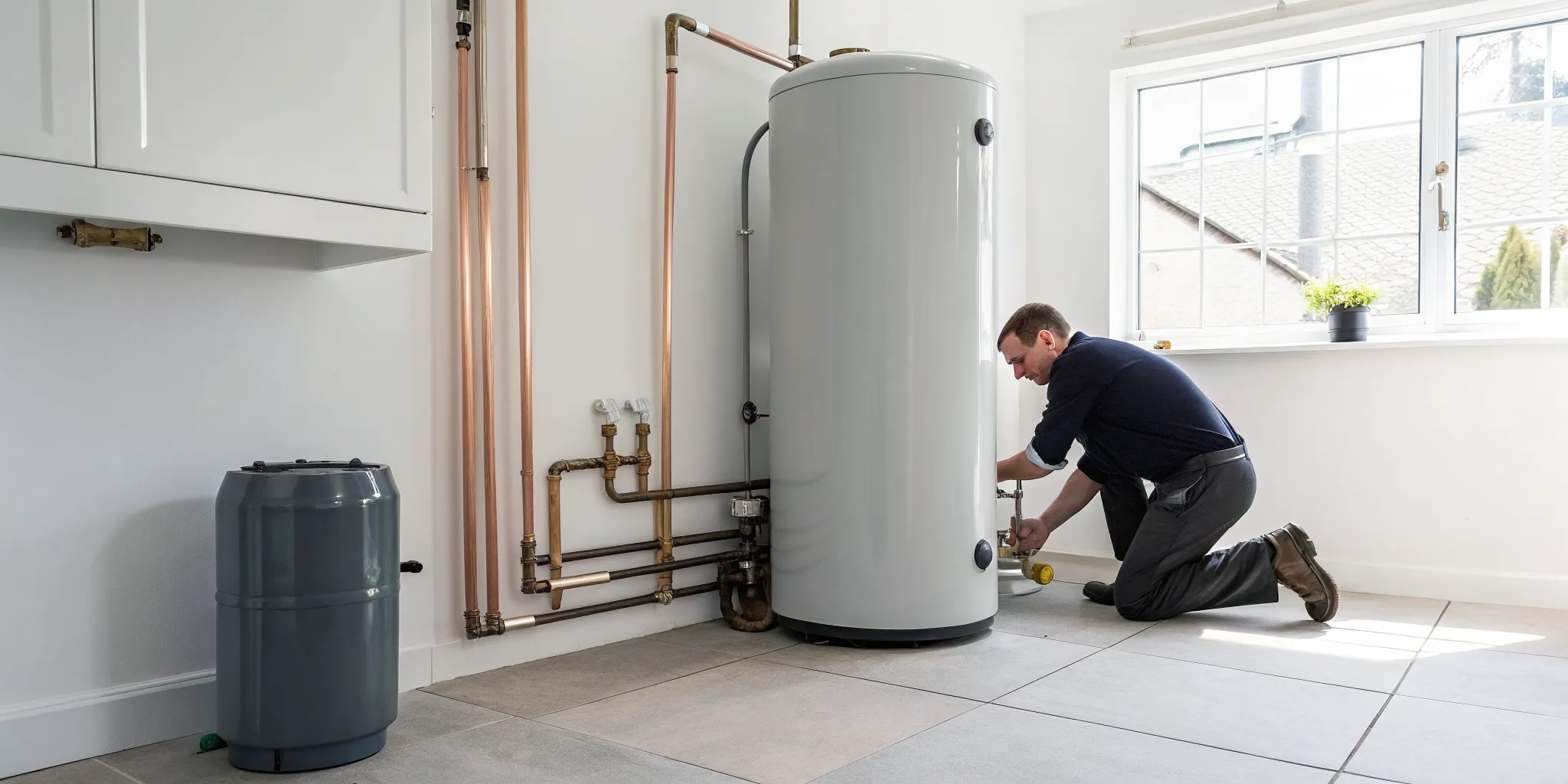
Now that the unit is safe to approach, start your inspection from the top and work your way down. Gravity can make a small leak at the top look like a major problem at the bottom. Grab a flashlight and carefully inspect the cold water inlet and hot water outlet pipes. Feel around the connections for any moisture. Sometimes, these fittings can loosen over time and just need a simple tightening with a wrench. A slow drip from one of these pipes can run down the side of the tank, making it seem like the tank itself is leaking. A thorough check here can save you a lot of trouble and confirm if the issue is a simple fix or something that needs a professional touch.
Step 3: Inspect the Bottom and Sides of the Tank
Next, move your inspection to the main body of the tank. Look for any streaks of water, rust, or corrosion on the sides. While you’re at it, check the floor around the base of the heater. Is the puddle growing? Use paper towels to dry the area completely, then watch to see where new water appears. This simple trick helps you confirm the exact source. If you see water seeping directly from the bottom of the tank or from a rusted spot on its side, this unfortunately points to an internal tank failure. A corroded tank cannot be repaired and will need to be replaced. This is a serious issue that requires immediate attention from a certified plumber to prevent a major flood.
Step 4: Examine All Pipes and Connections
There are a couple of other important valves on your water heater that can be common leak sources. Find the Temperature and Pressure (T&P) relief valve, which is usually on the side of the tank with a pipe running down toward the floor. This valve is a safety feature designed to release excess pressure, but it can sometimes fail and start leaking. Also, check the drain valve located near the bottom of the tank. This is what’s used to empty the tank for maintenance. If it’s not fully closed or if the washer inside is worn out, it can be the source of a slow, steady drip. These are common issues our team handles during professional water heater services.
What You'll Need for a Safe Inspection
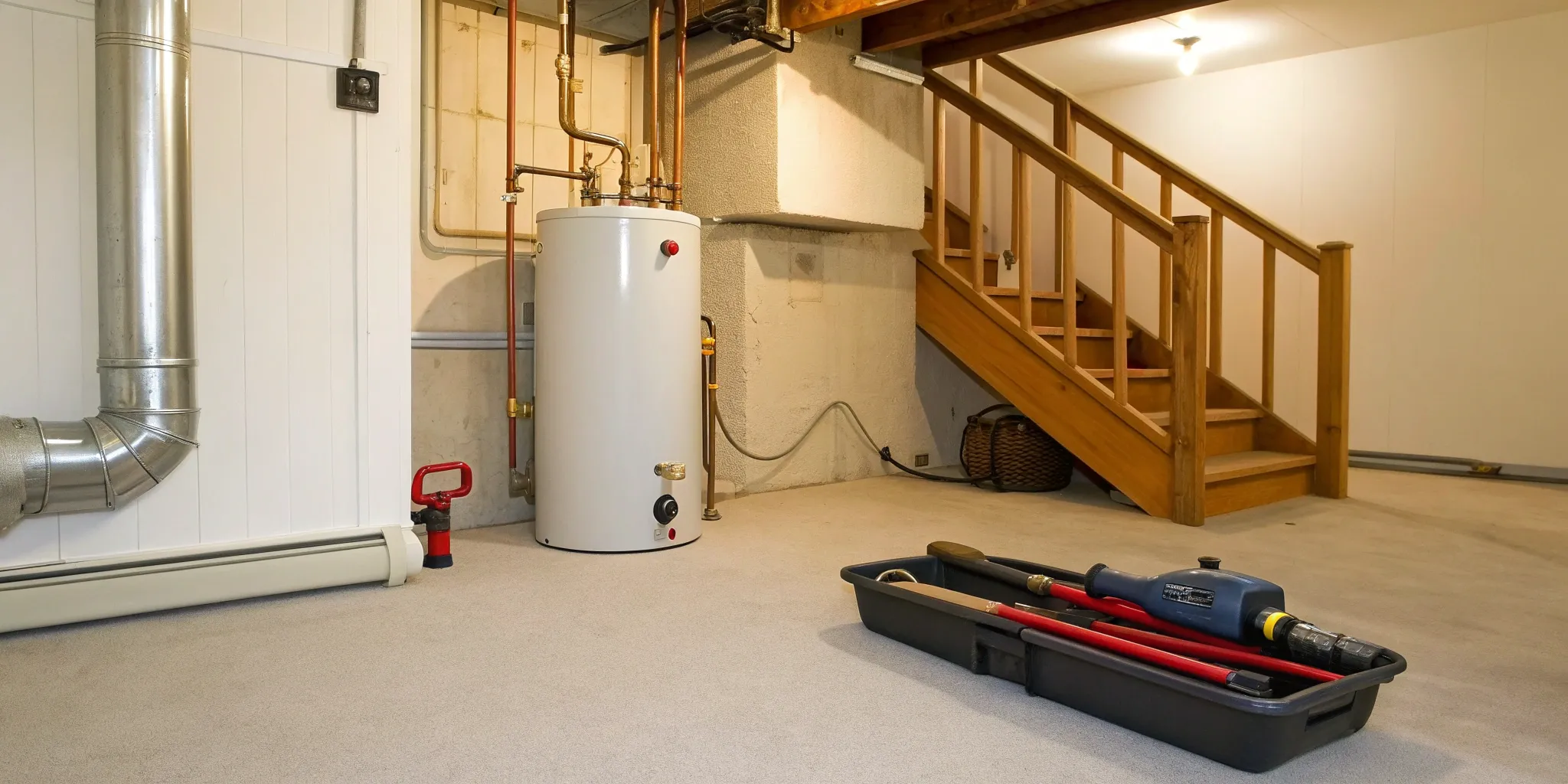
You don’t need a full toolbox for this initial inspection. The goal is just to find the source of the leak safely. All you really need is a good flashlight to see into the dark corners around the unit and some paper towels or a dry rag. The paper towels are great for wiping down connections and surfaces to see if new moisture appears, which helps you confirm an active leak. Having your phone handy to take pictures of the leak source is also a smart idea. This documentation can be incredibly helpful when you call a professional, as it gives them a head start on diagnosing the problem before they even arrive.
Why Is Your Water Heater Leaking? Common Culprits
Once you’ve pinpointed where the water is coming from, the next question is why. A leak can be anything from a simple fix to a sign that your water heater is on its last legs. Understanding the cause helps you decide on the right next step. Most leaks trace back to one of a few common issues, each with its own solution. Let's walk through the most likely culprits behind that unwelcome puddle.
Loose Pipes and Fittings
Often, the simplest explanation is the right one. The cold water inlet and hot water outlet pipes at the top of your heater can loosen over time due to normal vibrations. The good news is that most leaks from these connections are relatively easy to address. A quick check with a pipe wrench might be all you need to stop the drip. If tightening the fittings doesn't solve the problem, the connection itself might be worn out. This is a common issue our team handles during a standard plumbing repair visit, ensuring everything is sealed tight.
A Failing Temperature and Pressure (T&P) Valve
That little lever on the side or top of your tank is the Temperature and Pressure (T&P) relief valve. It’s a critical safety feature designed to release water if the temperature or pressure inside the tank gets dangerously high. If you see water dripping from its discharge pipe, it could mean one of two things: the valve is doing its job because of an underlying pressure problem, or the valve itself is faulty. While a faulty valve is a straightforward replacement, if it's releasing pressure, you have a more serious issue that needs immediate professional attention.
A Corroded or Cracked Tank
This is the one we all hope to avoid. Over time, the inside of your steel water tank can rust and corrode, especially if the sacrificial anode rod hasn't been replaced regularly. Corrosion eventually eats through the tank wall, causing a leak that can't be repaired. If you see rusty water pooling around the base of the unit or notice cracks in the tank itself, it’s a clear sign that you need a full replacement. At this point, the best course of action is to explore your options for a new water heater installation.
Old Age and Sediment Buildup
Most traditional tank water heaters have a lifespan of about 8 to 12 years. As they age, sediment from your water supply (especially common in areas with hard water) settles at the bottom of the tank. This layer of mineral buildup forces your heater to work harder, can cause popping or rumbling sounds, and accelerates internal corrosion. Regular maintenance, like an annual flush, can significantly extend your unit's life. If your heater is getting old and starting to leak, it’s often a sign that it’s simply worn out from years of service.
Found a Leak? Here’s What to Do Right Now
Discovering a puddle around your water heater can send a jolt of panic through any homeowner. But before you worry about the potential damage or repair costs, take a deep breath. The next few minutes are about taking quick, decisive action to control the situation. By following a few simple steps, you can prevent a small leak from turning into a major disaster. Your immediate goals are to stop the flow of water and power for safety, contain the mess, and figure out who to call. Let's walk through exactly what to do, step by step.
Follow These Emergency Shutdown Steps
First things first: safety. You need to cut the power and water supply to the heater. If you have an electric water heater, find your home’s circuit breaker panel and flip the breaker that controls the unit. For a gas heater, you’ll see a dial or knob on the gas control valve near the bottom of the tank; turn it to the “OFF” position. Next, shut off the water. Look for a valve on the cold water pipe that enters the top of the heater—it usually has a red or blue handle. Turn it clockwise until it stops. This will stop more water from entering the tank and feeding the leak.
How to Prevent Major Water Damage
With the immediate danger handled, your next job is damage control. Grab some old towels, buckets, or a mop to start soaking up any standing water on the floor. Containing the spill quickly helps prevent water from seeping into your subfloor, drywall, or nearby belongings. If the leak is more of a steady stream than a drip and you can’t stop it at the tank’s valve, you may need to shut off the main water supply to your entire house. This valve is usually located where the main water line enters your home, often in the basement, a crawl space, or a utility closet.
Document the Leak for Your Records
Once you’ve contained the water, take out your phone and snap a few clear photos or a short video of the leak. Make sure to capture where the water is coming from and the extent of any puddling. This documentation is incredibly helpful for your own records, for potential insurance claims, and for showing the technician exactly what’s going on. Having a visual can help a professional diagnose the problem faster. This is also a good time to start looking up local, trusted plumbers so you have a number ready to call. Checking recent customer reviews can give you peace of mind that you're calling the right team.
Know When to Call for Emergency Help
Some situations require immediate professional help. If you smell gas after shutting off your gas water heater, leave your home immediately and call 911 or your gas company’s emergency line from a safe distance. For any large, uncontrollable leaks, or if you see water near electrical wiring, it’s time to call for help. Don’t hesitate if you feel unsure or unsafe. At TruFinity, we offer a 24/7 emergency response with a 45-minute average response time because we know some problems just can’t wait. A professional can safely handle the issue and prevent further damage to your home.
DIY Fixes: Which Leaks Can You Handle Yourself?
Finding a puddle under your water heater can be alarming, but don't panic just yet. Some minor leaks are surprisingly manageable if you’re comfortable with basic home repairs. Before you even think about picking up a wrench, remember the golden rule: shut off the power and water supply to the unit. Safety is always the first step.
This guide covers a few common issues that a handy homeowner can often address. However, your safety and your home's integrity are what matter most. If a fix feels beyond your skill level or the leak looks serious, it’s always smarter to call in a professional. Think of this as a first-aid guide—it’s great for small scrapes but not a substitute for an expert when you need one. For anything more than a simple drip from a fitting, getting a professional diagnosis is the best path forward.
Tighten Loose Connections and Fittings
Often, the source of a leak is as simple as a loose connection where the water lines meet the tank. Over time, vibrations and temperature changes can cause these fittings to loosen slightly. Most of these leaks come from the cold water inlet and hot water outlet pipes at the top of the heater.
After shutting off the power and water, you can try to fix this yourself. Using a pipe wrench, gently try to tighten the connection. A simple quarter-turn is often all it takes. The key here is to be gentle. As experts at Aero Energy advise, you should be careful not to overtighten, as this can strip the threads and turn a small problem into a much bigger one. If the dripping stops, you’ve likely solved it. If it continues, the issue might be a worn-out washer or a corroded pipe that needs replacing.
Replace the Temperature and Pressure (T&P) Valve
The T&P valve is a critical safety feature on the side of your tank that releases water if the temperature or pressure gets too high. If you see it leaking, it might just be doing its job. A steady drip could signal that your water heater’s pressure is dangerously high, and the valve is preventing a potential explosion. In this case, the valve isn't the problem—the heater is.
However, these valves can also fail over time and start to leak under normal conditions. If you've determined the valve itself is faulty, replacing it is a possible DIY project. This involves draining some water from the tank, unscrewing the old valve, and installing a new one with plumber's tape. If you're at all unsure about diagnosing the issue or completing the replacement, it's best to schedule a professional water heater repair.
Gather Your Tools and Materials
Being prepared makes any job easier and safer. Before you start, make sure you have the right equipment on hand so you’re not scrambling mid-repair. You don’t need a professional-grade toolkit, but a few key items are essential for tackling these simple fixes.
To handle most minor water heater leaks, you’ll want to have these items ready:
- A pipe wrench and an adjustable wrench
- Plumber’s tape (also called Teflon tape)
- A bucket and some old towels for catching water
- A flashlight or headlamp to see clearly
- Replacement parts, like a new T&P valve or flexible supply lines, if you’ve identified them as the source of the leak.
Having these tools ready will help you tackle leak repairs efficiently and safely.
Follow These Safety Rules for Any DIY Repair
Your safety is the top priority. Water heaters involve water, electricity, and sometimes natural gas—a combination that demands respect and caution. No repair is worth risking injury or causing more damage to your home.
Before attempting any fix, no matter how small, follow these non-negotiable safety steps:
- Turn Off the Power: For an electric heater, switch off the corresponding breaker in your electrical panel. For a gas heater, turn the control knob to the "Pilot" or "Off" position.
- Shut Off the Water: Find the cold water shut-off valve, usually located above the heater, and turn it clockwise until it stops.
- Let It Cool: Hot water can cause serious burns. Give the water in the tank time to cool before you start working.
- Don't Force It: If a part won't budge or a fitting won't tighten, don't apply excessive force. You could break it and make the leak worse.
If you feel uncertain at any point, it’s always the right decision to stop and call for professional help.
When to Call a Pro: Don't Risk It
While it’s tempting to tackle home repairs yourself, a leaking water heater is one of those jobs where a bit of caution goes a long way. Some leaks are simple fixes, but many point to bigger problems that need an expert touch. Trying to fix a complex issue without the right training or tools can quickly turn a small drip into a major flood, causing serious damage to your home. More importantly, working with gas lines or electrical wiring is dangerous and should always be left to a certified technician.
A professional plumber doesn't just patch the leak; they diagnose the root cause. Is it a simple loose fitting, or is the tank about to fail? At TruFinity, our team uses advanced diagnostic tools to pinpoint the exact source of the problem, ensuring we fix it right the first time. This approach saves you from guesswork and prevents future headaches. Remember, investing in a professional repair is an investment in your home’s safety and your own peace of mind.
Signs It's Time for a Professional Eye
Certain signs are clear indicators that you should put down the wrench and pick up the phone. If you see a significant puddle forming around the base of your water heater, it’s a red flag. While a little condensation can be normal, standing water is not. Also, take a close look at the tank itself. Extensive rust or corrosion, especially along the seams or bottom, often means the tank's integrity is compromised. Other warning signs include loud hissing or sizzling noises, which could mean water is dripping onto the burner assembly. If you’ve lost hot water completely and can’t figure out why, it’s time for a professional diagnosis.
Leave Gas and Electrical Work to the Experts
This is non-negotiable. If you have a gas water heater and suspect a leak near the gas line—or if you smell gas—shut off the gas supply immediately and call for help. A gas leak is a serious fire and explosion hazard. Only certified technicians, like the Class B Gasfitters on our team, should ever work on gas appliances. For electric water heaters, the combination of water and electricity creates a severe risk of electrocution. Never attempt to fix a leak that involves the unit’s wiring or electrical components. Your safety is the top priority, and these repairs should only be handled by certified professionals.
Leaks That Are Too Complex for a DIY Fix
While tightening a loose pipe fitting is a manageable task for many homeowners, other repairs are best left to the pros. If the leak is coming directly from the tank, it’s usually a sign of internal corrosion, and the entire unit will likely need to be replaced. This is a large, complex job that requires draining the tank, disconnecting water, gas, or electrical lines, and hauling away the old unit. Similarly, replacing internal components or soldering pipes requires specific tools and expertise. Attempting these repairs without proper training can lead to improper installation, further leaks, and even voiding your water heater’s warranty.
Why Some Leaks Are Always an Emergency
A steady drip might seem like a minor annoyance, but it can quickly escalate. A leaking water heater can cause extensive water damage to your floors, subfloors, and walls, leading to costly repairs and the potential for mold growth. In a worst-case scenario, a failing pressure relief valve combined with a corroded tank can cause a dangerous pressure buildup. That's why a significant leak is always an emergency. TruFinity maintains a round-the-clock emergency service because we know these problems don’t wait for business hours. With a 45-minute average response time in the Okanagan, we’re ready to help you protect your home when you need it most.
Repair or Replace? How to Make the Call
Deciding whether to fix your current water heater or invest in a new one can feel like a big decision, especially when you’re dealing with a leak. The right choice often comes down to three key factors: the age of your unit, the cost of the repair, and your long-term goals for your home. A simple repair might be all you need, but sometimes, a replacement is the smarter financial move. It’s about balancing the immediate fix with the long-term value and peace of mind. Let's walk through how to weigh your options so you can make the best call for your situation and your budget.
Weighing the Costs (and Available Rebates)
A good rule of thumb is to compare the repair quote to the price of a new unit. If the repair costs 50% or more than a replacement, it’s usually time for a new water heater. Age is also a major factor. A typical tank-style water heater lasts about 8 to 12 years. If yours is approaching that age, putting a lot of money into a repair might not be the best investment. Keep in mind that building codes change, so a new installation will ensure your system is up to current standards. We can help you explore financing options and available offers and rebates to make the investment more manageable.
Considering a Tankless Water Heater Upgrade
If you’re leaning toward replacement, it’s the perfect time to consider upgrading to a tankless water heater. Unlike traditional tanks that constantly heat a large volume of water, tankless models heat water on demand. This means you get endless hot water and can see significant savings on your energy bills. They also have a much longer lifespan, often lasting 20 years or more. While the upfront cost is higher, the long-term efficiency and convenience make it a popular choice for Okanagan homeowners. We even offer special promotions, like $500 OFF a new tankless water heater installation, to make the switch easier.
How to Prevent Leaks in the Future
Whether you repair or replace your unit, a little preventative maintenance goes a long way. The biggest enemy of a water heater tank is sediment buildup, which causes corrosion from the inside out. The best way to fight this is with an annual flush. Draining a few gallons of water from the tank once a year helps clear out these corrosive minerals and can significantly extend its life. If you're not comfortable doing it yourself, you can book a professional service like our $89 Water Heater Flush. Our TruLoyalty+ Membership also includes annual maintenance to keep your system in top shape.
The Peace of Mind of Professional Installation
While tightening a loose fitting is one thing, installing a new water heater is a job best left to certified professionals. A proper installation is crucial for safety, efficiency, and the longevity of your new unit—especially with gas lines involved. Our team of Red Seal Plumbers and Class B Gasfitters ensures every installation is done correctly and up to code. This isn't just about getting the job done; it's about providing the peace of mind that comes with our "True Service, Infinite Care" promise. When you’re ready for an expert opinion or a flawless installation, you can schedule a service with our team.
Related Articles
- Comprehensive Water Heater Maintenance Guide
- 24-Hour Emergency Plumber: What to Do When Disaster Strikes
- Should You Install a Tankless Water Heater Yourself?
- How to Repair a Leaky Bathtub Faucet
- How to Fix a Broken PVC Water Pipe
Frequently Asked Questions
My water heater is leaking right now! What is the absolute first thing I should do? Before you even grab a towel, your first move is to ensure your safety. Go to your circuit breaker and shut off the power to the water heater. If it's a gas model, turn the control knob to "Off." Then, find the cold water supply pipe leading into the tank and turn the valve clockwise to stop the water flow. This prevents further flooding and eliminates electrical hazards, giving you a safe space to assess the situation.
How can I tell if this is a simple leak I can fix myself or if I need to call a professional? A good rule of thumb is to look at the source and severity. If you find a slow drip coming from a pipe connection at the top of the tank, you might be able to stop it by gently tightening the fitting. However, if you see water coming from the bottom of the tank itself, notice significant rust, or if the leak is more of a steady stream, it's time to call a professional. Any issues involving gas lines or electrical components are also strictly for the experts.
Is it expensive to fix a leaking water heater? The cost really depends on the cause of the leak. A simple fix like tightening a loose valve or replacing a worn-out part can be quite affordable. However, if the leak is due to a corroded tank, the unit will need to be replaced, which is a larger investment. A professional can give you an upfront quote for the repair and help you weigh that against the age of your unit and the cost of a new, more efficient model.
My water heater seems fine now, but how can I prevent leaks in the future? The best defense is regular maintenance. The most effective thing you can do is have your water heater flushed annually to remove sediment buildup, which is the primary cause of internal corrosion. It's also a good idea to visually inspect the unit every few months for any signs of moisture or rust. This proactive approach can significantly extend the life of your water heater and help you catch small problems before they become big ones.
If I do need a new water heater, how long does the replacement process usually take? A standard water heater replacement is typically a straightforward job for a professional team and can usually be completed in just a few hours. This means you can often have your hot water back up and running the same day. The process involves draining the old tank, disconnecting it safely, installing the new unit, and ensuring all connections are secure and up to code.


.webp)