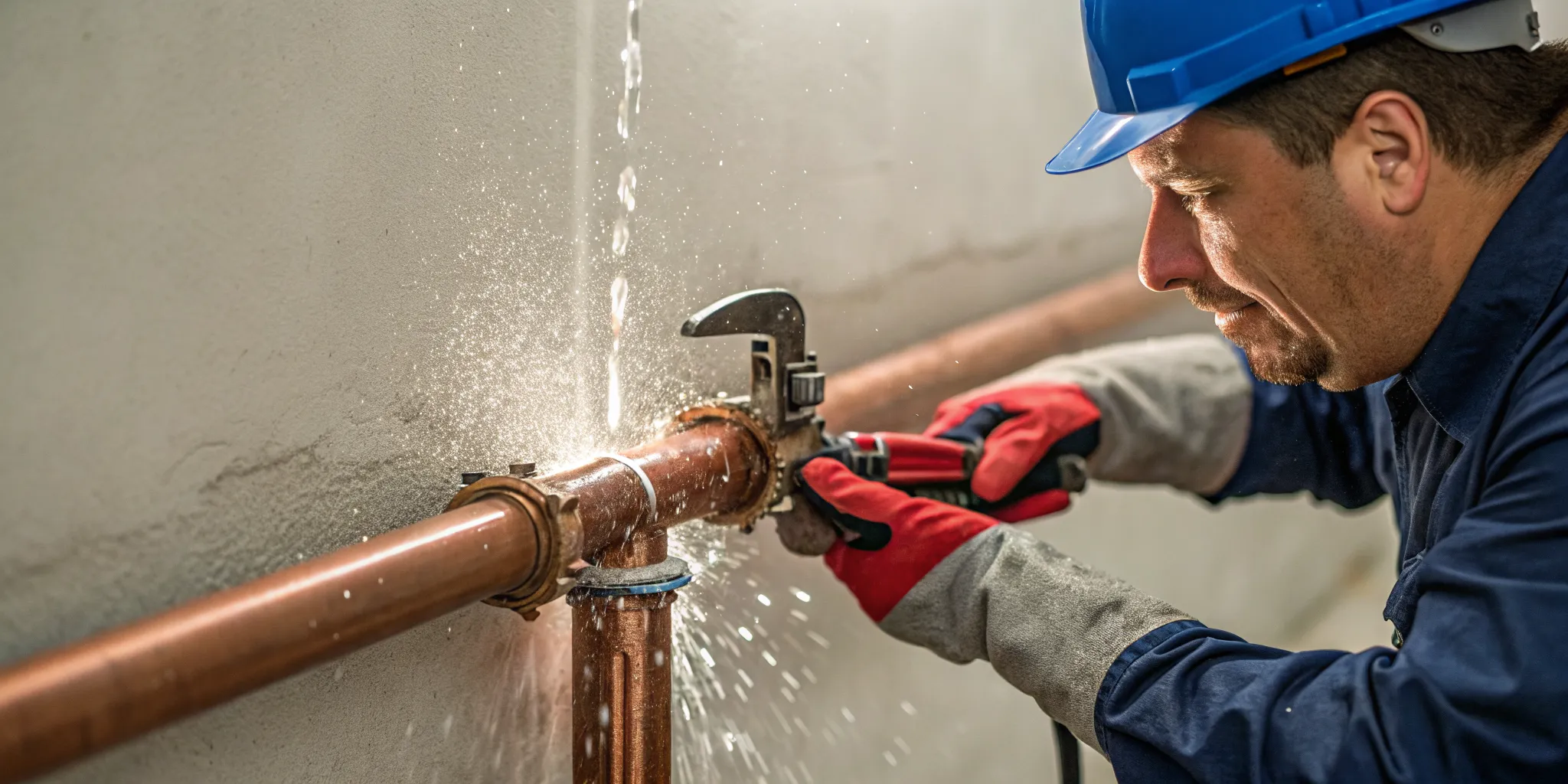
A burst pipe doesn't always start with a dramatic flood. More often, it begins with a subtle warning: a sudden drop in water pressure, a faint hissing sound in the walls, or a water bill that’s unexpectedly high. These are the early signs of a problem that, if ignored, can lead to a catastrophic failure and the need for a major burst pipe repair. Recognizing these signals is the key to catching a leak before it causes serious damage to your home. This guide from Trufinity will teach you how to spot the hidden symptoms of a failing pipe and what to do next to protect your home, whether you live in a Rutland bungalow or a new build in West Kelowna.
Key Takeaways
- Act fast in an emergency: Your first move should always be to shut off the main water supply and the power to any wet areas. This single action is the most effective way to minimize damage while you wait for professional help.
- Prevention is key in the Okanagan: Protect your home from our region’s specific risks by insulating pipes in cold spots, monitoring your water pressure, and scheduling regular maintenance to combat hard water corrosion.
- Know when to call a professional: While a temporary patch can buy you time, a burst pipe requires an expert. A licensed plumber ensures the repair is done safely and permanently, preventing a failed DIY fix from causing a second, more expensive flood.
How to Spot a Burst Pipe
A burst pipe doesn't always announce itself with a dramatic flood. Often, the first signs are subtle and easy to dismiss if you don’t know what to look for. Catching a leak early is the single best thing you can do to prevent catastrophic water damage, protect your home’s value, and avoid a much larger repair bill. If you suspect something is wrong with your plumbing, pay close attention to your home’s signals. A small change can point to a big problem brewing behind your walls or under your floors. Here are the four key warning signs that you might be dealing with a burst pipe.
Sudden drop in water pressure
If turning on your shower feels more like a drizzle than a downpour, take note. A sudden, noticeable drop in water pressure throughout your home is a classic symptom of a burst pipe. When a pipe breaks, water escapes before it reaches your faucets, causing the pressure to fall. Before you panic, check a few different taps in your house (both hot and cold) to confirm the issue isn't just a clogged aerator on a single faucet. If the pressure is low everywhere, it signals a significant leak somewhere in your plumbing system that needs immediate attention.
An unexpected spike in your water bill
Your monthly water bill is a surprisingly useful diagnostic tool. If you receive a bill that is significantly higher than usual but your family’s habits haven’t changed, you likely have a hidden leak. Even a small, steady drip from a cracked pipe can waste hundreds of litres of water over a billing cycle, leading to that shocking total. Don't just pay it and hope it goes away. Pull out your previous bills and compare the usage. A sudden, unexplained spike is your cue to start investigating for a hidden leak.
Damp spots, water stains, or puddles
The most obvious signs of a burst pipe are the ones you can see. Keep an eye out for new water stains on your ceilings, walls, or floors. These often appear as yellowish or brownish rings on drywall and can feel soft or damp to the touch. Check common problem areas, like under sinks, behind toilets, and near appliances like your washing machine or water heater. Whether you're in a Rutland bungalow or a new build in West Kelowna, a mysterious puddle or damp patch means water is escaping from somewhere it shouldn't be. Ignoring it can lead to structural damage and mold growth.
Hissing or running water sounds in your walls
When your house is quiet, listen. Do you hear strange sounds coming from behind the drywall? Hissing, bubbling, or dripping noises when all the taps are off are major red flags. These sounds are often caused by water spraying or running from a cracked pipe inside a wall cavity or floor space. It might be faint at first, but it’s a clear sign that water is escaping. This is one of the earliest warnings you can get, and acting on it quickly can be the difference between a simple plumbing repair and a full-scale restoration project.
Why Okanagan Pipes Are at Higher Risk
Living in the Okanagan offers incredible scenery and a unique lifestyle, but our local environment also presents specific challenges for home maintenance, especially for your plumbing. The combination of freezing winters and mineral-rich water means pipes in our region face more stress than in other parts of BC. Understanding these local risks is the first step in protecting your home from the damage a burst pipe can cause. At TruFinity Plumbing Heating & Cooling, we see firsthand how these factors affect homes from Kelowna to Vernon, and we want you to be prepared.
Freezing winter temperatures
When Okanagan winters arrive, temperatures can easily dip below freezing, with lows of -5°C creating a serious risk for your plumbing. Water expands when it freezes, and this expansion puts immense pressure on the pipes containing it. While flexible PEX pipes have some give, more rigid materials like copper and CPVC can’t stretch and are highly susceptible to cracking or bursting under this strain. Pipes in unheated areas like crawl spaces, garages, or along exterior walls are the most vulnerable. A sudden cold snap is often all it takes to turn a frozen pipe into a major flood, making preventative plumbing repairs and insulation critical for every homeowner in the valley.
Hard water and mineral corrosion
The Okanagan is known for its hard water, which has a high mineral content. While it might not seem like a big deal, these minerals, primarily calcium and magnesium, build up inside your pipes over time. This sediment buildup, or scale, does two things: it narrows the pipe, which can increase water pressure, and it corrodes the pipe material itself. This corrosion slowly weakens the integrity of your plumbing system, making older pipes much more likely to fail. We often see this accelerated wear and tear in the mechanical rooms of Rutland homes and throughout the Upper Mission, where hard water damage can significantly shorten the lifespan of pipes and appliances. Investing in water filtration services can help manage this.
High water pressure in aging pipes
Many beautiful homes in our community have aging plumbing systems that weren't designed to handle the fluctuations of modern water pressure. When high pressure is combined with pipes already weakened by age or mineral corrosion, the risk of a burst pipe increases dramatically. Clogs can also create sudden pressure spikes that a compromised pipe simply can't withstand. Whether it’s an older home in West Kelowna or a sprawling Lake Country acreage property, high water pressure puts constant stress on every joint, valve, and pipe section. If you hear a hammering sound in your walls when you turn off a tap, it could be a sign that your water pressure is too high, and it’s time to have your system inspected before a minor issue becomes a major emergency.
Your Emergency Checklist for a Burst Pipe
A burst pipe can feel overwhelming, but taking the right steps immediately can save you from extensive water damage and costly repairs. The moment you suspect a pipe has burst, your priority is to contain the situation and call for professional help. This checklist walks you through exactly what to do to protect your home and family. Follow these steps in order to manage the emergency safely until a technician from TruFinity Plumbing Heating & Cooling arrives.
Step 1: Shut off your main water supply
This is the most important first step. Stopping the water at its source will prevent thousands of litres from flooding your home. Your main water shut-off valve is usually located in the basement, a crawl space, or a utility closet, often near where the water line enters your house. It might have a wheel-style handle or a lever. Turn the handle clockwise until it’s tight, or turn the lever a quarter-turn until it’s perpendicular to the pipe. Every homeowner in the Okanagan, from Kelowna to Vernon, should know where this valve is before an emergency strikes. If you can’t find it, check your property inspection report.
Step 2: Turn off electricity near the leak
Water and electricity are a dangerous mix. If the burst pipe is near any electrical outlets, appliances, or your breaker panel, you must shut off the power to those areas immediately to prevent the risk of electric shock. Head to your home’s main electrical panel and flip the circuit breakers for all the affected rooms to the "Off" position. If you see standing water anywhere near the breaker box itself, do not touch it. Your safety is the top priority. In this case, wait for a professional from TruFinity to assess the situation when they arrive for the plumbing repair.
Step 3: Open faucets to relieve pressure
After you’ve shut off the main water supply, there’s still water left in your plumbing system. To help drain it quickly and relieve any remaining pressure, open the cold water taps on all the faucets in your house, including sinks and bathtubs. Flush your toilets a few times as well. This action helps direct the remaining water out through your drains instead of through the burst section of the pipe. It’s a simple step that can significantly reduce the amount of water that leaks into your home while you wait for help to arrive.
Step 4: Remove any standing water
The faster you can get rid of standing water, the less damage it will do to your floors, drywall, and belongings. Start by placing a bucket under the leak to catch any remaining drips. Then, use mops, old towels, or a wet-dry shop vacuum to soak up any puddles. If the water has soaked into carpets, pull them up if possible to allow the subfloor to dry. Acting quickly can be the difference between a simple cleanup and a major restoration project involving mold remediation, especially in damp basement mechanical rooms in areas like Rutland or West Kelowna.
Step 5: Document the damage for insurance
Once the immediate crisis is under control, grab your phone and start documenting everything. Take clear photos and videos of the burst pipe, the standing water, and any damage to your walls, floors, furniture, and other personal items. This evidence is essential when you file a claim with your home insurance provider. A detailed record makes the claims process much smoother and helps ensure you receive fair compensation for the repairs and any necessary replacements. Don't move or throw anything away until you’ve documented it thoroughly from multiple angles.
Step 6: Call for emergency plumbing repair
With the immediate dangers managed, it’s time to call in the experts. A burst pipe is a serious issue that requires a professional repair to ensure it’s fixed correctly and safely. TruFinity Plumbing Heating & Cooling offers 24/7 emergency service across the Okanagan, with dedicated on-call technicians ready to respond. Don’t attempt a DIY fix, as an improper repair can fail and cause even more damage down the road. Our Red Seal plumbers have the tools and expertise to locate the break, replace the damaged section of pipe, and get your water running again safely.
Common Mistakes to Avoid in a Pipe Emergency
When you’re facing a burst pipe, it’s easy to feel overwhelmed. In the rush to stop the water, homeowners can sometimes make mistakes that worsen the damage or create new safety hazards. Knowing what not to do is just as important as following the right steps. A little bit of knowledge can help you stay calm, protect your property, and make smart decisions under pressure. By avoiding these common pitfalls, you can manage the situation effectively until a professional arrives to take over. Let’s walk through the key mistakes to steer clear of during a plumbing emergency.
Forgetting to shut off water and power
In the chaos of a burst pipe, your first instinct might be to grab towels, but the most critical first step is stopping the source. Forgetting to shut off your home’s main water valve is the biggest mistake you can make. This single action prevents thousands of litres of water from flooding your home, saving you from extensive damage. Just as crucial is addressing the electrical risk. Water and electricity are a dangerous combination. If the leak is near outlets, appliances, or your electrical panel, you must shut off the power to the affected area at the breaker box immediately to prevent the risk of electric shock. Your safety and minimizing damage are the top priorities.
Underestimating the water damage
It’s easy to look at a small crack or a steady drip and think it’s manageable. However, even a tiny fissure in a pipe can release a surprising amount of water, quickly saturating drywall, flooring, and insulation. Water damage begins within minutes, and serious problems like mold can start to develop in as little as 24 to 48 hours, especially in enclosed spaces like the mechanical rooms in many Rutland homes. Don't let the initial appearance fool you. Prompt action is essential to prevent a small leak from turning into a major restoration project. Getting the water removed and the area dried professionally is a key part of any plumbing repair.
Using the wrong materials for a temporary fix
When water is spraying, reaching for duct tape or a generic sealant can feel like a good idea, but these DIY fixes rarely work on pressurized water lines. These materials aren't designed to hold back the force of your home's water pressure and are likely to fail, sometimes making the leak even worse. Attempting a repair without the right tools or experience can damage the pipe further, turning a straightforward fix into a complex and expensive one. Instead of trying a temporary patch, your time is better spent shutting off the water and clearing the area. A professional plumber will have the proper clamps, fittings, and materials to secure the pipe correctly.
Waiting too long to call a professional
Hesitation is the enemy in a plumbing emergency. Every minute you wait to call for help is another minute that water is causing damage to your home’s structure and creating an environment for mold. Some homeowners delay calling a plumber, worried about after-hours fees or thinking they can handle it themselves. This delay almost always leads to more significant damage and higher costs in the long run. TruFinity Plumbing Heating & Cooling offers 24/7 emergency service for this very reason. Plus, our TruLoyalty+ members never pay after-hours rates, removing that financial worry. The moment you realize you have a burst pipe, your first call should be to a professional.
Should You DIY a Burst Pipe Repair?
When you’re facing a burst pipe, the instinct to jump in and fix it yourself is completely understandable. The sight of water pooling on your floor can make anyone want to take immediate action. While that hands-on spirit is admirable, a burst pipe is one of those home repairs where a DIY attempt can quickly turn a bad situation into a catastrophic one. An improper fix might seem to hold at first, only to fail later and cause even more extensive water damage.
The unique conditions here in the Okanagan, from our mineral-rich hard water that corrodes pipes from the inside out to the risk of freezing in winter, add another layer of complexity. What works for a simple leak under the sink might not be enough for a pipe that has failed under pressure. Making the right call between a temporary patch and a professional repair is key to protecting your home and your wallet. Let’s walk through what you can safely do yourself and when it’s time to call in the experts at TruFinity Plumbing Heating & Cooling.
Temporary fixes that can buy you time
After you’ve shut off the main water supply, your primary goal is to contain the situation until a professional can arrive. You aren’t looking for a permanent solution, just a way to minimize the mess. For small pinhole leaks or cracks, you can apply a temporary patch. You can find pipe repair clamps or silicone repair tape at most hardware stores. These products are designed to wrap around the pipe and create a temporary seal. Remember, this is a short-term fix. These patches are not designed to withstand constant water pressure over the long run, especially on pipes weakened by corrosion. Think of it as first aid for your plumbing; it stops the bleeding but doesn’t heal the wound.
When you must call a licensed plumber
Some situations are simply too risky for a DIY approach. You should always call a licensed plumber if the burst pipe is located inside a wall, ceiling, or crawlspace. Cutting into drywall or flooring to access plumbing requires expertise to avoid damaging structural components or electrical wiring. You should also leave any repairs involving your main water line or pipes near your electrical panel to the pros. If you’re dealing with a complex web of connections, like in the mechanical room of a Rutland home, it’s best to get professional help. Ultimately, if you feel even slightly unsure about the repair, that’s your cue to pick up the phone. A professional plumbing repair ensures the job is done right the first time.
What a professional repair involves
When a Trufinity technician arrives, their work goes beyond just patching the leak. First, they’ll perform a full assessment to find the exact location and cause of the burst. This is critical for preventing it from happening again. The repair itself involves cutting out the damaged section of pipe and replacing it with new, high-quality materials that are suited for our local water conditions. They will then carefully solder or fit the new section into place, ensuring a secure, leak-proof connection that restores the integrity of your entire plumbing system. This professional approach guarantees a permanent solution and gives you the peace of mind that your home is protected from future water damage.
What Does Burst Pipe Repair Cost?
When you’re dealing with a burst pipe, the first question on your mind after "How do I stop the water?" is usually "How much will this cost?" The truth is, there’s no one-size-fits-all answer. The final bill for a burst pipe repair can range from a few hundred to several thousand dollars, depending on the situation. The cost is tied to several key variables, from the pipe’s location to the extent of the water damage.
Understanding these factors can help you get a clearer picture of what to expect. While it’s an unexpected expense, a professional repair is an investment in protecting your home from more significant, costly problems down the road. At TruFinity Plumbing Heating & Cooling, we believe in transparent pricing and making sure you understand the scope of the work before we begin.
Factors that influence the final price
The final price for a burst pipe repair depends on a few key things. First is the pipe's location. A pipe that bursts under a sink in an open cabinet is much easier and cheaper to access than one hidden behind a tiled shower wall. The more demolition and subsequent repair work required to reach the pipe, the higher the labor costs will be.
The type of pipe also matters. Materials like copper and PEX have different costs and require specific tools and expertise. Finally, the time of day is a major factor. An emergency call in the middle of the night or on a holiday will naturally cost more than a scheduled appointment during business hours. These emergency plumbing repairs ensure a technician is available 24/7 to prevent catastrophic damage.
How TruLoyalty+ membership reduces emergency fees
Emergency fees can add a significant amount to your final bill, but this is one area where you can have more control. This is where our TruLoyalty+ membership program really shines. Members of TruLoyalty+ pay no after-hours or emergency rates, which can save you a substantial amount of money when you need help most. It’s our way of giving you peace of mind, knowing you can call us anytime without worrying about premium charges.
While your homeowner's insurance may cover sudden water damage, having a plan in place to reduce upfront costs is always a smart move. The TruLoyalty+ membership is designed to help you manage your home’s systems proactively and save money on unexpected repairs, ensuring you get priority service when every minute counts.
How to Prevent Burst Pipes
The best way to deal with a burst pipe is to prevent it from ever happening. Taking a few proactive steps can save you from the stress, mess, and expense of an emergency water leak. For homeowners in the Okanagan, prevention is especially important. Our cold winters and notoriously hard water create a perfect storm for pipe problems. By paying a little attention to your plumbing system, you can protect your home and your peace of mind. Here are four key areas to focus on.
Insulate pipes in unheated areas
One of the biggest risks to your pipes during an Okanagan winter is freezing. When water freezes, it expands, putting immense pressure on your pipes until they crack or burst. The most vulnerable pipes are those in unheated or poorly insulated spaces like crawl spaces, basements, garages, and attics. This is especially true for homes in areas like Lake Country or the Upper Mission where properties can be more exposed to the elements. A simple and effective solution is to insulate your pipes. You can find affordable foam pipe sleeves or fiberglass insulation at any hardware store. Wrapping your pipes creates a thermal barrier that keeps them from reaching freezing temperatures. It’s a small weekend project that can prevent a catastrophic failure when the temperature drops.
Monitor your home's water pressure
Think of high water pressure as a constant stress test on your entire plumbing system. While strong water flow in the shower feels great, pressure that’s too high can strain pipe joints, fittings, and even your appliances, leading to premature failure. In the Okanagan, where hard water minerals can already cause corrosion and weaken pipes over time, high pressure is an even greater threat. You can easily check your home’s pressure with an inexpensive gauge that screws onto an outdoor hose bib. Ideally, your home’s water pressure should be between 40 and 60 PSI. If it’s consistently higher, it’s time to call a professional. A plumber from TruFinity Plumbing Heating & Cooling can assess your system and install or adjust a pressure-reducing valve to protect your pipes from unnecessary strain.
Schedule regular plumbing maintenance
The most reliable way to prevent a plumbing emergency is to catch small issues before they become big problems. Scheduling regular plumbing maintenance allows a trained professional from Trufinity to give your system a thorough check-up. During an inspection, our Red Seal plumbers look for subtle signs of trouble, like minor corrosion, pinhole leaks, and sediment buildup in your water heater, which is a common issue in Kelowna and Penticton. Our TruLoyalty+ membership program is designed to make this easy, often including an annual inspection. This proactive approach not only extends the life of your plumbing system but also gives you confidence that everything is in good working order. It’s a simple investment that helps you avoid the surprise and cost of a sudden pipe burst.
Watch for mold as a sign of hidden leaks
Sometimes, the first sign of a water leak isn’t a puddle on the floor but a musty smell or a dark spot on your wall. Mold thrives in damp environments and can be a clear indicator of a slow, hidden leak behind a wall, under a floor, or in a ceiling. Be vigilant for these signs, especially in basements, bathrooms, and laundry rooms. A small patch of mold in a Rutland mechanical room or under a kitchen sink could point to a persistent drip you can’t see. If you spot mold, don’t just clean it up and forget about it. It’s crucial to find and fix the source of the moisture. A hidden leak will continue to cause structural damage and compromise your home’s air quality. Contacting TruFinity Plumbing Heating & Cooling for professional leak detection can pinpoint the problem so it can be repaired for good.
Why Call TruFinity for Your Emergency?
When water is spraying from a burst pipe, the last thing you want to do is scroll through search results, wondering who to trust. You need a team that’s fast, reliable, and knows exactly how to handle plumbing emergencies in the Okanagan. At TruFinity Plumbing Heating & Cooling, we’ve built our reputation on being that team. We combine expert craftsmanship with genuine care to get your home back to normal as quickly as possible. When you’re facing a plumbing crisis, making one call to us is the only step you’ll need to take after you’ve secured the scene.
24/7 service with fast response times
A burst pipe is a true emergency where every minute counts. Water can quickly damage floors, walls, and furniture, leading to expensive repairs and potential mold growth. That’s why our team at TruFinity Plumbing Heating & Cooling is available 24/7 for emergency plumbing repairs. We guarantee same-day service for all emergency calls received before 2 PM and commit to a 45-minute average response time within our primary service areas. Whether you’re in Kelowna or Penticton, you can count on us to arrive quickly and get to work immediately. Quick response times are proven to significantly reduce the extent of water damage, saving you stress and money in the long run.
Our Red Seal plumbers and certified technicians
When you call for an emergency repair, you need to know the person arriving at your door is a qualified expert. Our team is made up of Red Seal plumbers and NATE-certified technicians, which means they have met the highest national standards for their trade. This level of certification ensures they have the skill to accurately diagnose the problem and perform a lasting repair, not just a temporary patch. Homeowners across the Okanagan trust our expertise, and our 585 Google reviews with an average 4.9-star rating reflect our commitment to quality work and customer satisfaction. With Trufinity, you can feel confident that your home is in capable hands.
Waived after-hours fees with TruLoyalty+ membership
Plumbing emergencies rarely happen during convenient business hours. Unfortunately, many companies charge steep after-hours or weekend fees, adding financial strain to an already stressful situation. We believe you shouldn’t be penalized for having an emergency. Our TruLoyalty+ membership program is designed to give you peace of mind by waiving all after-hours and emergency rates. As a member, you get priority service and pay the same fair price no matter what time or day you need us. It’s one of the most valuable benefits of our membership, ensuring you can always afford to make the call when you need help the most.
Related Articles
- What to Do When a Pipe Bursts
- Emergency Burst Pipe Repair
- Cost to Fix a Burst Pipe 2025: Price Guide | TruFinity Blog
Frequently Asked Questions
What if I can't find my main water shut-off valve in an emergency? It’s a stressful moment, but don’t panic. Your main shut-off valve is most often found in a basement, crawl space, or utility closet, usually near the front of the house where the water line enters. If you have a property inspection report from when you bought your home, its location should be noted there. Finding this valve is a great five-minute task to do on a calm weekend. If you're in the middle of a crisis and truly can't find it, our TruFinity Plumbing Heating & Cooling technicians can locate and shut it off for you as soon as they arrive.
Is insulating my pipes really enough to prevent them from freezing? Insulating pipes in unheated areas is your best first line of defense and significantly reduces the risk of freezing. However, during a severe Okanagan cold snap, even insulated pipes can be at risk. For extra protection on the coldest nights, you can let a faucet connected to a vulnerable pipe drip slowly to keep the water moving. The combination of insulation and keeping your home adequately heated is the most effective strategy to prevent a frozen pipe disaster.
Will my home insurance cover the cost of a burst pipe repair? Generally, most standard home insurance policies will cover the sudden and accidental water damage caused by a burst pipe, which includes things like ruined flooring, drywall, and furniture. However, the policy often does not cover the cost of the actual plumbing repair itself. It's also important to know that damage from slow leaks caused by a lack of maintenance may not be covered. This is why documenting the damage and calling for a professional repair immediately is so important for a smooth claims process.
My house is new, so do I still need to worry about burst pipes? Yes, even new homes are at risk. While your pipes are not weakened by age, they are still vulnerable to the Okanagan's freezing winter temperatures if they run through uninsulated spaces. New construction can also sometimes have improperly set water pressure, and high pressure puts a lot of stress on any plumbing system. Our region's hard water also begins to affect pipes from day one, so preventative maintenance is a smart strategy for every homeowner, regardless of the house's age.
How quickly can a plumber actually get to my house in an emergency? We understand that when water is flooding your home, time is critical. TruFinity Plumbing Heating & Cooling has dedicated technicians on call 24/7 specifically for these situations. We commit to a 45-minute average response time within our primary service areas across the Okanagan. When you call our emergency line, our priority is to dispatch an expert to your home as quickly as possible to stop the damage and begin the repair.



.webp)