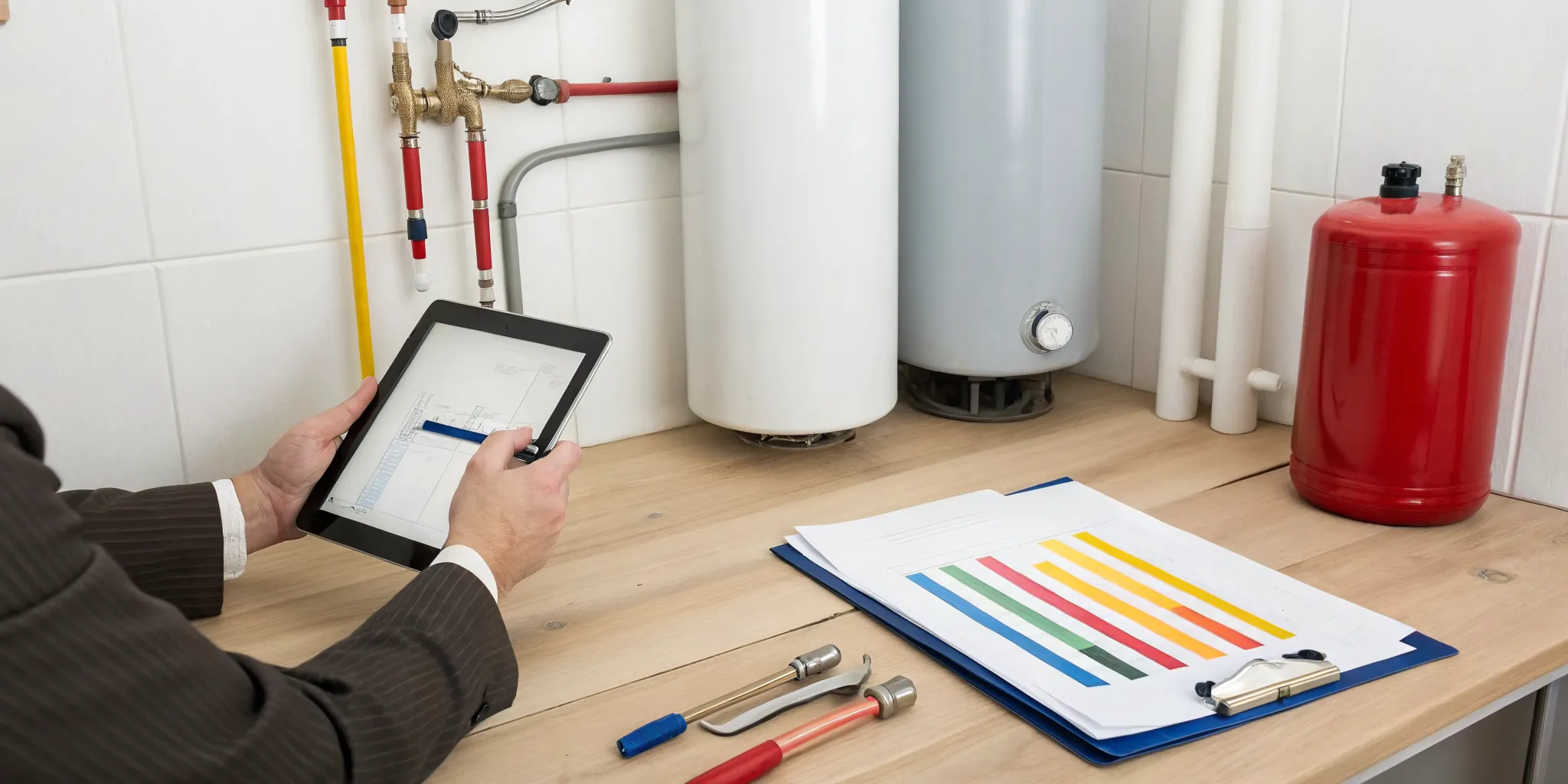
If you live in the Okanagan, you know our local conditions can be tough on home appliances. The hard, mineral-rich water from Kelowna to Penticton causes sediment to build up in water heaters, forcing them to work harder and fail sooner. This local factor plays a significant role in the overall water heater replacement cost and the type of unit you should choose. At TruFinity Plumbing Heating & Cooling, we see this every day. We created this guide to help you understand the costs, why professional installation matters, and how to make a smart investment for your home.
Key Takeaways
- Look beyond the sticker price: The total cost for a new water heater includes the unit itself plus professional labor, parts, and disposal fees. Your final price will depend on the heater type (tank vs. tankless), its size, and your home's specific installation needs.
- Protect your heater from Okanagan's hard water: Our local water causes mineral buildup that shortens your heater's lifespan and increases energy use. An annual tank flush is the best way to prevent this damage and keep your unit running efficiently.
- Prioritize professional installation for safety and value: A licensed technician ensures your installation is safe, meets local codes, and protects your warranty. Working with a professional company also gives you access to financing, making a high-efficiency upgrade more manageable.
How Much Does a New Water Heater Cost in the Okanagan?
When your water heater starts to fail, the first question on your mind is usually about the cost. The truth is, the price for a full replacement involves more than just the unit itself. It includes the heater, professional labor, parts, and sometimes permits and disposal fees. While every project is different, understanding the typical costs and the factors that influence them can help you budget for this important home investment.
As a trusted provider of plumbing and heating solutions in the Okanagan, TruFinity Plumbing Heating & Cooling believes in transparent pricing. We want you to have a clear picture of what to expect. Below, we’ll break down the average costs and explain why prices can vary, especially here in our local communities from Kelowna to Penticton.
What to Expect: Average Cost Ranges
Based on broad market data, homeowners can generally expect the cost to replace a standard water heater to fall between $880 and $1,810. This range typically covers both the new unit and the cost of professional installation. Of course, this is just a ballpark figure. The final price depends heavily on the type of unit you choose, its size, and the specifics of your home’s setup. Because a new water heater is a significant purchase, many homeowners explore financing options to manage the cost without draining their savings. Getting a detailed, written quote is the only way to know for sure what your specific replacement will cost.
Why Local Factors Affect Your Price
The final number on your invoice is a combination of several key costs. The price of the water heater itself is just one piece. Professional labor makes up a large portion of the bill, and rates can vary between providers. You also have to account for any extra parts needed for the installation, like new pipes or fittings. In many cases, a municipal permit is required, which can add a small fee to the total. Finally, the safe disposal of your old unit comes with its own cost. At TruFinity, our quotes are comprehensive, ensuring you see a clear breakdown of all these factors before any plumbing work begins.
What Affects Your Water Heater Replacement Cost?
Figuring out the cost of a new water heater isn't as simple as looking at a price tag. The final number on your invoice is a mix of the unit itself and several other important factors. From the type of heater you choose to where it’s located in your home, each detail plays a role in the total investment. Understanding these variables helps you see exactly where your money is going and allows you to make the best choice for your home and budget. Let's break down the key components that influence the cost of a water heater replacement in the Okanagan.
Unit Type and Size
The biggest factor in your replacement cost is the water heater itself. A standard tank-style heater is the most common and generally the most affordable option, with unit prices often falling between $600 and $2,500. On the other hand, a tankless water heater, which heats water on demand, can range from $1,400 to $3,900. While the upfront cost is higher, tankless models can save you money on energy bills over their 20-year lifespan.
Size also matters. A smaller 30-gallon tank suitable for a small condo might cost between $700 and $2,100, while a large 80-gallon unit needed for a big family in a Lake Country home could run from $1,300 to $7,500.
Gas vs. Electric
Your home’s existing infrastructure plays a huge part in the cost. If you’re simply swapping an old electric model for a new one, the installation is usually straightforward. The same goes for replacing a gas unit with another gas unit. However, if you decide to switch fuel types, like moving from an electric heater to a more efficient gas model, the cost will increase.
This kind of switch requires significant changes to your home's systems. A professional from TruFinity Plumbing Heating & Cooling would need to run new gas lines, install proper ventilation for exhaust, and potentially upgrade electrical circuits. These modifications add labor and material costs to the project, making the initial installation more complex than a simple replacement.
Installation Location and Complexity
Where is your water heater located? An easily accessible spot in a West Kelowna basement makes for a quicker, more affordable installation. However, if your unit is tucked away in a tight closet, a cramped crawl space, or a hard-to-reach attic, the job becomes more challenging. Our technicians at TruFinity Plumbing Heating & Cooling have seen it all, from complex mechanical rooms in Rutland to tight spaces in new builds.
Difficult installations require more time, specialized maneuvering, and sometimes extra materials to ensure everything is safe and up to code. The more complex the job, the higher the labor cost will be, reflecting the extra effort needed for a secure and professional installation.
Labor, Permits, and Disposal
The price of the water heater is just one piece of the puzzle. Professional labor typically makes up a large portion of the total replacement cost. Hiring a licensed and insured technician from Trufinity ensures the job is done right, protecting your home from potential leaks or hazards.
Additionally, many municipalities in the Okanagan require a permit for a new water heater installation, especially if you're changing the type or location. This can add a small fee to your total cost but guarantees the work meets local safety codes. Finally, your old, heavy water heater needs to be properly disposed of. This service is usually included in your quote from a professional company, saving you the hassle of hauling it away yourself.
Brand and Warranty
When you choose a new water heater, you’re also choosing a brand and its warranty. Some brands may have a higher upfront cost but come with a reputation for reliability and a longer, more comprehensive warranty. A strong manufacturer's warranty can protect you from defects, while a workmanship guarantee from your installer, like TruFinity Plumbing Heating & Cooling, covers the installation itself.
Investing in a quality unit and a professional installation can save you from future headaches and expensive repairs. It’s tempting to go with the cheapest option, but a poorly installed unit can lead to leaks and water damage. Checking a company’s reviews can give you confidence that you’re making a smart long-term investment in your home’s comfort and safety.
Tank vs. Tankless: A Cost Comparison
One of the biggest decisions you'll make when replacing your water heater is choosing between a traditional tank model and a modern tankless one. The right choice comes down to more than just the sticker price. You’ll want to consider your family’s hot water usage, your long-term budget, and the physical space in your home. A standard tank heater stores a large volume of water and keeps it continuously hot, while a tankless unit heats water instantly, right when you need it. Each has its own set of benefits and costs, both upfront and over the life of the appliance.
Thinking about the initial investment versus long-term energy savings is key. A lower-cost unit might save you money today, but a more efficient model could lower your utility bills for years to come. Let’s break down the costs and features of each type to help you find the perfect fit for your home.
Standard Tank Heaters
A standard tank water heater is what most of us picture: a large cylindrical tank that holds and heats anywhere from 40 to 80 gallons of water. Their main advantage is a lower initial cost. The average cost to replace a water heater with a standard model is often more budget-friendly, making it an accessible option for many homeowners. Installation is also typically simpler, especially if you are replacing a similar unit.
However, these tanks constantly use energy to keep the stored water hot, which can lead to higher utility bills. They also have a shorter lifespan, particularly here in the Okanagan where hard water can cause sediment to build up and accelerate wear and tear.
Tankless (On-Demand) Heaters
Tankless water heaters, also known as on-demand heaters, provide hot water the moment you turn on the tap. Because they don't store water, they are far more energy-efficient and can significantly reduce your monthly energy costs. While the upfront investment for tankless water heaters is higher, they can last up to 20 years or more with proper maintenance. Plus, you’ll never have to worry about running out of hot water again.
Another benefit is their compact size. These units are wall-mounted and save valuable floor space in your utility room or basement. The main drawback is the higher initial price and potentially more complex installation, which might require updates to your home's electrical or gas lines.
Hybrid and Solar Options
If maximizing energy efficiency is your top priority, hybrid and solar water heaters are excellent alternatives. A hybrid water heater combines a traditional tank with an electric heat pump. It works by pulling heat from the surrounding air to warm the water, making it incredibly efficient.
Solar water heaters use energy from the sun to heat your water, offering the most significant long-term savings on your utility bills. While the upfront cost to replace a hot water heater with a solar or hybrid model is the highest, the return on investment can be substantial, especially for homeowners planning to stay in their property for many years. These systems are a fantastic way to reduce your home's carbon footprint.
Which Type Is Right for You?
So, how do you choose? If your priority is a lower upfront cost, a standard tank heater is a reliable and straightforward choice. It gets the job done without a major initial investment. However, if you’re looking for long-term savings, endless hot water, and a smaller environmental footprint, a tankless unit is a smart investment that pays for itself over time.
Consider your household’s daily hot water demand and your long-term plans. For Okanagan homeowners, it's also wise to think about how our hard water affects these systems. No matter which you choose, pairing it with a water filtration system can extend its life. The team at TruFinity Plumbing Heating & Cooling can walk you through the options and even discuss financing to make your investment more manageable.
Why Water Heaters Fail Faster in the Okanagan
If you’ve ever felt like your appliances don’t last as long as they should, you’re not imagining things. Water heaters in the Okanagan face a unique set of challenges that you won’t find in places with milder climates or softer water. The combination of our mineral-rich water and seasonal temperature swings puts extra stress on these essential home appliances. At TruFinity Plumbing Heating & Cooling, we see the results firsthand in homes all across the valley. Understanding these local factors is the first step in making smarter decisions about maintenance and replacement, helping you protect your investment and ensure you always have hot water when you need it. From basement installs in West Kelowna to mechanical rooms in Rutland, the story is often the same: our local environment is tough on water heaters.
Hard Water and Sediment Buildup
The biggest challenge for water heaters in our region is the water itself. The Okanagan has notably hard water, which means it’s packed with minerals like calcium and magnesium. While harmless to drink, these minerals cause big problems inside your water heater. As water heats up, the minerals separate and settle at the bottom of the tank, forming a thick layer of sediment. This crusty buildup forces your heater to work much harder to heat the water, driving up your energy bills and putting strain on the components. Over time, this sediment can cause the tank to overheat, leading to premature failure and an unexpected replacement.
Common Electric Tank Failures
For homes with electric water heaters, that layer of sediment is especially destructive. The heating elements are typically located at the bottom of the tank, right where all that mineral sludge accumulates. The sediment insulates the elements, causing them to overheat and burn out. Our technicians at Trufinity often find that the primary cause of failure in local electric tanks is a burned-out element caked in mineral scale. This is a common water heating issue that is significantly accelerated by the Okanagan’s water quality, often shortening a unit's expected lifespan by several years if it’s not properly maintained.
Stress from Seasonal Temperature Swings
Another factor unique to our region is the dramatic swing in temperatures between our hot summers and cold winters. This affects the temperature of the groundwater entering your home. In the winter, your water heater has to work much harder to raise the frigid water to the desired temperature. This constant expansion and contraction of the metal tank due to seasonal temperature changes can cause stress fatigue over time. This can lead to weakened seams and micro-fractures, eventually resulting in leaks that can cause significant water damage, whether you're in an Upper Mission home or a Lake Country acreage property.
Why Annual Flushing Is Critical Here
Given our hard water, annual flushing isn't just a recommendation; it's essential maintenance for any Okanagan homeowner. Flushing the tank clears out the accumulated sediment, preventing it from hardening and damaging your heating elements or the tank itself. While a homeowner in a coastal city might get away with flushing every few years, the mineral content here is so high that a year's worth of buildup can be substantial. Proper water heater maintenance, including a yearly flush, is the single most effective thing you can do to extend the life of your unit, improve its efficiency, and avoid a sudden and costly replacement.
5 Signs You Need a New Water Heater
Not sure if your water heater is on its last legs? Some signs are subtle, while others are impossible to ignore. If you notice any of these five warnings, it’s a good idea to start planning for a replacement before you’re left with a cold shower and a flooded basement.
1. It's Reached a Certain Age
Most standard tank water heaters last about 8 to 12 years. If your unit is approaching the decade mark, it’s time to think about a replacement. Here in the Okanagan, our notoriously hard water can be tough on appliances, sometimes shortening that lifespan if the unit isn't flushed annually. You can usually find the manufacturing date on a sticker on the side of the tank. If you're unsure how old your unit is, the team at TruFinity Plumbing Heating & Cooling can perform a professional plumbing inspection to give you a clear picture of its health and remaining life.
2. You See Rust or Leaks
Visible rust on the tank or rusty water coming from your taps are major red flags. Rust-colored water means the inside of your tank is corroding, and a full-blown failure might not be far behind. Even a small, slow leak at the base of the unit is a sign of a serious problem. Water damage from a burst tank can be catastrophic and expensive to repair, so this is a warning you can't afford to ignore. If you spot any signs of leaking or corrosion, it's time to call a professional immediately to assess whether a repair is possible or if a water heater replacement is the safer option.
3. You Hear Strange Noises
Is your water heater making popping, rumbling, or banging sounds? That noise is often a cry for help. It's typically caused by layers of hardened sediment from our region's hard water that have settled at the bottom of the tank. When the burner kicks on, it heats the water trapped under this sediment, causing it to boil and create those strange sounds. This process is not only inefficient, driving up your energy bills, but it also puts immense stress on the tank, which can lead to cracks and leaks. Installing a water filtration system can help protect your next water heater from this exact issue.
4. Your Hot Water Is Unreliable
If your morning shower is turning lukewarm faster than it used to or you're running out of hot water completely, your water heater is failing to keep up. This could be due to a faulty heating element, a broken dip tube, or simply that the tank is so full of sediment that there's less room for hot water. While some issues can be repaired, a consistent lack of hot water in an older unit usually means its best days are behind it. A new, properly sized water heater from Trufinity will ensure you have the reliable hot water your family needs, whenever you need it.
5. Repairs Cost More Than Half the Price of a New Unit
As a general rule, if a repair for your aging water heater costs more than 50% of the price of a new one, replacement is the smarter financial move. Pouring money into an old, inefficient unit that is likely to have more problems soon is rarely a good investment. Instead, you can put that money toward a modern, energy-efficient model that will provide reliable performance and lower utility bills for years to come. TruFinity Plumbing Heating & Cooling offers flexible financing options to make upgrading your system more manageable for your budget.
Don't Forget These Additional Costs
When you’re budgeting for a new water heater, it’s easy to focus on the price tag of the unit itself. But the final invoice often includes several other essential items that contribute to the total cost. Think of it like buying a car; the sticker price is just the starting point. A professional installation includes labor, necessary upgrades to meet current codes, and the safe removal of your old unit. At TruFinity Plumbing Heating & Cooling, we believe in total transparency, so we make sure our quotes cover everything needed for a safe and reliable installation.
Understanding these additional costs helps you create a realistic budget and avoid surprises. These aren't "hidden fees" but rather necessary components of a proper replacement. They ensure your new water heater operates efficiently, safely, and in compliance with local regulations. If the total cost feels a bit steep, remember that TruFinity Plumbing Heating & Cooling offers flexible financing options to make the investment more manageable for your family. A new, efficient water heater is a long-term investment in your home’s comfort and value, and getting the installation right from the start is key.
New Pipes, Vents, or Fittings
It’s rare for a new water heater to slot perfectly into the exact space and connections of the old one. Over time, pipes and fittings can corrode, and building codes can change. Your technician may need to replace sections of pipe, upgrade gas lines, or install new vents to ensure everything is safe and up to standard. If you're switching from a standard tank to a tankless model, the venting and plumbing requirements are completely different. These new materials are a crucial part of the job, ensuring your system runs safely and efficiently for years to come.
Permits and Code Inspections
A professional water heater installation isn't just a swap-out; it's a project that must comply with local and provincial safety codes. In British Columbia, this often requires pulling a permit and scheduling an inspection to verify the work was done correctly. This is not a step you want to skip. A permitted and inspected installation ensures the safety of your home and family, and it's often required for insurance purposes. Our licensed technicians at Trufinity handle the entire permit process for you, giving you peace of mind that everything is done by the book.
Old Unit Disposal Fees
Once your shiny new water heater is installed, what happens to the old one? A 40- or 50-gallon tank is a heavy, bulky appliance that you can’t just leave on the curb. Most professional installation quotes include a fee for hauling away and properly disposing of your old unit. This service saves you the major headache of figuring out how to transport it to a designated recycling or disposal facility. It’s a small price to pay for the convenience of having the old tank gone without any extra effort on your part.
A Water Filtration System
Here in the Okanagan, our hard water is tough on appliances, especially water heaters. If you're already investing in a new unit, the smartest thing you can do is protect it from day one. Installing a water filtration system is one of the best ways to combat the mineral and sediment buildup that causes water heaters to fail prematurely in our region. While it's an additional upfront cost, a filtration system extends the lifespan of your new water heater, improves its efficiency, and protects all the other water-using appliances in your home. It’s an investment that truly pays for itself.
Why Professional Installation Pays for Itself
When your water heater gives out, the idea of saving a few dollars with a DIY replacement can be tempting. But this is one home project where hiring a professional is an investment in your home’s safety, the lifespan of your new appliance, and your own peace of mind. A professional installation from TruFinity Plumbing Heating & Cooling ensures every connection is secure and every setting is correct, protecting your home and family from preventable risks.
Safety, Licensing, and Peace of Mind
Replacing a water heater involves working with high-voltage electricity, gas lines, and complex plumbing. A small mistake can lead to serious dangers, including water damage, carbon monoxide exposure, or even fire. Hiring a licensed and insured professional from TruFinity Plumbing Heating & Cooling eliminates these hazards. Our technicians are fully certified and know the local building codes in Kelowna and across the Okanagan. This guarantees your installation is done right, protecting your manufacturer's warranty and your home insurance, both of which can be voided by improper installation. You can rest easy knowing the job was handled by trusted experts, a commitment you can see in our customer reviews.
The Professional Installation Process
A professional installation is much more than just swapping an old unit for a new one. Our skilled technicians have gone through extensive training to manage every part of the job correctly and safely. The process includes a full assessment, safely disconnecting and removing your old unit, and ensuring the new heater is sized properly for your household’s needs. We handle all the necessary venting, connections, and pressure checks to guarantee optimal performance. At Trufinity, we manage all the details so your new water heater works flawlessly from the moment we’re done with our plumbing services.
Access to Financing Options
A new water heater is often an unexpected and significant expense. You shouldn't have to drain your emergency savings or rely on a high-interest credit card to get the hot water your family needs. When you work with a professional company, you gain access to better payment solutions. TruFinity Plumbing Heating & Cooling offers convenient financing options that allow you to spread the cost over time with manageable monthly payments. This makes it easier to afford the right high-efficiency unit for your home without the financial stress, turning an urgent problem into a smart, affordable upgrade.
Get Your Accurate Quote from TruFinity Plumbing Heating & Cooling
When you’re facing a water heater replacement, it’s natural to look for ballpark figures online. While some sources suggest an average cost between $882 and $1,807, these numbers are just a starting point. They often don’t account for the unique factors of your home, especially here in the Okanagan. Things like updating pipes to meet current codes, the complexity of the installation space in a Rutland basement, or addressing existing hard water damage can all affect the final price. The only way to get a firm, reliable number is with a personalized quote from a professional.
At TruFinity Plumbing Heating & Cooling, we provide detailed, on-site assessments to give you a complete picture of the costs. Our experienced technicians will evaluate your current setup, discuss the best options for your home and budget, and explain every line item in your written estimate. There are no hidden fees or surprises, just transparent pricing you can trust. We believe in "True Service, Infinite Care," which starts with giving you all the information you need to make a confident decision.
A new water heater is a significant investment in your home’s comfort and efficiency. To make it more manageable, we offer flexible financing options to fit your budget. Don’t rely on generic estimates that can’t see the full picture. Contact the team at Trufinity today to schedule your accurate, no-obligation quote and get the peace of mind that comes with professional service.
Related Articles
- Hot Water Tank Replacement Cost in Kelowna: A Detailed Breakdown
- How Much to Install a Tankless Water Heater: A Breakdown
- Understanding the True Cost of Electric Hot Water Tank Installation in Kelowna
Frequently Asked Questions
Why is my quote different from the average costs I see online? Online cost averages are a great starting point, but they can't account for the specifics of your home. The final price for a replacement depends on factors like the type and size of the unit you choose, whether new pipes or vents are needed to meet current safety codes, and how difficult it is to access the installation area. The only way to get a truly accurate number is with a personalized, on-site quote from a company like TruFinity Plumbing Heating & Cooling that assesses your unique situation.
Is a tankless water heater really worth the higher upfront cost? A tankless heater is a fantastic investment for many homeowners, but it depends on your priorities. While the initial cost is higher, you gain significant long-term benefits like lower monthly energy bills, an endless supply of hot water, and a much longer appliance lifespan, often lasting up to 20 years. If your budget allows for the upfront investment and you value long-term savings and convenience, a tankless model is definitely worth considering.
How can I make my new water heater last longer in the Okanagan? The single most important thing you can do is to have your tank flushed annually. Our region's hard water causes mineral sediment to build up inside the tank, which is the primary reason water heaters fail prematurely here. Regular flushing clears out that damaging sediment. For the ultimate protection, you can also install a whole-home water filtration system, which protects not just your new water heater but all of your pipes and appliances.
Do I really need a professional to install my water heater? Yes, this is one job you should always leave to a licensed professional. Water heater installation involves working with high-voltage electricity or natural gas lines, and a small mistake can lead to dangerous leaks, water damage, or even carbon monoxide exposure. A professional from Trufinity ensures the installation is done safely, meets all local codes, and protects your manufacturer's warranty, giving you complete peace of mind.
Should I repair my old water heater or just replace it? A good rule of thumb is to consider the age of your unit and the cost of the repair. If your water heater is approaching 10 years old and the repair bill is more than half the cost of a new unit, replacement is almost always the smarter financial decision. Investing a large sum into an old, inefficient appliance often means you'll just face another repair bill down the road.


.webp)