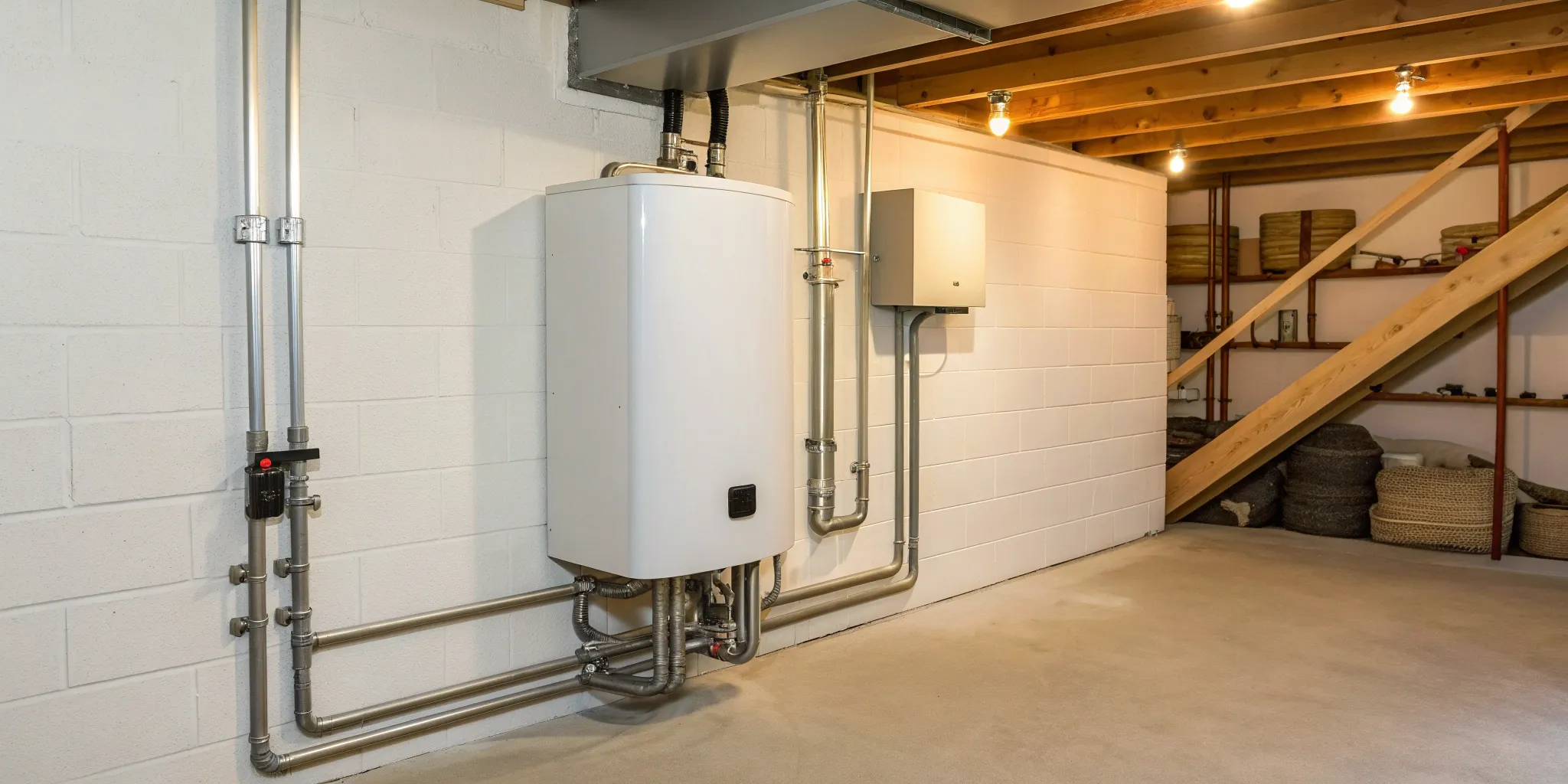
Getting a clear price for a major home upgrade can be frustrating. If you’re wondering how much to install a tankless water heater, you’ve probably seen a wide range of numbers. We want to cut through the confusion. A professional installation in the Okanagan typically costs between $3,000 and $8,000, and there are good reasons for that range. This guide provides an honest breakdown of every factor, including the unit, labor, potential electrical or gas line modifications, and local permits. We’ll give you the clarity you need to plan your budget confidently.
Key Takeaways
- Budget for More Than Just the Unit: Expect a total installation cost between $3,000 and $8,000, which covers the unit, professional labor, and any necessary home modifications like new venting or electrical work. An on-site assessment is the only way to get an accurate, all-inclusive quote.
- Protect Your Investment with a Certified Pro: A proper installation by a Red Seal Plumber is essential for safety, efficiency, and keeping your manufacturer's warranty valid. Attempting a DIY installation can lead to costly repairs and void your coverage entirely.
- Lower the Initial Cost with Smart Savings: You don't have to pay the full price upfront. Reduce the initial investment by asking about financing options, local utility rebates, and company-specific promotions or membership discounts.
What is a Tankless Water Heater (And Is It Right for You?)
If you’ve ever run out of hot water mid-shower, you know the frustration of a traditional tank water heater. That big metal cylinder in your utility closet works by constantly heating and storing a set amount of water, waiting for you to need it. But there’s a more modern and efficient alternative: the tankless water heater.
Also known as on-demand water heaters, these compact units provide hot water exactly when you need it, without storing any. For many homeowners in the Okanagan, making the switch is a smart investment in home comfort and long-term savings. It’s a significant upgrade, and understanding how they work and what they offer is the first step in deciding if one is the right fit for your home and family.
How a Tankless System Works
The magic of a tankless water heater is its simplicity. Instead of holding dozens of gallons of water hot around the clock, a tankless unit springs into action only when you turn on a hot water tap. As cold water travels through the pipes, it enters the unit and passes over a powerful heating element—either gas or electric. This element heats the water to your desired temperature almost instantly before sending it directly to your faucet. The result is a continuous, endless supply of hot water. When you turn the tap off, the heater shuts down, saving energy.
Key Benefits Over a Traditional Tank
The on-demand design of tankless systems offers some compelling advantages. First and foremost is the energy savings. Because they only heat water when you need it, they can use 24% to 34% less energy than a standard tank model, which can make a noticeable difference on your utility bills. They also last much longer, with a typical lifespan of 15 to 20 years—nearly double that of a traditional tank. Plus, their compact, wall-mounted design frees up valuable floor space. For most homeowners, a tankless water heater is a worthwhile investment, especially if you plan to stay in your home for years to come.
How Much Does a Tankless Water Heater Installation Cost?
Let's talk numbers. Deciding to install a tankless water heater is a big step toward improving your home's efficiency and comfort, but the first question on everyone's mind is always about the price. While it’s a significant investment, understanding the costs upfront helps you make a confident choice for your home and family.
In the Okanagan region, a professional tankless water heater replacement typically falls in the $3,000 to $8,000 range. This is a broad estimate because every home is unique. The final price depends on factors like the size of the unit you need, your home’s existing plumbing and electrical setup, and the type of system you choose (gas or electric). At TruFinity, we believe in upfront, transparent pricing, which is why we always start with a thorough assessment of your home. This ensures the quote you receive is accurate, with no surprises down the line. To help make this upgrade more accessible, we also offer promotions like $500 off a new tankless water heater installation and flexible financing options to fit your budget.
Breaking Down the Total Cost
The total price you pay is split into two main parts: the cost of the tankless unit itself and the cost of professional installation. According to This Old House, a typical installation averages around $2,800 nationally, but this can vary. The unit's price depends on the brand, size, and energy efficiency rating. The other half of the cost covers the skilled labor, materials like piping and fittings, and any necessary modifications to your home’s infrastructure. The best way to get a clear picture for your home is with a free consultation, where a technician can perform the right flow rate calculations to match you with the perfect unit.
The Price of the Unit vs. Professional Installation
While it might be tempting to save money on labor, professional installation is non-negotiable for a tankless water heater. You're not just paying for time; you're paying for safety and peace of mind. Our team consists of Red Seal Certified Plumbers and Class B Gasfitters who ensure your unit is installed correctly and meets all local codes. A proper installation by a certified expert is also required to keep your manufacturer's warranty valid. This expertise protects your investment, guarantees your family's safety, and ensures your new water heater operates at peak efficiency for its entire 15- to 20-year lifespan.
Hidden Expenses to Plan For
Sometimes, converting to a tankless system requires a few extra steps, which can add to the total cost. Planning for these potential expenses helps avoid surprises. For example, a powerful gas tankless unit might need a larger gas line, which could cost between $350 and $750 to upgrade. If you opt for an electric model, your home’s electrical panel might need an update, a job that can range from a few hundred to a couple of thousand dollars. Gas units also require special venting to the outside, which can add another $400 to $800. Our team will identify any of these needs during your initial consultation, so they are included in your upfront quote.
What Factors Drive Up the Installation Cost?
When you get a quote for a tankless water heater, you’ll notice the final price is more than just the cost of the unit itself. Several factors related to your home’s specific layout and existing systems can influence the total investment. Understanding these variables helps you see exactly what you’re paying for and why a professional assessment is so important. At TruFinity, we believe in upfront, transparent pricing, so our goal is to walk you through every step. A proper installation ensures your new heater runs safely, efficiently, and meets all local codes.
Here are the key factors that determine the final cost of your installation.
Your Home's Size and Hot Water Needs
The first step is choosing a unit that can keep up with your household's demand. A large family with multiple bathrooms running showers, laundry, and the dishwasher simultaneously will need a more powerful—and typically more expensive—unit than a smaller household. We perform precise flow rate calculations to determine the right size for your specific needs, ensuring you get an endless supply of hot water without overpaying for a unit that’s too large. This tailored approach guarantees your system is both effective and efficient.
Gas vs. Electric: What Your Home Requires
Tankless water heaters come in two main types: natural gas (or propane) and electric. The best choice often depends on your home’s existing connections. If you’re replacing an old gas tank heater with a new gas tankless model, the transition is usually straightforward. However, switching from gas to electric can add to the cost, as it may require running new, heavy-gauge wiring. It’s also worth noting that while electric units can be simpler to install, they might lead to a higher monthly utility bill depending on local energy rates.
Venting and Gas Line Modifications
For gas-powered tankless heaters, proper venting is critical for safety and performance. High-efficiency models require specific types of venting materials—often PVC—that might be different from what your old tank heater used. This can mean running new pipes through your wall or roof. Additionally, tankless units need a larger volume of gas on demand, which can sometimes require upgrading your existing gas line to a larger diameter. Our certified Class B Gasfitters handle these modifications to ensure everything is safe and up to code.
Electrical Upgrades and Local Permits
Both gas and electric models need electricity to operate. Electric tankless heaters are particularly power-intensive and often require a new, dedicated circuit connected directly to your home’s electrical panel. If your panel is already full or outdated, an upgrade might be necessary. Beyond the wiring, a professional installation includes securing all required municipal permits. We manage this entire process for you, from filing the paperwork to coordinating the final inspection, ensuring your new water heater is fully compliant with Okanagan-area regulations.
Which Brands Offer the Best Value?
When you start shopping for a tankless water heater, you'll see a lot of names out there. It can feel a bit overwhelming, but the key is to focus on brands with a proven track record for performance and reliability. Value isn't just about the sticker price; it's about finding a unit that will deliver consistent hot water for years to come with solid warranty backing and efficient operation.
Our Red Seal Certified Plumbers have installed and serviced countless units across the Okanagan, so we’ve seen firsthand which brands stand up to daily use. We often recommend manufacturers known for their engineering quality and customer support. Choosing a reputable brand is the first step, and ensuring it’s installed correctly is what guarantees you’ll get the performance and lifespan you paid for. A professional installation also protects your manufacturer’s warranty, which is crucial for your peace of mind.
Our Recommended Manufacturers and Price Points
While many great brands exist, a few consistently lead the pack. Rinnai is often considered a top choice for its reliability and high-performance models. Other excellent brands like Navien and Rheem are also strong contenders that we frequently install in homes around Kelowna and Penticton. The price for a quality unit from one of these top tankless brands typically falls between $1,000 and $3,500. This cost depends on factors like the fuel type (gas or electric), the flow rate (how much hot water it can produce at once), and its overall efficiency rating. This price is for the unit itself, with installation costs being separate.
Understanding Warranty Coverage and Reliability
A tankless water heater is a significant investment in your home, so you want to make sure it's protected. A strong warranty is one of the best indicators of a manufacturer's confidence in its product. Look for brands that offer comprehensive coverage, typically around 10-15 years for the heat exchanger (the most critical component) and 5 years for other parts. It’s important to remember that most manufacturers require the unit to be installed by a licensed professional to keep the warranty valid. This is why a DIY installation can be a costly mistake—it could void your coverage and leave you responsible for expensive repairs down the road.
Comparing Energy Efficiency and Smart Features
One of the biggest draws of a tankless system is its energy efficiency. Because they only heat water on demand, you aren't paying to keep a large tank of water hot 24/7. A high-efficiency gas model can reduce water heating costs by 24-34%, which adds up to significant savings over the unit's 15- to 20-year lifespan. Beyond savings, look at performance features like the flow rate, measured in gallons per minute (GPM). A high-GPM unit can easily supply multiple showers and appliances at once. Many modern units also come with smart features, like Wi-Fi connectivity that lets you control the temperature and monitor usage from your phone.
Watch Out for These Installation Challenges
Switching to a tankless water heater is an exciting upgrade for your home, but it’s rarely a simple swap. Unlike replacing an old tank with a new one, a tankless installation often involves a bit more complexity. Understanding the potential hurdles ahead of time can help you set a realistic budget and appreciate why a professional installation is so crucial for getting the job done right.
The biggest challenges often come from converting an old system, meeting strict local building codes, and dealing with unexpected quirks in your home’s existing plumbing or electrical setup. These factors are precisely why you want a certified expert handling the job. Our team of Red Seal Plumbers and Class B Gasfitters has seen it all, and we know how to plan for these variables to ensure your installation is safe, efficient, and built to last. A proper assessment from the start prevents costly surprises and gives you total peace of mind.
Converting From a Traditional Tank System
If you’re moving from a traditional storage tank to a tankless model, the project is more of a retrofit than a replacement. Your home’s existing infrastructure was designed for a tank, and a tankless unit has different needs. For instance, gas tankless heaters require a larger gas line to supply enough fuel for on-demand heating. The venting system is also different and may need to be rerouted or upgraded to meet manufacturer specifications. These gas line and venting modifications are critical for safety and performance, and they represent a significant part of the installation process.
Meeting Code Compliance and Passing Inspections
Tankless water heater installation is not a weekend DIY project. It involves complex plumbing, gas, and electrical work that must adhere to strict local building codes in the Okanagan region. A professional installer will secure the necessary permits and ensure the final work passes inspection, which is essential for your home’s safety and your homeowner’s insurance. An improper installation can not only void your new unit’s warranty but also pose serious risks. Trusting a certified team ensures every connection is secure, every vent is correctly placed, and your system is fully compliant with local regulations.
Common Issues That Add to Labor Costs
Every home is unique, and sometimes unexpected issues can add to the labor time. For example, if the best location for the new unit is far from the old one, we may need to reroute water and gas lines. Older homes might require electrical panel upgrades to support the new system. Additionally, to protect your investment from the Okanagan’s hard water, installing a water filtration system is often recommended. These factors can influence the final cost, which is why we provide upfront, transparent pricing after a thorough on-site evaluation. We even help you manage these costs with great offers and rebates, like a free inline sediment filter with your installation.
How Much Can You Save in the Long Run?
The upfront cost of a tankless water heater is just one part of the story. While the initial investment is higher than a traditional tank, the real financial picture becomes clear when you look at the long-term savings. A tankless system is an investment in your home’s efficiency and value, paying you back over time through lower utility bills, a longer lifespan, and even reclaimed space.
Thinking about the total cost of ownership, not just the installation price, is key. Over 15 to 20 years, the savings on energy and the avoidance of a premature replacement can make a tankless water heater the more economical choice. It's about shifting perspective from a one-time expense to a long-term upgrade that improves your daily comfort and your home's bottom line. When you factor in the consistent monthly savings and the durability of the equipment, the initial price tag starts to look a lot more reasonable. This is especially true when you consider that you're not just buying an appliance; you're upgrading your home's infrastructure for decades of reliable, on-demand hot water. Let’s break down exactly where those savings come from.
Calculating Your Monthly Utility Savings
The biggest and most immediate financial benefit of going tankless is the reduction in your monthly energy bills. Unlike a traditional tank that constantly burns energy to keep a large volume of water hot, a tankless heater only fires up when you turn on a faucet. This on-demand heating completely eliminates standby heat loss, where a significant amount of energy waste occurs.
According to the U.S. Department of Energy, this efficiency makes a real difference, with tankless models using 24% to 34% less energy than conventional storage tank heaters. For a family in the Okanagan, that translates directly into lower monthly utility costs. You can explore current rebates and offers to further improve your return on investment.
Lifespan and Maintenance Cost Advantages
A tankless water heater isn't just more efficient—it's also built to last. A well-maintained unit has a typical lifespan of 15 to 20 years, which is nearly double the 8 to 12 years you can expect from a traditional tank heater. This longevity means you can avoid the cost and hassle of a full replacement for an entire decade longer.
To reach that impressive lifespan, tankless systems do require annual maintenance, primarily descaling to remove mineral buildup. While you can have a professional handle this, it's also a task some homeowners choose to do themselves. Enrolling in a maintenance plan can make this upkeep simple and predictable, ensuring your system runs efficiently for years to come and protecting your investment.
The Value of Saving Space in Your Home
One of the most overlooked benefits of a tankless water heater is its compact, space-saving design. A traditional water tank can take up a significant footprint in your utility room, basement, or a closet. In contrast, a tankless unit is a small, wall-mounted box that frees up valuable square footage.
Imagine what you could do with that reclaimed space. It could become a new storage closet, a small workshop area, or simply open up a cramped laundry room. This might not have a direct dollar value, but for homeowners looking to maximize their living area and reduce clutter, the added space is a huge practical advantage that improves your home's functionality.
Common Mistakes to Avoid with a New Tankless Heater
A tankless water heater is a fantastic upgrade for your home, offering energy savings and on-demand hot water. But like any major appliance, a few common misunderstandings can get in the way of a great experience. Knowing what to expect from the start helps ensure you get all the benefits you're paying for. It’s easy to get excited about the promises of new technology, but it’s just as important to understand how it works in a real home—your home. We want you to love your new system for years, not just for the first few weeks. That’s why we’re breaking down the most common myths and mistakes we see homeowners make. From understanding its real-world capacity to knowing the importance of professional installation, a little bit of knowledge goes a long way. By getting ahead of these common pitfalls, you can feel confident in your decision and avoid any surprises down the road.
The "Endless Hot Water" Myth
The biggest selling point of a tankless heater is "endless" hot water, but it's important to understand what that really means. Unlike a tank that can run out, a tankless unit heats water as you need it. However, it can only heat a certain amount of water at one time, a limit known as its flow rate. If you're running the dishwasher, a shower, and a washing machine all at once, you might notice a drop in water pressure or temperature. This is why professional sizing is so critical. A properly sized unit will match your family’s peak hot water demand, ensuring you always have a comfortable and continuous supply.
Assuming They Are Maintenance-Free
Another common belief is that tankless water heaters are a "set it and forget it" appliance. While they are incredibly durable, they do require annual maintenance to perform at their best, especially in areas with hard water. Over time, mineral deposits can build up inside the unit, reducing its efficiency and potentially shortening its lifespan. An annual service appointment to descale the system and inspect its components keeps it running smoothly and protects your investment. Our TruLoyalty+ members find this easy to manage with priority scheduling and included annual tune-ups.
The Risks of a DIY Installation
Trying to save money with a DIY installation might seem tempting, but it's a risky move that can cost you more in the long run. Installing a tankless water heater involves complex plumbing, electrical wiring, and gas line connections that require certified expertise. An improper installation can be dangerous, lead to poor performance, and will almost certainly void your manufacturer's warranty. Hiring a professional ensures the job is done safely and correctly. Our team of Red Seal Plumbers and Class B Gasfitters handles everything from permits to final inspections, giving you total peace of mind.
How to Choose the Right Professional Installer
Choosing the right tankless water heater is only half the battle—the quality of the installation is what truly determines its performance, safety, and lifespan. A shoddy installation can lead to frustrating performance issues, void your warranty, and even create safety hazards in your home. You want a team that not only has the technical skills but also respects your home and provides clear communication from start to finish. Finding a professional you can trust ensures your new system runs efficiently for years to come. It’s about protecting your investment and gaining peace of mind. Look for a company that is transparent, certified, and has a proven track record of happy customers in the Okanagan region.
Certifications and Credentials to Check
Before you hire anyone, make sure they have the right qualifications. Installing a tankless water heater, especially a gas model, involves working with gas lines and complex venting, which is not a job for an amateur. A DIY installation can be dangerous and will almost certainly void your manufacturer's warranty. Look for technicians who are Red Seal Certified Plumbers and Class B Gasfitters, as these credentials show they’ve met rigorous industry standards for safety and skill. A properly licensed and insured professional ensures the work is done to code, protecting both your home and your investment in a new plumbing system.
How to Get an Accurate Quote
Getting a few different quotes is always a smart move, but don’t just look at the final number. A trustworthy quote should be detailed and transparent, breaking down the costs for the unit, labor, materials, and any necessary modifications to your home’s plumbing, gas, or electrical systems. Be wary of vague estimates that don’t specify the exact model or scope of work. The best way to get a firm price is with an in-home assessment. A professional will perform a load calculation to determine the right size unit for your family’s needs, giving you an accurate, upfront price with no surprises. You can also look for companies that offer special promotions to help make the investment more manageable.
What to Expect on Installation Day
A tankless water heater installation is more involved than a simple tank swap and typically takes between four and eight hours. Your installation team should start by protecting the work area with drop cloths to keep your home clean. Depending on your setup, the job might require running a new, larger gas line or upgrading electrical circuits to meet the unit’s power demands. A professional team will handle all of this, including securing any necessary permits and coordinating municipal inspections. Once the unit is installed, they should test it thoroughly to ensure it’s running perfectly and walk you through how to use it before cleaning up their workspace completely.
How to Lower the Upfront Installation Cost
A tankless water heater is a fantastic investment in your home’s comfort and energy efficiency, but the initial price tag can feel like a hurdle. The good news is you don’t have to pay the full sticker price out of pocket. With a little planning, you can take advantage of rebates, special offers, and flexible payment options to make the upgrade much more affordable. Think of it as a strategy to get the long-term savings of a tankless system without straining your budget today. By combining a few of these approaches, you can significantly reduce the upfront cost and start enjoying endless hot water sooner than you think.
Finding Rebates and Manufacturer Incentives
One of the best ways to save is by taking advantage of incentive programs. Because tankless water heaters are highly energy-efficient, governments and utility companies often offer rebates to encourage homeowners to make the switch. In British Columbia, companies like FortisBC frequently have programs for high-efficiency natural gas appliances. It’s always worth checking their websites for the latest offers. Manufacturers also run their own promotions from time to time. Our team at TruFinity stays current on these programs and can help you identify which rebates your new system qualifies for, ensuring you don’t leave any money on the table.
Exploring Payment Plans and Financing
You don’t have to pay for your new tankless water heater all at once. Spreading the cost over time with a payment plan makes the investment much easier to manage. We partner with Financeit to offer flexible options that fit your budget, including a plan with zero payments and zero interest for three months. This allows you to get your new system installed right away and enjoy the benefits immediately while paying for it in manageable installments. Exploring financing is a smart way to preserve your cash for other things without delaying a valuable home upgrade.
Using Membership Discounts and Promotions
Always ask your installer about their current promotions and membership benefits. At TruFinity, we have several ways for you to save. We often run special offers, like our current deal for $500 off a tankless water heater installation. For even more value, our TruLoyalty+ members receive a 5% discount on all equipment installations. This is a great way to get ongoing value and priority service while saving on major projects. We also proudly offer a 10% discount to first responders, senior citizens, and veterans as a thank you for their service to our community.
Is a Tankless Water Heater Worth the Investment?
Let's be honest: the upfront cost of a tankless water heater is higher than a traditional tank. Seeing that initial number can make anyone pause. But it’s helpful to frame it not as an expense, but as a long-term investment in your home’s comfort, efficiency, and value. While a standard tank is a utility appliance, a tankless system is an upgrade that pays you back over time through lower energy bills, a much longer lifespan, and the simple luxury of never running out of hot water again. It’s a shift from simply replacing an appliance to improving your home's infrastructure for the better.
The real question isn't just about the price tag today, but the total value you get over the next 15 to 20 years. For many homeowners in the Okanagan, especially those planning to stay in their homes for the long haul, the benefits far outweigh the initial cost. It comes down to your family’s needs, your energy usage, and your goals for your home. Thinking through these factors will help you decide if this modern, efficient technology is the right choice for you. We find that once homeowners experience on-demand hot water, they never want to go back to a tank.
Calculating Your Break-Even Point
Your break-even point is the moment your new tankless water heater has officially paid for itself through energy savings. To figure this out, you need to look at two things: the initial installation cost and your potential monthly savings. Tankless heaters are significantly more efficient because they only heat water when you need it, eliminating the standby energy loss of a tank that constantly keeps 40 or 50 gallons of water hot.
According to the U.S. Department of Energy, this efficiency can lead to energy savings of 24% to 34% compared to traditional storage-tank models. If you know what you currently spend on water heating, you can get a rough idea of your savings. Add in the fact that a tankless unit can last 15-20 years—often twice as long as a tank—and you can see how the savings accumulate, eventually covering the initial investment and delivering pure savings for years to come.
When a Tankless System Makes Financial Sense
While every home is different, a tankless water heater is almost always a smart financial move in a few key situations. If you see yourself in any of these scenarios, the investment is likely a great fit for you.
A tankless system makes sense if:
- You plan to stay in your home for five or more years. The longer you stay, the more you save. If you’re in your forever home, you’ll have many years to enjoy the lower utility bills after the unit has paid for itself.
- You have a busy family with high hot water demand. If you’re tired of scheduling showers or running out of hot water halfway through a load of laundry, the on-demand supply from a tankless unit is a game-changer for home comfort.
- You want to reduce your home’s energy consumption. For homeowners focused on efficiency and lowering their carbon footprint, a tankless heater is one of the most impactful upgrades you can make. Plus, you can check for available rebates and offers that make the switch even more affordable.
- You’re renovating or building. Incorporating a tankless system into a construction project is often simpler and gives you more flexibility with space, since you won’t need a closet for a bulky tank.
Related Articles
Frequently Asked Questions
How long does a typical installation take? A standard tankless water heater installation usually takes between four and eight hours. It's a bit more involved than swapping out an old tank because it often requires modifications to your plumbing, gas lines, or electrical wiring to accommodate the new unit's specific needs. Our team handles everything in a single visit, ensuring your system is running perfectly before we leave.
Will a tankless water heater work in my older home? Absolutely. Tankless water heaters can be a fantastic upgrade for older homes. The key is a thorough assessment before installation. An older home might need updates to its gas lines or electrical panel to support the new unit's power requirements. Our technicians will evaluate your current setup during a free consultation to map out a clear plan, ensuring a safe and seamless conversion.
How quickly will I get hot water at the faucet? This is a great question because the term "on-demand" can be a little misleading. The unit heats water instantly the moment you turn on the tap, but that hot water still has to travel through the pipes to reach your faucet. The time it takes is about the same as it was with your old tank heater. The real benefit is that the hot water will never run out, no matter how long you need it.
What does the annual maintenance actually involve? The most important maintenance task is descaling the unit, which involves flushing it with a solution to remove mineral buildup from hard water. Think of it like cleaning your coffee maker to keep it running well. While some homeowners tackle this themselves, having a professional do it ensures the process is done correctly and gives us a chance to inspect the whole system for any potential issues, protecting your investment for the long haul.
Does installing a tankless water heater increase my home's value? Yes, it's considered a valuable upgrade that can be very appealing to potential buyers. A tankless water heater signals that a home is modern, energy-efficient, and well-maintained. It’s a feature that not only saves the new owner money on utility bills but also provides the comfort of endless hot water, making it a strong selling point that adds to your property's overall appeal.



.webp)