At TruFinity Plumbing Heating & Cooling, we see firsthand how the Okanagan climate affects local HVAC systems. From sediment buildup in water heaters due to our hard water to filters clogged with summer dust and smoke, the challenges here are unique. That’s why generic advice often falls short. We’ve compiled our best insider knowledge to give you effective HVAC maintenance tips for West Kelowna homeowners. These are the same recommendations our NATE-certified technicians give to clients every day to prevent common issues, save money on energy bills, and ensure reliable performance from West Kelowna basement installs to Rutland mechanical rooms.
Key Takeaways
- Focus on simple, consistent DIY tasks: Regularly changing your air filter every one to three months and keeping your outdoor unit clear of debris are two of the most effective ways you can improve your system's performance and prevent common problems.
- Adjust your routine for the Okanagan climate: Our region's hard water and dusty, smoky summers are tough on HVAC systems, so check your filters more often during dry seasons and schedule an annual water heater flush to combat mineral buildup.
- Rely on professionals for system health and safety: An annual tune-up from a certified technician does more than prevent breakdowns; it protects your manufacturer's warranty, improves energy efficiency, and safely addresses issues you can't handle yourself.
Your Essential HVAC Maintenance Checklist
Keeping your HVAC system in top shape doesn’t always require a professional call-out. A little regular attention can go a long way in preventing costly breakdowns and keeping your energy bills under control. Whether you’re in a newer home in Upper Mission, an older mechanical system in Rutland, a basement install in West Kelowna, or managing a property in Lake Country, these simple, actionable steps are your first line of defense. Think of them as a basic health routine for the system that keeps your family comfortable year-round. Below are a few key tasks you can handle yourself to maintain efficiency and extend the life of your equipment.
Change and Clean Your Filters Monthly
This is the single most important, and easiest, task you can do for your HVAC system. A clogged filter forces your furnace or air conditioner to work much harder, which drives up energy consumption and can lead to premature failure. We recommend checking your filter every month and replacing it at least every three months. In the Okanagan, where dust and seasonal allergens are common, you might find a monthly change is necessary. A clean filter not only improves your system's efficiency but also contributes to better indoor air quality for your family.
Keep Your Outdoor Unit Clear
Your outdoor AC or heat pump unit needs to breathe. Take a walk around it every few weeks to make sure it's free of obstructions. Clear away any leaves, grass clippings, pine needles, or other debris that may have collected around it. It's also a good idea to trim back any shrubs or plants to maintain at least two feet of clearance on all sides. This simple step ensures proper airflow, which is critical for the unit to cool your home efficiently. Blocked airflow can strain the compressor, one of the most expensive components to replace.
Program and Test Your Thermostat
Your thermostat is the brain of your HVAC system, and an accurate one is key to both comfort and savings. If you have a programmable or smart thermostat, make sure you're using its features to set back temperatures when you're away or asleep. To test its accuracy, place a simple room thermometer next to it and compare the readings after about 15 minutes. If they're off by more than a degree or two, it might be time for a recalibration or replacement. An accurate thermostat prevents your system from running unnecessarily, helping you manage your heating and cooling costs effectively.
Must-Have Tools for Basic Upkeep
You don’t need a full mechanic’s toolkit, but having a few basic items on hand makes these simple tasks much easier. A set of screwdrivers, a soft brush for cleaning, and a shop vacuum can handle most DIY-friendly jobs. For those who are a bit more hands-on, a digital multimeter can help you safely test electrical components, but it's crucial to know what you're doing. For anything beyond changing a filter or clearing debris, your safest and most effective option is to call a professional. Our NATE-certified technicians at TruFinity Plumbing Heating & Cooling have the specialized tools and training to handle complex diagnostics.
How Often Should You Change HVAC Filters in West Kelowna?
One of the simplest yet most effective ways to keep your heating and cooling system running smoothly is by regularly changing the air filter. A clean filter ensures your system breathes easily, improving air quality and efficiency. But here in the Okanagan, factors like dry, dusty summers and seasonal smoke can mean the standard advice doesn’t always apply. Knowing when to swap out your filter is key to protecting your equipment and keeping your home comfortable, whether you're running the furnace in a West Kelowna basement or an AC unit in an Upper Mission home.
A Standard Replacement Schedule
As a general rule, it’s a good idea to check your HVAC filter every month and plan to replace it every one to three months. The exact timing often depends on the type of filter you use. Basic fiberglass filters are less expensive but typically need to be replaced monthly. Higher-quality pleated filters can often last up to 90 days. Think of this as a baseline. Your home’s specific needs, like whether you have pets or family members with allergies, can require more frequent changes. A clean filter is the first step in proper furnace maintenance and helps keep your system from working harder than it needs to.
How Local Dust Impacts Filter Life
Living in West Kelowna means dealing with unique environmental factors that can clog your filter faster than you’d expect. Our dry climate contributes to more dust in the air, especially during the summer. Add in seasonal pollen and the unfortunate reality of wildfire smoke, and your filter has a lot to contend with. During smoky periods or if you live near a construction site, you should check your filter every few weeks. A clogged filter not only reduces your system's efficiency but also circulates those contaminants through your home. Paying closer attention to local conditions helps you stay ahead of potential issues.
Signs You Need a New Filter Now
Your HVAC system will often tell you when its filter needs changing. One of the most obvious signs is a visible layer of dust and grime on the filter itself. You might also notice more dust accumulating on furniture and around your air vents. If the airflow coming from your vents feels weaker than usual, a clogged filter is the most likely culprit. Other clues include a sudden increase in your energy bills or musty odors circulating through your home. If you replace the filter and still notice these issues, it might be time to schedule a professional AC service to ensure there isn’t a deeper problem.
How to Prep Your HVAC for a West Kelowna Summer
When the Okanagan sun starts to really shine, the last thing you want is an air conditioner that can’t keep up. Getting your HVAC system ready for summer isn't just about comfort; it's about preventing surprise breakdowns on the hottest days and keeping your energy bills from climbing. A little bit of prep work in the spring can save you a lot of stress and money later. Whether you have a traditional air conditioner or a heat pump, taking these steps ensures your system is clean, efficient, and ready to handle the summer heat. For a complete system check, you can always schedule professional AC services to make sure everything is in top shape. Taking care of your system now means you can relax and enjoy everything a West Kelowna summer has to offer.
Your Pre-Summer AC Tune-Up Checklist
Before you need to run your AC full-time, go through this simple checklist to get it ready. Start by changing your air filter, which is the single most important task for efficiency. Next, head outside and inspect your outdoor condenser unit. Make sure there’s at least two feet of clear space around it. Remove any leaves, twigs, or grass that have collected over the winter. Inside, check that all your vents and registers are open and not blocked by furniture or rugs. Finally, test your system on a mild day to ensure it turns on and blows cold air. This simple DIY checkup is a great start, but for a deeper clean and safety inspection, consider our professional $99 AC Tune-Up.
Clean Coils and Check Refrigerant
Your air conditioner has two sets of coils that are critical for cooling your home: the evaporator coil inside and the condenser coil outside. Over time, they get covered in dust and grime, which forces your system to work harder. You can clean them by turning off the power to your unit and gently spraying them with a commercial coil cleaner, then rinsing with a hose. However, the coil fins are delicate and easily damaged, so many homeowners prefer to leave this to a pro. Refrigerant is another key component. If your system isn't cooling well, it might be low on refrigerant, which usually means there's a leak. Only a certified technician is qualified to handle refrigerant, so give a professional a call if you suspect an issue.
Get Your Heat Pump Ready for Summer
If you use a heat pump to warm your home in the winter, it’s time to get it ready for its summer job: cooling. Modern cold climate heat pumps are fantastic for handling our cold winters, but they need a little attention before switching modes. The process is simple. First, set your thermostat to "cool." Just like with an AC unit, you'll want to clean or replace the filter and make sure the outdoor unit is clear of any debris. Then, run the system for a bit to confirm it's producing cool air. If it seems to be struggling or making unusual noises, it’s best to have it inspected by a technician from TruFinity Plumbing Heating & Cooling to ensure a smooth transition from heating to cooling.
Clear Your System's Drainage Line
Your air conditioner doesn't just cool the air; it also removes humidity. That moisture has to go somewhere, and it exits through a condensate drainage line. This small pipe can get clogged with algae, mold, and dirt, causing water to back up and potentially leak into your home, leading to water damage. To prevent this, you can clear the line yourself. Find the PVC pipe near your indoor unit and slowly pour a cup of a 50/50 bleach and water solution down it to kill any buildup. After about 30 minutes, flush it with water. If you’re not comfortable doing this or the line is severely clogged, our team can handle it quickly during a routine drain cleaning or maintenance visit.
Why the Okanagan is Tough on Your HVAC System
Living in the Okanagan is incredible, but our valley presents unique challenges for your home’s heating and cooling systems. From our mineral-rich water to dramatic seasonal shifts, your HVAC system works harder here. Unlike coastal areas, our local climate means standard maintenance might not be enough. Understanding these quirks is key to protecting your investment, whether you're in an Upper Mission home or have a West Kelowna basement install.
Dealing with Mineral and Sediment Buildup
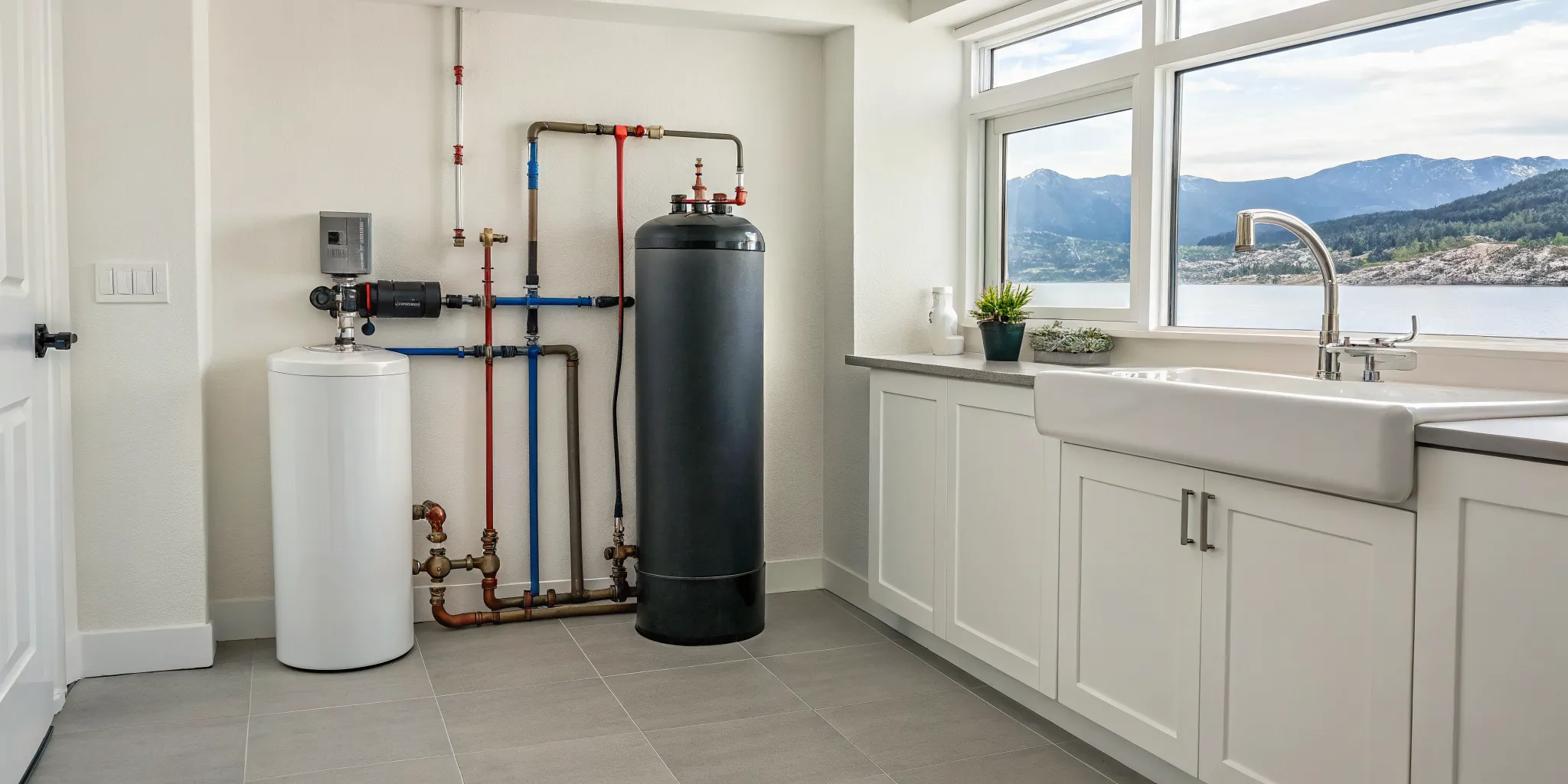
The Okanagan is known for its hard water, which has a high mineral content. As it flows through your appliances, minerals like calcium and magnesium form a hard scale. This sediment builds up inside your water heater, insulating the heating element and forcing it to work harder. At TruFinity Plumbing Heating & Cooling, we often see how this buildup reduces efficiency and can lead to costly repairs or even premature system failure.
Prevent Hard Water Damage
How do you prevent hard water damage? Regular maintenance is key. An annual flush of your hot water tank is crucial in our region to clear out sediment. This simple action extends your water heater's life and keeps it running efficiently. For a more permanent solution, consider installing a water filtration system. It protects your equipment and improves water quality throughout your home.
How Temperature Swings Strain Your System
Our region’s temperature swings, from hot summers to cold winters, mean your HVAC system rarely gets a break. Your air conditioner runs constantly through July and August, then your furnace works hard to keep you warm. This constant demand strains motors, belts, and electrical components. Regular seasonal tune-ups are essential to make sure your system is ready for the switch.
Protect Your Air from Wildfire Smoke
Wildfire season is a regular part of summer in the Okanagan. The smoke and ash impact your indoor air quality and your HVAC system. Your system’s filter is the first line of defense, and during smoky periods, it can clog with fine particles, restricting airflow and forcing your system to work harder. Check your filter more often during fire season and consider a whole-home air filtration solution to help your family breathe easier.
When to Call an HVAC Pro in West Kelowna
While handling basic maintenance is a great way to keep your system running smoothly, some jobs are best left to a certified professional. Knowing when to put down the tools and pick up the phone can save you from costly repairs, keep your family safe, and ensure your system is fixed correctly the first time. If you notice your HVAC system acting up, it’s usually a sign that a bigger problem is brewing. A quick response from a qualified technician can make all the difference, especially when you're facing an unexpected breakdown during an Okanagan cold snap or heatwave.
Emergency Signs You Can't Ignore
Some HVAC issues are more than just an inconvenience; they're emergencies. If you experience any of the following, it's best to turn off your system and call a professional right away. Loud, sudden noises like grinding, squealing, or banging often indicate a serious mechanical failure, such as a broken motor or loose part. Strong, unusual smells are another major red flag. A burning odor could signal an electrical problem, while a rotten egg smell may indicate a natural gas leak. Don’t wait to get these checked out. TruFinity Plumbing Heating & Cooling offers a 45-minute emergency response to address urgent issues quickly and safely.
Performance Issues That Need an Expert
Not all HVAC problems come with loud noises or strange smells. Sometimes, the signs are more subtle. Have your energy bills crept up without explanation? That’s often the first sign your system is losing efficiency and working harder than it should. You might also notice inconsistent temperatures, with some rooms feeling stuffy while others are chilly. This could point to issues with ductwork or the system itself. Another common symptom is frequent cycling, where your furnace or AC turns on and off constantly. These performance dips won't fix themselves and require a professional diagnosis from a NATE-certified technician to get to the root of the problem.
Avoid These Common DIY Mistakes
One of the biggest mistakes homeowners make is waiting for a complete breakdown before calling for service. Skipping regular maintenance might seem like it saves money in the short term, but it often leads to decreased efficiency and more expensive emergency repairs down the line. Another common pitfall is attempting complex repairs without the right training or tools, especially when it involves electrical components or refrigerant. Handling these requires specific certifications to ensure safety and compliance. Instead of risking it, consider a professional tune-up. Our TruLoyalty membership includes twice-annual tune-ups to keep your system in top shape and protect your warranty.
The Payoff: Benefits of Regular HVAC Maintenance
Staying on top of HVAC maintenance isn't just another chore to add to your list. It's one of the smartest things you can do for your home and your wallet. A little bit of care goes a long way, especially here in the Okanagan, where our systems work hard to keep up with hot summers and cold winters. Consistent upkeep ensures your home stays comfortable, your air stays clean, and you avoid the stress of an unexpected breakdown. Think of it as an investment that pays you back in comfort, savings, and peace of mind.
Lower Your Energy Bills
An HVAC system that’s running smoothly is an efficient one. When filters are clogged and parts are struggling, your furnace or air conditioner has to work much harder to heat or cool your home. That extra effort shows up directly on your monthly utility bills. Regular maintenance, like cleaning coils and ensuring proper airflow, can significantly cut down on energy consumption. A well-tuned system simply uses less power to do its job, which means more money stays in your pocket every month. Keeping your heating and cooling equipment in top shape is a straightforward way to manage household expenses.
Extend Your System's Lifespan and Protect Your Warranty
Your HVAC system is a major home investment, and you want it to last as long as possible. Neglecting it is like never changing the oil in your car; small issues can quickly turn into catastrophic failures. Routine checks help catch minor problems before they require expensive repairs or a full system replacement. Plus, most manufacturer warranties from brands like Lennox and Daikin require proof of annual professional maintenance. Skipping a tune-up could void your warranty, leaving you to cover the full cost of a major component failure. Protecting your investment with regular care is always the right call.
Consider a Professional Tune-Up or Membership
While DIY checks are great, nothing beats a professional inspection. A NATE-certified technician from TruFinity Plumbing Heating & Cooling can perform a comprehensive 25-point inspection to ensure every part of your system is safe and efficient. We make it easy with our promotional offers, like our popular $49 furnace tune-up. For total peace of mind, our TruLoyalty Membership program covers your annual tune-ups, gives you priority scheduling, and even includes a two-year labor warranty on repairs. It’s the simplest way to keep your system running perfectly without having to think about it.
Related Articles
- How Often to Change Your Furnace Filter | TruFinity Blog
- Signs Your Furnace Needs Repair — What To Watch For
- Can I Install Central Air Conditioner? What to Know
- 24-Hour Emergency AC Repair Services | TruFinity Blog
- Professional HVAC Installation in Kelowna – TruFinity Blog
Frequently Asked Questions
How often should I have my HVAC system professionally serviced? We recommend having your heating and cooling systems professionally tuned up once a year. The best approach is to have your furnace inspected in the fall before you need it for winter, and your air conditioner checked in the spring before the summer heat arrives. This regular professional checkup ensures your system is running safely and efficiently, and it helps catch small issues before they become major, expensive problems.
I change my filters regularly. Is a professional tune-up still necessary? Yes, it absolutely is. Changing your filters is a fantastic and crucial first step, but a professional tune-up goes much deeper. Our technicians perform a comprehensive 25-point inspection, which includes cleaning critical components like coils, checking electrical connections for safety, testing refrigerant levels, and making sure the entire system is calibrated to perform at its best. These are tasks that go beyond basic upkeep and have a major impact on your system's lifespan and efficiency.
My air conditioner is running, but the air isn't very cold. What should I check? If your AC isn't cooling effectively, start with the basics. First, check that your air filter is clean, as a clogged filter can severely restrict airflow. Next, make sure the outdoor unit is clear of any debris like leaves or grass clippings. If you've checked those two things and the problem persists, it could be a more complex issue like low refrigerant or dirty evaporator coils. At that point, it's best to call a professional to diagnose the problem correctly and safely.
Does the hard water in the Okanagan affect my furnace and AC too? This is a great question that highlights a key local issue. The hard water in our region primarily affects your plumbing and appliances that use water directly, like your hot water tank and dishwasher. It causes mineral and sediment buildup that reduces efficiency. While it doesn't directly impact the air-based components of your furnace or AC, if you have a boiler or a furnace with a humidifier, the hard water can cause scaling and performance issues in those systems.
What's the difference between maintenance for a furnace and a heat pump? The main difference is that a furnace only provides heat, while a heat pump heats and cools your home. This means a heat pump works year-round and requires attention before both the heating and cooling seasons. Maintenance for both involves checking filters and electrical components, but for a heat pump, a technician will also check its reversing valve (the part that switches between heating and cooling) and its defrost cycle to ensure it operates correctly in our cold Okanagan winters.


.webp)