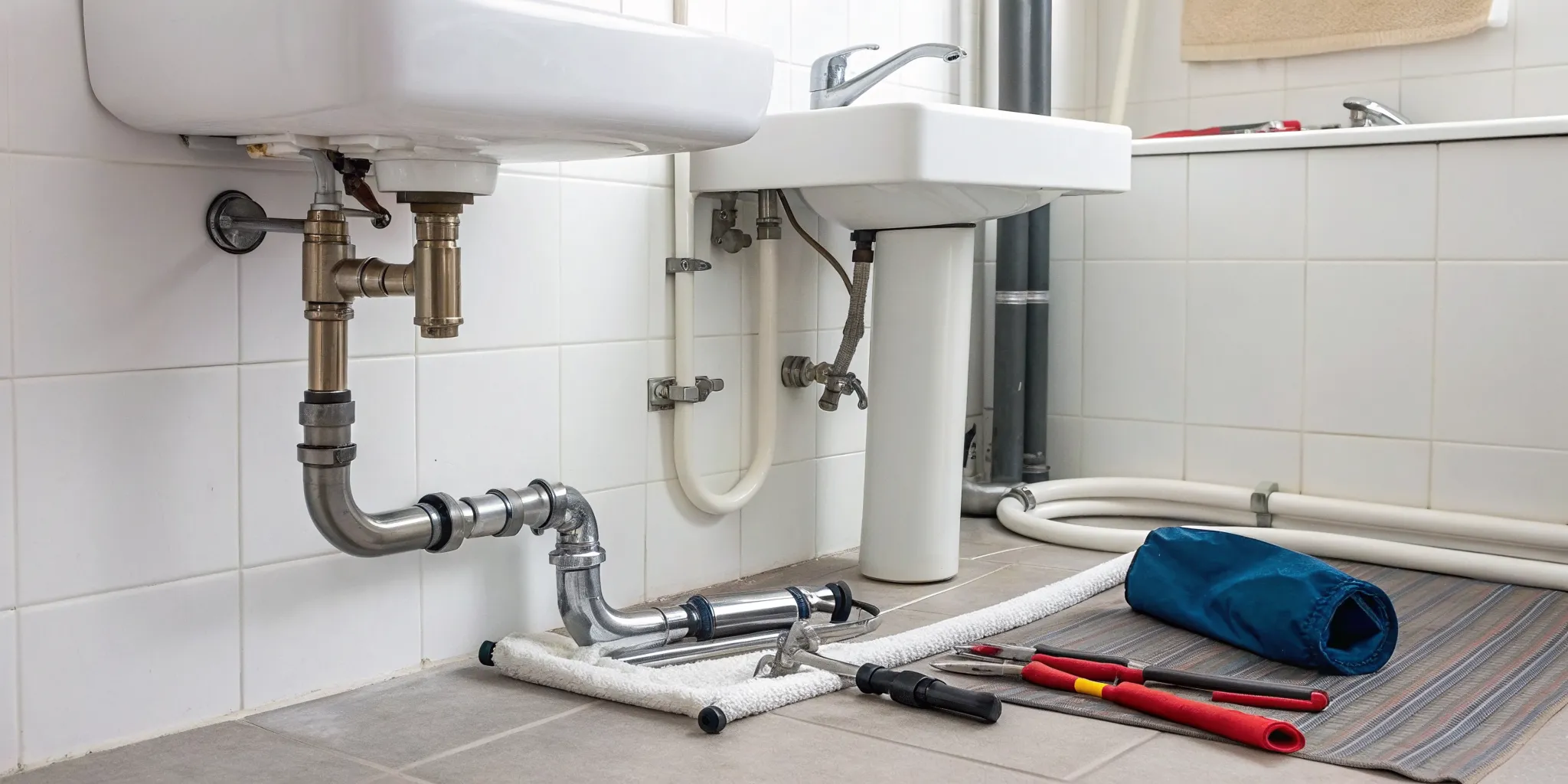
The mix of older and newer homes across Kelowna, Vernon, and Penticton creates a unique plumbing profile for our region. An older house might be hiding brittle Poly-B piping, a ticking time bomb for a major leak. Meanwhile, a newer home could be dealing with the effects of high water pressure stressing its modern fixtures. These varied conditions lead to a predictable set of common plumbing problems in Okanagan homes. Whether your house is decades old or brand new, this guide will help you identify the specific risks your property might face and what you can do about them.
Key Takeaways
- Identify local plumbing risks early: Many Okanagan homes have older Poly-B piping prone to failure, and our seasonal freeze-thaw cycles put all pipes at risk. Being aware of these specific issues is the first step in preventing a disaster.
- Proactive maintenance prevents emergencies: You can avoid most costly repairs by addressing early warning signs like slow drains or gurgling sounds. A simple seasonal checklist and regular inspections are your best defense against unexpected plumbing failures.
- Know your limits and call a pro for emergencies: While you can handle minor fixes, issues like burst pipes, sewer backups, or hidden leaks require immediate professional help. Always choose a licensed plumber who guarantees their work to protect your home.
What Are the Most Common Plumbing Problems in Okanagan Homes?
Living in the beautiful Okanagan means enjoying four distinct seasons, but that same climate can be tough on your home’s plumbing. From freezing winter temperatures to the demands of a hot, dry summer, your pipes, fixtures, and appliances are put to the test year-round. Add in the mix of older and newer homes across Kelowna, Vernon, and Penticton, and you get a unique set of common plumbing issues.
Knowing what to look for is the first step in preventing a small annoyance from turning into a major, costly repair. A gurgling drain or a toilet that constantly runs might seem minor, but they are often early warnings of a bigger problem brewing behind your walls or under your floors. We see these issues every day, and our goal is to help you spot them early. This guide walks you through the six most frequent plumbing problems we encounter in Okanagan homes, with real examples from your neighbors, so you can protect your property and keep your home running smoothly.
Faulty Toilets and Leaky Wax Rings
A toilet issue is more than just an inconvenience; it can be a sign of water waste or hidden damage. If your toilet runs constantly, it’s likely a problem with the internal components, wasting a surprising amount of water. Another common culprit is a failing wax ring, the seal at the base of your toilet. As one TruFinity customer noted, a "failed wax ring on toilet... causing tile discolouration" is a classic sign of a slow leak that can rot your subfloor over time. Recurring clogs are also a red flag that there might be a deeper issue in your drain line. For any of these problems, a professional plumbing repair can provide a lasting solution.
Leaking or Broken Hot Water Tanks
There’s nothing worse than stepping into the shower and getting hit with icy water. A lack of hot water is one of the most obvious signs your water heater is in trouble. Other indicators include puddles around the base of the tank, rusty-colored water, or strange popping noises caused by sediment buildup. One of our customers recently shared their experience when their "hot wanted tank spring a leak," a situation that requires immediate attention to prevent significant water damage. Whether you have a traditional tank or a tankless system, addressing these issues quickly is key. TruFinity Plumbing Heating & Cooling’s experts handle water heater services from simple repairs to full replacements.
Stubborn Drain Clogs and Sewer Backups
Slow-draining sinks, tubs that fill up during a shower, and unpleasant odors are all signs of a clog forming in your pipes. These blockages are usually caused by a buildup of hair, soap scum, grease, and food particles. While a plunger might offer a temporary fix, recurring clogs often point to a more significant blockage further down the line. If left untreated, a simple clog can lead to a full-blown sewer backup, forcing wastewater back into your home. Professional drain cleaning and clearing not only removes the immediate blockage but also cleans the pipe walls to prevent future issues, which is why we back our service with a 90-day guarantee.
The Problem with Old Poly-B Piping
If your home was built between the 1970s and mid-1990s, there’s a good chance it has Polybutylene (Poly-B) piping. This gray plastic piping was once a popular, low-cost option, but it has since been found to degrade over time, especially when exposed to hot water and common chemicals in the municipal water supply. The pipes become brittle, leading to micro-fractures, leaks, and eventual bursting. We often get inquiries from homeowners who are "interested in getting my Poly-B piping replaced" to prevent catastrophic failure. Upgrading to modern PEX or copper piping is a proactive investment that protects your home’s value and gives you peace of mind.
High Water Pressure and PRV Failure
You might think strong water pressure is a good thing, but if it’s too high, it puts constant stress on your entire plumbing system. It can damage your pipes, fixtures, and appliances like your dishwasher and washing machine, leading to leaks and premature failure. Most homes have a Pressure Reducing Valve (PRV) to keep water pressure at a safe level. When a PRV fails, the pressure can spike. One customer was surprised when our technician found "over 100psi in my house" during an inspection. This is a silent problem that can cause widespread damage, making a plumbing inspection a smart move if you suspect an issue.
Failing Sump Pumps and Basement Flood Risks
In a region that gets heavy rain and significant spring snowmelt, a sump pump is your basement’s first line of defense against flooding. This device sits in a pit in your basement or crawlspace and automatically pumps out groundwater before it can cause damage. However, sump pumps can fail due to mechanical issues, power outages, or improper installation. A failed pump during a storm can quickly lead to a flooded basement, ruined belongings, and costly water damage repairs. Regular maintenance and testing are essential to ensure your sump pump is ready to work when you need it most. Trufinity offers expert sump pump services to keep your basement dry.
How Can You Spot Problems Early?
A small plumbing issue can quickly become a major headache. The key to protecting your home and your wallet is catching problems before they escalate. By learning to recognize the subtle hints your plumbing system gives you, you can address issues early on. It’s about being proactive, not reactive. Here’s what to watch for in your Okanagan home.
Know the Early Warning Signs
Your home often whispers before it shouts. Early warning signs can be easy to dismiss, but they’re your first line of defense. Pay attention to drains that are slower than usual, gurgling sounds from your pipes, or a faint, unpleasant smell you can’t quite place. Many older homes in the Okanagan are particularly prone to sewer line issues. If you notice any of these symptoms, especially if they happen in more than one drain, it’s a sign that something is amiss deep in your system. A professional plumbing inspection can pinpoint the cause before it leads to a messy backup.
Watch for Okanagan's Seasonal Plumbing Issues
Living in the Okanagan means dealing with distinct seasons, and your plumbing feels it too. The winter freeze-thaw cycle is especially tough on pipes. As temperatures drop, water inside your pipes can freeze, expand, and cause a burst. Keep an eye on pipes in unheated areas like crawl spaces or garages. In the summer, increased water usage for gardens and pools can strain older systems and reveal hidden leaks. Being mindful of these seasonal shifts helps you anticipate potential problems. Regular checks can prevent a sudden emergency, whether it's a frozen pipe in January or a pressure issue in July.
Recognize Red Flags That Mean "Call Now"
Some plumbing problems are more than just an inconvenience; they're emergencies. If you see multiple drains backing up at once, water pooling around your foundation, or smell sewage inside or outside your home, it’s time to act immediately. A sudden drop in water pressure or the sound of running water when all taps are off are also critical signs. For any major leak, your first step should be to shut off your home's main water supply. These red flags indicate a serious issue that requires immediate professional attention. Don't wait. A fast response from a certified plumber can prevent catastrophic damage to your property.
What Causes These Common Plumbing Issues?
Understanding what’s happening behind your walls can help you catch problems before they turn into disasters. Many common plumbing issues in the Okanagan stem from a few key culprits: our distinct seasons, the age of our homes, and what’s happening underground. Knowing the root cause is the first step to finding a lasting solution and protecting your home. From the winter freeze to aging materials, let's look at what’s really behind those drips, clogs, and leaks.
How Winter's Freeze-Thaw Cycle Damages Pipes
Living in the Okanagan means we get to enjoy beautiful, snowy winters, but that cold weather can be tough on your home’s plumbing. When water freezes, it expands with incredible force. If that happens inside your pipes, the pressure can cause them to crack or burst. This is a major risk for any pipes located in uninsulated areas like basements, crawl spaces, or exterior walls. A burst pipe can lead to serious flooding and water damage. That’s why it’s so important to ensure vulnerable pipes are properly insulated before the temperature drops and to know who to call for emergency plumbing repairs if a pipe does freeze.
The Impact of Old Pipes and Mineral Buildup
Many homes built between the 1970s and 1990s used polybutylene (Poly-B) pipes, which are now known to become brittle and fail over time. These older pipes can crack or burst without warning, especially when exposed to hot water and high pressure, leading to water damage and mold growth. Over time, even durable copper pipes can suffer from mineral buildup, which restricts water flow and corrodes the pipe material from the inside out. If your home has older plumbing, a professional inspection can identify deteriorating materials before they cause a major headache. Getting an expert to assess your system is a smart, preventative step.
When Tree Roots Invade Your Sewer Line
The beautiful, mature trees that give our neighborhoods character can sometimes be the source of serious plumbing trouble. Tree roots are naturally drawn to the moisture and nutrients inside your sewer line. They can work their way into tiny cracks in the pipe, growing larger over time and causing blockages or even breaking the line completely. Grease buildup and flushing items that don't belong in the toilet (like wipes or paper towels) can also create stubborn clogs. If you notice your drains are slow or backing up frequently, it could be a sign of a problem in your main sewer line.
The Dangers of Poor Installation and Neglect
Sometimes, plumbing problems are simply the result of a job that wasn't done right the first time. A poorly installed pipe fitting, a toilet that isn't sealed correctly, or a water heater that’s improperly connected can lead to persistent issues. Even a tiny, slow leak from a bad connection can cause significant damage over time, rotting wood, encouraging mold, and wasting a surprising amount of water. Regular maintenance helps catch these issues early. Neglecting small drips or ignoring gurgling drains allows minor annoyances to become major, expensive repairs. Investing in professional service ensures the job is done right and protects your home for the long haul.
What Can You Safely Fix Yourself?
Tackling a small plumbing issue on your own can be satisfying, but it’s important to know which jobs are safe to handle and which ones need a professional touch. With the right approach, you can manage minor annoyances and prevent them from turning into major headaches. The key is to understand your limits and have the right tools on hand for the simple fixes that are within your reach.
Simple Fixes for Minor Plumbing Annoyances
Some of the most common plumbing problems are ones you can often address without calling for backup. For a slow drain, a good first step is to flush it with hot water and vinegar, which is much gentler on your pipes than harsh chemical cleaners. If you have a constantly running toilet, the fix might be as simple as replacing the flapper or fill valve inside the tank. A dripping faucet can often be silenced by replacing a worn-out washer or O-ring. These small repairs can save water and prevent bigger issues down the road, but if a clog is stubborn or a leak persists, it’s a sign of a deeper problem.
Your Basic Home Plumbing Toolkit
Being prepared can make all the difference when you decide to handle a small repair. You don’t need a truck full of equipment, but a basic home plumbing toolkit will see you through most simple fixes. Investing in a few quality items will prevent you from trying to make the wrong tool work, which can cause more damage. Make sure you have a drain snake (or auger), a pipe wrench, a strap wrench for delicate fixtures, and a set of Channellock pliers. Having these proper plumbing tools on hand means you’re ready for a leaky faucet or a minor clog when it happens.
Know When to Stop: The Limits of DIY
The most important part of any DIY project is knowing when to put the tools down and call a professional. Some situations are simply too risky to handle on your own. If you’re dealing with a burst pipe, a sewer backup, or any major leak that could cause water damage, it’s time to call for help immediately. Other red flags include signs of hidden leaks like mold growth or structural damage to your walls and floors. For these common plumbing emergencies, don’t hesitate. Calling a certified plumber from TruFinity Plumbing Heating & Cooling ensures the job is done safely and correctly, protecting your home from further damage.
When Is It Time to Call a Professional?
While it’s great to handle small fixes yourself, some plumbing problems are too complex or risky to tackle without professional training. Knowing when to put down the wrench and call for help is key to protecting your home from serious damage. A small leak can quickly become a major flood, and what seems like a simple clog could be a sign of a much bigger issue in your main sewer line.
When you’re facing a plumbing puzzle you can’t solve, or an emergency that needs immediate attention, a certified plumber is your best resource. The team at TruFinity Plumbing Heating & Cooling is available 24/7 for those moments when you need an expert, fast. Our goal is to resolve the issue correctly the first time, giving you peace of mind and preventing a minor problem from turning into a costly disaster. Don’t hesitate to reach out when you’re in over your head; that’s what we’re here for.
Plumbing Emergencies That Can't Wait
Some situations require immediate action. If you see signs of a burst pipe, like water gushing from a wall or ceiling, your first step is to shut off your home’s main water supply. Then, call a plumber right away. The same goes for a sewer backup, which can pose a serious health risk to your family. Major leaks that are pooling water on your floor also fall into this category. These aren't "wait and see" problems. They demand a rapid response to minimize water damage and restore safety to your home. An emergency plumber can provide the urgent plumbing repairs needed to get the situation under control.
Repairs That Are Beyond a DIY Fix
Certain plumbing jobs should always be left to a licensed professional due to safety risks and local building codes. Any work involving your gas lines is strictly off-limits for DIY. Similarly, repairing or installing a water heater involves complex connections and the risk of improper installation, which can lead to leaks or carbon monoxide issues. In British Columbia, many of these tasks require a permit and must be completed by a certified technician. Attempting these repairs yourself can void warranties and create dangerous conditions. Our Red Seal Plumbers at TruFinity Plumbing Heating & Cooling have the training and certification to handle these complex jobs safely and correctly.
Clear Signs You Need a Pro—Fast
Sometimes, the signs are less dramatic but just as important. If you notice multiple drains are slow or clogged at the same time, it often points to a blockage in your main sewer line that a simple plunger can’t fix. Other red flags include the smell of mold, warped walls or floors, or a sudden spike in your water bill, all of which can signal a hidden leak. Even a toilet that constantly runs after you’ve tried to fix it can be a symptom of a bigger issue. When you see these signs, it’s time to call for professional drain and sewer services to diagnose and solve the root cause.
How Can You Prevent Future Plumbing Headaches?
The best way to deal with a plumbing disaster is to prevent it from ever happening. Being proactive not only saves you from the stress of an emergency but also protects your wallet from unexpected, costly repairs. A little bit of prevention goes a long way in keeping your home’s plumbing system running smoothly. By staying on top of maintenance, preparing for seasonal changes, and making smart upgrades, you can ensure your pipes, drains, and fixtures work reliably for years to come. It’s about shifting from a reactive mindset to a proactive one, giving you peace of mind and control over your home’s health.
A Year-Round Plumbing Maintenance Checklist
Regular maintenance helps you catch small issues before they become major headaches. A simple annual check-in on your plumbing system can make all the difference. Start by visually inspecting for slow drips under sinks and around toilets, which can signal a failing seal or loose connection. Test your sump pump before the spring thaw to ensure it’s ready for melting snow. It’s also wise to periodically check your water heater for any signs of rust or corrosion. For a truly hands-off approach, consider a TruLoyalty Membership, which includes annual inspections to keep your system in top shape.
Prepare Your Plumbing for Okanagan Seasons
The Okanagan’s four-season climate puts unique demands on your plumbing. Before winter arrives, disconnect your garden hoses and insulate any exposed pipes to prevent them from freezing and bursting. In the spring, as the ground thaws and trees begin to grow, be mindful of your sewer line. If you notice multiple drains backing up at once, it could be a sign of tree root intrusion, a common issue in older Okanagan homes. Regular drain cleaning and clearing can help keep your main lines flowing freely and prevent messy backups.
Invest in Upgrades to Avoid Future Repairs
Sometimes, the most effective way to prevent future problems is to upgrade outdated components. If your home was built between the late 1970s and mid-1990s, it might have Poly-B piping, which is prone to leaks and failure over time. Replacing it is a significant investment in your home’s safety and value. Similarly, upgrading an old, inefficient water heater can prevent a sudden breakdown and leak while also saving you money on energy bills. When you’re ready to tackle these projects, our team at TruFinity Plumbing Heating & Cooling can handle all your plumbing repair and replacement needs.
What Should You Expect from a Professional Plumber?
When you invite a plumber into your home, you’re trusting them with one of your biggest investments. It’s about more than just fixing a leak; it’s about ensuring the job is done right with lasting results. A true professional provides not only technical skill but also clear communication, respect for your property, and peace of mind. This means explaining the problem clearly, providing upfront pricing before any work begins, and even sending a photo of the technician so you know who to expect. They should arrive on time and leave the workspace as clean as they found it. At TruFinity Plumbing Heating & Cooling, we build our entire service around this principle of respect and reliability, ensuring you feel confident and cared for from the moment you call.
Look for the Right Qualifications
Not all plumbers have the same level of training. When you’re dealing with your home’s complex systems, you want someone with proven expertise. Always look for a company whose technicians are fully licensed and certified. For example, our team includes Red Seal Plumbers and Class B Gasfitters, which are credentials that demonstrate a high standard of skill and knowledge. Choosing a licensed professional is the safest bet for any repair, as they have the training to diagnose issues accurately and perform work that meets strict safety codes. This ensures the job is done correctly the first time, protecting your family and your home from potential hazards.
Understanding Response Times for Emergencies
When a pipe bursts or a drain backs up, you don’t have time to wait. A key quality of a reliable plumbing service is its ability to respond quickly to emergencies. For urgent issues like major leaks or sewer backups, you need a team that offers 24/7 availability. TruFinity Plumbing Heating & Cooling provides a 45-minute emergency response time for critical situations across the Okanagan. A professional plumber understands that these problems can’t wait until morning. They have the tools and expertise to manage the crisis efficiently, minimizing water damage and restoring order to your home as quickly as possible.
Ask About Warranties and Service Plans
A great plumber stands behind their work. Before agreeing to a repair, ask about service guarantees or warranties. This shows the company is confident in the quality of its parts and labor. For instance, we offer a 90-day guarantee on drain services. For even greater peace of mind, consider a service plan like our TruLoyalty Membership. These plans often include routine maintenance, discounts on repairs, and extended warranties, helping you stay ahead of problems before they become expensive emergencies. Being proactive with your plumbing is always a smart investment, and a good service plan makes it easy.
Related Articles
- Kelowna Plumbing Tips: How to Prevent Common Issues
- Thumb That Plumb: Spotting and Fixing Common Plumbing Problems
- 5 Common Plumbing Emergencies & How to Address Them
- Poly-B Replacement in Kelowna: An Informational Guide
Frequently Asked Questions
How can I tell if my home has Poly-B piping? Poly-B piping is typically a light gray plastic pipe, and you can often spot it near your hot water tank or under your sinks. If your home was built or had significant plumbing work done between the late 1970s and the mid-1990s, there's a good chance you might have it. Since it's known to become brittle and fail unexpectedly, having a professional plumber confirm its presence and assess its condition is a wise step to prevent a future leak.
What is the very first thing I should do if a pipe bursts in my home? The absolute first thing you should do is shut off the main water supply to your house. This will stop the flow of water and prevent further damage while you call for help. The main shut-off valve is usually located in the basement, a crawl space, or a utility closet near where the water line enters your home. Once the water is off, your next call should be to an emergency plumber.
My drains are always slow, even after I try to clear them. What's going on? Recurring or multiple slow drains are often a symptom of a bigger problem deeper in your plumbing system, like your main sewer line. While a single slow drain might just be a local clog from hair or soap, widespread slowness can indicate a blockage from tree roots or significant buildup that store-bought cleaners can't touch. This is a clear sign that it's time for a professional inspection to find and fix the root cause.
The blog mentions high water pressure is bad. How high is too high? Ideal home water pressure is typically between 50 and 70 PSI (pounds per square inch). Anything consistently over 80 PSI puts excessive strain on your pipes, fixtures, and appliances, leading to leaks and premature failure. A plumber can test your pressure during an inspection and, if needed, install or replace a pressure-reducing valve (PRV) to protect your entire system.
How often should I have my plumbing system professionally inspected? For most homes, a professional plumbing inspection once a year is a great way to stay ahead of potential problems. An annual checkup allows a technician to spot early signs of wear and tear, test your water pressure, check your water heater, and ensure everything is working correctly. This proactive approach is the best way to prevent surprise emergencies and costly repairs down the road.



.webp)