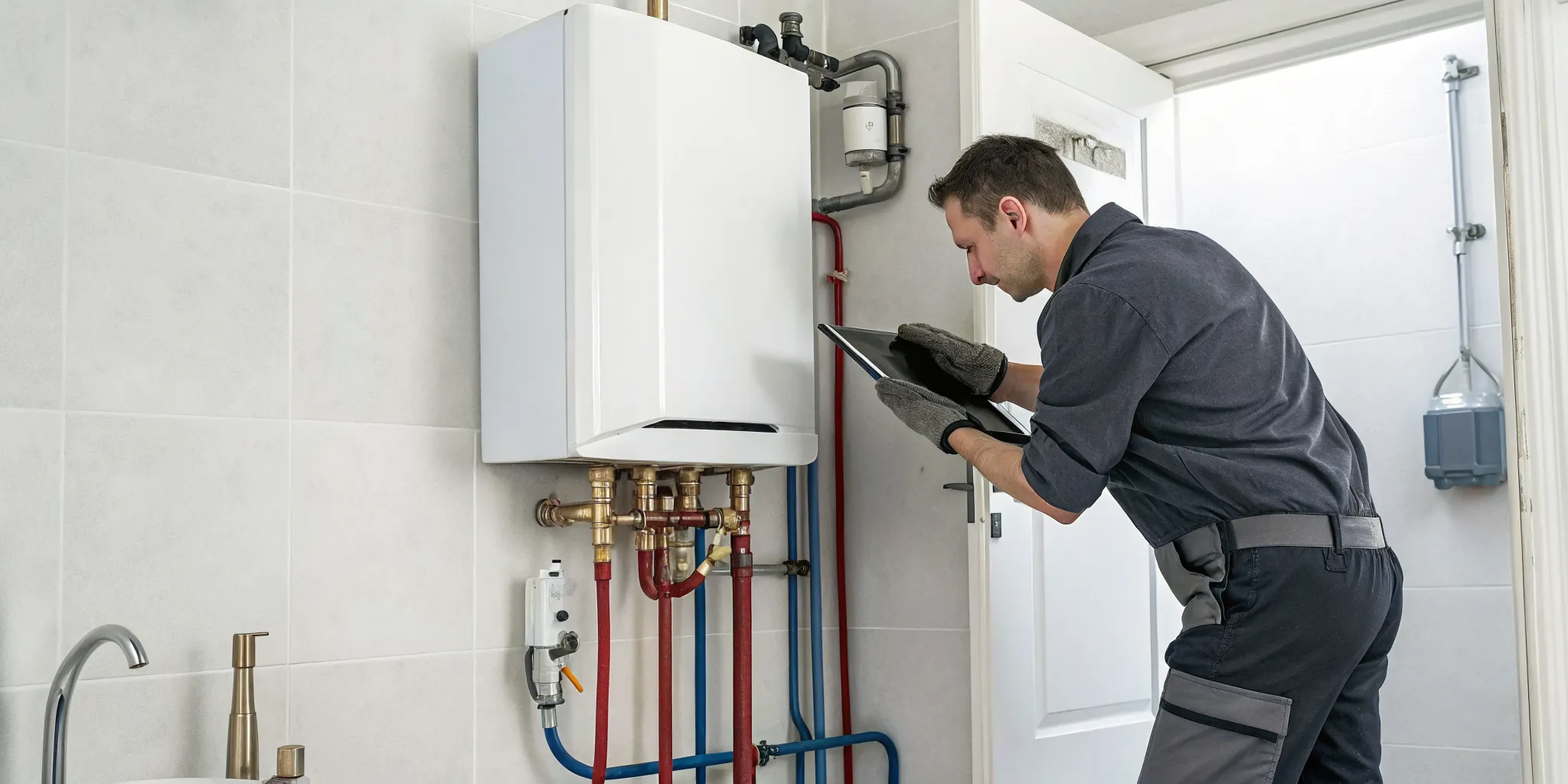
Here in the Okanagan, our plumbing and heating systems face challenges that you just don’t see in other parts of BC. Our notoriously hard water is tough on appliances, causing mineral and sediment buildup that can lead to premature failure. At TruFinity Plumbing Heating & Cooling, we see the results every day in homes from Kelowna to Vernon. A sudden case of no hot water heating your home is one of the most common calls we get. We’ve created this guide to share our local expertise, helping you understand why your system might have failed and what you can safely check yourself before calling for professional help.
Key Takeaways
- Check the Basics First: Before you panic about a cold shower, check for simple fixes like a tripped circuit breaker, an extinguished pilot light, or incorrect thermostat settings. A quick reset is often all it takes to solve the problem.
- Protect Your Heater from Hard Water: The Okanagan's mineral-rich water creates sediment that damages your water heater and reduces its efficiency. The best defense is scheduling an annual professional flushing to clear out this buildup and extend your system's life.
- Know When to Call a Pro: While simple checks are fine, you should always leave serious issues like gas smells, major leaks, or recurring electrical problems to a certified technician. Proactive maintenance is the smartest way to prevent these emergencies from happening in the first place.
Why You Have No Hot Water or Heat
Waking up to a cold shower or a chilly house is one of the worst ways to start your day, especially with the Okanagan's temperature swings. When you suddenly have no hot water or heating, it’s easy to assume the worst. But often, the cause is something you can identify and sometimes even fix yourself. The problem usually lies with one of three key players in your home: your electric water heater, your gas water heater, or your furnace or boiler system. Understanding the common failure points for each can help you figure out your next steps, whether it's a simple reset or a call for professional help. Let's walk through the most frequent culprits so you can get your home comfortable again.
Common Electric Water Heater Failures
If your electric water heater has stopped working, a few common issues are likely to blame. The simplest fix is often a tripped circuit breaker, so your first step should always be to check your home’s electrical panel. If that doesn't solve it, the problem could be a faulty part. In Kelowna, we find that failed heating elements are a primary cause for plumbing repairs, especially in tanks over eight years old. Your unit also has a high-temperature cutoff switch (a red reset button) that can trip for safety. If you’re comfortable doing so, you can try resetting it after turning off the power at the breaker.
Typical Gas Water Heater Faults
For homes with gas water heaters, the troubleshooting steps are a bit different. If you have an older model, the most frequent issue is an extinguished pilot light, which you may need to relight. Another possibility is a problem with the gas supply itself. You can check that the gas valve on the supply line is in the "on" position, but if you smell gas or suspect a leak, leave your home immediately and call a professional. Blocked vents can also cause your system to shut down as a safety measure. These are just a few reasons why you might have no hot water in your house, and it's always best to prioritize safety with gas appliances.
Furnace and Boiler Breakdowns
Sometimes the problem isn't your water heater at all, but your boiler or furnace, especially in systems that provide both heat and hot water. A common issue in these "combi" systems is a faulty diverter valve. This small part directs hot water to either your radiators or your taps. If it gets stuck, you might have central heating but no hot water, or vice versa. We also see issues with air getting trapped in the system, which can prevent proper circulation. During a cold snap, boiler damage from freezing pipes can also halt everything, a problem we sometimes see in older Rutland mechanical rooms. When this happens, you'll need a professional for furnace services.
Why Okanagan Water Is Tough on Heaters
Living in the Okanagan is incredible, but our beautiful valley has a secret that’s not so friendly to your home’s plumbing: extremely hard water. Unlike the soft water found in coastal areas, our water is packed with minerals. While it’s safe to drink, it can cause serious, costly problems for your water heater over time. At TruFinity Plumbing Heating & Cooling, we see the effects of this firsthand in homes from Penticton to Vernon. Understanding how our local water affects your system is the first step in preventing a cold shower surprise and keeping your heater running efficiently for years.
How Hard Water Damages Your System
Hard water is water with a high concentration of dissolved minerals, primarily calcium and magnesium. When this water is heated inside your tank, these minerals separate and stick to surfaces, forming a rock-like scale. This is especially tough on the heating elements. It might not sound like a big deal, but even a thin layer of scale forces your system to work much harder to heat the water. In fact, just a quarter-inch of buildup can reduce your water heater's efficiency by up to 40%. For you, that means higher energy bills and a shorter lifespan for your appliance, whether you're in an Upper Mission home or a downtown Kelowna condo.
The Problem with Sediment Buildup
That mineral scale doesn't just stick to the heating elements; it also breaks off and settles at the bottom of your tank, creating a thick layer of sediment. Have you ever heard your water heater making strange popping or rumbling sounds? That’s often the sound of water getting trapped under the sediment and boiling. This layer acts like an insulator, preventing the burner or element from heating the water efficiently. Based on our service calls in West Kelowna and Rutland, we know this sediment buildup is a leading cause of premature failure in gas water heaters, sometimes in as little as six to eight years. Over time, it can also corrode the tank and lead to leaks.
Why Annual Flushing Is Critical Here
So, what can you do about it? The single most effective step is annual flushing. This maintenance task involves draining your water heater tank to clear out all that accumulated sediment. Because Okanagan water is so hard, this isn't just a "nice-to-do," it's essential for protecting your investment. While a homeowner in Vancouver might get away with skipping it, here it’s a critical part of your home’s upkeep. Regular maintenance and flushing keeps your system running efficiently, helps you avoid unexpected breakdowns, and can significantly extend the life of your water heater. It’s a simple, proactive measure that saves you money and stress down the road.
How to Troubleshoot Your Hot Water System
Waking up to a cold shower is a rough start to any day. Before you panic, there are a few simple checks you can perform yourself to diagnose the problem. Often, the fix is surprisingly easy. These steps will help you figure out what’s going on with your electric or gas water heater so you can get the warmth flowing again. Just remember to always prioritize your safety.
Start with These Safety and Power Checks
Before you touch anything, let’s talk about safety. If you have a gas water heater and smell rotten eggs, you could have a gas leak. Do not turn any lights on or off or use your phone inside the house. Leave your home immediately. Once you are a safe distance away, call 911 and your gas utility company. If there’s no gas smell, your next step is to check the power. For both gas and electric models, make sure the unit is plugged in and switched on. It sounds basic, but you’d be surprised how often a plug gets knocked loose. A quick check of the power source can sometimes solve the entire problem in seconds.
Steps for an Electric Water Heater
If you have an electric water heater, a tripped circuit breaker is a common culprit. Head to your home’s main electrical panel and look for a breaker switch that is in the "off" or middle position. Try flipping it firmly back to the "on" position. If it stays on, you might be back in business. However, if the breaker trips again right away, there’s likely an underlying issue with the wiring or the heater itself. This isn't something to experiment with. Constantly tripping breakers are a clear sign you need professional plumbing repairs. Many electric heaters also have a red reset button for the high-temperature cutoff, usually located behind an access panel. Try pressing it to see if it resets the unit.
Steps for a Gas Water Heater
For gas water heaters, the first thing to check is the pilot light. Look through the small window at the bottom of the tank to see if a small flame is lit. If it’s out, follow the manufacturer’s instructions printed on the tank to relight it. Also, confirm that the gas valve is in the "on" position; it should be parallel to the gas line. If the pilot light won’t stay lit or you suspect a problem with the gas supply, it’s time to call for help. Another potential issue is a blocked vent, which can prevent the heater from operating safely and efficiently. Proper ventilation is critical for gas appliances, so if you notice any obstructions, you’ll want to have your heating services inspected by a qualified technician.
Check Your Thermostat and Breaker Box
Sometimes the issue is just a simple setting. Check your water heater’s thermostat to ensure it’s set correctly, typically between 50°C and 60°C (122°F and 140°F). If the setting is too low, the water won’t get hot enough. If the dial is set correctly but the water is still cold, the thermostat itself might be faulty. As mentioned earlier, your home’s breaker box is a key player. Even if your water heater breaker hasn’t tripped, another circuit might be causing issues. For example, running multiple high-power appliances at once can sometimes cause electrical fluctuations. A quick scan of your entire breaker panel to make sure everything is in order is always a good idea.
Warning Signs of a Serious Problem
While some heating issues are simple DIY fixes, others are your system’s way of telling you something is seriously wrong. Knowing how to spot these warning signs can help you prevent a small problem from turning into a costly disaster or a dangerous situation for your family. If you notice any of the following red flags, it’s time to stop troubleshooting and call a professional.
Listen and Look for These Red Flags
Your senses are your best first line of defense. If you see water pooling around the base of your water heater, it’s a major red flag. While it could be a loose connection, it often signals a crack in the internal tank, which means the unit needs to be replaced. Also, listen for unusual sounds. Popping or rumbling noises from inside the tank are common in the Okanagan due to our hard water. This is the sound of water boiling around baked-on sediment buildup, which puts stress on the tank. Hissing or sizzling could mean water is dripping onto a hot burner, another sign that requires a closer look from an expert.
When Poor Performance Signals a Bigger Issue
Sometimes the problem isn’t a total failure but a frustrating decline in performance. Does your circuit breaker for the water heater trip repeatedly? Don’t just keep resetting it. This often points to a failing heating element or a serious electrical issue that needs professional diagnosis. In Kelowna, we find that a constantly tripping breaker in an electric tank often means the lower element has burned out after years of fighting sediment. Similarly, if your hot water runs out much faster than it used to or the pressure drops significantly, it’s a sign your system is struggling and needs a service call from TruFinity Plumbing Heating & Cooling.
Spotting Urgent Safety Hazards
Nothing is more important than your family’s safety. If you have a gas furnace or water heater and smell rotten eggs, you may have a gas leak. Do not touch any light switches or appliances. Leave your home immediately and call for emergency help from a safe distance. You can learn more about natural gas safety from FortisBC. Other urgent hazards include a pilot light that burns yellow instead of crisp blue, or soot stains around your appliance, which can indicate a dangerous carbon monoxide issue. These are not DIY situations. For your safety, these complex and dangerous problems should only be handled by a licensed technician from Trufinity.
When to Call a Professional
While it’s great to be able to handle small home repairs, some jobs are best left to a certified technician. When it comes to your home’s heating and hot water systems, a mistake can lead to bigger leaks, electrical damage, or even safety risks. Knowing when to put down the tools and pick up the phone is key to protecting your home and your family. If you’ve gone through the basic troubleshooting steps and are still facing a cold shower, it’s time to consider calling for professional help.
Know Your DIY Limits
It’s important to be honest about your own skills and comfort level. If you've tried the basic steps and still don't have hot water, it's best to call a plumbing expert. This is especially true if you suspect a gas leak (that rotten egg smell) or see significant water pooling around your unit. Problems caused by the Okanagan’s hard water, like a tank full of sediment, often require professional flushing equipment to resolve properly. A failed DIY fix can quickly turn a small issue into a costly replacement, so when you feel out of your depth, trust the pros at TruFinity Plumbing Heating & Cooling to handle your plumbing repairs safely.
What Counts as an Emergency?
Sometimes, a lack of hot water or heat isn't just an inconvenience; it's an emergency. A good rule of thumb is this: if you have no heating and no hot water in your home between October 1st and March 31st, it's considered an emergency. A cold winter night in Kelowna is no time to be without a functioning furnace. Other urgent situations include major water leaks from your tank or pipes, loud banging or screeching sounds from your furnace, or any signs of a gas leak. In these cases, don’t wait. Trufinity offers fast, reliable emergency service to get your home comfortable and safe again.
Leave These Complex Repairs to the Pros
Certain tasks should always be handled by a qualified technician. For any gas-related issues, internal tank leaks, or repeated circuit breaker trips, you should always call a professional. Working with gas lines or your home’s electrical system is dangerous without proper training and tools. The same goes for replacing critical components like a thermocouple, gas valve, or pressure relief valve. Whether you have a complex furnace in an Upper Mission home or a water heater issue in a West Kelowna basement, our certified technicians at TruFinity Plumbing Heating & Cooling have the expertise to diagnose and fix the problem correctly the first time.
How to Prevent Future Heating Issues
The best way to deal with a heating emergency is to prevent it from happening in the first place. A little proactive care goes a long way, especially here in the Okanagan, where our hard water and seasonal temperature swings can be tough on your home’s systems. Taking a few preventative steps not only saves you from the stress of a sudden breakdown but also helps your equipment run more efficiently and last longer. Whether you live in an older Rutland home or a new build in the Upper Mission, these tips will help you protect your investment and ensure you have reliable hot water and heat when you need it most.
Think of it like changing the oil in your car; you do it to avoid a much bigger, more expensive problem down the road. The same logic applies to your home's plumbing and HVAC systems. A small investment in maintenance can prevent a cascade of issues, from minor leaks to complete system failure. For homeowners who want total peace of mind, the team at TruFinity Plumbing Heating & Cooling offers a Proactive Maintenance Program that handles all of this for you, keeping your systems in top shape year-round. It's the easiest way to keep everything running smoothly without having to mark your calendar.
Schedule Regular Maintenance and Flushing
If there’s one thing every Okanagan homeowner should know, it’s that our water is packed with minerals. This hard water creates sediment that settles at the bottom of your water heater tank, forming a thick layer that forces your system to work harder to heat the water. This is why annual flushing is so much more critical here than in places with softer water. Regularly cleaning and descaling your water heater prevents this buildup, protecting the heating elements and improving efficiency. In Kelowna, we often see unmaintained gas units fail from sediment buildup years earlier than they should.
Prepare Your System for Okanagan Seasons
The Okanagan’s climate puts your heating system through its paces, from hot, dry summers to cold, snowy winters. During a cold snap, your water heater has to work much harder to bring frigid water up to temperature. You can give it a helping hand by insulating the hot water tank and any exposed hot water pipes, especially in unheated areas like a garage or crawl space. This simple step reduces heat loss, meaning the system doesn't have to fire up as often. It’s a small change that can make a noticeable difference in your energy bills and reduce strain on your heating equipment.
Inspect and Replace Your Anode Rod
Inside your water heater tank is a small but mighty component called an anode rod. Its job is to protect your tank from rusting by attracting corrosive elements in the water, essentially sacrificing itself over time. Because our local water is so mineral-rich, anode rods in the Okanagan can corrode much faster than average. Once it’s gone, the tank itself starts to rust, leading to leaks and total system failure. Having a professional from TruFinity Plumbing Heating & Cooling inspect this rod during your annual maintenance and replace it when needed is a small, inexpensive task that can prevent the catastrophic failure of your entire water heater.
Get Your Hot Water Running Again with TruFinity
When your home goes cold, you need a solution you can trust, and you need it fast. At TruFinity Plumbing Heating & Cooling, we specialize in diagnosing and resolving heating and hot water issues for our neighbors across the Okanagan. We combine technical expertise with a deep understanding of how our local environment, from Lake Country to Penticton, affects your home’s systems. Our goal is to restore your comfort with reliable service that addresses the root of the problem, ensuring you have peace of mind and a warm home.
Your Local Okanagan Experts
Waking up to a cold shower is a frustrating way to start the day. More often than not, the problem traces back to your water heater. Whether it's an electrical fault, a gas supply issue, or a pilot light that’s gone out, our team has seen it all. As local Okanagan technicians, we know the specific challenges our region presents. We’ve handled everything from sediment-clogged tanks in Rutland mechanical rooms to failing heating elements in Upper Mission homes. TruFinity’s experienced team can quickly identify the cause of your hot water failure and provide effective plumbing repairs to get your system back online.
Fast Emergency Service When You Need It
Losing your heating and hot water during an Okanagan winter is more than just an inconvenience; it can be an emergency. We understand that you can’t wait days for a fix when the temperature drops. If you find yourself without heat or hot water between October 1st and March 31st, it’s a situation that requires immediate attention. TruFinity Plumbing Heating & Cooling is structured to respond quickly when you need us most. Our team is ready to provide prompt, professional heating services to diagnose the issue and restore warmth and comfort to your home without delay.
Expert Repair and Replacement Solutions
Our technicians are equipped to handle any issue, big or small. For a gas water heater, we’ll start with the basics, like checking the gas valve and pilot light. However, many problems require a deeper look. Based on our experience, we know that in Kelowna, heating element failure is a common culprit in electric tanks, while sediment buildup often causes issues in gas units after just a few years. We provide honest assessments to help you decide between a simple repair and a full water heater replacement. We’ll give you the information you need to make the best long-term choice for your home and budget.
Make Your Hot Water System Last
A water heater is one of those appliances you don't think about until it stops working. But when you're faced with a cold shower on a chilly morning, it's all you can think about. Investing in a new system is a significant decision for any homeowner, so you want to make sure it lasts as long as possible. With the right choices and a little proactive care, you can add years to your system's lifespan and avoid the stress of unexpected breakdowns. This is especially true here in the Okanagan, where our hard water quality presents unique challenges that can shorten the life of your equipment if left unmanaged.
The key is to think long-term. Instead of waiting for a problem to appear, you can make smart decisions from the start and follow a simple maintenance routine. This approach not only saves you money on premature replacements and emergency repairs but also gives you invaluable peace of mind knowing your home's comfort is protected. Let’s walk through the two most effective strategies for protecting your hot water system and ensuring you get the most value from your investment for years to come.
Choose the Right System for Okanagan Water
When it comes to longevity, not all water heaters are created equal, particularly with the Okanagan’s hard water. The high mineral content in our water supply can cause sediment to build up quickly, reducing efficiency and leading to early failure. One of the best ways to combat this is by choosing a system designed to handle these conditions. While traditional tank-style heaters are common, they constantly store a large volume of water, giving minerals plenty of time to settle and cake onto heating elements and the tank floor.
For many homeowners, a tankless water heater is a more durable solution. These systems heat water on demand, meaning water isn’t sitting and depositing minerals 24/7. This design significantly reduces sediment buildup and can lead to a much longer operational life. When you’re ready for a replacement, the team at Trufinity can help you weigh the pros and cons to find the perfect fit for your home and budget.
Join Our Proactive Maintenance Program
The single most effective way to extend the life of any water heater is through regular, professional maintenance. Just like changing the oil in your car, routine service keeps your system running efficiently and catches small issues before they become major disasters. Annual flushing is essential in our region to remove the mineral sediment that accumulates and damages your tank and components. During a maintenance visit, a technician will also inspect the anode rod, a critical part that sacrifices itself to prevent the tank from rusting.
To make this process simple and worry-free, TruFinity Plumbing Heating & Cooling offers a proactive maintenance membership program. As a member, you won’t have to remember to schedule service; we’ll handle it for you. Our experts will perform a comprehensive tune-up and flushing each year, ensuring your system is in top condition to handle the demands of every Okanagan season. It’s the easiest way to protect your investment and ensure your family always has the hot water they need.
Related Articles
- No Hot Water? When to Call a Plumber in Kelowna
- No Hot Water? Your Gas Water Heater Troubleshooting Guide
- Mastering Hot Water Tank Installation in Kelowna: A Step-by-Step Guide
Frequently Asked Questions
Why is my water heater making popping or rumbling sounds? That noise is a common sign of sediment buildup, a frequent issue here in the Okanagan due to our hard water. Mineral deposits settle at the bottom of your tank, and the popping sound is water boiling underneath that layer. This means your heater is working inefficiently and is under stress. An annual professional flush from TruFinity Plumbing Heating & Cooling can clear out that sediment and help your system run properly.
Is it really necessary to flush my water heater every year? Yes, it is absolutely essential in our region. The high mineral content in Okanagan water causes sediment to accumulate much faster than in areas with softer water. If you skip an annual flush, that buildup can harden, forcing your heater to work harder, raising your energy bills, and potentially causing the tank to fail years ahead of schedule. It's the most effective maintenance task for protecting your investment.
My heat works, but I have no hot water. Is this an emergency? While it's certainly a major inconvenience, this situation is not typically classified as an emergency unless you have vulnerable people in your home. We generally define an emergency as having no heat and no hot water during the cold season, which is roughly October through March. Of course, if you notice a significant water leak or smell gas, you should call for immediate help from Trufinity, no matter the season.
I tried resetting the circuit breaker, but it keeps tripping. What's next? A breaker that trips repeatedly is a clear signal to stop DIY troubleshooting and call a professional. This often points to a more serious electrical issue, like a failing heating element or a problem with the wiring. For your safety, you should leave the breaker off and schedule a service call with a certified technician to diagnose the root cause correctly.
Is a tankless water heater a better choice for dealing with hard water? For many Okanagan homeowners, a tankless system is a great long-term solution. Because these units heat water on demand rather than storing it, there is much less opportunity for mineral sediment to settle and cause damage. This design helps them maintain efficiency and often gives them a longer lifespan than traditional tanks in our hard water environment.


.webp)