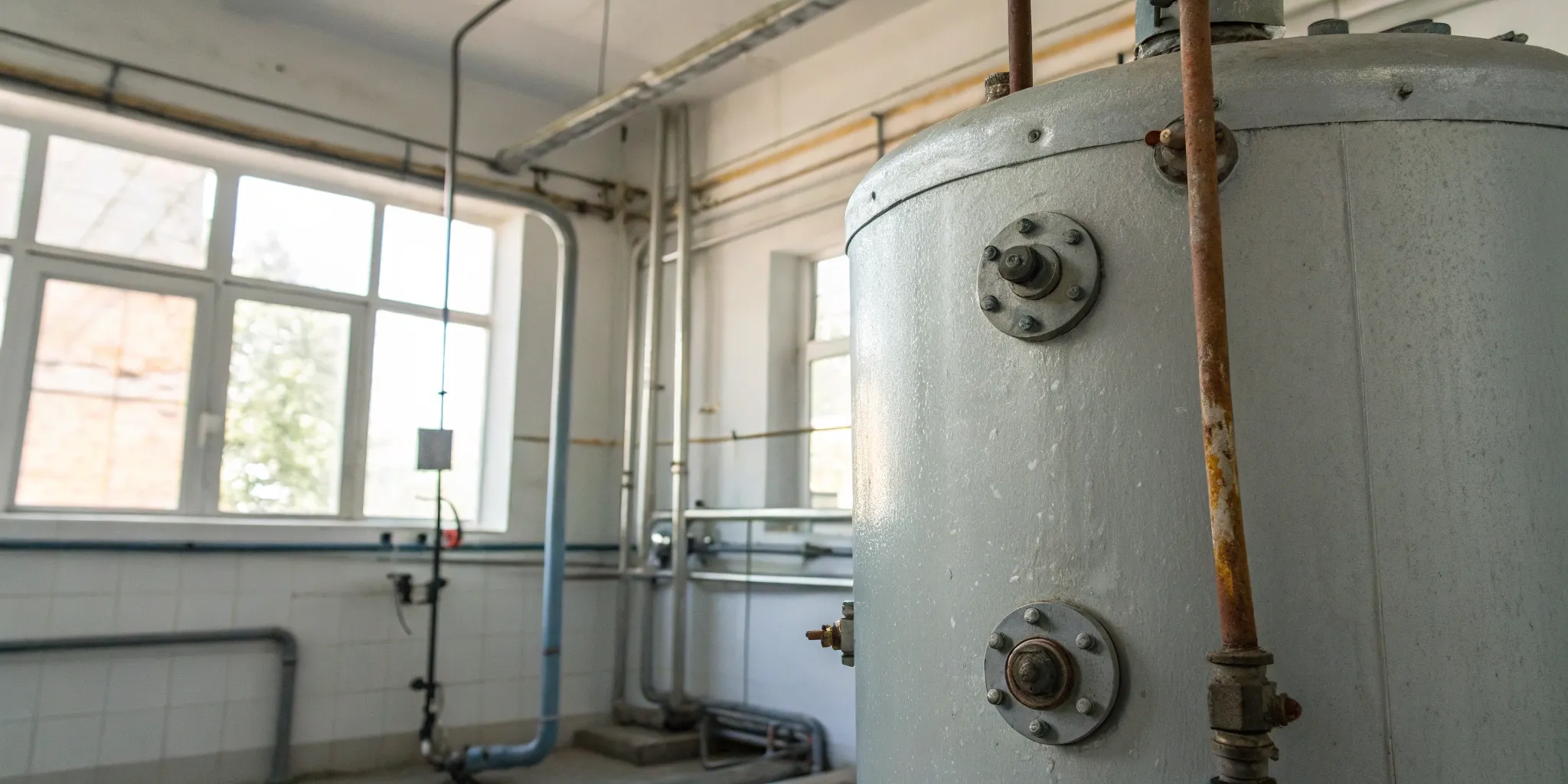
Think of yourself as a home detective for a moment. One of the most important clues about your home's health is hidden in plain sight on your water heater. The manufacturer’s label contains a serial number—a code that tells you exactly when your unit was made. Most homeowners have no idea how old their unit is, leaving them vulnerable to a sudden breakdown. But you can solve this mystery in just a few minutes. Cracking the code is surprisingly simple once you know what to look for. Let's walk through the process of how to find water heater age and uncover this vital piece of information.
Key Takeaways
- Decode the Serial Number to Find the Age: Your water heater's manufacturing date is hidden in the serial number on its label. The first few characters typically indicate the year and month, though the format varies by brand.
- Know When to Replace, Not Just Repair: If your tank is over 10 years old and showing signs of trouble—like rusty water, leaks, or loud noises—it’s often more cost-effective to replace it than to continue with expensive repairs.
- Prioritize Annual Maintenance for Longevity: A yearly professional flush is the most effective way to extend your water heater's life. This service removes harmful sediment, improves efficiency, and helps catch small problems before they become major leaks.
How Old is Your Water Heater (And Why You Should Care)
That big metal tank tucked away in your basement or utility closet is one of the hardest-working appliances in your home. But just like anything else, it doesn’t last forever. Knowing your water heater’s age is the first step in preventing a no-hot-water emergency and the messy, expensive water damage that can come with a sudden failure. Think of it as proactive home care that saves you stress and money down the road.
Most traditional tank-style water heaters have a typical lifespan of about 10 to 15 years. If your unit is approaching or has passed the decade mark, it’s living on borrowed time. The internal components, like the anode rod and the tank lining, wear down over the years, making leaks and breakdowns much more likely. An older, less efficient unit also has to work harder to heat your water, which can slowly drive up your monthly energy bills without you even noticing.
Beyond the inconvenience of a cold shower, an aging water heater poses a real risk to your property. A sudden tank rupture can release dozens of gallons of water, causing significant damage to floors, walls, and belongings. Worse yet, some homeowner's insurance policies may not fully cover water damage claims if the failure is due to a poorly maintained or old appliance. By identifying your water heater’s age now, you can plan for a replacement on your own terms, not in the middle of a crisis.
How to Find the Label on Your Water Heater
Before you can figure out how old your water heater is, you need to find its birth certificate: the manufacturer’s sticker. This label contains all the vital information, including the serial number that holds the key to its manufacturing date. It’s usually a large sticker, about the size of an index card, and it’s placed directly on the unit. Finding it is your first and most important step. Don’t worry, it’s typically in a pretty obvious spot, but sometimes years of dust or a tight installation in a closet can make it tricky to locate. Let’s walk through exactly where to look and what to do if you run into trouble.
Check These Common Spots First
Most manufacturers make this part easy. Start by doing a slow walk-around of your water heater tank. The label is almost always on the upper half of the unit, making it visible without having to crouch down too much. Look for a large sticker on the side of the tank; it’s often called the “rating plate.” If your water heater is tucked into a corner or closet, you might need a flashlight to get a good look at the sides facing the wall. In some cases, especially with older models, the label could be near the bottom or even on the top. Just be careful around any pipes or wiring as you search.
What to Look For on the Label
Once you’ve found the label, you’ll see a lot of technical information. Don’t get overwhelmed! You’re looking for one specific piece of information: the serial number. The label will also list the manufacturer (like Rheem, Bradford White, or A.O. Smith), the model number, and tank capacity. The serial number is the unique identifier for your specific unit. It’s usually a long string of letters and numbers. This is the code you’ll need to decipher the manufacturing date. Snap a clear picture of the entire label with your phone so you have a record of it. This is the exact information our plumbing professionals would ask for if you called for service.
Tips for Hard-to-Read Labels
What if the label is covered in dust, faded, or peeling? It happens, especially in damp basements or dusty utility closets. First, try gently wiping the label with a dry or slightly damp cloth to clear away any grime. Sometimes, shining a flashlight on the label from different angles can help make raised or faded numbers easier to read. If the label is completely missing or so damaged that you can’t make out the serial number, that itself can be a sign that the unit is quite old. In that case, it’s a good idea to have a professional take a look. A quick water heater inspection can confirm its condition and help you plan for the future.
How to Decode Your Water Heater's Serial Number
Once you’ve found the manufacturer’s sticker, the serial number is your key to finding your water heater’s true age. Think of it as a secret code—and luckily, it’s one you can crack. While every brand has a slightly different format, most use a logical system that embeds the manufacturing date right into the number.
The first few letters and numbers are almost always the most important. Your goal is to identify which digits represent the year and which represent the month or week of manufacturing. With a little detective work, you can pinpoint exactly when your unit was made, giving you a clear idea of how much life it has left.
Read Different Manufacturer Formats
The first step in decoding is knowing that there’s no universal format. Each brand, from Rheem to Bradford White, uses its own system. To determine how old your water heater is, you’ll need to check the serial number on the manufacturer's sticker, as the first few digits usually correspond with the date it was made. For example, some brands use a letter to represent the month (A for January, B for February, etc.), while others use a straightforward numerical system. Don’t get discouraged if it’s not immediately obvious. Identifying the brand name is half the battle, as it allows you to look up the specific format for that manufacturer.
Find the Month and Year
Once you know the brand, you can look for common patterns. Many manufacturers make it fairly simple. For instance, Rheem and Ruud water heaters often use a serial number where the first two digits are the month and the next two are the year. A serial number starting with 1221 would mean it was made in December 2021. Other brands, like AO Smith, use a different logic where the first two digits are the year and the next two are the week. So, a serial number starting with 2108 would mean it was manufactured in the 8th week of 2021. If you find your unit is older than 10-12 years, it might be time to consider professional water heater services.
Avoid These Common Decoding Mistakes
It’s easy to get tripped up during this process, but here are a couple of things to watch out for. First, don't confuse the big yellow Energy Guide sticker with the manufacturer's label. The Energy Guide tells you about the unit's efficiency, not its age. The date you need is on the sticker with the model and serial numbers. Another common mistake is assuming a brand’s format has stayed the same forever. Manufacturers sometimes change their coding systems, so a decoding guide from ten years ago might not work for a newer model. If you’re feeling stuck, don’t hesitate to snap a picture of the label and show it to a professional.
What If the Label is Missing or Unreadable?
It’s frustrating when the one piece of information you need is smudged, peeled off, or completely gone. If your water heater’s manufacturer label is unreadable or missing, don’t worry. You still have a few good options for figuring out its age. The serial number is your best clue, but even without it, you’re not out of luck. A little detective work can tell you what you need to know about your unit’s history and whether it’s time to start planning for a replacement.
Try These Alternative Methods
If the main label is gone, the serial number is your next best bet. Most manufacturers encode the production date directly into this string of letters and numbers. Look for a small metal plate or another sticker elsewhere on the tank, often near the warning labels or the yellow Energy Guide sticker. If you can find the serial number, you’re halfway there. You can also check for a date stamped directly onto the tank itself, sometimes near the top or bottom. And if you have the original paperwork from when the home was built or the unit was installed, the date should be listed there.
Use Online Manufacturer Tools
Once you have the brand name and serial number, the internet is your friend. Most major water heater brands provide online resources to help you determine the age of your unit. A quick search for your brand’s name plus “serial number lookup” will often lead you to a dedicated page or a guide explaining their format. For example, some use the first two numbers for the year, while others use a letter to represent the month. This information can help you decode the serial number and find the manufacturing date with confidence.
When to Call a Professional for Help
If you’ve tried everything and still can’t find the date, or if you’re just not sure you’re reading it right, it’s a good time to call a professional. A licensed plumber can identify the age and, more importantly, assess the overall condition of your water heater. This is especially critical if you’re already noticing issues like lukewarm water, strange noises, or small leaks. A quick inspection can give you peace of mind and a clear idea of how much life your unit has left. Our team provides expert water heater services and can help you make an informed decision about repair or replacement.
How to Extend Your Water Heater's Lifespan
Once you know how old your water heater is, you can take a few simple steps to help it reach—and even exceed—its expected lifespan. A little proactive care goes a long way in preventing surprise cold showers and costly emergency replacements. Keeping your water heater in good shape isn't just about longevity; it’s also about efficiency and safety. A well-maintained unit uses less energy to heat your water, which helps keep your utility bills in check. More importantly, regular checks can catch small issues like minor leaks or faulty valves before they turn into major problems that could damage your home.
Think of maintenance not as a chore, but as a smart investment in your home’s comfort and value. You don't have to be a plumbing expert to make a difference. By understanding a few key tasks and knowing when to call for professional help, you can take control of your home's systems. From quick visual checks to scheduling an annual tune-up, you have the power to keep your system running smoothly for years to come, ensuring your family has reliable hot water when they need it most.
Perform Essential Maintenance
The single most important thing you can do for a tank-style water heater is to flush it regularly. Over time, minerals from our water here in the Okanagan can settle at the bottom of the tank, creating a layer of sediment. This buildup forces the unit to work harder to heat the water, leading to inefficiency and premature failure. We recommend a professional flush at least once a year. You can also do a quick visual inspection yourself every few months. Look for any signs of dripping water, rust, or corrosion around the fittings and on the tank itself. Catching a small issue early is key to avoiding a bigger mess, and our team provides expert plumbing repairs to handle any concerns you find.
Adjust Settings for Better Efficiency
A couple of small adjustments can make a big difference in your water heater’s performance and lifespan. First, check the temperature setting. Most manufacturers recommend a setting of 120°F (49°C), which is hot enough to prevent bacterial growth but not so high that it wastes energy or creates a scalding risk. Anything higher puts unnecessary stress on the tank. Second, consider your water quality. Hard water contains high levels of minerals that accelerate sediment buildup. Installing a water softener can protect not just your water heater but all of your plumbing fixtures and appliances. We can help you explore your options for water filtration services to find the right fit for your home.
The Benefits of a Professional Tune-Up
While DIY inspections are great, nothing beats a professional tune-up. During a service call, a certified technician does more than just flush the tank. They’ll inspect the anode rod—a critical component that sacrifices itself to protect your tank from rust—and test the temperature and pressure relief valve to ensure it’s working correctly for your safety. An annual tune-up is the best way to catch minor issues before they become major problems, ensuring your system runs safely and efficiently. Our membership program includes regular maintenance checks, giving you one less thing to worry about. It’s a simple way to protect your investment and ensure your family always has the hot water they need.
When Should You Replace Your Water Heater?
Once you’ve figured out your water heater’s age, the next logical question is, "So... what now?" Knowing the age is crucial because it helps you shift from reacting to problems to planning for the future. A water heater doesn't last forever, and being prepared can save you from the headache and expense of a sudden breakdown—not to mention a freezing cold shower on a Monday morning.
Age is a key indicator, but it’s not the only factor. The performance of your unit tells a story, too. Strange noises, lukewarm water, or visible rust are all signs that your water heater might be on its last legs. By paying attention to both its age and its daily performance, you can make a smart, informed decision about whether a simple repair will do the trick or if it’s time to start looking for a replacement. This proactive approach gives you control, ensuring your home has reliable hot water when you need it.
Know the Lifespan of Tank vs. Tankless Heaters
Not all water heaters are built to last the same amount of time. A conventional storage-tank water heater, the kind most homes in the Okanagan have, typically has a lifespan of about 10 to 15 years. If your unit is creeping up on that age range, it’s wise to start budgeting for a replacement. On the other hand, tankless water heaters can last much longer, often hitting the 20-year mark or more with proper care. Understanding which type you have sets a clear expectation for its service life and helps you plan ahead for your home's water heater services.
Watch for These Performance Warning Signs
Your water heater will usually give you hints before it fails completely. Keep an eye—and an ear—out for these common red flags:
- Rusty Water: If you notice discoloured or rusty water coming from your hot taps, it’s a strong sign that the inside of your tank is corroding.
- Strange Noises: Rumbling, popping, or knocking sounds often mean sediment has built up at the bottom of the tank, forcing it to work harder and less efficiently.
- Leaks or Puddles: Any water pooling around the base of your water heater is a serious issue. It could indicate a crack or fracture in the tank and requires immediate professional attention. If you see a leak, it's time to call for plumbing repairs right away.
Decide Between Repairing or Replacing
Making the call between repair and replacement often comes down to simple math. A good rule of thumb is to consider the age of your unit and the cost of the fix. If your water heater is more than 10 years old and the repair estimate is close to 50% of the cost of a new one, replacement is almost always the more sensible long-term investment. An older unit that needs frequent repairs is likely to become a money pit. Upgrading to a new, more efficient model can lower your energy bills and give you peace of mind. Plus, you can often find great offers and rebates to make the investment more affordable.
Your Next Steps for Water Heater Care in Kelowna
Now that you have a good idea of your water heater’s age, you can take control of its health and performance. Knowing its manufacturing date is the first step, but proactive care is what prevents those surprise cold showers and unexpected leaks. Whether your unit is just a few years old or nearing retirement, here are the practical next steps you can take to ensure you have reliable hot water year-round in your Kelowna home.
Schedule Regular Maintenance
Just like your car, your water heater needs regular tune-ups to run efficiently. Over time, minerals from our local water supply can build up as sediment inside the tank, forcing it to work harder and wasting energy. According to the U.S. Department of Energy, maintaining your water heater is key to its longevity. A professional water heater flush is one of the best things you can do. This simple task removes the sediment, improves heating efficiency, and helps prevent corrosion. For most units, an annual check-up is a smart investment in your home’s comfort and can help you avoid costly repairs down the road.
Consider an Upgrade if It's Getting Old
If you discovered your tank-style water heater is over 10 years old, it’s time to start planning for a replacement. It’s far better to replace it on your schedule than to deal with a messy and stressful failure in the middle of winter. Modern water heaters are significantly more energy-efficient, which can lower your utility bills. You might also consider upgrading to a tankless system for endless hot water on demand. We can help you explore the best options for your home and budget, and you can check out our current rebates and offers to make the switch even more affordable.
Get a Professional Assessment
If you couldn't find the label, the serial number was unreadable, or you’re just not sure about your water heater’s condition, let a professional take a look. A trained technician can give you a clear and honest assessment of its health, perform critical maintenance, and let you know what to expect in the coming years. At TruFinity, our goal is to provide you with the information you need to make confident decisions. Our team is here to offer "True Service, Infinite Care," ensuring your home’s essential systems are safe and reliable. We're always happy to help our neighbours in the Okanagan.
Related Articles
Frequently Asked Questions
How long should my water heater actually last? For a traditional tank-style water heater, which is what most of us have, you can expect a lifespan of about 10 to 15 years. If you have a tankless model, they often last much longer, sometimes over 20 years with consistent care. Local water quality can play a role, so regular maintenance is the best way to help your unit reach the upper end of its expected lifespan.
My water heater is over 15 years old but works fine. Should I still replace it? It's smart to be thinking about this. Even if it seems to be working, an older unit is living on borrowed time. The real risks are internal corrosion you can't see and declining efficiency that quietly raises your energy bills. Replacing it proactively allows you to choose a new unit on your terms and schedule, rather than dealing with a messy and expensive emergency when it finally fails.
Is an annual professional check-up really necessary? Think of it like a check-up for your car or your teeth—it’s all about prevention. During a professional tune-up, a technician can spot issues you might miss, like a failing pressure relief valve or a depleted anode rod, which is a key part that prevents the tank from rusting from the inside out. An annual visit ensures your system is running safely and efficiently, and it's the single best way to extend its life.
What's the first thing I should do if I see a small leak around my water heater? Any amount of water around the base of your unit is a sign that you need to act quickly. Even a small puddle can point to a crack in the internal tank or a failing connection, which could lead to a major flood. The best first step is to call a licensed plumber right away to assess the situation and prevent further damage to your home.
Can I find the age of a tankless water heater the same way? Yes, the process is very similar. You'll still need to locate the manufacturer's label on the unit to find the serial number. The decoding format will vary by brand, just like with tank-style heaters, but the principle is the same. Since tankless units have a longer lifespan, knowing their age helps you stay on top of the specific maintenance they need, like descaling, to keep them running efficiently for years.



.webp)