Living in the Okanagan means dealing with unique challenges, like our notoriously hard water that can shorten an appliance's lifespan. When considering a new water heater, these local factors are crucial. The real heat pump water heater cost isn’t just about the price tag; it’s about choosing a system that performs efficiently in our specific environment. At TruFinity Plumbing Heating & Cooling, we help homeowners in Kelowna, Vernon, and Penticton understand the full investment. This article breaks down everything from installation specifics to how you can maximize long-term savings and protect your new unit from our region’s hard water.
Key Takeaways
- Look beyond the sticker price: Your total investment includes the unit, professional installation, and any potential electrical work. Think of it as a complete system upgrade, not just an appliance purchase.
- Focus on the payback, not just the price: A heat pump water heater can significantly cut your annual energy bills, often paying for the initial investment within a few years. After that, the savings go directly back into your pocket.
- Plan for local Okanagan conditions: Take full advantage of provincial and utility rebates to lower your upfront cost, and schedule regular maintenance to protect your heater from our region's hard water.
What Is a Heat Pump Water Heater?
If you’re looking for a smarter, more efficient way to heat your water, a heat pump water heater might be the perfect fit. Unlike traditional models that generate heat from scratch, these innovative units work by transferring heat from the surrounding air into your water tank. This process makes them incredibly efficient and can lead to significant savings on your energy bills over time.
For homeowners in Kelowna, Vernon, and Penticton, upgrading your water heater is a practical way to reduce monthly expenses and your home's carbon footprint. At TruFinity Plumbing Heating & Cooling, we often recommend these systems as a long-term investment in your home’s efficiency and comfort. They represent a major step up from older technology, offering reliable hot water with a much lower operating cost.
How the Technology Works
Think of a heat pump water heater as a refrigerator, but in reverse. While a fridge pulls heat out of its insulated box to keep things cool, a heat pump water heater pulls heat from the ambient air and moves it into the water tank. This is a much more efficient way to get the job done compared to traditional methods.
The technology works by moving heat from the air to warm your water, instead of creating heat directly. A standard electric water heater has to use heating elements to generate warmth, consuming a lot of electricity in the process. By simply transferring existing heat, a heat pump model uses significantly less energy to achieve the same result.
Why They're So Energy Efficient
The clever way heat pump water heaters operate is what makes them the most energy-efficient option on the market. Because they move heat rather than create it, their performance is off the charts compared to older models. In fact, they are about four times more efficient than a regular electric water heater. This isn't a minor upgrade; it's a fundamental shift in technology that pays you back every month.
This efficiency translates directly into savings. According to the DCSEU, these units can use up to 70% less energy, saving the average household around $550 on electricity bills each year. For Okanagan homeowners, those savings can make a real difference. It’s one of the smartest upgrades you can make and a core component of modern, energy-efficient heating solutions.
Breaking Down the Cost of a Heat Pump Water Heater
When you start researching a heat pump water heater, the price tag is often the first thing you notice. It’s helpful to know that the total cost is more than just the appliance itself. The final price includes the unit, professional installation, and any materials needed to get it running perfectly in your home. While the initial investment is higher than a standard electric tank, the long-term energy savings are what make this technology so appealing for homeowners in Kelowna and across the Okanagan. Understanding the full breakdown helps you see the complete picture and appreciate the return on your investment.
The Upfront Cost of the Unit
The heat pump water heater itself is the first part of your investment. For the unit alone, you can expect to pay between $1,200 and $3,000. This price range depends on factors like the tank size, brand, and specific features. For instance, a standard 50-gallon tank will be at the lower end of that spectrum, while a larger 80-gallon model designed for bigger families will cost more. These advanced water heaters are a significant upgrade from traditional tanks, and their price reflects the sophisticated technology that delivers incredible efficiency.
Factoring in Installation and Labor
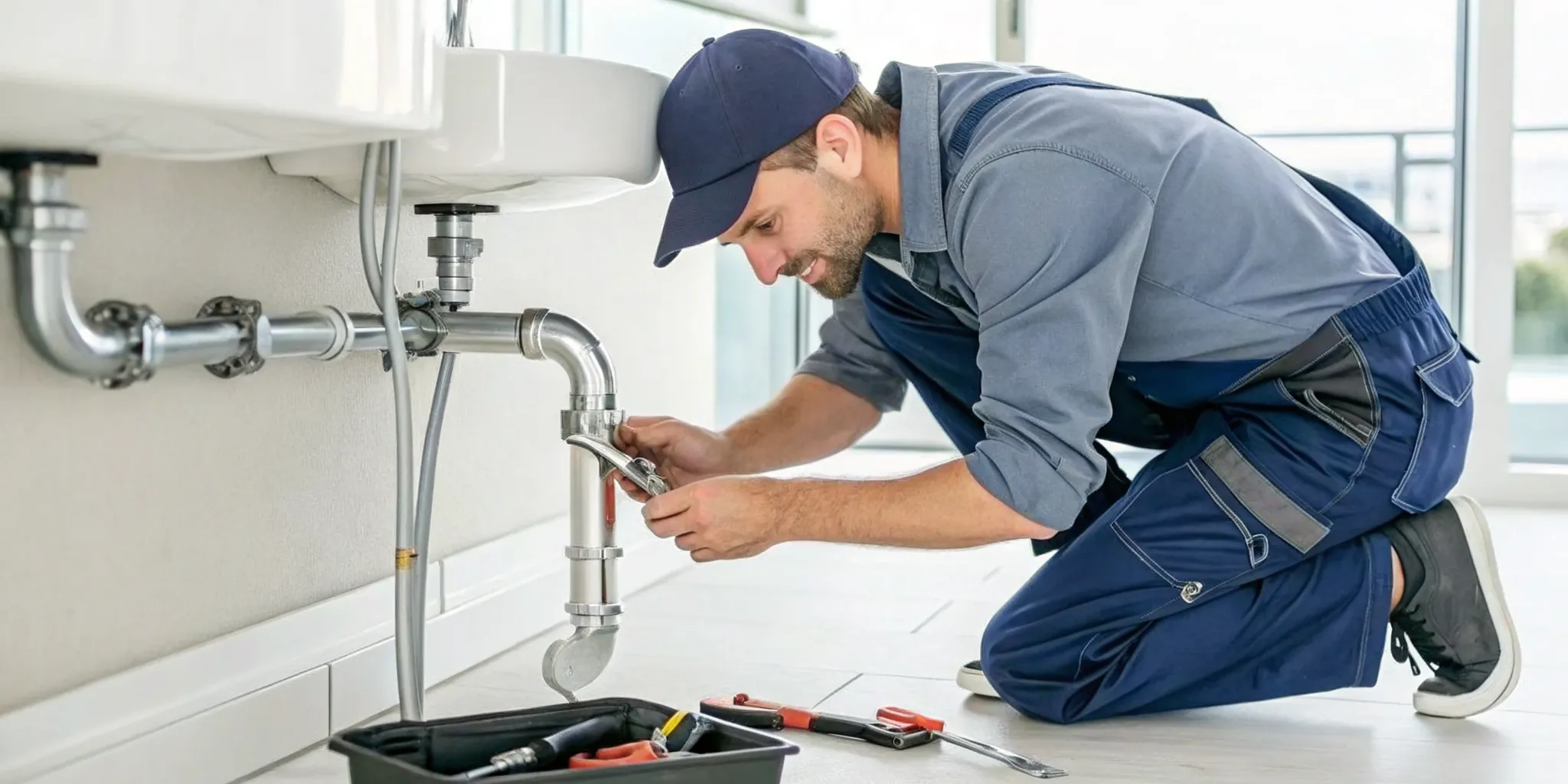
Professional installation is essential to ensure your new water heater operates safely and efficiently for years. Labor costs for a heat pump water heater installation typically range from $1,500 to over $3,000, depending on the complexity of the job. A straightforward replacement of an old electric water heater will be less involved than switching from a gas model, which often requires new electrical wiring. At TruFinity Plumbing Heating & Cooling, our certified technicians handle every detail, ensuring your system is set up correctly to meet local codes and maximize your energy savings from day one.
Other Potential Costs and Materials
Beyond the unit and labor, a few other costs might come into play. If you're moving from a gas water heater or your current electrical setup isn't sufficient, you may need an electrician to install a new 240V outlet. This work can add between $300 and $800 to the total. Additionally, the installation might require new pipes, valves, or permits. To make this investment more manageable, we can help you explore current rebates and offers that can significantly lower your out-of-pocket cost. We also provide flexible financing options to help you budget for the project.
What Factors Influence the Price?
When you're looking at the price tag for a new heat pump water heater, it's helpful to know that the final number is more than just the cost of the unit itself. Several key factors come into play, from the size of the tank to the brand you choose and the specifics of your home's setup. Understanding these elements will give you a much clearer picture of the total investment and help you make the best choice for your family and your budget. Let's break down what goes into the final cost.
Tank Size and Capacity
It makes sense that the bigger the tank, the higher the price. The size you need depends on your household's daily hot water usage. A small family might be perfectly fine with a 50-gallon tank, while a larger family will likely need an 80-gallon model to avoid running out of hot water. As a general guide, the unit itself can range from around $1,200 for a 50-gallon tank to $2,500 for an 80-gallon one. Choosing the right water heater size is the first step in ensuring you have a system that meets your needs without overspending on unnecessary capacity.
Energy Efficiency Ratings
Heat pump water heaters are famous for their incredible efficiency, and this is a major factor in their price. These units are about four times more efficient than standard electric water heaters, which translates directly into lower monthly energy bills. Models with higher energy efficiency ratings often have a higher upfront cost, but they also deliver greater long-term savings. Think of it as an investment in your home's energy future. A more efficient unit will pay for itself faster through reduced operating costs, making it a smart financial decision for many Okanagan homeowners.
Brand and Key Features
Just like with cars or appliances, the brand you choose and the features it includes will influence the price. Well-known brands with a long history of reliability may cost more than newer or lesser-known names. Additionally, modern heat pump water heaters can come with some impressive tech. Features like Wi-Fi connectivity for smart controls or built-in leak detection add convenience and peace of mind, but they also place a unit at the higher end of the price range. Deciding which features are "must-haves" versus "nice-to-haves" can help you find a model that fits your budget.
The Complexity of Your Installation
The unit itself is only part of the equation; professional installation is key to ensuring your new water heater runs safely and efficiently. The complexity of the job can cause installation costs to vary, typically ranging from $1,500 to over $3,000. Factors that affect this price include the location of the unit, the condition of your existing plumbing, and whether any electrical upgrades are needed to support the new system. At TruFinity Plumbing Heating & Cooling, our expert technicians can assess your specific situation to provide a clear and accurate quote for your heating and plumbing needs.
How Much Can You Really Save?
Let’s talk numbers. A heat pump water heater has a higher price tag upfront than a standard electric model, and it’s important to acknowledge that. But thinking about the initial price is only half the story. The real benefit comes from the significant long-term savings on your energy bills. Because these units are so efficient, they use a fraction of the electricity to do the same job, which translates directly into money back in your pocket every month.
The key is to look at this as an investment in your home’s efficiency. Over the lifespan of the unit, a heat pump water heater doesn’t just pay for itself; it continues to save you money year after year. When you factor in the potential for government and utility rebates, the total cost of ownership often ends up being much lower than that of a less efficient, conventional water heater. The team at TruFinity Plumbing Heating & Cooling can help you find all the available rebates and offers to make sure you get the best possible price on your investment.
Calculating Your Annual Savings
So, what does this look like on your monthly utility bill? While every household is different, studies show that switching to a heat pump water heater can cut your water heating costs by up to 60%. For the average family, this can mean saving between $80 and $230 every year. This is because the technology doesn't burn fuel or use inefficient electric coils to create heat. Instead, it cleverly pulls warmth from the surrounding air and transfers it to the water in the tank. It’s a smarter, more sustainable way to heat your water, and the lower energy bills are proof that it works.
Determining the Payback Period
The "payback period" is the time it takes for your energy savings to completely cover the initial cost of the new water heater. For most homeowners, this typically falls within a three to seven-year window. Think of it this way: after that point, all the money you save on energy is pure savings. You can shorten this payback period even more by taking advantage of provincial and federal rebates, which can instantly reduce your upfront cost. At Trufinity, we also offer flexible financing options to help you manage the initial investment without straining your budget, allowing you to start saving right away.
Comparing Long-Term Operating Costs
When you compare the long-term operating costs, the advantages of a heat pump water heater become even clearer. While a traditional electric tank is cheaper to buy, it costs significantly more to run over its 10 to 15-year lifespan. A heat pump water heater’s efficiency means those long-term savings really add up. Here in the Okanagan, proper maintenance is key to protecting that efficiency, especially with our hard water. Regular service from TruFinity Plumbing Heating & Cooling ensures your unit runs smoothly for years, protecting your investment and maximizing your energy savings.
Finding Rebates and Tax Credits to Lower Your Cost
The upfront cost of a heat pump water heater is just the starting point. One of the best things about upgrading to this energy-efficient technology is the availability of rebates and credits that can significantly lower your final price. These programs are designed to encourage homeowners to make greener choices, and taking advantage of them is a smart way to manage your budget. The world of rebates can change quickly, so working with a local team like TruFinity Plumbing Heating & Cooling helps ensure you don’t miss out on any savings. We stay on top of the latest programs to help our customers get the best possible deal.
Federal Programs
The Government of Canada offers programs to help homeowners finance energy-efficient home upgrades. For instance, initiatives like the Canada Greener Homes Loan provide interest-free financing to help you cover the cost of projects, including the installation of a heat pump water heater. These federal programs are designed to make it easier for you to invest in technology that lowers your energy bills and reduces your carbon footprint. It’s always a good idea to check the official government resources to see what financial assistance is currently available for your project.
Provincial and Local Rebates
Here in British Columbia, homeowners have access to some fantastic provincial rebate programs. Through CleanBC Better Homes, you can often find substantial rebates for switching to high-efficiency appliances like heat pump water heaters. These programs are specifically for BC residents and can make a huge difference in the total cost of your upgrade. The available amounts and eligibility requirements can vary, so it’s important to review the details for homeowners in Kelowna, Vernon, and the surrounding Okanagan area. TruFinity can help you identify the provincial rebates that apply to your specific installation.
Incentives From Your Utility Company
On top of government programs, your local utility provider often has its own set of incentives. Companies like FortisBC and BC Hydro frequently offer rebates to their customers for installing energy-saving equipment. These offers can sometimes be combined with provincial rebates for even greater savings. Because these programs are managed directly by the utilities, they are tailored to local customers. The easiest way to see what’s available is to check our rebates and offers page, where we keep track of the latest opportunities to help you save money on your new water heater.
What Okanagan Homeowners Need to Know
Living in the Okanagan Valley means dealing with unique conditions, from our hot summers to our hard water. When choosing a new water heater, it's important to pick a system that's right for our environment. A heat pump water heater is a great energy-efficient choice, but there are a few local factors to consider. Understanding how our region's climate, water quality, and local incentives play a role will help you make a confident decision for your home in Kelowna, Vernon, or Penticton.
How Our Hard Water Affects Your Heater
If you live in the Okanagan, you know about our hard water. The high mineral content causes sediment buildup, or scale, inside your water heater. This forces the unit to work harder, reducing its efficiency and shortening its lifespan. That’s why annual maintenance, including flushing the tank, is so critical here. To fully protect your investment, you might also consider a whole-home water filtration system to soften the water before it ever reaches your heater, keeping your appliances running smoothly.
Will It Work in Our Climate?
It’s a common question: can a heat pump really handle an Okanagan winter? The answer is a definite yes. Modern cold-climate heat pumps are engineered to operate efficiently even when temperatures drop. They pull heat from the surrounding air, and today's technology allows them to do this effectively in a wide range of conditions. The key is a quality installation from a team that understands our local climate. A professional installation from TruFinity Plumbing Heating & Cooling ensures your system is set up for optimal performance year-round.
Local Installation Codes and Requirements
The upfront cost of a heat pump water heater is higher than a traditional tank, but significant savings are available to Okanagan homeowners. Provincial and federal governments offer generous rebates and incentives to encourage homeowners to switch to energy-efficient technology. These programs can dramatically reduce your initial investment. Navigating the application process and ensuring your installation meets all the codes to qualify can be tricky. At Trufinity, we stay on top of the latest requirements and can help you maximize your savings. We also offer flexible financing options to help you manage the cost.
Are There Any Hidden Costs?
When you’re looking at the price tag of a new heat pump water heater, it’s smart to remember that the initial cost of the unit is just one part of the equation. To get a complete picture of your total investment, you need to account for a few other factors that can influence the final price. These aren't meant to be scary surprises, but rather practical considerations to help you budget accurately for your home upgrade.
Thinking through these potential expenses ahead of time ensures a smooth installation process and helps you understand the full scope of the project. The three main areas to consider are your home’s existing electrical setup, the unit’s long-term maintenance needs, and the physical space where it will be installed. Planning for these from the start means you can fully appreciate the long-term savings of your new, energy-efficient water heater without any unexpected bills. At TruFinity Plumbing Heating & Cooling, we believe in transparency, so let’s walk through what these potential costs might look like.
Potential Electrical Upgrades
One of the first things to check is your home's electrical panel. Most heat pump water heaters require a dedicated 240-volt circuit to operate, which is different from the standard 120-volt outlets you use for most appliances. If you're switching from a gas water heater, you will almost certainly need an electrician to run a new circuit to the installation spot. Even if you’re replacing an old electric tank, it’s important to confirm the existing wiring is sufficient. A professional assessment from Trufinity can determine exactly what your home needs to safely power your new unit.
Ongoing Maintenance Needs
Just like your car, your heat pump water heater needs a little TLC to run at its best. Regular maintenance is key to protecting your investment and ensuring it operates efficiently for years to come. This typically involves cleaning the air filter and checking refrigerant levels. Here in the Okanagan, our notoriously hard water adds another layer. Mineral buildup can happen faster, making annual flushing even more critical to prevent damage and maintain performance. To combat this, you might also consider our water filtration services to protect all your home’s appliances. Staying on top of this routine care is the best way to maximize your energy savings.
Space and Ventilation Requirements
A heat pump water heater can’t just be tucked into a tight closet. Because it works by pulling warmth from the surrounding air, it needs plenty of room to breathe. These units require adequate space for airflow to operate efficiently, typically in a space that’s at least 700 cubic feet. Unfinished basements, garages, or large utility rooms are often perfect locations. Keep in mind that the unit will also cool and dehumidify the air around it, which can be a great bonus in the summer but might make a small, finished room feel chilly. Our technicians can help you find the ideal spot in your home that meets all the requirements.
How to Finance Your New Water Heater
The upfront cost of a heat pump water heater is often the biggest question on a homeowner's mind. While these systems offer incredible long-term savings, the initial investment is higher than a standard tank. The good news is you don’t have to pay for it all at once.
Making a smart home upgrade should feel empowering, not stressful. With the right planning and financial tools, you can make this energy-efficient investment work for your budget. Let’s walk through the options available to help you finance your new water heater and some practical tips for planning the project.
Exploring Payment Plans and Financing
A heat pump water heater is a smart investment that pays you back over time, but that doesn't change the initial price tag. This is where financing comes in. Many homeowners choose to spread the cost over several months or years with manageable monthly payments. This approach allows you to start enjoying the energy savings right away without a major financial strain. At TruFinity Plumbing Heating & Cooling, we offer flexible financing options to help make your upgrade affordable. When you combine a payment plan with the significant savings from rebates and incentives, the overall cost becomes much more accessible.
Tips for Budgeting Your Project
Planning your budget is about more than just the purchase price; it’s about understanding the total value. First, think long-term. While the upfront cost is higher, a heat pump water heater can cut your energy bills significantly, which helps offset the initial investment over time. Next, get a clear and detailed quote from a trusted professional. A comprehensive estimate from Trufinity will outline the cost of the unit, installation, and any necessary materials, so there are no surprises. Finally, remember to factor in routine maintenance, which is especially important for protecting your investment from the hard water we have here in the Okanagan.
The Final Verdict: Is It Worth the Investment?
So, we’ve covered the technology, the costs, and the savings. Now for the big question: is a heat pump water heater the right move for your home? While the higher initial price can seem daunting, it’s important to look at it as a long-term investment in your home’s efficiency and your family’s comfort. For most homeowners, especially here in the Okanagan, the long-term benefits far outweigh the upfront cost.
When you shift your perspective from a simple purchase to the total cost of ownership over a decade or more, the financial picture becomes much clearer. A heat pump water heater isn't just an appliance; it's an upgrade that pays you back every month on your energy bill. The team at TruFinity Plumbing Heating & Cooling can walk you through the specific numbers for your home, helping you see exactly how the savings, rebates, and financing options come together to make this a smart and affordable choice.
Understanding Your Return on Investment
Your return on investment, or ROI, is all about how quickly the money you save on energy bills covers the initial cost of the new unit. Heat pump water heaters are incredibly efficient, using up to 60% less energy than standard electric models. In fact, they are about four times more efficient than their traditional counterparts.
What does that mean for your wallet? Homeowners can expect to save between $80 and $230 every year on their utility bills. When you consider that a standard water heater can cost around $230 annually to run, while a heat pump model costs closer to $90, the savings add up fast. This consistent return makes the initial investment much easier to justify.
Calculating the Total Cost of Ownership
To get a true sense of the cost, you need to look beyond the price tag on the unit itself. The total installed cost for a heat pump water heater typically ranges from $2,500 to $5,000 or more, depending on the model and the complexity of the installation. While this is more than a standard tank, government incentives can significantly reduce that number.
For example, federal tax credits can cover 30% of the cost, up to $2,000. When you combine this with provincial rebates and our flexible financing options, the upfront financial barrier becomes much more manageable. Be sure to check our offers and rebates page for the latest local incentives available to Okanagan homeowners.
Related Articles
- 40-Gallon Heat Pump Water Heaters: What You Should Know
- Offers & Rebates
- Cost of Heat Pump Installation in Kelowna
Frequently Asked Questions
Is the higher upfront cost of a heat pump water heater really worth it? Yes, for most homeowners, it absolutely is. While the initial price is higher than a standard electric tank, you have to look at the total cost of ownership. Because these units are so incredibly efficient, they can cut your water heating bills by more than half. Over the lifespan of the unit, those savings add up to thousands of dollars, which more than covers the initial price difference. When you add in the available rebates, the payback period gets even shorter, making it a very smart financial decision.
I live in Kelowna. Will a heat pump water heater work effectively during our cold winters? That's a great question, and one we hear a lot. The answer is yes. Modern heat pump water heaters are designed as cold-climate models, meaning they can efficiently pull heat from the air even when it's cool. They are typically installed indoors in a space like a basement or garage, where the temperature remains stable and above freezing. A professional installation from TruFinity Plumbing Heating & Cooling ensures your unit is set up correctly to perform reliably all year long.
How much maintenance do these units need, especially with the Okanagan's hard water? Like any major appliance, a little routine care goes a long way. You'll want to clean the air filter periodically, which is a simple task. However, because of the hard water in our region, the most important maintenance step is an annual tank flushing. This service, which our team at Trufinity can handle for you, removes the mineral sediment that builds up and keeps your unit running at peak efficiency for its entire lifespan.
How long does the installation process usually take? The time can vary depending on your home's current setup. If we are replacing an old electric water heater with a new heat pump model in the same location, the installation is quite straightforward and can typically be completed in just a few hours. If the job is more complex, for example, if you are switching from a gas water heater and need new electrical wiring, it may take a bit longer. We always provide a clear timeline before we begin any work.
Are these units noisy, and how much space do they actually need? Heat pump water heaters do make a sound, but it's generally very quiet, similar to the low hum of a modern refrigerator or a dehumidifier. As for space, they need more room to breathe than a standard tank because they rely on airflow. An unfinished basement, utility room, or garage is usually the perfect spot. They need a fair amount of open space around them to operate efficiently, so they aren't a good fit for a small, enclosed closet.

.webp)