When you think about protecting your home, you probably think of smoke detectors and security systems. But one of the biggest threats to your property's value is water damage. A flooded basement can lead to tens of thousands of dollars in repairs, not to mention the loss of personal belongings and the stress of cleanup. Investing in a high-quality basement sump pump system is one of the smartest financial decisions you can make as a homeowner. It’s a relatively small upfront cost that provides powerful insurance against a catastrophic event. At TruFinity Plumbing Heating & Cooling, we help Okanagan residents protect their largest investment with reliable systems and professional installation, ensuring your home stays dry, safe, and secure for years to come.
Key Takeaways
- Your Pump Is Essential Local Protection: A sump pump is a vital defense for Okanagan homes, protecting against seasonal groundwater from spring thaws, not just properties in obvious flood zones. Our region's hard water also makes regular maintenance essential to prevent mineral buildup.
- Get the Right System and a Backup Plan: Choosing a pump with the correct horsepower for your home prevents premature wear and failure. For complete peace of mind, add a battery backup system to ensure your basement stays dry during power outages.
- Proactive Maintenance Prevents Emergencies: Your sump pump needs consistent attention to work properly. Simple seasonal tests and professional tune-ups help you catch common problems, like stuck float switches or clogs, before they cause a flood.
What Is a Basement Sump Pump System?
Think of a basement sump pump system as your home's personal bodyguard against groundwater. It’s an automated system designed to remove water that collects in a specially constructed pit in your basement, keeping the space dry and protecting your foundation from water damage. For homeowners in the Okanagan, where heavy spring thaws and rainfall can saturate the ground, a reliable sump pump isn't just a nice-to-have; it's a critical defense for your property.
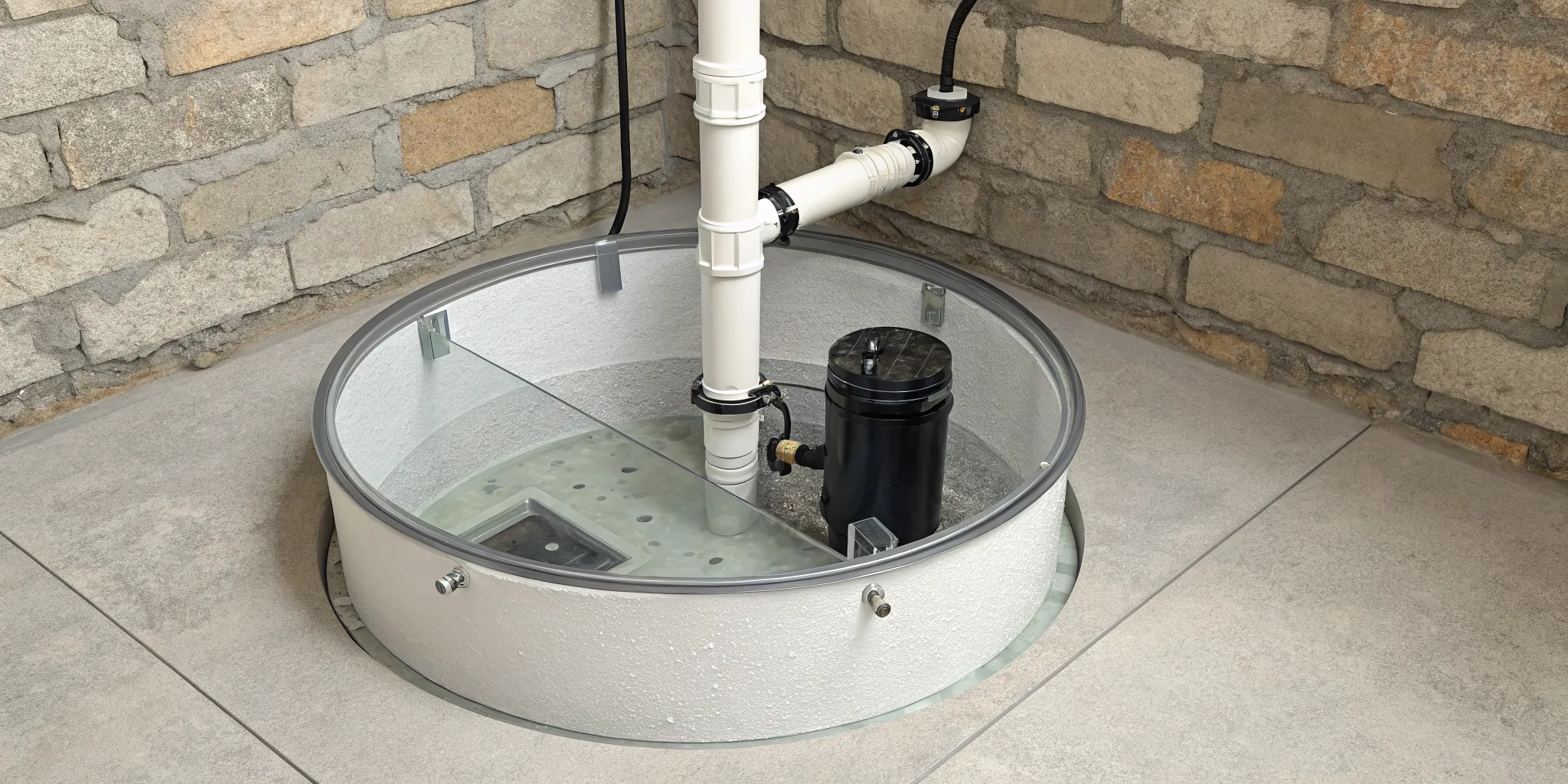
A complete basement sump pump system involves several components working together. When groundwater levels rise, water flows into a basin in your basement floor. Once the water reaches a certain level, the pump automatically kicks on and pushes the water out and away from your home's foundation. A properly installed system, like those our Red Seal Plumbers at TruFinity Plumbing Heating & Cooling specialize in, ensures this process happens seamlessly, giving you peace of mind year-round. It’s your first line of defense against a damp, moldy basement and the costly repairs that follow.
Your Sump Pump's Key Components
To understand how your system protects your home, it helps to know its main parts. Each piece has a specific job in the water removal process, and knowing them can help you spot trouble.
- The Sump Pit (or Basin): This is the perforated liner that sits in a hole dug into your basement floor. It’s designed to collect rising groundwater from around your foundation before it can seep into your basement.
- The Primary Pump: This is the heart of the system. It’s an electric pump, usually submersible, that sits inside the pit. When activated by a float switch, it does the heavy lifting of pushing water out.
- The Discharge Pipe and Check Valve: A PVC pipe carries water from the pump up and out of your basement. A crucial part of this line is the check valve, which acts as a one-way door to prevent water from flowing back into the pit after the pump shuts off.
How Does a Sump Pump Work?
The process is simple but effective. As groundwater around your foundation increases, it flows into the sump pit. Inside the pit, a float switch rises with the water level, much like the float in your toilet tank. When the water lifts the float to a preset level, it triggers the pump to turn on. The pump then forces the water out through the discharge pipe, directing it a safe distance from your home.
Once the water level in the pit drops, the float lowers and switches the pump off. A good sump pump helps prevent water problems by moving this excess water away from your house's foundation. If the discharge line is clear and the system is working correctly, your basement stays dry. If you ever suspect a blockage, professional drain and sewer services can ensure your system can do its job effectively.
Submersible vs. Pedestal: Which Sump Pump Is Right for You?
When you start looking at sump pumps, you’ll quickly find there are two main types: submersible and pedestal. Think of it like choosing between two different tools for the same important job. Both are designed to protect your home from water damage, but they work differently and have their own unique advantages. The right choice for your basement depends on a few key factors, like the size of your sump pit, your budget, and how much water you expect to handle during a heavy Okanagan spring thaw.
Making the right decision is a critical step in keeping your basement dry and preventing the stress and expense of water damage. A pump that’s too small might not keep up with incoming water, while one that’s overkill could be an unnecessary expense. Understanding the core differences between these two systems will help you feel confident about which one is the best fit for your property. Let’s break down how each one works, so you can choose the right protection for your home. If you're ever unsure, the Red Seal Plumbers at TruFinity Plumbing Heating & Cooling can assess your home and recommend the perfect solution.
Submersible Sump Pumps
A submersible sump pump is designed to sit directly inside the sump pit, fully submerged in water. This design is clever for a couple of reasons. First, the surrounding water helps keep the motor cool while it’s running, which can extend its lifespan. Second, because they are located at the bottom of the pit, submersible pumps are generally more effective at pumping out water quickly and can handle larger volumes.
This makes them an excellent choice for homes in areas with high water tables or for finished basements where you want to minimize noise, since the water helps muffle the sound of the motor. The main trade-offs are that they tend to be more expensive and can be trickier to access for maintenance.
Pedestal Sump Pumps
A pedestal sump pump works a bit differently. Its motor is mounted on a tall column, or pedestal, that keeps it positioned above the sump pit and out of the water. Only the intake pipe goes down into the pit. The biggest advantage of this design is accessibility. Since the motor is out in the open, it’s much easier to service and maintain. Pedestal pumps are also typically less expensive than their submersible counterparts.
However, they do have some drawbacks. Because the motor is exposed, they tend to be louder. They also may not be as powerful or efficient at moving large volumes of water compared to submersible models. A pedestal pump can be a great, budget-friendly option for basements with smaller sump pits or for homes that only experience minor water seepage.
What Features Should You Look for in a Sump Pump?
Choosing a sump pump isn't a one-size-fits-all decision. The right system for your home depends on several factors, from the size of your basement to our unique Okanagan climate. Think of it less like buying an appliance and more like investing in a custom security system for your foundation. Getting the features right from the start ensures your basement stays dry during a surprise downpour or the annual spring thaw. A reliable pump gives you peace of mind, and that starts with understanding what makes one pump better than another for your specific situation.
When you’re ready to protect your home, the experts at TruFinity Plumbing Heating & Cooling can help you select and install the perfect system. Our Red Seal Plumbers have seen it all and can recommend a setup that keeps your basement dry and your mind at ease, no matter what the weather brings.
Match the Pump Capacity to Your Needs
A sump pump’s capacity, measured in horsepower (HP) and gallons per hour (GPH), determines how much water it can move. It’s tempting to think bigger is always better, but that’s not the case. A pump that’s too powerful will turn on and off frequently (a process called short-cycling), leading to a shorter lifespan. On the other hand, an underpowered pump won’t be able to keep up during heavy rain or snowmelt, leaving your basement vulnerable.
To find the right balance, you need to consider the water table in your area, the size of your sump pit, and how much water your home typically deals with. A professional assessment can ensure you get a pump that’s perfectly matched to your home’s needs, providing effective protection without wasting energy or wearing out prematurely.
Understand Different Float Switches
The float switch is the brain of the operation. It’s a small, simple device that tells the pump when to turn on and off by detecting the water level in the sump pit. While it may seem like a minor component, a faulty float switch is one of the most common reasons for sump pump failure. There are a few main types, including tethered, vertical, and electronic switches.
Tethered switches are reliable but require a wider sump pit to function without getting snagged. Vertical switches are more compact and are great for smaller pits. In the Okanagan, where our hard water can cause mineral buildup, it’s especially important to choose a high-quality switch and have it inspected regularly to ensure it moves freely and activates when needed.
Why Check Valves and Discharge Lines Matter
A sump pump system is more than just the pump itself. Two of the most critical supporting parts are the check valve and the discharge line. The check valve is a one-way flap installed on the discharge pipe that prevents water from flowing back into the pit after the pump turns off. Without it, your pump would have to work much harder, re-pumping the same water over and over.
The discharge line carries the water from your basement safely away from your home’s foundation. It’s crucial that this line is properly installed to drain far from the house and is sloped to prevent water from freezing inside during our cold winters. A clogged or frozen discharge line can cause the system to fail, so keeping it clear is a key part of drain maintenance.
Why Okanagan Homeowners Need a Sump Pump
Living in the beautiful Okanagan means enjoying distinct seasons, but it also means our homes face unique challenges. The rapid spring thaw after a snowy winter, sudden summer downpours, and a high water table in many areas can put any basement at risk of flooding. Water damage is not just a mess to clean up; it can lead to costly structural repairs, mold growth, and the loss of valuable property. This is where a reliable basement sump pump system becomes less of a nice-to-have and more of an essential tool for protecting your home and your peace of mind.
For Okanagan homeowners, a sump pump is your first line of defense against groundwater intrusion. It’s a proactive measure that works around the clock to keep your basement dry, safeguarding your foundation and preserving your home’s value. Instead of reacting to a water emergency, you can rest easy knowing your home is protected. TruFinity Plumbing Heating & Cooling has seen firsthand how a properly installed and maintained sump pump can prevent a catastrophe, especially during our region's most vulnerable seasons. It’s a critical component of a dry, healthy, and secure home.
Prepare for Spring Thaw and Flooding
As the snow melts in the mountains and valleys, the ground becomes saturated. This excess water has to go somewhere, and it often finds its way toward your home’s foundation. Sump pumps are crucial for keeping basements dry and preventing water damage during this annual event. A good sump pump system actively collects this groundwater in a basin (the sump pit) and pumps it safely away from your house. This process helps stop water problems before they start, protecting your foundation from the immense pressure that saturated soil can create and keeping your lower level dry and usable all year long.
How Hard Water Impacts Your Pump
The Okanagan is known for its hard water, which is full of minerals like calcium and magnesium. While you might notice its effects on your faucets and showerheads, this mineral-rich water also impacts your sump pump. As our team knows well, "The region has notably hard water with high mineral content, which causes faster sediment buildup... and reduced appliance lifespan." This sediment can accumulate in the sump pit, clog the pump’s intake screen, and even cause the float switch to stick. Regular inspection and cleaning are essential. This is why our TruLoyalty+ Membership includes tune-ups to ensure your system is clear of debris and ready to perform when you need it most.
Ensure Proper Water Discharge
Once your sump pump collects the water, it needs to send it somewhere safe. Proper discharge is critical. Water from a sump pump should always go back into the environment, like your yard, and never into the sanitary sewer system. Discharging into the sewer can overwhelm the municipal system and is often against local bylaws. A professional installation by TruFinity Plumbing Heating & Cooling ensures your discharge line is properly routed away from your foundation, graded to prevent backflow, and protected from freezing during our cold winters. This not only keeps your home safe but also ensures you’re being a responsible member of the community.
Should You Get a Sump Pump Backup System?
Your sump pump is your basement’s first line of defense against water, but it has one critical vulnerability: it runs on electricity. During a severe Okanagan storm, when you need it most, a power outage can render your pump useless, leaving your home exposed to flooding. This is where a backup system becomes an essential piece of home protection. It’s the peace of mind that ensures your basement stays dry, even when the power grid goes down, preventing the stress and costly repairs that come with water damage.
A backup system is designed to take over automatically the moment your primary pump stops working, whether from a power failure or a mechanical issue. Given the seasonal extremes in our region, from heavy spring thaws to intense summer rainstorms, having a reliable backup is a smart investment in protecting your property. There are a few different types of backup systems, and the right one for you depends on your home’s needs and your budget. The team at TruFinity Plumbing Heating & Cooling can help you explore your options for sump pump services and find the perfect fit to keep your basement protected year-round. Choosing the right backup isn't just about buying another piece of equipment; it's about creating a complete system that gives you total confidence, no matter what the weather brings.
Battery Backup Pumps
A battery backup pump is a separate, smaller pump that sits alongside your main sump pump. It’s connected to a powerful, deep-cycle battery, similar to one you’d find in a boat or golf cart. When a float switch detects rising water and your main pump isn’t running, the backup system automatically kicks in. These units are surprisingly effective, capable of pumping hundreds or even thousands of gallons of water per hour. The key to their reliability is the battery itself, which requires periodic testing and should be replaced every five to seven years to ensure it’s ready when you need it.
Secondary Pump Systems
For a more integrated solution, a secondary or combination pump system is an excellent choice. These units bundle a primary electric pump and a battery backup pump into a single, pre-assembled package. The major advantage here is convenience and seamless operation. If the main pump fails for any reason or if the power goes out, the system automatically switches to the backup pump. Installation is also often simpler, as both pumps can typically share the same discharge pipe, making it a clean and efficient setup for protecting your home from water damage.
Generator-Powered Options
If you have a portable or whole-home generator, you have another powerful backup option. Instead of relying on a secondary pump, you can use the generator to power your primary sump pump during an outage. This approach allows your main, more powerful pump to continue operating at full capacity, which is ideal for handling heavy water flow. A backup sump pump system acts as a crucial safety net, preventing the stress and expense of a flooded basement. Trufinity can ensure your plumbing is properly configured to work with any backup solution you choose.
5 Common Sump Pump Myths, Debunked
A lot of misinformation floats around about sump pumps, which can leave homeowners feeling confused or unprepared. Let's clear the air and debunk some of the most common myths I hear. Understanding how these systems really work is the first step in protecting your home from water damage, especially here in the Okanagan where spring thaws and groundwater can be a real concern. Getting the facts straight helps you make smarter decisions about installation, maintenance, and when to call for professional help.
Myth #1: "Sump pumps are only for flood zones."
This is one of the biggest misconceptions. While sump pumps are essential in flood-prone areas, their main job is to manage groundwater that is always present beneath your home. They work by collecting water in a basin and pumping it away before it can seep into your basement, protecting your foundation from hydrostatic pressure. In the Okanagan, even if you're not near a lake, the spring thaw can cause the ground to become saturated. A basement sump pump system is your first line of defense against a damp, musty basement or a full-blown flood caused by this seasonal groundwater.
Myth #2: "Once it's installed, you can forget about it."
Thinking of a sump pump as a "set it and forget it" appliance is a recipe for disaster. It's a hardworking mechanical device with moving parts that can wear out, clog, or fail. Old or poorly maintained pumps are a common cause of basement flooding. Here in the Okanagan, our hard water can cause mineral buildup that accelerates wear on the pump's components and can lead to clogs. Regular testing and professional maintenance are critical to ensure your pump is ready to work when you need it most. A simple check-up can save you from a major headache and costly plumbing repairs.
Myth #3: "All sump pumps are the same."
This couldn't be further from the truth. Sump pumps come in different types, like submersible and pedestal models, and have varying horsepower ratings and features. The right pump for your home depends on factors like your local water table, the size of your basement, and how much water you typically need to handle. A cheap, low-quality pump from a big-box store might not have the power or durability to protect your home during a heavy storm. At TruFinity Plumbing Heating & Cooling, our Red Seal Plumbers can help you select a high-quality, reliable system that is properly sized for your specific needs.
Myth #4: "A sump pump can handle any amount of water."
While a sump pump is designed to move a lot of water, every pump has its limit, measured in gallons per hour (GPH). If a storm or rapid snowmelt brings in more water than your pump's capacity, your basement can still flood. This is why it's so important to have a pump that is correctly sized for your home. Furthermore, a pump can't do its job if the discharge line outside is frozen, blocked, or clogged with debris. Keeping that line clear is just as important as maintaining the pump itself, which is why services like drain cleaning are a key part of your home's overall water management strategy.
Warning Signs Your Sump Pump Is Failing
Your sump pump is one of those household heroes that works quietly in the background, but it can’t protect your basement forever without a little attention. When it starts to have trouble, it will often give you clues. Paying attention to these warning signs can mean the difference between a simple repair and a major cleanup. If you notice any of the following issues, it’s a clear signal that your sump pump needs a professional inspection before the next big Okanagan downpour.
Listen for Strange Noises or Constant Running
You’re probably used to the quiet hum your sump pump makes when it kicks on, so any new or loud sounds are a cry for help. Grinding or rattling can point to a rock or debris stuck in the impeller, while loud gurgling might mean the motor is struggling. If your pump runs constantly, even in dry weather, that's a major red flag. This could be caused by a stuck float switch, a faulty check valve letting water flow back into the pit, or a pump that’s simply too small. Here in the Okanagan, our hard water can also cause mineral buildup on moving parts, leading to these very issues and shortening your pump's lifespan.
Watch for Puddles and Poor Drainage
The most undeniable sign of a failing sump pump is the one you’re trying to avoid: water in your basement. If you see puddles forming around the sump pit or notice persistent dampness on the floor, your pump isn’t doing its job. This means it’s failing to move water out effectively, which can lead to mold, mildew, and damage to your foundation and belongings. The problem could be a clog in the discharge line, a completely failed motor, or an overwhelmed system. A professional can run a video inspection of the pipes to find hidden blockages without any guesswork.
What to Do if Your Pump Fails in a Storm
A sump pump failure during a heavy storm is every homeowner's nightmare. If you find yourself in this situation, first check if the pump is plugged in and if the circuit breaker has tripped. If it has power but isn't working and water is rising, it's time to call for help. This is a true plumbing emergency, and you need a fast response. The team at TruFinity Plumbing Heating & Cooling offers 24/7 emergency service to handle these exact moments. A certified technician can quickly diagnose the problem and provide an immediate solution, preventing catastrophic water damage. This is also why a battery backup system is such a valuable investment for your peace of mind.
How to Maintain Your Sump Pump
Your sump pump is a quiet hero, working behind the scenes to protect your basement. But like any hardworking system, it needs a little attention to stay in fighting shape. Regular maintenance is the key to ensuring it works when you need it most, preventing a water-logged basement and the stress of costly repairs. A little bit of care goes a long way, especially here in the Okanagan, where our seasonal shifts and water quality can put extra strain on plumbing. Keeping your sump pump in top shape is one of the smartest things you can do to protect your home's foundation and your peace of mind. Think of it as a small investment of time that protects a very large investment: your home.
A Seasonal Checklist for Okanagan Homeowners
Living in the Okanagan means preparing for distinct seasons, and a simple maintenance schedule can save you from a major headache. We recommend testing your pump every few months. Just pour a bucket of water into the sump pit to make sure the float switch activates the pump and it drains the water effectively. Before the spring thaw hits, inspect the discharge pipe's exit point outside to ensure it's clear of snow, ice, and debris. This is also the perfect time to clean out the pit, as our region's hard water can cause sediment and mineral buildup that may clog the pump's intake.
DIY vs. Professional Maintenance: What to Know
While you can certainly handle basic tasks like clearing debris from the pit and testing the pump, there are times when calling a professional is the right move. A complete sump pump system involves plumbing and electrical components that require specialized tools and experience to service safely. If your pump is making strange noises, running constantly, or failing to turn on during your tests, it’s time to call for help. A professional technician from TruFinity Plumbing Heating & Cooling can diagnose issues with the motor, check valve, and electrical connections. Our TruLoyalty+ Membership includes twice-a-year system tune-ups, giving you confidence that your system is ready for anything.
How Much Does a Sump Pump System Cost?
Investing in a sump pump system is one of the smartest moves you can make to protect your home’s foundation and keep your basement dry. The total cost can vary, as it depends on the type of pump you choose and how complex the installation is. Generally, homeowners can expect the cost for a professional sump pump installation to range from $1,000 to $3,000. This typically covers the pump, materials, and the labor provided by certified technicians. If you opt for a more advanced setup with a battery backup or a secondary pump for extra peace of mind, the price might be closer to $4,000 or more.
While it’s a significant investment, think of it as insurance against catastrophic water damage, which can cost tens of thousands to repair. A properly installed system protects your property value and prevents the stress that comes with a flooded basement. At TruFinity Plumbing Heating & Cooling, our Red Seal Plumbers ensure your system is installed correctly from the start, giving you reliable protection when you need it most. We believe in transparency, so we’ll always walk you through the options and associated costs to find a solution that fits your home and your budget.
Financing a New Installation
We understand that a new sump pump installation can be an unexpected expense. That’s why it’s helpful to know that you have options to make the cost more manageable. Many homeowners are surprised to learn that they don’t have to pay for the entire installation upfront. TruFinity Plumbing Heating & Cooling offers flexible financing plans that allow you to break down the cost into affordable monthly payments. This way, you can get the protection your home needs now without straining your budget. Exploring these options can make an immediate and essential home upgrade feel much more accessible.
Save on Maintenance with a Membership Plan
Once your sump pump is installed, the best way to protect your investment and avoid future repair bills is through regular maintenance. This is especially true here in the Okanagan, where our hard water can cause mineral buildup that shortens a pump's lifespan. To make this easy and affordable, we created our TruLoyalty+ Membership. This plan includes twice-a-year system tune-ups to ensure your pump is ready for the spring thaw and any unexpected storms. Members also receive a 15% discount on repairs and a two-year labor warranty, saving you money and giving you priority service when you need it. Consistent sump pump maintenance is the key to long-term reliability.
When to Call a Professional for Sump Pump Help
While you can handle some basic sump pump checks yourself, certain situations require an expert eye. A sump pump is your basement’s first line of defense against water damage, so you don’t want to take any chances. If you’re unsure about any part of your system, it’s always best to call for professional help. Waiting too long can turn a minor issue into a major, costly flood cleanup, which is a headache no homeowner wants to face.
Here are the clear signs it’s time to pick up the phone. If you notice persistent dampness or musty smells in your basement, your pump may not be working effectively. Other red flags include loud or strange noises, excessive vibration, or a pump that runs constantly even when there’s no rain. You should also call a professional if you test your pump by pouring water into the pit and it fails to turn on. These are all symptoms of a potential failure that needs immediate attention from a qualified technician. TruFinity Plumbing Heating & Cooling offers expert Sump Pump Services to diagnose and fix these exact issues.
Beyond obvious malfunctions, professional help is essential for complex installations and discharge problems. If your discharge line is clogged, frozen, or improperly routed, it can cause water to back up into your home. Our Red Seal Plumbers can perform a video inspection to pinpoint the problem and ensure your system disposes of water safely and correctly. And if your pump has already failed and water is rising, don’t panic. Trufinity offers 24/7 emergency service with a rapid response to protect your home when you need it most.
Related Articles
- Can I Replace My Own Sump Pump?
- How to Replace a Zoeller Sump Pump
- Replacing a Sump Pump? A Step-by-Step YouTube Guide | TruFinity
- Sump Pump Services Kelowna | TruFinity Plumbing
Frequently Asked Questions
My basement has never flooded, so do I really need a sump pump? That's a great question. Think of a sump pump less as a reaction to a flood and more as insurance against one. Its main job is to handle groundwater that collects around and under your foundation, which you can't see. In the Okanagan, a sudden spring thaw or a heavy rainstorm can saturate the ground quickly. A sump pump works to remove that water before it ever has a chance to find its way into your basement, protecting your home's structural integrity and preventing a future water problem.
How often should I test my sump pump to make sure it's working? To ensure your pump is ready for action, you should test it every two to three months, and definitely before the start of the spring thaw. The process is simple: just pour a bucket of water into the sump pit until the float switch lifts and activates the pump. Watching it turn on and pump the water out gives you confidence that it's working correctly. This quick check can help you spot a problem long before you actually need the pump to save your basement.
What's the average lifespan of a sump pump? On average, you can expect a quality sump pump to last about ten years. However, this can vary quite a bit. A pump in a home with a high water table that runs frequently will have a shorter life than one that only runs occasionally. Here in the Okanagan, our hard water can also cause mineral buildup that leads to wear and tear. The best way to get the most out of your investment is with regular maintenance, which is why a professional tune-up from a company like TruFinity Plumbing Heating & Cooling is so important.
Can I install a sump pump myself to save money? While it might seem like a straightforward project, installing a sump pump involves both plumbing and electrical work, which can be risky if not done correctly. A professional installation ensures the pit is properly sized, the pump is correctly wired, and the discharge line is routed to carry water safely away from your foundation without freezing or flowing back. The experts at Trufinity have the tools and experience to get it right the first time, giving you true peace of mind.
My sump pump is making a weird gurgling noise. Should I be worried? Any new or unusual sound from your sump pump is worth paying attention to. While a gentle hum during operation is normal, loud gurgling, grinding, or rattling noises are not. These sounds often indicate a problem, such as debris caught in the pump's impeller, an issue with the check valve, or a clog in the discharge line. Instead of worrying, it's best to call a professional to diagnose the issue before it leads to a complete pump failure.


.webp)