There are a lot of myths surrounding tankless water heaters. You may have heard they are too complicated or don't provide enough hot water for a busy family. We're here to set the record straight. These modern systems are incredibly efficient and reliable, but their performance depends entirely on a correct setup. A professional tankless water heater installation is the key to unlocking all the benefits, from lower utility bills to an endless supply of hot water. This guide will bust the common myths and give you a clear, honest look at the installation process from start to finish.
Key Takeaways
- Think Beyond Endless Hot Water: A tankless system actively saves you money on energy bills by heating water on demand and gives you back valuable storage space by getting rid of the bulky tank.
- Professional Installation Is Non-Negotiable: Switching to a tankless unit requires certified expertise to handle gas, electrical, and venting upgrades safely, which is also necessary to keep your manufacturer's warranty valid.
- Protect Your Investment with Annual Care: To ensure your tankless heater lasts its full 15-20 year lifespan, an annual professional flush is essential to remove mineral buildup, maintain efficiency, and prevent unexpected issues.
What Is a Tankless Water Heater?
A tankless water heater, sometimes called an on-demand water heater, is a smart, modern way to get hot water in your home. Instead of keeping a huge tank of water hot 24/7, a tankless unit heats water the moment you need it. When you turn on a hot water tap for a shower or to do the dishes, cold water flows into the unit, gets heated instantly by a powerful gas or electric element, and then travels straight to your faucet.
This "on-demand" design is what makes these systems so great. You stop paying to heat water you aren't using, which is a major source of energy waste in many homes. This translates directly into savings on your utility bills. Because there’s no bulky tank, these compact units can be mounted right on a wall, giving you back valuable floor space in your utility room or closet. And maybe the best part? They provide a continuous supply of hot water, so you never have to worry about running out mid-shower again, even if you have a full house. With a typical lifespan of 15 to 20 years, they are a durable and reliable part of your home’s plumbing system.
How On-Demand Heating Works
The magic behind on-demand heating is actually pretty straightforward. The moment you open a hot water faucet, a small sensor inside the tankless unit detects the flow of water. This instantly triggers the heating source—either a gas burner or an electric coil. As cold water travels through a network of pipes inside a heat exchanger, it rapidly absorbs the heat and reaches your set temperature. The unit keeps running as long as the tap is open, giving you that endless stream of hot water. As soon as you turn the faucet off, the system shuts down completely, saving energy until the next time you need it.
Tankless vs. Traditional Tanks: What's the Difference?
The biggest difference between tankless and traditional water heaters comes down to one word: storage. A traditional tank holds and constantly reheats 40 to 50 gallons of water so it’s ready to go, but that means it’s always using energy. A tankless system doesn’t store any water; it creates hot water only when you ask for it. This leads to some major advantages for tankless models: they’re far more energy-efficient, they can’t run out of hot water, and they often last twice as long. To keep your unit running smoothly for its full lifespan, we often pair new installations with our water filtration services to protect it from mineral buildup.
Is a Tankless Water Heater Right for Your Okanagan Home?
Deciding to switch to a tankless water heater is a significant upgrade for your home. It’s more than just a new appliance; it’s a change in how you get your hot water, impacting everything from your morning shower to your monthly utility bills. For those of us living in the Okanagan, where we experience the full range of four distinct seasons, having a reliable and efficient system is non-negotiable. If you’re tired of running out of hot water, paying for energy you aren’t using, or losing precious storage space to a bulky tank, going tankless might be the perfect solution. It addresses common frustrations with traditional systems while offering modern efficiency and convenience. Let’s walk through the key benefits to see if this approach to water heating fits your lifestyle and home.
Save Energy and Lower Your Bills
One of the most compelling reasons to make the switch is the potential for significant energy savings. Unlike a traditional tank that constantly burns energy to keep a large volume of water hot, a tankless unit heats water only when you need it. This on-demand system eliminates standby heat loss, which is the energy wasted keeping stored water at temperature. This smarter approach can make your home 24% to 34% more energy efficient than a conventional storage tank heater. Over time, those savings add up, giving your budget a little more breathing room each month while reducing your home's overall energy consumption.
Enjoy an Endless Supply of Hot Water
Have you ever had to schedule showers so the last person doesn't get stuck with a blast of cold water? With a tankless water heater, that problem becomes a thing of the past. Because the system heats water as it flows through the unit, it provides an endless supply of hot water for as long as you need it. This is a game-changer for busy families, anyone who loves a long soak in the tub, or when you have guests visiting. You can run the dishwasher, do a load of laundry, and still have enough hot water for back-to-back showers without missing a beat.
Reclaim Valuable Space in Your Home
Traditional water heaters are bulky and can take up a surprising amount of floor space in your utility room, basement, or a closet. Tankless water heaters, on the other hand, are incredibly compact. Most units are about the size of a small suitcase and mount directly to the wall, freeing up valuable real estate in your home. Imagine what you could do with that extra space—add more storage shelves, create a small workshop area, or simply enjoy a more open, organized room. This space-saving design is a simple but powerful benefit for any homeowner looking to maximize their living area.
A Smart Investment for the Okanagan Climate
A tankless water heater isn't just a purchase; it's a long-term investment in your home's comfort and value. These units are built to last, with a typical lifespan of 15 to 20 years—often double that of a traditional tank. Their durable components are more resistant to rust and corrosion, making them a reliable choice for dealing with the demands of the Okanagan climate. Knowing you have a dependable source of hot water, especially during those chilly winter months, provides incredible peace of mind. When you choose a professional for your water heater services, you’re ensuring your system performs efficiently for years to come — whether your home is in Kelowna, Upper Mission, Rutland, West Kelowna, Penticton, Vernon, or even on an acreage property in Lake Country.
Gas vs. Electric: Which Type Is Right for You?
Choosing between a gas and an electric tankless water heater comes down to your home’s current setup and your long-term goals. Both are fantastic at providing endless hot water, but they have different installation needs and operating costs. Gas models are often the go-to for energy efficiency, which can lead to lower monthly bills. Meanwhile, electric units can be simpler to install if your home is already equipped to handle their power demands. Let's break down what you need to know to make the right choice for your home in Kelowna or the surrounding Okanagan area.
The best way to decide is with a professional assessment. Our certified technicians can walk you through the pros and cons right in your home, ensuring you get a system that perfectly matches your family’s needs and your property’s infrastructure. We’ll look at your existing gas lines, electrical panel, and venting options to give you a clear, upfront recommendation based on safety and performance.
What to Know About Gas Models
Natural gas tankless heaters are incredibly efficient because they heat water very quickly, which often translates to lower monthly utility bills. However, the installation can be more involved. These units require a dedicated gas line, proper ventilation to the outdoors for safety, and an electrical connection for the controls. If you're switching from a traditional tank-style heater, your existing gas line might need to be upgraded to handle the higher demand. This is a job that absolutely requires a certified professional, like one of our licensed Class B Gasfitters, to ensure everything is safe and up to code.
What to Know About Electric Models
Electric tankless water heaters are compact and don't require any venting, which can make the installation process seem simpler. The main consideration here is their significant electrical demand. A whole-home electric unit needs a lot of power, which often means making serious upgrades to your home's electrical system. You may need to install new, larger circuit breakers and run thicker wiring directly to the unit. Before you commit to an electric model, it’s essential to have a professional assess your electrical panel's capacity to see if it can handle the load without compromising your home's safety.
How to Pick the Perfect Size
Sizing a tankless water heater isn't about your home's square footage; it's all about "flow rate"—how much hot water you use at one time. Think about your busiest moments. Do you often have a shower running while the dishwasher is on? You’ll need a unit that can keep up with that simultaneous demand. We help you calculate your peak hot water needs to recommend a unit that ensures you never run out. It’s always better to choose a unit that’s slightly larger than you think you need to guarantee you always have enough hot water, even on the busiest mornings.
Getting Your Home Ready for Installation
Switching to a tankless water heater is an exciting upgrade, but it’s not quite a simple plug-and-play swap. Because these units work differently than traditional tanks, your home needs to be properly equipped to handle their specific power, venting, and plumbing requirements. A professional assessment is the best way to know exactly what your home needs, but understanding the key preparation steps will help you feel confident about the process. Taking care of these details beforehand ensures your new system will run safely, efficiently, and reliably for years to come, giving you that endless hot water you’re looking forward to.
Gas Line and Venting Needs
If you’re choosing a natural gas tankless heater, one of the first things to check is your gas line. These on-demand units use a lot of energy in short bursts to heat water instantly, which often requires a larger gas pipe than your old tank heater used. A certified technician will need to ensure the line can supply enough fuel without starving other gas appliances in your home.
Venting is just as important for safety and performance. Unlike many older tank heaters that used a chimney, tankless units require a dedicated, sealed venting system. This special pipework brings in fresh air for combustion and safely exhausts fumes outside, and it must be installed a specific distance away from windows, doors, and other air intakes to meet strict safety codes.
Electrical System Requirements
Every tankless water heater needs electricity, but how much depends on the model. A gas-powered unit has minimal electrical needs—just a standard, dedicated 120-volt outlet to power its electronic controls, digital display, and internal fan. An electrician can usually add one near the installation site without much trouble.
Electric tankless models, however, are a different story. They are powerful appliances that demand a significant amount of electricity. This almost always means you’ll need to upgrade your home’s electrical system with larger circuit breakers and thicker-gauge wiring run directly to the unit. A professional assessment of your electrical panel is essential to confirm it can handle the increased load safely.
Water Pressure and Flow Rate
To get the most out of your tankless water heater, it needs to be sized correctly for your household’s needs. This isn’t about the physical size of the unit, but its capacity to produce hot water, measured in gallons per minute (GPM). A technician will calculate your home’s peak hot water demand by adding up the flow rates of all the fixtures you might use at once—like running a shower while the dishwasher is on. Choosing a unit with the right GPM ensures you have a steady stream of hot water without any frustrating pressure drops, even on busy mornings.
The Best Place to Install Your Unit
Where you put your tankless water heater matters. Because they are compact and wall-mounted, you have more flexibility than with a bulky tank. Ideally, the unit should be installed as close as possible to the fixtures you use most often, like the kitchen or master bathroom. This reduces the time you have to wait for hot water to arrive at the tap, saving both water and energy. If you’re installing a gas unit indoors, the location will need to accommodate the new venting path. Outdoor models are also an option, but they must be specifically designed to withstand Okanagan weather and protected from freezing.
Understanding Permits and Local Codes
Installing a tankless water heater involves working with gas lines, high-voltage electricity, and your home’s plumbing system, which is why it’s a job that requires a permit. Local municipalities in Kelowna, Vernon, and across the Okanagan have building codes in place to ensure all installations are done safely. An inspector will review the work to verify it meets these standards. When you work with a professional company, they handle the entire permitting process for you. This not only gives you peace of mind but also ensures your manufacturer’s warranty remains valid, as most warranties require installation by a qualified and licensed plumbing professional.
A Look at the Installation Process, Step by Step
Switching to a tankless water heater is an exciting upgrade for any Okanagan home. The promise of endless hot water, lower energy bills, and more storage space is hard to resist. But turning that promise into a reality requires a precise and professional installation. This isn’t a simple appliance swap; it’s a technical project that combines plumbing, electrical, and gas fitting expertise. Handling high-pressure gas lines and complex venting systems requires certified training to ensure your home and family are safe. In fact, most manufacturers require installation by a licensed professional to keep your warranty valid.
At TruFinity, our team of Red Seal plumbers and certified Class B Gasfitters are experts in tankless water heater services. We believe in doing things right the first time, which is why our process is built on a foundation of meticulous planning and adherence to the strictest safety codes. We ensure every connection is secure, every setting is optimized for your home, and every installation exceeds manufacturer specifications. Our commitment to "True Service, Infinite Care" means we don't just install a product; we deliver a long-term solution for your home's comfort. Here’s a closer look at what you can expect when our team gets to work.
Step 1: The Initial Assessment and Plan
Before any tools come out, our first step is a thorough assessment. A technician will visit your home to confirm the best location for the new unit, taking into account your existing plumbing, gas lines, and venting pathways. This is also when we perform crucial flow rate calculations to ensure the model you’ve chosen can comfortably meet your household’s peak hot water demands. We map out exactly where to run lines for air intake, exhaust, water, gas, and condensation drainage. This careful planning phase is the foundation for a smooth and successful installation, preventing surprises and ensuring your new system performs flawlessly from day one.
Step 2: Removing Your Old Water Heater
Once the plan is set, it’s time to say goodbye to your old, bulky water heater. Our team begins by safely shutting off the water, gas, and electrical supply to the unit. We then completely drain the tank, which can hold 40 to 60 gallons of water, and carefully disconnect all the lines. After it’s empty, we remove the old heater from your home, taking care not to damage your property. This step immediately shows you one of the biggest benefits of going tankless: reclaiming all that valuable floor space for storage or other uses.
Step 3: Mounting and Connecting the New Unit
With the old tank gone, we securely mount your new, compact tankless unit to the wall. We take precise measurements to ensure it’s perfectly positioned for all the necessary connections. Next, our certified technicians connect the hot and cold water lines, the new venting system for intake and exhaust, and the condensation drain line. The most critical connection is the gas line, which is why this work must be done by a licensed professional. Our Class B Gasfitters handle this with expert care, also installing a pressure relief valve as an essential safety measure to protect your system and your home.
Step 4: Final Testing and Safety Checks
The installation isn’t finished until we’re 100% certain everything is working safely and correctly. After all connections are made, we commission the unit by turning the water and power back on. This involves firing it up and running hot water through your taps to ensure it performs as expected. Most importantly, we conduct meticulous leak checks on every water and gas connection using professional-grade detectors. Only after your system passes every safety and performance test do we consider the job done. We’ll walk you through the new system and leave you with total peace of mind and an endless supply of hot water.
Common Installation Hurdles (and How to Clear Them)
Switching to a tankless water heater is an exciting upgrade, but the installation process is a bit different from a standard tank replacement. A few key requirements for venting, gas lines, or electrical circuits need to be addressed to make sure your new unit runs safely and efficiently. Thinking about these potential hurdles ahead of time is the best way to ensure a smooth and successful installation day.
The good news is that you don’t have to figure this out on your own. A professional assessment is the first step in any installation. A certified technician can inspect your home’s current setup, identify exactly what’s needed for the new unit, and explain the entire process. This way, you get a clear picture of the project from the start, with no surprises along the way. It’s all about making sure the job is done right, giving you total peace of mind and an endless supply of hot water.
Solving Venting Challenges
If you’re choosing a gas tankless water heater, proper venting is a top priority for safety. Unlike old tank-style heaters that often use a vertical chimney, tankless units require a dedicated, sealed vent system. This special vent typically runs horizontally through an exterior wall and is designed to both expel exhaust and bring in fresh air for combustion. You can’t reuse old vent pipes, as they aren’t compatible. Your technician will also make sure the vent terminal is a safe distance from any windows, doors, or other air intakes to prevent exhaust from entering your home.
Planning for Utility Upgrades
Tankless water heaters heat water instantly, which requires a significant amount of energy in a short burst. Because of this, your home’s existing utility lines may need an upgrade. For a gas model, this often means running a larger-diameter gas pipe to supply enough fuel. In some cases, the gas meter itself may need to be upgraded by your utility provider. If you opt for an electric model, your home’s electrical system will need to handle the load, which typically requires new, dedicated circuit breakers and thicker-gauge wiring. A professional will assess your current setup to confirm exactly what’s needed.
Why Professional Installation Is Essential for Safety
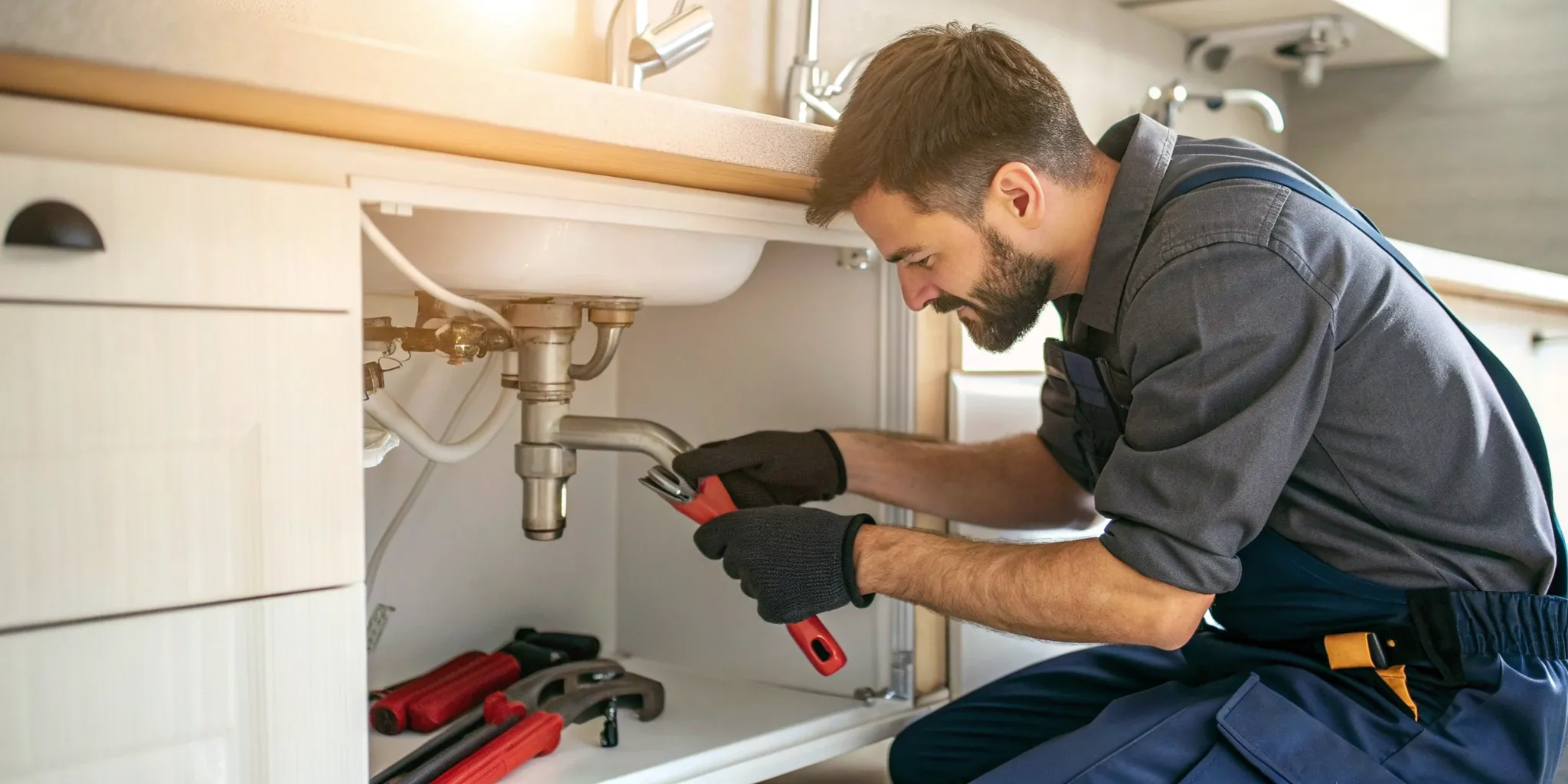
While a DIY project can be tempting, installing a tankless water heater is a job best left to a qualified professional. This is especially true for gas models, where mistakes with gas lines or venting can create serious risks, including gas leaks or carbon monoxide poisoning. A certified technician ensures the installation meets all local building codes and manufacturer specifications, which is crucial for safe operation. Plus, most manufacturers’ warranties are only valid if the unit is installed by a licensed professional. Hiring an expert protects your home, your family, and your investment.
Understanding the Cost of Installation
Let's talk about one of the biggest questions homeowners have: how much does it cost? While a tankless water heater is a fantastic investment in your home's efficiency and comfort, the upfront installation cost is higher than a traditional tank model. The good news is that the price reflects a significant upgrade in technology and performance. Understanding what goes into the cost can help you see the long-term value.
What Factors Into the Price?
The main reason a tankless installation costs more is that it’s often not a simple swap. We’re upgrading your home’s systems to support a more powerful, efficient appliance. The final price tag includes the unit itself plus the skilled labour required to handle a few key areas. This often involves modifying your home's existing plumbing systems to ensure everything works perfectly.
Here’s a breakdown of what’s involved:
- Venting: Gas tankless heaters need a specific type of sealed ventilation. Unlike an old tank heater that might have used an existing chimney, a tankless unit often requires new venting to be run through an exterior wall. This ensures safe operation and peak efficiency.
- Gas Lines: On-demand heaters require more energy in short bursts, which means they often need a larger gas line than your old tank heater. Our certified gasfitters will assess your current setup and make any necessary upgrades to meet the new unit's demands safely.
- Electrical Work: Both gas and electric models need proper electrical connections. This can sometimes mean running a new, dedicated circuit to the location to handle the unit’s power requirements.
Exploring Rebates and Financing Options
While the initial investment is higher, you don’t have to cover it all at once. Many homeowners in the Okanagan can reduce the cost through local utility rebates. These programs reward you for choosing energy-efficient appliances, and we can help you find out which ones apply to your new system. It's always a good idea to check for current rebates and offers before making a final decision.
At TruFinity, we also provide clear options to make the upgrade more manageable. We offer flexible financing plans, including options like zero payments and zero interest for three months, so you can start enjoying endless hot water right away. Be sure to ask about our current promotions, like receiving $500 off your installation or getting a free inline sediment filter to protect your new investment.
How to Care for Your New Tankless Water Heater
Your new tankless water heater is a fantastic investment in your home’s comfort and efficiency. To make sure it delivers on-demand hot water for its full 15 to 20-year lifespan, a little routine care is all it takes. Just like your car needs regular oil changes to run smoothly, your tankless unit needs annual maintenance to perform at its best. This simple step not only protects your investment but also keeps your energy bills low and prevents unexpected breakdowns.
The Importance of Descaling and Cleaning
Here in the Okanagan, our water can be quite hard, meaning it has a high mineral content. Over time, these minerals can build up inside your tankless water heater’s delicate components, creating a layer of scale. This buildup forces the unit to work harder to heat your water, reducing its efficiency and potentially leading to damage. That’s why descaling is so important. As experts at MDM Mechanical note, "Flushing out your tankless water heater regularly removes all dirt, debris, and minerals that can clog its various components from the inside." This annual flush keeps the water flowing freely and ensures your system runs as efficiently as the day it was installed.
Why You Need an Annual Inspection
Beyond just descaling, a comprehensive annual inspection is the best way to keep your tankless water heater in top shape. During a professional check-up, a technician will do more than just flush the system. They’ll also clean the inlet screen filter to remove any sediment, inspect the entire unit for signs of leaks or corrosion, and test all the components to ensure they’re working correctly. This preventative approach helps catch small issues before they can turn into major headaches. Think of it as an annual physical for your water heater—it’s the key to ensuring safe, efficient, and reliable operation for years to come.
Partnering with a Pro for Long-Term Care
While it might be tempting to try and handle maintenance yourself, partnering with a professional is the smartest move for long-term care. A certified technician has the right tools and training to service your unit safely and effectively, ensuring every component is checked. As the team at Northern Comfort Systems points out, professional service ensures "all aspects of the system are properly checked and maintained." Plus, having a pro handle your annual service is often required to keep your manufacturer’s warranty valid. To make it simple, our TruLoyalty+ Membership includes an annual tankless water heater flush, giving you total peace of mind.
Busting Common Myths About Tankless Water Heaters
When you’re considering a major home upgrade, it’s easy to get tangled in a web of opinions and outdated information. Tankless water heaters are a fantastic technology, but they’re surrounded by a few persistent myths. Let's clear the air on some of the most common misconceptions so you can feel confident about your decision.
Myth: The Installation Is Too Complicated
It’s true that installing a tankless water heater is more involved than swapping out an old tank model. Because these units have different venting, gas, or electrical needs, the job requires a specific skill set. While a trained technician might find it straightforward, it’s not a simple DIY project.
However, "complicated" for the technician doesn't mean "complicated" for you. When you work with certified professionals, the process is seamless. Our Red Seal plumbers and Class B Gasfitters handle every detail, from assessing your home’s needs to ensuring everything is up to code. We manage the technical side so you can simply enjoy the benefits of your new system without any of the hassle.
Myth: They Don't Perform Well or Save You Money
This myth usually comes in two parts: that they can’t keep up with demand and that they don’t actually save you money. Let’s tackle both. First, tankless systems provide an endless supply of hot water because they heat it on demand instead of storing it. You don’t have to worry about running out mid-shower.
Second, while the upfront cost is higher, the long-term savings are significant. Traditional tanks constantly burn energy to keep water hot, which leads to standby heat loss. A tankless unit only uses energy when you turn on the tap. This efficiency, combined with a lifespan of 15-20 years, means lower utility bills and a smart return on your investment. We also offer flexible financing options to make the initial purchase more manageable.
Ready for an Upgrade? Here’s What to Do Next
Making the switch to a tankless water heater is an exciting step toward a more efficient and comfortable home. Once you’ve decided to move forward, the next phase is all about planning and preparation. Taking the right steps now ensures your installation goes smoothly and you get the most out of your new system for years to come. It’s not just about buying a unit; it’s about integrating it correctly into your home’s unique plumbing and utility systems. Before you do anything else, it’s crucial to understand what a proper installation involves. This isn’t a typical DIY weekend project. Working with gas lines, high-voltage electrical wiring, and complex venting requires certified expertise to ensure safety and performance.
Why Professional Installation Is a Must
While it can be tempting to try and save money with a DIY approach, installing a tankless water heater is a job best left to certified professionals. These systems require precise connections to gas or electrical lines and specialized venting that must meet strict local building codes. An incorrect installation can void your manufacturer’s warranty, lead to poor performance, or even create serious safety hazards like gas leaks. Our team includes Red Seal plumbers and Class B Gasfitters who are trained to install your unit according to exact manufacturer specifications, ensuring your system is safe, efficient, and fully covered.
Plan for the Right Fit and Price
The total cost of your upgrade includes the unit itself and the professional installation. While the initial investment is higher than a traditional tank, the long-term energy savings often make it a smart financial decision. To make the upgrade more accessible, we offer flexible financing options, including plans with zero payments and zero interest for three months. We also help you save from day one with special offers, like $500 off your tankless water heater installation and a free inline sediment water filtration system to protect your new investment. An expert assessment will confirm the final price with no hidden fees.
Schedule a Professional Assessment
The best first step is to schedule a consultation with one of our expert technicians. During this visit, we’ll assess your home’s current setup, including your gas lines, electrical panel, and venting possibilities. We’ll also perform flow rate calculations to determine the perfect size unit for your household’s hot water demand. This ensures you get a system that can handle multiple showers, laundry, and dishwashing simultaneously without a drop in temperature. This assessment gives you a clear, upfront quote and a detailed plan, so you know exactly what to expect from start to finish.
Related Articles
- How Much to Install a Tankless Water Heater: A Breakdown... | TruFinity
- How Much to Install a Tankless Water Heater: A Breakdown... | TruFinity
- Install a Tankless Water Heater in Your Bathroom
- Get a Quote for Tankless Installation
- Should You Install a Tankless Water Heater Yourself?
Frequently Asked Questions
How long does a tankless water heater typically last? You can expect a professionally installed and well-maintained tankless water heater to last between 15 and 20 years. This is often double the lifespan of a traditional tank-style heater, which makes it a smart long-term investment for your home. The key to reaching that 20-year mark is consistent annual maintenance, like descaling, to keep it running efficiently.
Will a tankless unit work well with the hard water we have in the Okanagan? Yes, a tankless water heater works great here, but you do need to be mindful of our water quality. The minerals in hard water can build up inside the unit over time, which is why an annual flush, or descaling, is so important. This simple maintenance step keeps the internal parts clean and efficient. We also recommend pairing your unit with a water filtration system to protect it from the start.
How long does the actual installation process take? A standard installation, including the removal of your old tank, typically takes the better part of a day. However, the exact timeline can vary depending on what your home needs, such as upgrades to your gas line or electrical panel. During our initial assessment, we'll give you a clear and precise timeline so you know exactly what to expect on installation day.
Can I really run the shower and the dishwasher at the same time? Absolutely! That’s one of the best parts of having a tankless system. The key is making sure the unit is sized correctly for your household's specific needs. During our assessment, we calculate your home's peak hot water demand to ensure we install a model that can easily handle multiple hot water sources running at once without ever sacrificing temperature or pressure.
Why can't I just install it myself to save money? While a DIY project can be tempting, installing a tankless water heater involves working with high-pressure gas lines or high-voltage electrical circuits, which can be dangerous without certified training. A professional installation ensures the unit is vented correctly and meets all local safety codes. Plus, nearly all manufacturers require installation by a licensed professional to keep your warranty valid, so hiring an expert protects both your home and your investment.


.webp)