If you’re tired of running out of hot water mid-shower, a tankless water heater is the solution you’ve been looking for. Their compact size makes them a perfect fit for bathrooms, freeing up valuable space while providing a continuous stream of hot water. While the idea is simple, the execution requires precision. This article serves as your comprehensive guide to understanding how to install a tankless water heater in a bathroom according to professional standards. We’ll explore the essential planning stages, from choosing the right location and assessing your utility lines to navigating local Okanagan building codes, so you can feel confident and informed as you move forward with this valuable home upgrade.
Key Takeaways
- Protect Your Investment with Professional Installation: This isn't a DIY project. A certified technician ensures your tankless heater is installed safely and correctly, which is essential for protecting your home, validating your warranty, and complying with all local Okanagan codes.
- Get the Sizing and Placement Right: A unit that's too small won't meet your needs, and one that's too big wastes energy. A professional assessment is key to choosing the right size and finding a safe, accessible location in your bathroom for optimal performance and future maintenance.
- Schedule an Annual Flush to Extend Its Lifespan: The most important thing you can do for your tankless heater is to have it professionally descaled once a year. This simple maintenance task removes mineral buildup, keeps the unit running efficiently, and helps it last for its full 15- to 20-year lifespan.
What Is a Tankless Water Heater?
If you’ve ever had to cut a shower short because the hot water ran out, you already understand the main drawback of a traditional water heater. A tankless water heater, sometimes called an on-demand heater, solves that problem completely. Instead of keeping a large tank of water hot 24/7, this modern system uses a powerful "flow-through heating" technology to warm water the instant you need it.
This approach provides an endless supply of hot water and is much more energy-efficient. Because they’re compact, tankless units can be installed in smaller spaces like closets or even bathrooms, freeing up valuable floor space. They also have a longer lifespan, typically lasting 15 to 20 years, compared to the 10 to 15 years you might get from a standard tank model. It’s a smart upgrade that adds comfort, convenience, and value to your home.
How It Works
The magic of a tankless water heater is in its simplicity and speed. When you turn on a hot water tap in your bathroom, a sensor inside the unit detects the water flow. This immediately activates a powerful heating element—either gas or electric—that heats the water as it passes through a series of coils. Within seconds, that perfectly heated water arrives at your showerhead or faucet. When you turn the tap off, the unit shuts down completely, saving energy. It’s an incredibly efficient process that delivers hot water precisely when and where you need it.
Bathroom-Specific Benefits
The bathroom is where a tankless water heater truly shines. Since it’s the place where we use the most hot water for showers and baths, having a continuous supply is a game-changer. You’ll never have to worry about being the last one in the family to shower or running out of hot water while filling a tub. Because these units are so compact, they can often be installed closer to the bathroom, reducing the wait time for hot water to arrive. This combination of endless hot water and quick delivery makes your daily routines more comfortable and relaxing.
Key Energy-Saving Features
One of the biggest advantages of going tankless is the significant reduction in your energy bills. Traditional water heaters constantly burn energy to keep dozens of gallons of water hot, even when you’re asleep or away from home. This is known as standby heat loss. A tankless system eliminates that waste entirely by only heating water on demand. This efficiency is why they are considered one of the best energy-efficient solutions for your home. Over its long lifespan, a tankless water heater can save you a substantial amount of money, making it a wise investment for any Okanagan homeowner.
Plan Your Bathroom Installation
Before you even think about picking up a wrench, a solid plan is your most important tool. Installing a tankless water heater, especially in a space like a bathroom, requires careful thought about location, safety codes, and your home’s existing infrastructure. While these units are compact and versatile, where you place them and how you connect them are governed by strict rules designed to keep your family safe. Getting these details right from the start will save you major headaches down the road. Let’s walk through the four key areas you need to map out for a smooth and successful installation.
Choose the Right Location
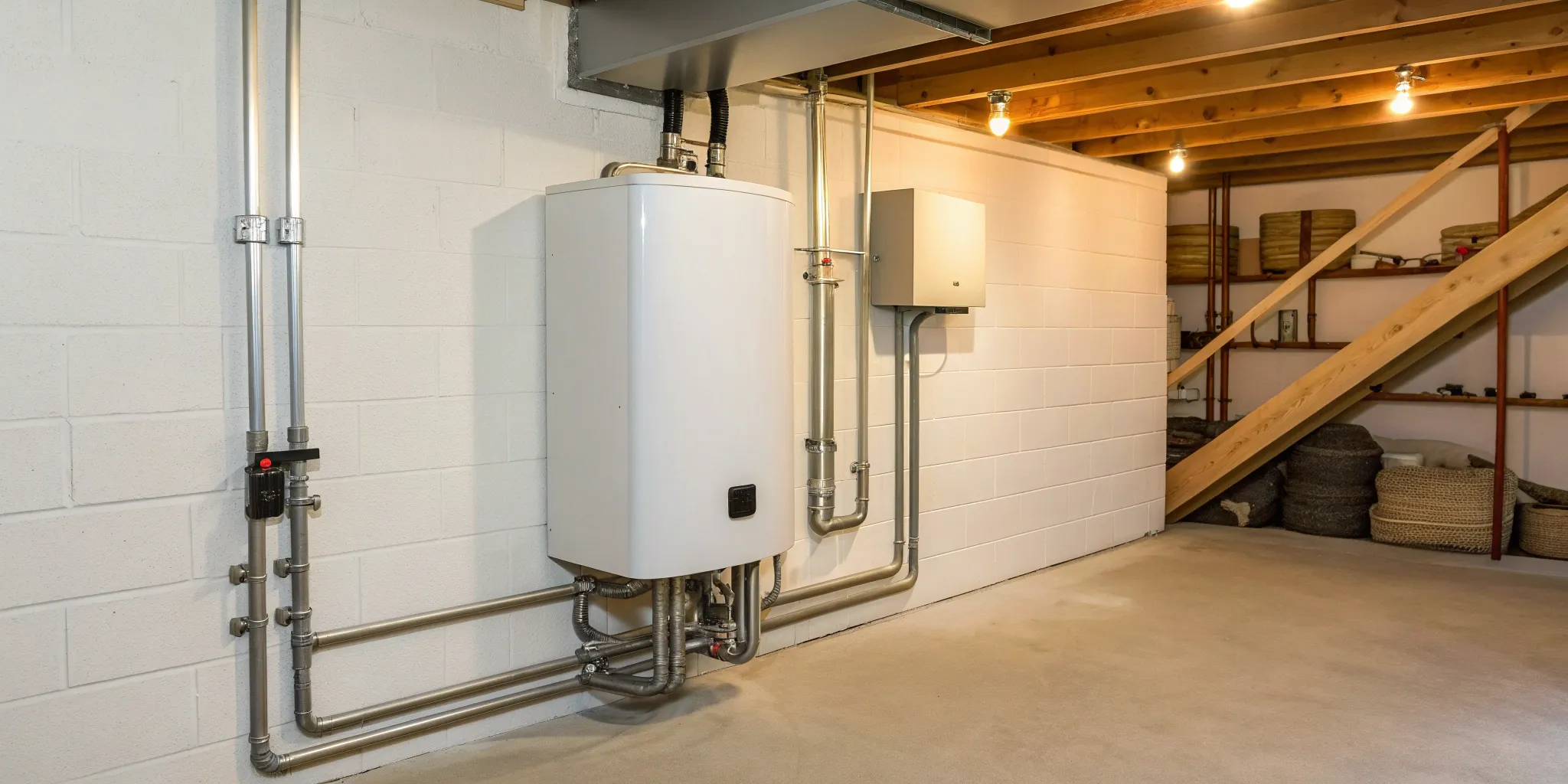
One of the best things about tankless water heaters is their size. Because they're so compact, they "can be installed almost anywhere inside your home, including bathrooms, closets, cabinets, or laundry rooms." When choosing a spot in your bathroom, think about both convenience and function. You’ll want it to be easily accessible for future maintenance, like routine descaling. It also needs to be close to existing water lines to minimize complex plumbing work. Also, consider the wall you plan to mount it on—it must be sturdy enough to support the unit’s weight securely.
Check Local Codes and Permits
This step is non-negotiable. Every municipality has its own set of rules, and it's essential to "always follow your local plumbing and electrical rules." These regulations cover everything from where a unit can be placed to what kind of ventilation is required. In the Okanagan, specific permits are often needed for this type of work, especially when it involves gas lines. Skipping this step can lead to failed inspections, fines, or unsafe operating conditions. A professional team will handle all the necessary permit management to ensure your installation is fully compliant and safe from day one.
Assess Your Utility Lines
Connecting a tankless water heater involves tapping into your home’s most critical systems: water, electric, and potentially gas. "Installing a tankless gas water heater requires careful attention to detail," and the same is true for electric models. You need to confirm that your electrical panel can handle the amperage draw or that your gas line is the correct size to fuel the unit without starving other appliances. Because of the risks, this is where professional expertise is invaluable. Our certified Red Seal Plumbers and Class B Gasfitters have the training to assess your home’s capacity and make connections that are safe, secure, and up to code.
Map Out Ventilation
If you’re installing a gas-powered tankless heater, proper ventilation is a critical safety measure to prevent carbon monoxide buildup. Unlike some older appliances, "tankless gas water heaters must vent directly outside, not through a chimney." You’ll need to plan a clear, direct path for the vent pipe through an exterior wall. It’s also important to "make sure the vent location follows local rules about how close it can be to windows and doors." These clearance requirements are strictly enforced to ensure exhaust fumes don’t find their way back into your home. Planning this route ahead of time is key to a safe and compliant setup.
Gather Your Tools and Materials
A successful tankless water heater installation depends on having the right equipment before the work even begins. While this isn't a DIY project, understanding the tools and materials involved helps you appreciate what goes into a safe and reliable setup. A professional technician will arrive with a full inventory of specialized gear designed to handle every part of the job, from plumbing and electrical work to gas fitting and ventilation. This preparation ensures the installation is efficient, meets all local Okanagan building codes, and protects your home and your new appliance’s warranty. Think of this as an overview of what a pro’s toolkit looks like, so you know what to expect on installation day.
Your Installation Checklist
Before a single pipe is cut, a professional installer works through a detailed checklist. This isn't just about the water heater itself; it covers every component needed for a complete and secure system. You can review a checklist with your plumber to better understand the process. Key items include the tankless unit, correctly sized water and gas lines, service valves for easy maintenance, and a pressure relief valve for safety. For gas models, a specific vent kit is essential to properly exhaust fumes. This planning phase ensures all necessary parts are on hand, preventing delays and guaranteeing your system is installed according to the manufacturer's exact specifications.
Essential Safety Gear
Safety is the top priority, and it starts long before the tools come out. The first step is always to shut off the utilities connected to the area—that means turning off the main water supply, the gas line, and the circuit breaker for the old water heater. A professional technician will arrive with personal protective equipment (PPE), including safety glasses and gloves. They also use specialized diagnostic tools like electronic leak detectors and combustion analyzers to verify that every connection is secure and the system is operating safely before they consider the job complete. This focus on safety protects both the technician and your property.
The Right Tools for the Job
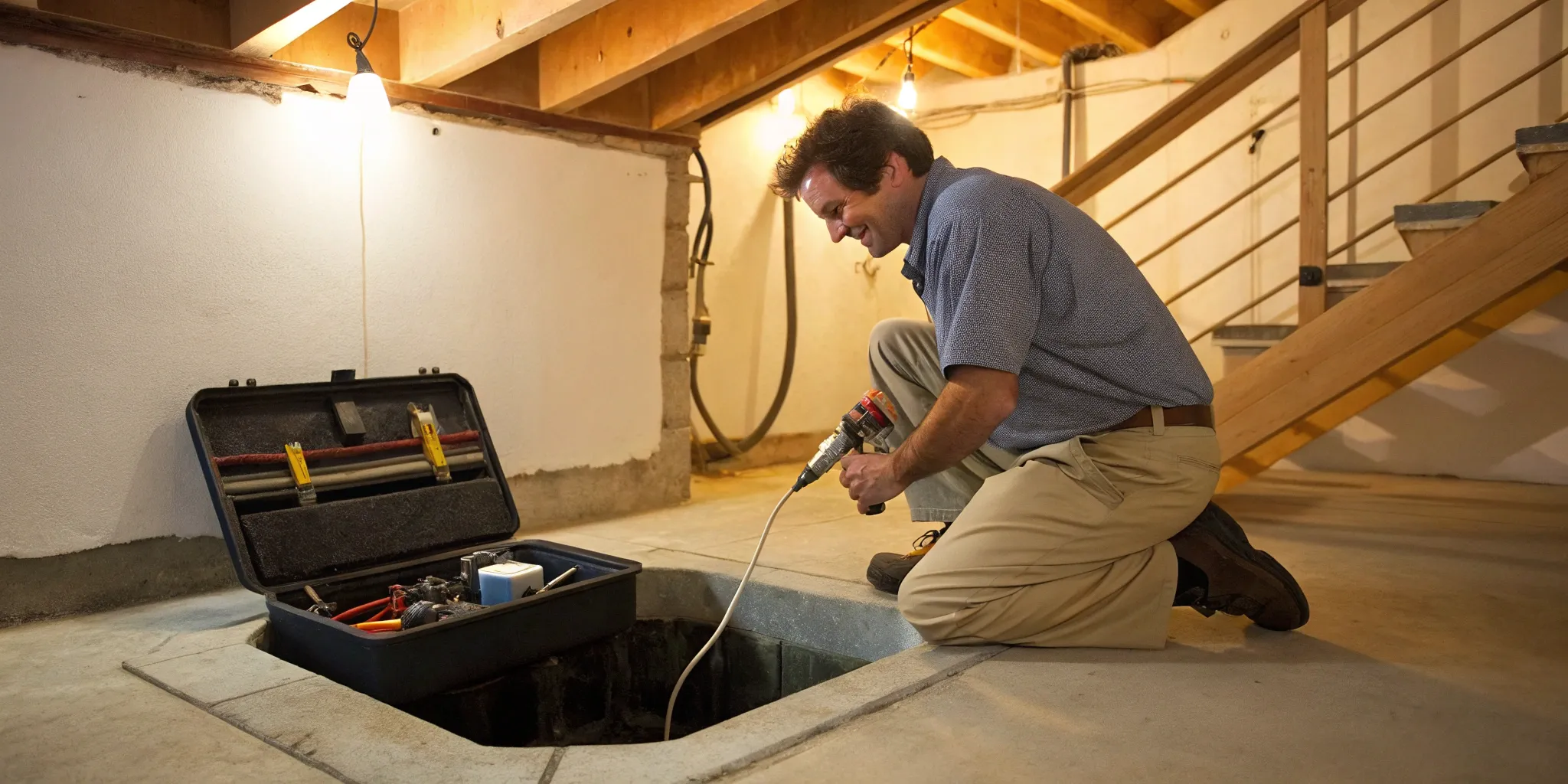
Installing a tankless water heater requires more than a standard wrench and screwdriver. A professional’s toolkit includes pipe cutters, flaring tools, drills, and a level to ensure the unit is perfectly mounted. For gas units, specialized tools are needed to ensure the gas supply lines are secure and leak-free. Beyond the hand tools, having the right materials is critical. This includes the correct type and size of piping, proper fittings, and the manufacturer-approved ventilation equipment. Using the right components is essential for performance and is a key part of our professional plumbing services.
Put Safety First: Critical Checks
Installing a tankless water heater, especially in a space like a bathroom, involves working with gas, electrical, and plumbing lines all at once. It’s a project where precision is everything. While the idea of endless hot water is exciting, getting there safely is the most important part of the process. A small mistake during installation can lead to significant problems, from water damage to serious safety hazards like gas leaks or electrical faults.
This is why understanding the critical safety checks is so important. These aren't just suggestions; they are mandatory steps to protect your home and family. Each check addresses a specific risk associated with water heaters, and they highlight why this job is often best left to a certified professional. At TruFinity, our technicians are trained to manage these risks meticulously, ensuring every installation meets strict safety and code requirements. Before any work begins, a thorough plan that covers these critical points is the best way to ensure a safe and successful outcome.
Handle Gas and Electric Lines Safely
Connecting a tankless water heater involves tapping into your home’s most powerful utilities. For a gas model, this means working with a live gas line where even a tiny leak can be dangerous. For an electric model, it requires handling high-voltage wiring. Both demand absolute precision. An improper connection can lead to immediate hazards or problems down the road. This is why a Class B Gasfitter certified technician is required for gas units. They have the training to ensure every fitting is secure, every wire is correctly placed, and your system operates without risk.
Ensure Proper Ventilation
If you’re installing a gas tankless water heater, proper ventilation is non-negotiable. Unlike old tank heaters that might have used a chimney, modern tankless units need their own dedicated venting system that runs directly outside. The placement of this vent is critical and is dictated by local building codes, which specify how far it must be from windows, doors, and air intakes. Incorrect ventilation can trap harmful exhaust gases, like carbon monoxide, inside your home. A professional will know the exact requirements for your area and ensure your unit breathes correctly.
Manage Water Pressure
It’s easy to overlook water pressure, but it plays a huge role in your tankless water heater’s performance and lifespan. If your home’s water pressure is too high, it can put constant strain on the internal components of your new heater, leading to premature failure and potential leaks. A professional installation always starts with an assessment of your existing plumbing, including a water pressure test. If the pressure is too high, they can install a pressure-reducing valve to protect your investment and ensure your tankless water heater operates smoothly for years to come.
Prevent Carbon Monoxide Risks
The single most important safety check for any gas appliance is preventing carbon monoxide (CO) exposure. This odorless, colorless gas is a byproduct of combustion and can be deadly. The risk of CO leaks comes from two main sources: an incomplete seal on the gas line or improper ventilation that doesn't effectively move exhaust fumes outside. Certified technicians use specialized tools like combustion analyzers to measure the exhaust and ensure your heater is burning fuel safely and efficiently. This final check confirms that all connections are secure and your home is protected.
What to Expect from a Professional Installation
Choosing to have a tankless water heater installed by a professional is a smart move for your home’s safety and your own peace of mind. While it might seem like a straightforward job, a proper installation involves precise work with gas, electrical, and plumbing lines that’s best left to certified experts. At TruFinity, our approach is guided by our promise of "True Service, Infinite Care," which means we handle every detail with craftsmanship and transparency.
From the moment our technician arrives, you’ll know you’re in good hands. We provide photo introductions so you know who to expect, and we always communicate costs with upfront pricing before any work begins. A professional installation isn’t just about hooking up a new appliance; it’s a comprehensive process designed to ensure your new heater runs efficiently and safely for years to come. Here’s a step-by-step look at what our certified technicians do during an installation.
Step 1: Site Assessment and Sizing
Before any tools come out, the first step is a thorough site assessment. A technician will evaluate your bathroom’s layout to find the best location for the new unit, considering factors like ventilation paths and proximity to water and utility lines. This is also when we perform crucial sizing calculations. We’ll discuss your family’s hot water usage to determine the right flow rate, ensuring your new heater can easily keep up with morning showers and laundry loads at the same time. This "Pre-Installation: Site assessment and load calculations" phase guarantees you get a system perfectly matched to your home’s needs, preventing issues with performance down the road.
Step 2: Remove the Old System
Once the plan is set, our team will safely decommission and remove your old water heater. If you have a traditional tank-style unit, this involves shutting off the water, gas, and electrical supplies, carefully draining the tank, and disconnecting all lines. We handle the heavy lifting and ensure the old unit is removed from your home cleanly and responsibly. This step is critical for preventing any lingering hazards, like slow gas leaks from improperly capped lines. Our professional plumbing services ensure this transition is handled safely and efficiently, clearing the way for your new, high-efficiency unit.
Step 3: Install and Connect the New Unit
This is where technical expertise really shines. Our technician will securely mount the new tankless unit and meticulously connect the water, gas, and electrical lines according to strict manufacturer specifications and local codes. Because this work involves high-stakes connections, it’s essential to have it done by licensed professionals, like our "Red Seal Plumbers" and "Class B Gasfitter certified technicians." They ensure every fitting is perfect, every wire is secure, and the ventilation system is installed correctly to safely direct exhaust outside your home. This precision is key to protecting your warranty and ensuring safe operation.
Step 4: Test the System
With the unit fully installed, we move on to rigorous testing. This isn’t just about flipping a switch; it’s a series of quality checks to confirm everything is working perfectly. The technician will carefully check all gas and water connections for leaks, verify the electrical systems are functioning correctly, and fire up the unit to test its performance. We run hot water at various taps throughout your home to ensure the temperature is consistent and the flow rate is strong. This "During Installation: Quality checkpoints and testing" step is our way of making sure your new system is 100% ready before we consider the job done.
Step 5: Final Walkthrough and Safety Checks
The final step is all about you. Your technician will walk you through the new system, showing you how to operate it, adjust the temperature, and understand any display features. We’ll explain the work we did, answer all your questions, and provide tips for getting the most out of your new tankless water heater. This "Post-Installation: Final system testing and customer walkthrough" ensures you feel confident and comfortable with your upgrade. Before we leave, we’ll also remind you of any available offers and rebates, like our current deal for $500 off a tankless water heater installation.
Avoid These Common Installation Mistakes
Installing a tankless water heater isn't just about hooking up a few pipes. It’s a precise job where small mistakes can lead to big headaches, from inefficient performance to serious safety risks. Getting it right from the start ensures you enjoy all the benefits of on-demand hot water without any of the drawbacks. Many of the most common issues arise from simple oversights that a trained eye can easily spot and prevent. That’s why understanding these potential pitfalls is so important, whether you’re planning the project or simply want to know what a quality installation looks like. Here are four critical mistakes to be aware of.
Choosing the Wrong Size Unit
It’s easy to think bigger is better, or that a smaller unit will save you money, but neither is true when it comes to tankless water heaters. An undersized unit will struggle to keep up with your household’s demand, leaving you with lukewarm showers if someone starts the dishwasher. On the other hand, an oversized unit will consume more energy than necessary, defeating the purpose of an energy-efficient upgrade. A professional determines the correct size by performing detailed load calculations that account for your family’s water usage, the number of fixtures, and the temperature of your groundwater. This ensures your heater is perfectly matched to your home.
Overlooking Ventilation Rules
This is one of the most critical safety steps, especially for gas-powered models. A tankless water heater needs to breathe. Improper ventilation can trap exhaust gases like carbon monoxide, which is a serious health hazard. Every unit has specific manufacturer requirements for clearance from walls, airflow, and the type of venting material to be used. These rules aren't suggestions—they are strict requirements to ensure safe operation. A certified gasfitter understands these complex codes and ensures your installation is not only functional but completely safe for your family.
Making Improper Connections
A tankless water heater involves three crucial connections: water, gas (or electric), and venting. A mistake with any of them can cause major problems. A leaky water fitting can lead to significant water damage, while an improper gas line connection is an immediate safety risk. The electrical work must also be done correctly to provide the unit with stable power without overloading your home’s circuits. These connections require the expertise of a licensed technician who can ensure every fitting is secure, every wire is correctly gauged, and the entire system is sealed and safe before it’s ever turned on.
Picking a Poor Location
Where you put your tankless water heater matters more than you might think. The ideal spot needs to have adequate airflow, be accessible for future maintenance, and be located away from materials that could be a fire hazard. Installing it in a cramped, hard-to-reach closet might seem convenient, but it makes essential tasks like flushing the system nearly impossible. A professional will perform a site assessment to identify a location that balances performance, safety, and serviceability. This foresight ensures your unit runs efficiently and that any future maintenance is straightforward and hassle-free.
Set Up and Maintain Your New Heater
Once your new tankless water heater is installed, the final step is getting it configured for your home and planning its long-term care. Proper setup and regular maintenance are the keys to enjoying that endless hot water for years to come. While your professional installer will handle the initial configuration, knowing how to manage your heater and when to call for a tune-up will ensure it runs safely and efficiently.
Think of it like a new car; you get it from the dealership with everything perfectly tuned, but you still need to handle the routine oil changes to keep it in great shape. Your tankless heater is no different. A little bit of attention goes a long way in protecting your investment, maximizing energy savings, and ensuring your family’s comfort. At TruFinity, our "True Service, Infinite Care" promise extends beyond installation, which is why we include services like a "Tankless water heater flush" in our TruLoyalty membership program to make upkeep simple.
Configure Your Initial Settings
The first time your tankless water heater powers on, a technician will do more than just flip a switch. They’ll calibrate the unit’s flow rate and temperature settings to match your home’s plumbing and your family’s needs. This initial setup is critical, especially for gas models where careful attention is needed to prevent leaks and ensure vents are working correctly. A certified technician confirms that all gas and electrical connections are secure and that the unit is operating according to manufacturer specifications, which is essential for both safety and warranty validation. This professional check gives you peace of mind that everything is set up perfectly from the start.
Find the Perfect Temperature
One of the best features of a tankless water heater is the ability to set a precise water temperature. Most units are factory-set to around 120°F (49°C), which is a safe and effective temperature for most households. You can adjust this up or down based on your preference, but keep in mind that higher temperatures increase energy use and the risk of scalding. For homes with young children or elderly family members, keeping the temperature at or below 120°F is a smart safety measure. This simple setting also helps you get the most out of your heater’s efficiency, as demand-type water heaters are already significantly more efficient than traditional tanks.
Create a Maintenance Schedule
Unlike old tank heaters that you could mostly ignore, tankless water heaters do require some routine maintenance from homeowners to perform at their best. The most important task is descaling, or flushing the system, to remove mineral buildup. Hard water, common in many areas, can cause scale to accumulate inside the heat exchanger, reducing efficiency and potentially shortening the unit's lifespan. We recommend scheduling a professional flush at least once a year. This simple preventative step keeps water flowing freely and ensures your heater operates efficiently for its full 15- to 20-year lifespan.
Know When to Book a Pro Tune-Up
Beyond your annual flush, you should call a professional if you notice anything unusual. Keep an eye out for fluctuating water temperatures, a drop in water pressure, strange noises coming from the unit, or any error codes on the digital display. These can be signs of an underlying issue. Because neglecting electrical and gas connections can lead to serious problems, you should never try to diagnose or fix these issues yourself. Instead, contact a certified technician who can safely inspect the unit and perform any necessary plumbing repairs.
Keep Your Heater in Top Shape
Once your new tankless water heater is installed, the next step is to keep it running efficiently for years to come. A little proactive care goes a long way in protecting your investment and ensuring you get that endless hot water without any hiccups. Proper maintenance not only extends the life of your unit but also keeps it operating at peak energy efficiency, saving you money on utility bills. From understanding your warranty to scheduling regular tune-ups, these simple habits will help you get the most out of your new system.
Understand Your Warranty
Your new tankless water heater comes with a manufacturer’s warranty, which is your peace of mind against defects. However, this coverage almost always depends on one critical factor: professional installation. Most manufacturers state that DIY installations or work done by an uncertified individual will void the warranty immediately. At TruFinity, our certified technicians ensure that every installation follows strict manufacturer specifications, which is the best way to protect your coverage. Think of it as the first and most important step in your heater’s long-term care plan. Following the rules from day one means you won’t be on the hook for costly repairs down the road.
Use Energy-Saving Modes
One of the biggest perks of a tankless water heater is its incredible efficiency. Because they only heat water on demand, these units can be 24% to 34% more energy-efficient than traditional tank models. Many modern systems also include special features like vacation or energy-saving modes that you can activate when you’re away from home. Take a few minutes to read through your owner’s manual to learn how these settings work. Activating them before a trip can reduce standby power consumption, helping you save even more energy without having to do a thing. It’s a simple, set-it-and-forget-it way to lower your utility bills.
Follow Maintenance Best Practices
To keep your tankless heater in prime condition, a little preventative maintenance is key. The single most important task is an annual system flush, also known as descaling. Over time, minerals like calcium and magnesium from the water can build up inside the unit, forcing it to work harder and reducing its efficiency and lifespan. Scheduling a professional "tankless water heater flush" each year removes this buildup. Our TruLoyalty Membership includes this essential service, making it easy to stay on top of maintenance. This simple yearly task ensures your heater runs smoothly and continues to provide reliable hot water for your family.
Simple Tips for Long-Term Care
Beyond professional service, there are a few easy things you can do to care for your heater. First, make sure the area around the unit is always clear to ensure it has ample airflow for proper ventilation. Second, periodically perform a quick visual check of the exterior intake and exhaust vents to ensure they aren’t blocked by leaves, snow, or debris. Finally, if your system includes a sediment filter—which we include for free with our installations—it will need to be cleaned or replaced as part of its regular tune-up. You can check out our current rebates and offers to see how we help make your installation and maintenance even more affordable.
Know When to Call a Professional
While tackling a home project yourself can be incredibly rewarding, some jobs are best left to the experts, especially when they involve gas lines, high-voltage electricity, and complex plumbing. Installing a tankless water heater is one of those jobs. It’s considered an advanced project for a reason—a small mistake can lead to big problems, from water damage to serious safety hazards.
Making the smart choice to call a professional isn't about giving up; it's about protecting your home, your family, and your investment. A certified technician ensures the job is done right the first time, meeting all safety codes and manufacturer requirements. This gives you peace of mind and guarantees your new heater operates efficiently and safely for years to come. At TruFinity, our philosophy is "True Service, Infinite Care," and that starts with ensuring every installation is flawless.
For Complex Installations
A tankless water heater installation involves more than just connecting a few pipes. It requires precise work with your home’s gas or electrical systems, plumbing, and ventilation. If you're converting from a traditional tank model, the project involves rerouting water lines, upgrading gas lines to meet higher demand, and installing new, specialized venting.
These tasks require a deep understanding of local building codes and manufacturer specifications. Without the right experience, it's easy to miscalculate your home's hot water needs or choose a unit that's improperly sized. A professional handles these complexities, ensuring your system is installed for optimal performance and longevity. It’s strongly recommended to have a licensed professional manage the installation, especially if you're not experienced with gas lines and soldering.
If You Have Safety Concerns
Your family's safety is the top priority, and DIY installations of gas or high-voltage appliances come with significant risks. Improperly connected gas lines can lead to dangerous leaks, while incorrect venting of a gas unit can release carbon monoxide—a colorless, odorless gas—into your home. Electrical connections also need to be handled with extreme care to prevent fire hazards.
A certified technician has the training and specialized tools, like combustion analyzers and electronic leak detectors, to ensure every connection is secure and your system is operating safely. They will test all gas lines for leaks before completing the job and make sure your ventilation path is clear and correctly installed. Trusting a professional eliminates the guesswork and protects your home from these preventable dangers.
Why Certified Technicians Matter
Hiring a certified professional does more than just get the unit on the wall; it protects your warranty and ensures compliance. Manufacturers often require installation by a licensed technician for the warranty to be valid. At TruFinity, our team includes "Red Seal Plumbers" and "Class B Gasfitter certified technicians" who are trained to follow all manufacturer specifications and exceed minimum code requirements.
A professional also performs critical "proper sizing calculations" to determine the right unit for your family's needs, preventing issues with insufficient hot water. They can assess your bathroom layout to find the best and safest location for the unit. By choosing a licensed and insured company, you’re getting an expert partner who provides upfront pricing and guarantees their work, ensuring your water heater services are done right.
Find a Qualified Installer in the Okanagan
When you’re ready to upgrade, it’s best to call a trusted local plumber. For homeowners in Kelowna, Vernon, and across the Okanagan, TruFinity Plumbing Heating & Cooling is here to help. With 585 Google reviews averaging 4.9 stars, we’ve built a reputation for reliability and exceptional craftsmanship. Our team handles everything from obtaining the required permits to scheduling municipal inspections.
We make the process easy and affordable, with clear, upfront pricing and attractive offers, including "$500 OFF Tankless water heater installation." We’ll perform a full site assessment, help you choose the perfect unit, and complete a flawless installation. When you work with us, you get the peace of mind that comes from knowing the job is done safely and correctly by certified local experts.
Related Articles
- Water Heater Services Kelowna | TruFinity Plumbing
- Tankless Water Heater Services Kelowna | TruFinity Plumbing
- Should You Switch to a Tankless Water Heater
- Comprehensive Water Heater Maintenance Guide
- Gas Fitting Services Kelowna | TruFinity Plumbing
Frequently Asked Questions
Is it really that risky to install a tankless water heater myself? I get this question a lot, and my answer is always a firm but friendly yes. While it might seem like a straightforward plumbing job, it involves working with high-voltage electrical wiring or live gas lines. A tiny mistake can lead to major safety hazards like gas leaks or electrical fires. Plus, most manufacturers will void the warranty if the unit isn't installed by a certified professional, so you’d be risking your entire investment to save a little on labor.
How much space do I actually need in my bathroom for one of these? Physically, most tankless units are about the size of a small suitcase and mount flat against a wall, so they don't take up much room. The more important consideration is the clearance space around the unit. It needs proper airflow and must be a safe distance from other objects, especially if it's a gas model that requires venting. A professional will find a spot that is not only convenient but also meets all safety codes and is accessible for future maintenance.
Will a single tankless unit provide enough hot water for my whole family? Absolutely, as long as it’s the right size for your home. This is one of the most critical parts of the planning process. A professional technician doesn't just guess; they perform specific calculations based on your family's size, the number of bathrooms, and how many hot water appliances you might run at once. A correctly sized unit will deliver an endless supply of hot water, so you’ll never have to worry about running out mid-shower again.
What kind of maintenance does a tankless water heater need? The most important task is an annual flush, also called descaling. Over time, minerals in the water can build up inside the unit, which makes it less efficient. Flushing the system once a year clears out that buildup and keeps it running like new. It’s a simple but essential step to protect your heater and ensure it lasts for its full 15- to 20-year lifespan.
How long does a typical professional installation take? The timeline can vary depending on the complexity of the job. If you're replacing an old tankless unit with a new one, it might only take a few hours. However, if you're converting from a traditional tank water heater, the job is more involved and could take the better part of a day. This includes removing the old tank, potentially upgrading gas or electrical lines, and running new ventilation. Your installer will give you a clear time estimate before they begin any work.

.webp)