When you see water seeping into your basement, the last thing you want to worry about is a complicated repair bill. The cost of water damage, mold remediation, and lost valuables can be staggering. A professionally installed sump pump is a small investment compared to that potential disaster. While the sump pump and installation cost is a key consideration for any homeowner, it’s important to understand what you’re paying for. This guide breaks down the costs for Okanagan residents, helping you see how a proactive investment with Trufinity can save you thousands in the long run.
Key Takeaways
- Installation cost is more than just the pump: The final price is influenced by the pump type (submersible, pedestal, or with a battery backup), the complexity of the job, and local Okanagan factors like soil conditions.
- Professional installation and maintenance are non-negotiable: Hiring a pro prevents costly DIY mistakes, and regular upkeep, like testing the pump and clearing the pit, ensures it works reliably during heavy spring runoff.
- Know the signs of a failing pump: Pay attention to warnings like strange noises, constant running, or visible rust. If your pump is over seven years old or shows these signs, it's time for a professional inspection to avoid a surprise basement flood.
What Is a Sump Pump and How Does It Work?
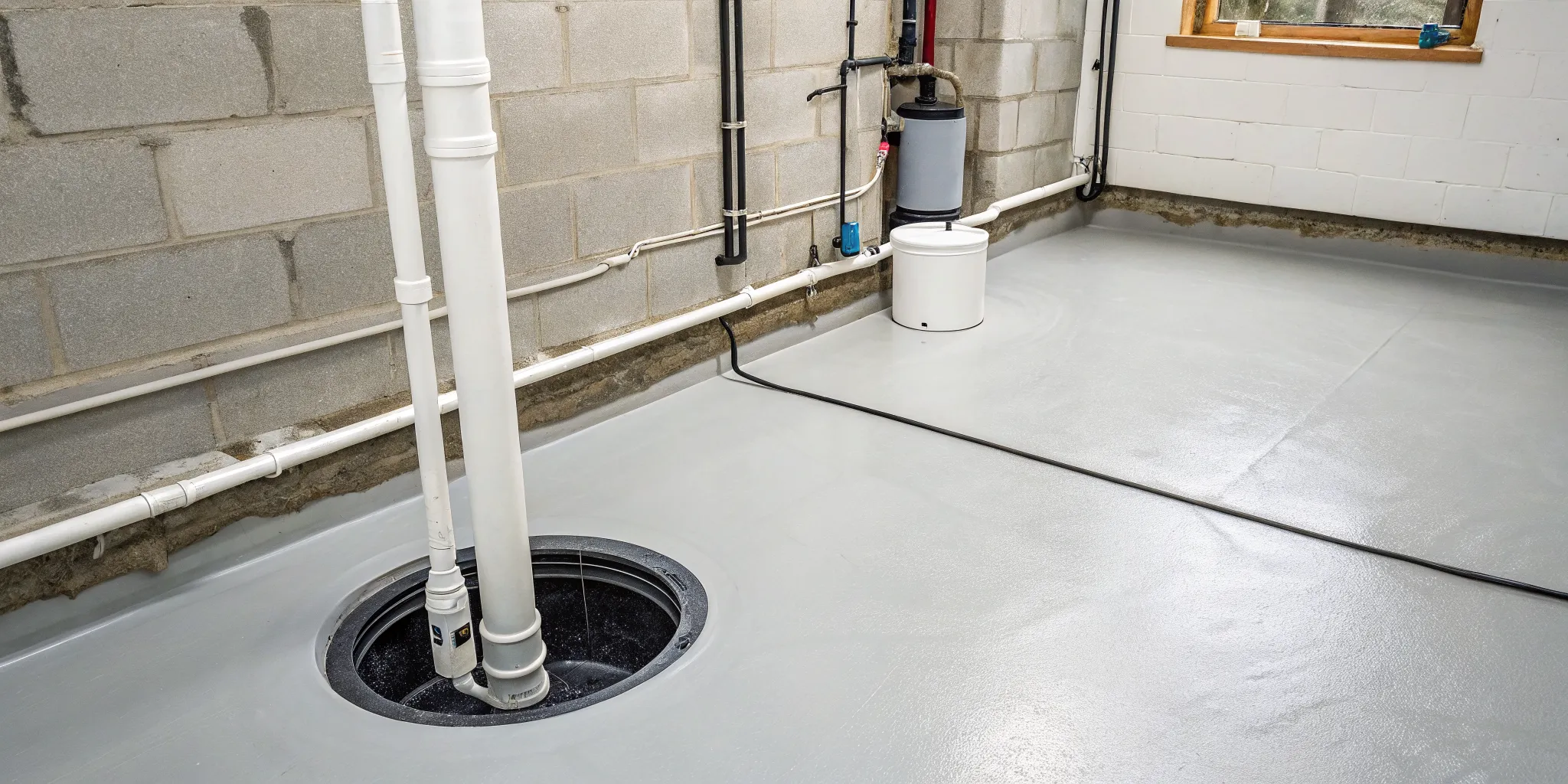
Think of a sump pump as your basement’s personal bodyguard against flooding. It’s a small but powerful pump installed in the lowest part of your basement or crawlspace, inside a specially constructed pit called a sump basin. As groundwater levels rise from heavy rain or snowmelt, that water is channeled into the basin. Once the water reaches a certain level, a float switch activates the pump, which then pushes the water out of the basin and away from your home’s foundation through a discharge pipe.
This simple, automatic process is your first line of defense against water damage, mold growth, and the costly repairs that follow a basement flood. For many homeowners, a sump pump isn’t just a feature, it’s a necessity for protecting their property and peace of mind. A reliable sump pump works quietly in the background, ensuring your home stays dry year-round. If you're concerned about water issues, professional plumbing repairs and a proper drainage strategy are key to keeping your foundation secure. TruFinity Plumbing Heating & Cooling can help you determine the best solution for your home.
Does Your Kelowna Home Need One?
If you live in Kelowna, there’s a good chance your home could benefit from a sump pump. Ask yourself: Does your basement have a persistent damp or musty smell? Have you noticed water stains on the concrete walls or floor? Is your home located at the bottom of a hill or in an area with a high water table? If you answered yes to any of these, a sump pump is a smart investment. Even if you’ve never experienced a full-blown flood, these are all signs that groundwater is pressing against your foundation. A sump pump actively removes that pressure, preventing long-term structural damage and keeping your basement a healthy, usable space.
Why Okanagan Basements Are at High Risk
Basements across the Okanagan face a unique set of challenges. Our region’s geography, with its heavy clay soil, means that water doesn't drain away easily. Instead, it collects around your foundation, looking for a way in. Add in the heavy spring runoff from snowmelt and the occasional intense rainstorm, and you have a perfect recipe for basement water problems. Whether you have a finished basement in West Kelowna or a crawlspace in a Lake Country acreage property, the risk is real. This is why having a reliable system to manage water is so critical here. At Trufinity, our expert drain and sewer services are designed to handle the specific drainage issues common throughout Kelowna, Vernon, and Penticton.
Sump Pump Types and Their Impact on Cost
Choosing a sump pump isn't a one-size-fits-all decision. The type of pump you install is one of the biggest factors determining the final price tag. The right system for your home depends on your basement's layout, your local water table, and how much protection you want. A small, unfinished crawlspace has different needs than a fully finished basement in a low-lying Kelowna neighborhood. Understanding the main options will help you have a clear conversation with your plumber about what’s best for your property and your budget.
Submersible vs. Pedestal Pumps
The two most common types of sump pumps for homes are submersible and pedestal. A submersible pump, as the name suggests, sits directly inside the sump pit, fully submerged in water. Because it’s underwater, it runs much quieter, making it a great choice for finished basements or bedrooms. It’s also less of an obstruction. A pedestal pump is different; its motor sits on a column above the sump pit, keeping it out of the water. This design often makes them less expensive and easier to service, but they are louder and take up more space. The best choice really comes down to your specific needs and the space you’re working with. Our team can help you assess your basement and find the right fit for your home's drain and sewer system.
The Importance of a Battery Backup
What happens if a big Okanagan storm knocks out your power? Your sump pump, which runs on electricity, stops working right when you need it most. This is where a battery backup system becomes essential. A backup system includes a secondary pump that automatically kicks on if the power fails or if your primary pump can’t keep up with the incoming water. It’s an additional layer of security that provides true peace of mind. While it adds to the initial installation cost, it’s a small price to pay compared to the expense and headache of a flooded basement. Because this is such a critical investment, we offer flexible financing options to help you protect your home without breaking the bank.
High-Capacity and Specialty Pumps
Some properties require more power than a standard residential sump pump can provide. If your home is in an area with a high water table, experiences significant spring runoff, or has a very large foundation, you may need a high-capacity or specialty pump. These units are built with more powerful motors and durable materials, like cast iron, to move larger volumes of water quickly and reliably. Naturally, these more robust systems come at a higher price point for both the equipment and the installation. A professional assessment is the only way to know for sure if your home needs one. The experts at TruFinity Plumbing Heating & Cooling can perform an on-site evaluation to determine the exact requirements for your property and provide a precise quote for your plumbing needs.
What Factors Influence Installation Costs in the Okanagan?
When you get a quote for a sump pump, the price of the pump itself is only one part of the equation. The final cost is a blend of equipment, materials, and the specific labor required for your home. Every installation is unique, whether it’s for a newer home in Kelowna’s Upper Mission or an older property with a stone foundation in Penticton. Several key factors determine the scope of the project and, ultimately, the total investment.
Understanding these variables helps you see exactly what you’re paying for. The complexity of the job can vary widely based on your home’s layout, existing infrastructure, and even the ground beneath your foundation. At TruFinity Plumbing Heating & Cooling, we provide clear, upfront quotes that account for these factors, so you know precisely what to expect. From simple replacements to complex new installations in challenging West Kelowna basements, our goal is to provide a solution that fits your home perfectly.
Basement Access and Excavation
The first thing a technician assesses is how easy it is to get to the installation spot. A wide-open, unfinished basement with a concrete floor is the most straightforward scenario. However, if your basement is finished, the job gets more complex. We may need to cut through drywall, remove flooring, or work around existing structures, all of which adds to the labor time. If you don’t already have a sump pit, one will need to be created. This involves breaking through the concrete slab and excavating a hole, a task that significantly impacts the final cost. The more difficult the access, the more time and effort are required for a safe and proper plumbing installation.
Electrical Work and Permits
A sump pump requires a dedicated Ground Fault Circuit Interrupter (GFCI) outlet to operate safely and prevent electrical hazards in a damp environment. If a suitable outlet isn't located near the sump pit, an electrician will need to install one. This is an additional step that contributes to the overall project cost. Furthermore, many municipalities in the Okanagan require permits for plumbing and electrical work to ensure everything is up to code. A professional company like Trufinity handles the permit process for you, but the permit fees themselves, which can range from $50 to $300, are typically added to the final invoice. This ensures your installation is compliant and safe.
Discharge Line Routing
Once the pump is in place, it needs a way to move water out of your basement and away from your foundation. This is done through a discharge line. The cost of this step depends entirely on the path the pipe must take. A simple, short run through the wall just above your foundation is the most cost-effective option. However, if the pipe needs to be routed a long distance, buried underground to avoid freezing, or run through finished walls and ceilings, the job becomes more involved. Complicated routing that involves digging a new pit or moving existing pipes can add a substantial amount to the installation cost, as it requires more materials and labor.
Local Soil and Drainage
Here in the Okanagan, our local geology plays a big role. The soil composition, which can range from dense clay to rocky ground, affects how difficult it is to excavate a sump pit or trench for a discharge line. Hard, rocky soil requires more time and specialized equipment to work with. Additionally, homes in areas with a high water table or poor natural drainage may need a more robust solution. For instance, larger homes or properties that deal with significant seasonal runoff might require a higher-horsepower pump or even multiple pumps to keep the basement dry. Our team at TruFinity Plumbing Heating & Cooling always assesses these local conditions to recommend the right size and type of pump for your specific needs.
Breaking Down Sump Pump Installation Costs in Kelowna
Understanding the cost of a new sump pump installation involves looking at a few key components. The final price isn't just about the pump itself; it also includes the professional labor required for a safe and effective setup, plus any necessary materials and permits. While online estimates provide a general idea, the unique layout of your home and specific needs will determine the final cost. For a precise figure tailored to your property, getting an on-site quote is always the best path forward. TruFinity Plumbing Heating & Cooling can provide a detailed estimate that covers every aspect of the job, ensuring there are no surprises.
Equipment and Pump Costs
The sump pump is the heart of the system, and its cost can vary widely based on type, power, and features. A basic, entry-level pump might only cost a couple of hundred dollars, while a high-performance, cast-iron model with a battery backup system can run over a thousand. The main choice is between a submersible pump, which sits inside the sump pit, and a pedestal pump, where the motor is on a column above the pit. Submersible pumps are generally more powerful and durable, making them a popular choice for Okanagan homes that see significant spring runoff. Adding a battery backup is also a smart investment, as it keeps your basement protected during power outages.
Professional Installation Labor
Labor is a significant part of the total cost, and it depends entirely on the complexity of the installation. A straightforward replacement of an existing pump might only take a couple of hours. However, a new installation is a much bigger project. If your home doesn't have a sump pit, our technicians will need to break through the concrete floor, excavate the area, and install a liner. The job also involves running a discharge pipe to move water away from your foundation and handling all the necessary plumbing connections. The labor for a new install in a finished basement in the Upper Mission will naturally be different from a pump swap in a Lake Country property with an accessible crawlspace.
Permits and Additional Materials
Beyond the pump and the labor, there are other costs to consider. Most new installations require a municipal permit to ensure the work meets local building codes. Our team at TruFinity Plumbing Heating & Cooling handles the permitting process for you. Additional materials include PVC piping for the discharge line, a check valve to prevent backflow, and sometimes gravel to line the new sump pit. If we are replacing an old unit, there may also be a small fee for its proper disposal. These costs can add up, which is why we offer flexible financing options to help you manage the investment in protecting your home.
DIY vs. Professional Installation
When you’re looking at a new sump pump, the thought of saving money with a DIY installation is tempting. It seems straightforward enough, and many homeowners are comfortable with weekend projects. However, installing a sump pump isn't like assembling a bookshelf. It’s a critical piece of your home's defense against water damage, especially with the heavy spring runoff we see in the Okanagan. A small mistake during installation can lead to a catastrophic failure when you need it most.
This decision isn't just about saving a few dollars on labor. It's about weighing the upfront cost against the long-term risk of a flooded basement, damaged belongings, and expensive repairs. Before you head to the hardware store, let's walk through what a DIY project involves versus the security that comes with hiring a professional.
Common DIY Mistakes to Avoid
While some home projects are great for learning new skills, a sump pump installation has very little room for error. Common DIY sump pump replacement mistakes often lead to bigger problems. Choosing the wrong size pump, for example, can mean it’s either too weak to handle a sudden influx of water or so powerful it cycles on and off constantly, burning out the motor.
Another frequent issue is incorrect installation. This can include not setting the pump at the right height in the basin or improperly routing the discharge line. If the pipe doesn't slope away from your house correctly, all that water can flow right back to your foundation. And since the job involves both plumbing and electrical work, there are serious safety risks if you aren't experienced with both.
Why Hiring a Pro Is a Smart Investment
Hiring a professional from TruFinity Plumbing Heating & Cooling is an investment in your home’s safety and your own peace of mind. Our technicians have the expertise to assess your specific needs, from the soil around your Upper Mission home to the layout of your Rutland mechanical room. We ensure the right pump is selected and installed correctly the first time. This means no guesswork and no risk of a flooded basement during the next big storm.
A professional also understands local building codes in Kelowna and the surrounding areas, ensuring your installation is fully compliant. We handle all the complex plumbing and electrical connections safely, so you don't have to worry. Ultimately, a professional plumbing installation means your sump pump will work reliably for years, protecting your property and preventing far more expensive water damage repairs down the road.
How to Choose the Right Sump Pump
Picking the right sump pump can feel like a big decision, but it doesn’t have to be complicated. The best choice for your home comes down to a few key factors: the size of the pump, the features you need, and the specific demands of our local Okanagan climate. A pump that’s too small won’t keep up during a heavy spring thaw, leaving your basement vulnerable to flooding. On the other hand, a pump that’s too powerful can cycle on and off too frequently, a process called short cycling, which wears out the motor prematurely. It’s all about finding that perfect balance to keep your basement dry and give you peace of mind.
Think of it like choosing any other essential home appliance. You want something reliable, efficient, and built to handle the job without any fuss. We’ll walk you through what to look for, from pump capacity and construction materials to the type of switch that activates it. Understanding these basics will help you have a confident conversation with a professional and ensure you invest in a system that protects your home for years to come. The team at TruFinity Plumbing Heating & Cooling has installed countless systems across the valley and is always here to assess your property and recommend the perfect fit for your specific needs.
Select the Correct Pump Size
Sump pump power is measured in horsepower (HP), typically ranging from 1/4 HP to 1 HP for residential use. The right size for your home isn't just about the square footage of your basement; it’s about how much water needs to be moved and how quickly. A home in a high water table area or a region with heavy spring runoff will need a more powerful pump. For example, larger homes or properties in areas like Lake Country may require a 1/2 HP or 3/4 HP pump, or even multiple units, to handle the volume of water effectively. A professional assessment can determine the ideal pump size to ensure your basement stays dry during the wettest Okanagan seasons.
Essential Features to Consider
The two main types of sump pumps are submersible and pedestal. A submersible pump sits directly inside the sump pit, making it quieter and out of sight. A pedestal pump has a motor that sits on a column above the pit, which makes it easier to service and often gives it a longer lifespan. While submersible pumps are common for finished basements, pedestal pumps are excellent at moving large volumes of water. Beyond the type, look for durable construction, like cast iron over plastic, which helps dissipate heat and extends the motor’s life. Also, consider the switch type, as a reliable float switch is critical for automatic operation when you need it most.
Factoring in Okanagan's Climate
Here in the Okanagan, our climate brings unique challenges that your sump pump must be ready for. The heavy spring freshet from melting snow and intense summer rainstorms can saturate the ground quickly, putting immense pressure on your home’s drainage system. A standard pump might not be enough for homes in areas with poor soil drainage or for properties in West Kelowna facing significant runoff. Your location affects everything, from local building codes to the type of pump that will perform best. That’s why a one-size-fits-all approach doesn’t work. At Trufinity, we consider these local conditions to recommend a sump pump system built to handle everything our seasons throw at it.
Signs Your Sump Pump Needs to Be Replaced
A sump pump is one of those "out of sight, out of mind" appliances until it stops working. Unfortunately, that's usually during a heavy downpour when you need it most. Knowing the warning signs of a failing pump can help you act before a minor issue becomes a major flood. At TruFinity Plumbing Heating & Cooling, we know that catching problems early gives you time to plan for a repair or replacement, saving you from the stress and expense of water damage. Here are the key indicators that your sump pump might be on its last legs.
Key Performance and Failure Warnings
Your sump pump will often give you clues before it fails completely. Keep an eye, and an ear, out for these red flags. If your pump is making grinding, rattling, or other strange noises, it could mean the impeller is damaged or clogged with debris. Another major sign is if the pump runs constantly, even in dry weather; this points to a faulty switch or a pump that's too small for the job. Of course, if it doesn't turn on at all during a storm, you have a problem. Visible rust, an oily film in the water, or a pump that's over seven years old are all strong indicators that it's time for a professional inspection.
Repair vs. Replace: How to Decide
When your sump pump acts up, the big question is whether to repair or replace it. A simple repair, like fixing a stuck float switch or clearing a clog, can be a quick and affordable fix. However, if the motor is burned out or the pump is nearing the end of its typical 7 to 10 year lifespan, a replacement is almost always the better investment. Pouring money into major repairs for an old unit is often not cost effective. A good rule of thumb is to consider replacement if the repair cost is more than half the price of a new pump. The team at Trufinity can diagnose the issue and give you a clear recommendation to help you make the best choice for your home's drainage system.
How to Maintain Your Sump Pump
Your sump pump is your home's first line of defense against basement flooding, especially with the Okanagan's heavy spring runoff and sudden rainstorms. But it's not a "set it and forget it" appliance. Regular maintenance is key to making sure it works when you need it most. A little bit of upkeep can save you from a major headache and expensive water damage repairs down the road. By following a simple checklist and understanding our region's unique challenges, you can keep your pump in top condition and your basement dry year-round.
A Seasonal Checklist for Okanagan Homeowners
Think of sump pump maintenance as a seasonal task. A few times a year, especially before the spring thaw, pour a bucket of water into the sump pit. You want to see the pump kick on, drain the water quickly, and shut off properly. This simple test confirms it’s ready for action. While you're there, unplug the pump and clear any dirt, gravel, or debris from the pit that could clog the intake. For complete peace of mind, a yearly inspection from a professional plumber can catch issues you might miss, ensuring your system is reliable.
The Effect of Hard Water on Your Pump
Here in the Okanagan, we have notoriously hard water. Over time, those high mineral levels can cause sediment to build up inside your sump pump's components. This buildup can interfere with the float switch, clog the discharge line, and force the motor to work harder, shortening its lifespan. Regular cleaning helps manage this, but if you notice significant scale or crusty deposits, it’s a sign your pump is struggling. Addressing the root cause with a water filtration system can protect not just your sump pump, but all your home's plumbing and appliances from mineral damage.
Financing Your Sump Pump Installation
A new sump pump is a critical investment in protecting your home from water damage, but it can also be an unexpected expense. Understanding the costs and your payment options ahead of time can make the entire process feel much more manageable. While the total price depends on the pump you choose and the specifics of your home, you have several paths to ensure your basement stays dry without draining your bank account. From insurance coverage to flexible payment plans, let’s look at how you can finance your sump pump installation and get the best possible value for your investment. This is about securing peace of mind, and TruFinity Plumbing Heating & Cooling is here to make that process as clear and stress-free as possible.
Exploring Payment and Insurance Options
The cost of a sump pump installation can vary, often ranging from several hundred to a few thousand dollars depending on the job's complexity. Before you dive into your wallet, it’s worth checking your homeowner's insurance policy. Standard policies often don't cover damage from a failed sump pump, but many homeowners add specific water backup coverage to their plan. A quick call to your insurance provider can clarify what’s covered. For the installation cost itself, you don’t have to pay the full amount all at once. TruFinity Plumbing Heating & Cooling offers flexible financing options to help you get the protection you need now and pay over time. We believe a safe, dry home should be accessible to everyone.
How to Get the Best Value
Getting the best value isn’t just about finding the lowest price; it’s about making a smart, long-term investment. The first step is getting a detailed, professional quote. This ensures you understand exactly what you’re paying for, from the pump itself to the labor involved. While a less expensive pedestal pump might seem tempting, a submersible pump could be a better value for your specific basement in Kelowna or West Kelowna. A professional technician can explain the pros and cons. Investing in professional installation also adds value by preventing costly errors that could lead to future floods. Finally, consider the long-term savings of regular maintenance. Our membership plan helps extend the life of your equipment, ensuring your sump pump is ready to work when you need it most.
Related Articles
- Sump Pump Services Kelowna | TruFinity Plumbing
- Replacing a Sump Pump? A Step-by-Step YouTube Guide | TruFinity
- Cost of Heat Pump Installation in Kelowna | TruFinity Blog
Frequently Asked Questions
How much does a sump pump installation actually cost in Kelowna? The final price depends on several factors, so there isn't a single flat rate. A simple replacement of an existing pump will cost less than a brand new installation that requires breaking concrete and digging a sump pit. The type of pump you choose, whether you add a battery backup, and the complexity of running the discharge line all influence the total investment. The best way to get an accurate number for your home is to have a professional from TruFinity Plumbing Heating & Cooling provide a detailed, on-site quote.
Is a battery backup system really necessary? Think of a battery backup as insurance for your basement. Our Okanagan storms can sometimes knock out the power, which is often when you need your sump pump the most. A battery backup system automatically takes over if the power fails or if your primary pump can't keep up with a sudden flood of water. While it adds to the initial cost, it provides critical protection and peace of mind, preventing a potential disaster when your main pump is offline.
How long does a typical sump pump installation take? The timeline really depends on the scope of the work. If we are simply replacing an old, existing pump with a new one, the job can often be completed in just a few hours. However, if your home needs a completely new system, the process is more involved. Creating a new sump pit, running electrical lines, and routing the discharge pipe can take the better part of a day. We can give you a precise time estimate when we assess your property.
My basement only gets a little damp. Do I still need a sump pump? Even a small amount of dampness, a musty smell, or chalky white residue on the walls are signs that groundwater is pressing against your foundation. Over time, this constant pressure can lead to cracks, structural damage, and mold growth. A sump pump actively relieves that pressure by collecting and removing the water before it can cause problems. It’s a proactive solution that protects your home’s health and value in the long run.
How can I tell if my current sump pump needs to be replaced? There are a few key warning signs to watch for. If your pump is making loud grinding or rattling noises, running constantly even when it’s not raining, or failing to turn on at all, it’s time for an inspection. Visible rust or an age of over seven to ten years are also strong indicators that your pump is nearing the end of its life. It's better to replace it proactively than to wait for it to fail during a storm.


.webp)