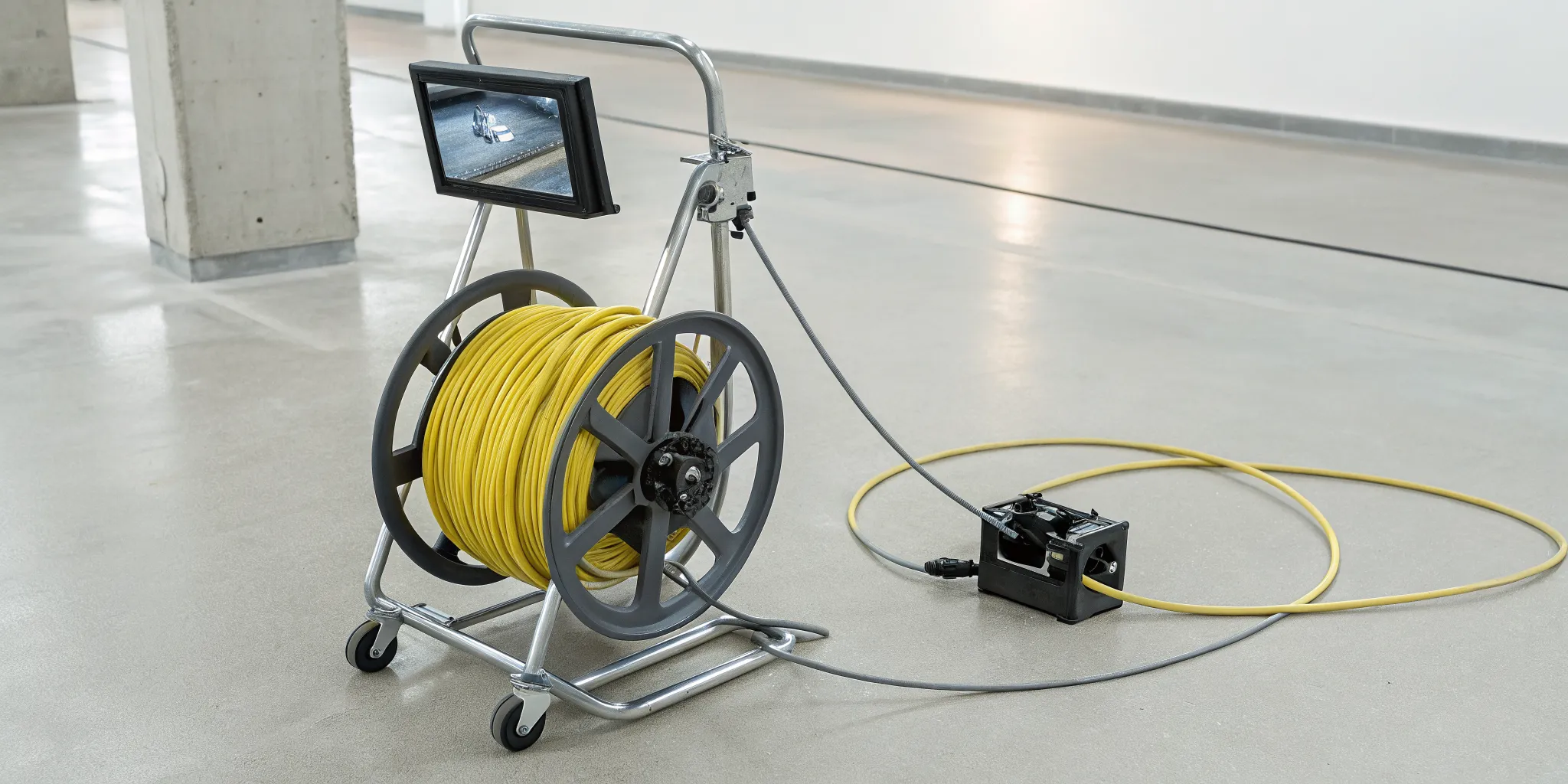
Buying a home is an exciting process, but it also comes with a lot of due diligence. A standard home inspection covers what you can see, but one of the most critical and expensive systems, the main sewer line, remains hidden underground. A cracked or failing sewer pipe can lead to thousands of dollars in unexpected repairs right after you move in. This is why a pre-purchase inspection with a sewer inspection camera is so important. It provides a clear video record of the pipe’s condition, uncovering potential disasters like root intrusion or pipe collapses before you sign the papers. It’s a crucial step to ensure your dream home doesn’t come with a nightmare plumbing problem.
Key Takeaways
- Diagnose problems without destructive digging: A sewer camera gives a direct look inside your pipes, pinpointing the exact cause and location of issues like clogs or cracks, which saves your lawn from unnecessary excavation.
- Catch small issues before they become costly emergencies: Using a camera allows you to find minor problems like root intrusion or small cracks early. Addressing these issues proactively is far more affordable than dealing with a major sewer backup and water damage later.
- A professional provides more than just a video: While DIY cameras exist, a trained technician can accurately interpret the findings, locate the problem precisely, and recommend the most effective repair. This expertise ensures the problem is fixed correctly the first time.
What Is a Sewer Inspection Camera?
Think of a sewer inspection camera as a tiny detective for your plumbing system. It’s a specialized, waterproof video camera attached to the end of a long, flexible cable. A professional plumber can feed this cable into your sewer lines to get a real-time look at what’s happening inside your pipes. This technology is a game-changer because it allows us to find the exact cause and location of a problem without any guesswork or unnecessary digging in your yard.
For homeowners here in the Okanagan, this is especially valuable. Our region’s hard water can lead to significant mineral buildup, and tree roots are always searching for a water source, often finding their way into sewer lines. These issues can cause slow drains, backups, and clogs that are impossible to diagnose from the surface. A sewer camera inspection takes the mystery out of the equation. Instead of wondering if you have a simple clog or a more serious issue like a cracked pipe, a video inspection provides clear, visual evidence. This allows the team at TruFinity Plumbing Heating & Cooling to recommend the right solution the first time, saving you time, money, and stress.
How a Sewer Camera Works
The process is straightforward and non-invasive. A technician from Trufinity will find an access point to your sewer line, like a cleanout. They then insert the camera and carefully push the flexible cable through the pipe. As the camera travels, it sends a live video feed to a high-resolution monitor, so you and the technician can see the pipe's interior in detail.
Modern sewer cameras are equipped with powerful LED lights to illuminate the dark pipes, ensuring a clear picture. Many professional cameras also have a built-in radio transmitter, called a sonde. This device sends out a signal that can be detected from above ground with a special locator. This allows the technician to pinpoint the exact physical location and depth of the camera, and therefore any blockages or pipe damage, with incredible accuracy.
Common Types of Sewer Cameras
While the basic concept is the same, sewer cameras come in various shapes and sizes designed for different tasks. The most common type used for residential properties is a push camera. This is the flexible rod system we’ve been discussing, which is perfect for navigating the smaller pipes found in homes. For larger commercial or municipal sewer mains, technicians might use robotic crawler cameras, which are motorized and can travel much longer distances.
You might also see smaller, handheld inspection cameras for looking inside walls or other tight spaces. However, for a thorough sewer line diagnosis, a professional-grade system like the RIDGID SeeSnake is essential. These systems offer superior image quality, durability, and locating capabilities compared to smaller, DIY-focused models.
Key Features to Look for in a Sewer Camera
When you need to see inside your pipes, not just any camera will do. Sewer inspection cameras are specialized tools, and their features can make a huge difference in accurately diagnosing a problem. Understanding what makes a good camera helps you know what to expect from a professional inspection. From the clarity of the image to the camera's ability to find its own location underground, these key features are what separate a guessing game from a clear, actionable diagnosis. For homeowners in the Okanagan, where hard water can cause significant mineral buildup, having the right equipment is even more important to get a true picture of your pipe's health.
Camera Resolution and Image Quality
The most fundamental feature of any camera is its ability to capture a clear picture. In the dark, narrow environment of a sewer pipe, high-resolution video is essential. It allows a technician to spot fine cracks, identify the type of blockage, and see the subtle signs of pipe corrosion. Modern cameras often include High Dynamic Range (HDR) sensors that provide excellent image quality even in the challenging, low-light conditions of a drain. This clarity is crucial for distinguishing between a simple clog and a more serious issue like tree root intrusion, ensuring you get the right repair recommendation.
Cable Length and Flexibility
A sewer camera is only as good as its reach. The camera head is attached to a flexible push cable that is fed into the pipe. The cable needs to be long enough to travel from the access point all the way to the municipal sewer line if necessary. Just as important is the cable’s flexibility. Your home’s plumbing isn’t a straight line; it has bends and turns that a stiff cable can’t get through. A high-quality, flexible cable allows the camera to move through these corners smoothly, providing a complete view of the entire pipe system without getting stuck.
Lighting and Built-in Locators
It’s completely dark inside your sewer lines, so powerful lighting is a must. Most professional sewer cameras are equipped with bright, adjustable LED lights surrounding the lens to illuminate the pipe walls. This ensures a bright, clear picture. An even more critical feature is a built-in locator, or sonde. This is a small transmitter in the camera head that sends out a signal. Using a receiver above ground, a technician from TruFinity Plumbing Heating & Cooling can pinpoint the exact physical location and depth of the camera. This means we can find the precise spot of a blockage or break without any guesswork.
Recording and Waterproofing Capabilities
A proper sewer inspection should always be recorded. This video evidence provides you with a permanent record of your pipe’s condition and is incredibly useful for insurance purposes or for comparing with future inspections. Of course, any equipment going into a sewer line must be completely waterproof. Professional cameras have a high waterproofing rating, like IP68, meaning they are designed to be fully submerged and withstand the harsh environment inside a drain. This durability ensures the equipment used by Trufinity works reliably every time.
Top Sewer Inspection Camera Brands
When it comes to sewer inspection cameras, the market offers everything from high-end professional equipment to more accessible models for handy homeowners. The right brand for you depends entirely on the job's complexity and how often you'll need it. Professionals like the team at TruFinity Plumbing Heating & Cooling rely on durable, high-performance systems to guarantee an accurate diagnosis for issues common in the Okanagan, like root intrusion or mineral buildup. For those curious about their own pipes, consumer-grade options provide a fascinating look without the professional price tag. Let's break down some of the top names in the industry.
Professional-Grade Systems
In the world of professional plumbing, certain brands are trusted for their reliability and advanced technology. These are the systems built for daily use in demanding conditions. The Ridgid Seesnake Standard Sewer Camera is a leader in this category, standing out with its TruSense Technology and a high-dynamic-range (HDR) image sensor. It’s a favorite among industry experts because it delivers exceptional performance and clear visuals during drain inspections. This level of quality ensures that professionals can spot everything from minor cracks to major blockages with confidence, providing homeowners with a precise and trustworthy assessment of their sewer lines.
Consumer and Mid-Range Options
If you're a hands-on homeowner looking to tackle your own diagnostics, you don't necessarily need a professional-grade unit. Brands like Sanyipace and Mophorn offer capable cameras that get the job done for a fraction of the cost. For those who are reasonably handy and want to understand what's happening in their pipes, the Sanyipace S5517DC sewer camera delivers legitimate diagnostic capabilities. Similarly, the Mophorn Sewer Camera is another solid choice, featuring a long waterproof cable and a clear screen. These cameras are great for periodic checks and identifying straightforward issues before calling in a pro.
Notable Features by Brand
Different brands distinguish themselves with unique features that cater to specific needs. The Ridgid Seesnake, for example, excels with its TruSense HDR image sensor, powerful LEDs, and a self-leveling camera head that keeps the picture upright as it moves through the pipe. On the consumer side, Sanyipace cameras often include a built-in locator (sonde) to pinpoint the camera's underground location, a self-leveling feature, and a distance counter to measure how far the camera is in the line. These features provide valuable context, helping you understand not just what the problem is, but exactly where it is.
How Much Does a Sewer Camera Cost?
When you’re dealing with a stubborn drain clog or a strange gurgling sound, one of the first questions you probably have is, "How much will it cost to figure this out?" A sewer camera inspection is an incredibly useful diagnostic tool, and understanding the price helps you make a smart decision for your home. It’s helpful to think of it not just as a cost, but as an investment in preventing a much larger, messier, and more expensive problem down the line.
Understanding the Price Ranges
On average, you can expect a professional sewer line camera inspection to cost between $125 and $500. While the exact price depends on your location and the specifics of the job, most homeowners find they pay around $280 for this service. This fee typically covers a trained technician using specialized equipment to get a live video feed of what’s happening inside your sewer line. The goal is to give you a clear, accurate diagnosis without any guesswork.
Factors That Influence the Cost
A few key things can affect the final price of your inspection. The biggest factor is accessibility. If your home has a dedicated "cleanout" pipe, it provides a straightforward entry point for the camera. However, if a cleanout isn’t available, the plumber might need to remove a toilet to access the line, which involves more labor and can increase the cost. Here in the Okanagan, where our hard water can cause mineral buildup, an early inspection is a wise move. Catching issues like blockages or root intrusion early is far more affordable than dealing with a major sewer line failure, which can easily cost thousands of dollars. If you suspect a problem, the team at TruFinity Plumbing Heating & Cooling can provide a clear diagnosis with our professional drain and sewer services.
Why Use a Sewer Inspection Camera?
When you’re dealing with a drain issue, the last thing you want is guesswork. A sewer inspection camera takes the mystery out of plumbing problems by giving you and your technician a real-time look inside your pipes. Think of it as a preventative health screening for your home’s plumbing system. For homeowners in the Okanagan, where our notably hard water can cause mineral buildup and accelerate pipe wear, seeing what’s going on is especially important.
Using a camera is a proactive step that helps you understand the exact condition of your sewer lines. It allows for precise problem-solving, prevents unnecessary and destructive digging, and ultimately saves you from the stress and high costs of a plumbing emergency. Instead of reacting to a disaster like a sewer backup, you can catch potential issues long before they become catastrophic. It’s about making informed decisions for your home based on clear, visual evidence.
Detect Problems Early and Save Money
The biggest advantage of a sewer camera inspection is its ability to spot trouble before it gets out of hand. A tiny crack, a small root intrusion, or a minor blockage might not cause noticeable symptoms right away, but over time, these small issues can lead to major sewer line breaks and costly backups. Finding a problem early allows for a targeted, less expensive repair. Ignoring it can mean facing thousands of dollars in emergency repairs, water damage restoration, and landscaping costs. A camera inspection is a small investment that protects you from a much larger financial headache down the road.
Inspect Pipes Without Destructive Digging
In the past, the only way to diagnose a serious sewer line problem was to dig up the pipe. This meant excavating your lawn, tearing up your driveway, or destroying your garden beds just to find the source of the issue. A sewer inspection camera makes this destructive process obsolete. A trained technician from TruFinity Plumbing Heating & Cooling can feed a flexible, waterproof camera directly into your pipes through an existing access point. This non-invasive method lets us see every inch of your sewer line without disturbing your property, saving you the mess, time, and expense of major excavation.
Get an Accurate Diagnosis
A camera inspection provides a clear and accurate diagnosis of what’s happening inside your pipes. There’s no more guessing about the cause or location of a clog. The high-resolution video feed allows us to pinpoint the exact nature of the problem, whether it’s invasive tree roots, a cracked or collapsed pipe, grease buildup, or a foreign object creating a blockage. This precision ensures that we can recommend the right solution the first time. With an accurate diagnosis from Trufinity, you get a more effective and efficient drain and sewer service, preventing repeat problems and giving you complete peace of mind.
How to Choose the Right Sewer Camera
Picking the right sewer camera comes down to understanding your specific situation. Are you dealing with a recurring clog, buying a new home, or just curious about the state of your pipes? Your answer will guide you toward either a DIY solution or a professional service. Let's walk through the key steps to help you make a confident choice for your home or business.
Assess Your Specific Needs
First, think about what you’re trying to accomplish. Are you trying to find the cause of slow drains, or are you investigating a more serious issue like a suspected pipe break? In the Okanagan, our hard water can lead to significant mineral buildup, which can snag debris and cause stubborn clogs. A camera inspection can easily spot this, along with other common sewer problems like tree root intrusion, cracks, or grease buildup. Knowing the problem you're trying to solve will help you determine if a basic camera will do the trick or if you need more advanced diagnostic tools.
Decide Between Professional vs. DIY
For homeowners who enjoy tackling projects, a DIY sewer camera can offer a fascinating look inside your pipes. These tools can provide legitimate diagnostic capabilities for straightforward issues. However, interpreting what you see can be tricky. A shadow could be a simple clog or a sign of a more serious collapse.
This is where a professional inspection makes a difference. When you call a team like TruFinity Plumbing Heating & Cooling, you get more than just a camera feed. You get a trained technician who can accurately diagnose the problem, locate its exact position, and recommend the right solution. For complex or recurring issues, a professional drain and sewer service is the fastest and most reliable path to a real fix.
Key Factors in Your Decision
If you decide a DIY camera is right for you, there are a few key features to consider. First, check the cable length to ensure it can reach the problem area. A 50-foot cable might be fine for a kitchen line, but you’ll need a longer one for your main sewer line. Camera head size is also important; it needs to be small enough to navigate your pipe’s bends. Finally, look for good video quality and adjustable LED lights, as these are critical for getting a clear picture in a dark pipe. Considering these key factors will help you choose a tool that’s up to the task.
Where to Find Reviews and Purchase a Camera
Once you’ve decided a sewer camera is the right tool for the job, the next step is figuring out where to get one. This isn't like grabbing a new power drill from the hardware store; these are specialized tools, and doing a bit of homework will save you a lot of headaches. Whether you're a homeowner tackling a DIY project or a business owner looking to invest in equipment, you’ll want to find reliable sources for both reviews and the camera itself. This ensures you get a clear picture of what’s happening in your pipes without wasting time or money.
Finding Reliable Reviews and Comparisons
When you start your search, focus on reviews from people who use these cameras every day. Professional plumbers often share their experiences on trade websites and forums, which can be a goldmine of practical information. You’ll see certain models, like the Ridgid Seesnake, mentioned frequently for their reliability and advanced features. For a broader perspective, look for comprehensive buying guides that compare top models based on budget, high-definition reporting, and line diagnosis capabilities. These guides can help you understand the trade-offs between different cameras and find one that fits your specific needs.
Professional Suppliers and Rental Options
For purchasing a high-quality camera, your best bet is a professional supplier that specializes in plumbing tools. They offer durable, professional-grade equipment that you won't find at a typical hardware store. However, since these cameras are a significant investment, renting can be a much more cost-effective solution for a one-time project. Many suppliers offer rental services, allowing you to use top-tier equipment for a fraction of the cost. Of course, the easiest option is to let a professional handle it. The team at TruFinity Plumbing Heating & Cooling already has the specialized cameras and training needed to give you a clear picture of your pipes' condition.
Related Articles
Frequently Asked Questions
When should I consider a sewer camera inspection? You should think about an inspection if you notice recurring issues like slow drains, gurgling toilets, or unpleasant odors that don't go away. It's also a very smart move before you buy a new home, as it can uncover hidden problems before they become your responsibility. For homeowners with older properties or large trees in the yard, a proactive inspection can give you peace of mind and help you catch potential root intrusion early.
Can I just rent a camera and do the inspection myself? While you can certainly rent a camera for a DIY inspection, the real value of a professional service is in the diagnosis. A trained technician from TruFinity Plumbing Heating & Cooling not only has the right equipment but also the experience to interpret what the camera sees. They can tell the difference between a minor buildup and a serious crack, locate the exact depth and location of the problem, and provide an immediate, actionable plan for the right repair.
What happens after the inspection is finished? Once the camera has run through your pipes, the technician will show you the video footage and walk you through their findings. They will point out any areas of concern, explain the nature of the problem, and answer any questions you have. Based on this clear visual evidence, they will then recommend the most effective solution, whether it's a thorough drain cleaning or a specific pipe repair, and provide you with a clear, upfront estimate for the work.
How long does a typical sewer inspection take? A standard residential sewer camera inspection is usually completed in about one to two hours. The exact time can vary depending on the length and complexity of your sewer line and how easily accessible the cleanout point is. It's a non-invasive process, so you can expect minimal disruption to your day while we get a clear picture of your pipe's condition.
Is a sewer inspection only useful for homes with existing problems? Not at all. While inspections are excellent for diagnosing current clogs and backups, they are also an incredibly valuable preventative tool. Getting a clear look at your pipes' condition can help you budget for future maintenance and address small issues before they turn into messy, expensive emergencies. Think of it as a health checkup for your home’s plumbing system.


.webp)