You’ve probably heard about the incredible efficiency of air-to-water heat pumps and their ability to lower energy bills. But how do they actually pull warmth from the cold Okanagan air and use it to heat your home? The answer lies in the air-to-water heat pump system diagram. This simple visual guide shows exactly how the components work together to provide year-round heating and cooling. Understanding this process is the first step to appreciating the technology. In this post, we’ll walk you through the diagram, explaining each part so you can see precisely how this system delivers on its promise of sustainable, cost-effective comfort.
Key Takeaways
- Understand the Core Technology: An air-to-water heat pump efficiently heats your home by moving existing warmth from the outside air into your water-based systems. This process works even in cold Okanagan winters (down to -25°C) and uses significantly less energy than a traditional furnace.
- Embrace All-in-One Comfort: A single air-to-water heat pump can replace both your furnace and air conditioner. This dual-function system provides efficient heating and cooling, which simplifies maintenance, saves space, and lowers your overall energy consumption.
- Prioritize Professional Installation and Care: Your heat pump's performance depends on a proper fit. Ensure a certified professional sizes the unit for your home correctly, and commit to annual maintenance to protect your investment and keep it running efficiently for years.
What Is an Air-to-Water Heat Pump?
If you're exploring new ways to heat your home, you've likely come across the term "air-to-water heat pump." Think of it as a clever heat mover rather than a heat creator. Instead of burning fuel to generate warmth, these highly efficient systems pull existing heat from the outside air—yes, even on a cold Okanagan day—and transfer it into a water-based system that heats your home. This process can be used for in-floor radiant heating, radiators, or even your hot water supply.
The magic behind this technology is its efficiency. Because it's moving heat instead of creating it from scratch, it uses significantly less energy than traditional furnaces or boilers. This makes it a fantastic choice for homeowners who prioritize lower energy bills and want to reduce their environmental impact. It’s a modern approach to home comfort, providing reliable warmth by working smarter, not harder. For a full scope of modern heating solutions, it's always best to see what options fit your home's specific needs.
How It Works
At its core, a heat pump operates on a simple principle: it moves heat from one place to another using a special fluid called a refrigerant. The process involves four key stages: evaporation, compression, condensation, and expansion. In heating mode, the outdoor unit’s fan blows air across a coil containing the cold refrigerant, which absorbs thermal energy from the air, causing it to turn into a gas. This gas is then compressed, which dramatically increases its temperature. Finally, this hot gas flows to an indoor unit, where it transfers its heat to the water in your heating system before expanding and starting the cycle all over again. This continuous refrigerant cycle is what makes the heat pump so effective.
Built for Cold Climates (Down to -25°C)
A common question we hear is, "But does it work when it's really cold?" The answer is a resounding yes. Today's air-to-water heat pumps are engineered specifically for climates like ours. Advanced cold-climate models, like the ones we install from top-tier brands like Daikin and Bosch, are designed to operate efficiently in temperatures as low as -25°C. They use sophisticated technology to continue extracting heat from the air even when it feels like there’s none left. This reliability makes them a viable and powerful primary heat source for homes throughout the Okanagan. Plus, their high efficiency can qualify you for significant government rebates and offers, making the switch even more attractive.
Year-Round Heating and Cooling in One System
One of the biggest advantages of an air-to-water heat pump is its versatility. This single system can handle both your heating in the winter and your cooling in the summer. By simply reversing its cycle, the heat pump can extract heat from inside your home and transfer it outdoors, providing you with efficient air conditioning. This dual functionality means you don't need separate furnace and air conditioning units, saving you space, simplifying maintenance, and reducing upfront equipment costs. It’s an integrated solution that provides complete, year-round comfort. This all-in-one capability is a key reason why so many homeowners are looking into modern cooling services that offer more than just a standard AC.
Breaking Down the Diagram: Key Components
At first glance, an air-to-water heat pump diagram can look like a complicated web of pipes and boxes. But once you know what you’re looking for, it’s actually quite simple. The entire system is made up of a few core components working together to move heat from the outside air into your home’s water. Understanding these parts helps you see exactly how your system delivers such efficient comfort. Think of it as getting to know the all-star players on your home’s heating and cooling team. Each one has a specific job, and when they work in sync, you get reliable, year-round comfort without the high energy bills. Let’s walk through the main components you’ll see on the diagram.
The Outdoor Unit: Capturing Heat from the Air
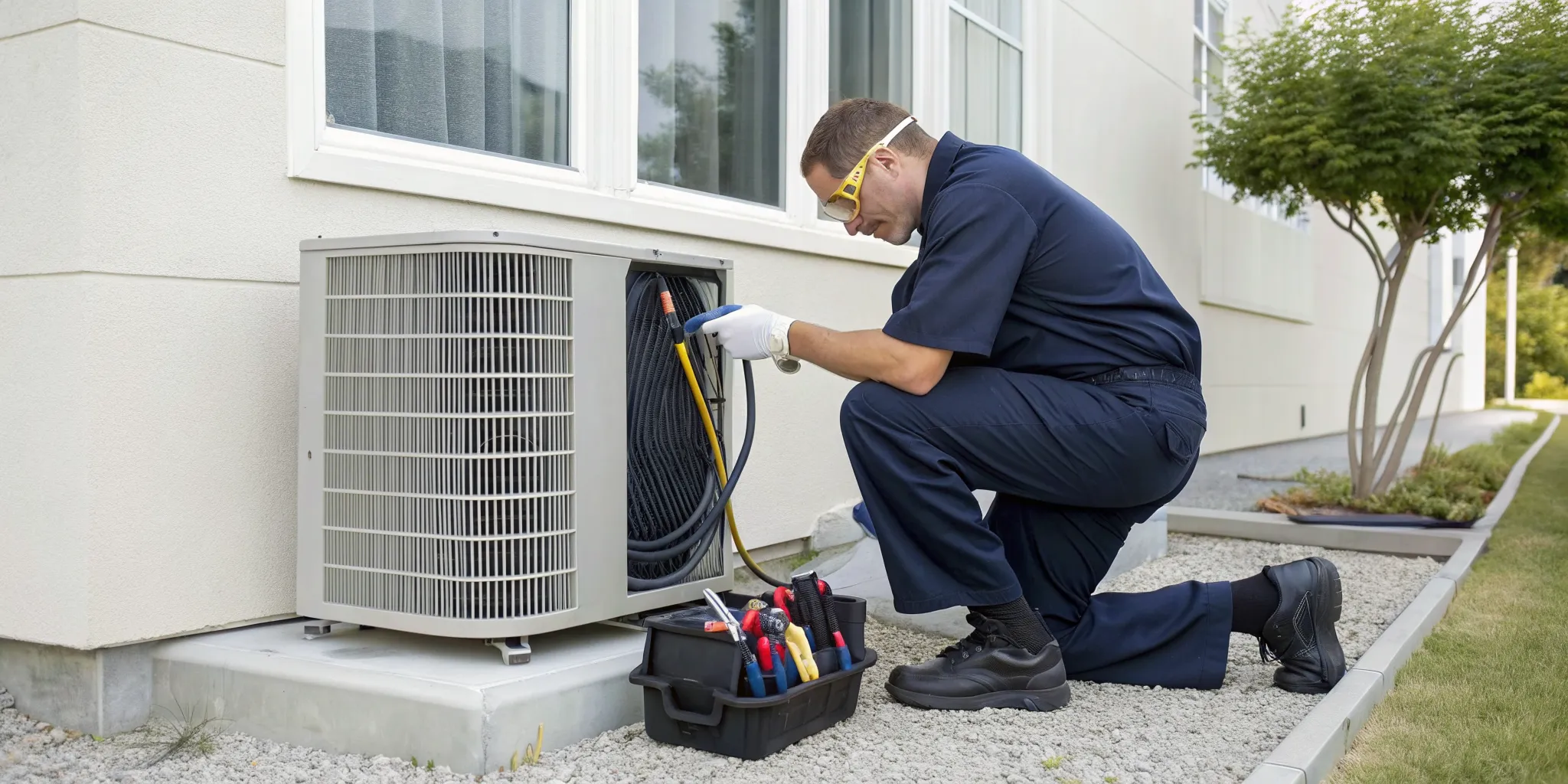
This is the part of the system you’ll see outside your home, and it has one of the most amazing jobs: pulling heat from the air. A large fan draws outside air across a series of coils filled with refrigerant. This special fluid absorbs thermal energy from the air, even on chilly Okanagan days. In fact, modern cold-climate systems are effective in temperatures as low as -25°C. The outdoor unit is the powerful starting point of the whole process, proving that there’s valuable heat available in the air, waiting to be used to warm your home.
The Indoor Unit: Transferring Heat to Your Water
Once the refrigerant in the outdoor unit has absorbed heat and turned into a gas, it travels inside to the indoor unit. This component acts as the system's hub. Here, the hot, compressed refrigerant gas passes through another heat exchanger, transferring its thermal energy into the water that circulates through your home. This heated water can then be sent to radiators, in-floor heating systems, or your hot water tank. It’s a quiet, efficient process that forms the core of your home’s heating and cooling solution, seamlessly converting captured air heat into usable water heat.
The Buffer Tank: Storing and Distributing Heat
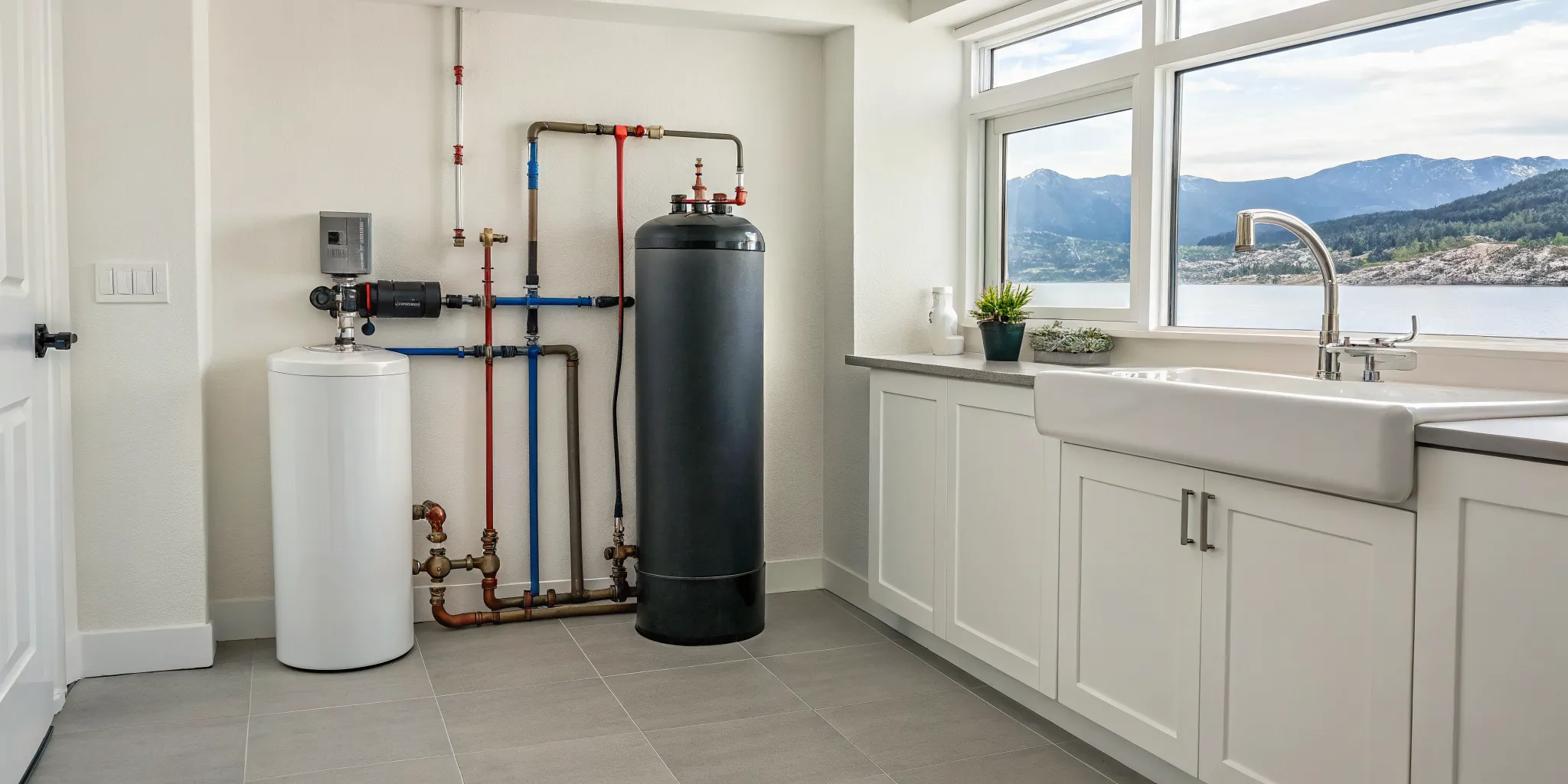
Think of the buffer tank as a thermal battery for your heating system. Its main job is to store the hot water produced by the heat pump, creating a ready reserve of heat. This is crucial for preventing "short cycling"—when a system turns on and off too frequently. Short cycling is inefficient and puts extra wear and tear on the components. By storing hot water, the buffer tank ensures the heat pump can run for longer, more efficient cycles. This simple but vital component helps maintain a stable temperature, extends the life of your system, and keeps everything running smoothly.
The Brains: Smart Controls and Zone Valves
The smart controls are the brains behind the entire operation. This system, which includes thermostats, sensors, and controllers, constantly monitors temperatures inside and outside your home to run the heat pump as efficiently as possible. It tells the system when to turn on, how hard to work, and where to send the heat. Zone valves work with the controls to direct the flow of hot water to different areas or "zones" of your home, so you only heat the spaces you’re using. This intelligent management is key to maximizing both your comfort and your energy savings.
Following the Flow: The Refrigerant Cycle Explained
At the heart of every air-to-water heat pump is a clever process called the refrigerant cycle. It’s how the system pulls warmth from the outdoor air—even when it’s cold—and moves it inside to heat your home’s water. Think of it as a heat taxi service, constantly picking up thermal energy from outside and dropping it off where you need it. This continuous loop is what makes the technology so incredibly efficient for providing both heating and cooling. Let’s walk through the four key steps in this cycle.
Step 1: Absorbing Heat from Outside Air
It all starts at the outdoor unit. The process begins when a fan pulls in outside air, passing it over coils containing a special fluid called refrigerant. This refrigerant is designed to have a very low boiling point. As the air moves over the coils, the refrigerant absorbs its thermal energy, causing it to turn from a cold liquid into a gas. It might seem strange to pull heat from cold air, but there’s always some heat energy available to capture. This is why modern heat pumps can work effectively in temperatures as low as -25°C, making them a great fit for Okanagan winters.
Step 2: Compressing to Create Heat
Once the refrigerant has turned into a gas, it moves to a compressor. This is where the magic really happens. Next, the gaseous refrigerant is compressed, significantly increasing its temperature and pressure. If you’ve ever used a manual bike pump and felt it get warm, you’ve experienced this effect firsthand. By squeezing the gas into a smaller space, the compressor concentrates all that absorbed heat energy, raising the refrigerant’s temperature until it’s much hotter than the water you want to heat for your home. This superheated gas is now ready for the next step.
Step 3: Transferring Heat into Your Home's Water
Now carrying a full load of heat, the hot, high-pressure refrigerant travels to the indoor unit. Here, it flows through a heat exchanger, where the hot, high-pressure refrigerant then transfers its heat to the water in the system, turning back into a liquid. This newly heated water is then sent to your radiators, in-floor heating system, or hot water tank, providing comfortable and consistent heating throughout your home. The cycle has successfully delivered its warmth, and the now-cool liquid refrigerant heads back outside to start the process all over again.
Keeping Things Clear: The Defrost Cycle
Living in the Okanagan, you know that frost is a reality in winter. To keep the system running efficiently, heat pumps have a built-in defrost cycle. If the outdoor unit’s coils get too cold, moisture from the air can freeze on them and block airflow. When the system senses this, it temporarily reverses itself. During the defrost cycle, the process reverses: the outdoor unit acts as the condenser, using a small amount of heat to melt the ice away quickly. This ensures the unit can continue to absorb heat from the air effectively, maintaining peak performance even on the coldest days.
How to Read an Air-to-Water Heat Pump Diagram
At first glance, an air-to-water heat pump system diagram can look like a complex schematic for a spaceship. With all its lines, symbols, and labels, it’s easy to feel overwhelmed. But think of it less like a technical blueprint and more like a roadmap for your home’s comfort. Understanding this map empowers you to have more meaningful conversations with your technician and appreciate the incredible technology keeping your home warm in the winter and cool in the summer.
Learning to read this diagram isn't about becoming an HVAC expert overnight. It's about grasping the fundamentals of how your system works. By breaking it down into simple steps, you can trace the path heat takes from the outside air into the water that warms your floors or flows from your taps. We’ll walk through how to decode the symbols, identify the core components, follow the flow of energy, and pinpoint the smart controls that make it all happen. This knowledge will give you confidence in your investment and a better understanding of how to keep it running efficiently for years to come.
Decode the Symbols and Arrows
Think of a system diagram as a recipe. The symbols are your ingredients, and the arrows are the instructions showing you how everything connects. While diagrams can vary slightly between manufacturers like Bosch or Daikin, they follow a common visual language. Major components like the outdoor unit, indoor unit, and buffer tank are usually shown as rectangles or squares. Circles typically represent pumps, which are responsible for moving liquid through the system.
The most important guides on this map are the arrows. They indicate the direction of flow for both the refrigerant and the water in your system. Often, designers use color-coding to make this even clearer—red lines might show the path of hot water leaving the unit, while blue lines show cooler water returning to be reheated. By simply following these arrows, you can begin to understand the heat pump's operation and see how heat is collected and distributed throughout your home.
Identify Components and Connection Points
Once you’ve got a feel for the symbols, the next step is to locate the main landmarks on your diagram. Every air-to-water system has a few key players. The first is the outdoor unit, which looks like a large fan. This is where the magic begins, as it pulls heat from the ambient air. Next, find the indoor unit (sometimes called a hydrobox). This is where the captured heat is transferred into your home’s water supply.
Finally, look for the buffer tank, which acts as a thermal battery, storing hot water so it’s ready whenever you need it. These components are the heart of your system. The diagram will show how they connect not only to each other but also to your home’s distribution network, whether that’s radiant flooring, radiators, or your domestic hot water tank. Understanding these connection points helps you see how the heat pump integrates with your home’s existing plumbing systems.
Trace the Piping and Flow Paths
With the main components identified, you can now trace the two critical loops that make your system work. The first is the refrigerant loop. Following the arrows, you’ll see this closed loop runs between the outdoor and indoor units. The refrigerant is the substance that absorbs heat from the outside air and carries it inside. The second, and larger, loop is the hydronic, or water, path. This path carries the heated water from the indoor unit to the rest of your home.
Along this hydronic path, you’ll spot important devices like variable-speed circulator pumps and zone valves. These are the traffic controllers of your heating system. They intelligently manage the flow of hot water, directing it precisely where it’s needed to maintain comfortable temperatures in different areas of your house. This smart distribution is a key reason why modern heating solutions are so energy-efficient.
Pinpoint Controls and Sensors
The final layer to understand is the system's brain and nervous system: the controls and sensors. Sprinkled throughout the diagram, you’ll find symbols for thermostats, pressure gauges, and temperature sensors. These devices constantly monitor the system’s performance, feeding data back to a central controller. This controller acts as the command center, making real-time adjustments to optimize efficiency and ensure your comfort.
One key component you might see is a hydraulic separator. This clever device helps maintain system health by removing air bubbles from the water, ensuring quiet and efficient operation. It’s these smart controls that allow an air-to-water heat pump to perform so reliably, even in Okanagan winters that dip down to -25°C. They also help your system achieve the high efficiency needed to qualify for valuable government rebates and offers.
Common Myths About Air-to-Water Heat Pumps
New home technology can feel a little mysterious, and air-to-water heat pumps are no exception. It’s completely normal to have questions about how they work, what they cost, and if they’re really a good fit for your home here in the Okanagan. Unfortunately, a lot of outdated information is still floating around.
Let's clear the air and tackle some of the most common myths I hear about these incredibly efficient systems. Understanding the facts will help you see why so many homeowners are making the switch for year-round comfort. We'll walk through the four biggest misconceptions so you can feel confident about your home's heating and cooling future.
Myth #1: They Don't Work in Cold Weather
This is probably the biggest myth out there, and it’s one I’m happy to bust. Many people think that because a heat pump draws warmth from the outside air, it must stop working when the temperature plummets. While that might have been true for older models, modern cold-climate heat pumps are engineered specifically for places like the Okanagan. As experts at Spectra by MHI note, today's heat pumps can still extract heat from the air even when it’s freezing. The systems we install at TruFinity are designed to be effective in cold climates, operating efficiently in temperatures as low as -25°C.
Myth #2: Installation is Too Complicated
The idea of installing a new type of HVAC system can sound daunting, but it doesn't have to be a headache. While an air-to-water heat pump requires a precise setup to perform at its best, the process is very manageable when handled by a certified team. The key isn't that the system is overly complex, but that the installer needs to be highly skilled. Our team includes Red Seal Plumbers and NATE-certified technicians who have the specific training needed for these systems. We handle every detail, from system design to final connections, ensuring your heat pump installation is seamless and correct from day one.
Myth #3: The Upfront Cost Isn't Worth It
It’s true that the initial investment for a heat pump can be higher than for a traditional furnace. However, looking only at the sticker price misses the bigger picture. Air-to-water heat pumps are so energy-efficient that they lead to significant long-term savings on your utility bills. Plus, there are fantastic programs to make the switch more affordable. Homeowners in British Columbia can access government rebates and offers that dramatically reduce the initial cost. To make the remaining investment even easier to manage, we also provide flexible financing options to fit your budget.
Myth #4: They're Difficult to Maintain
Any high-performance equipment needs regular care, but air-to-water heat pumps are not unusually difficult to maintain. Their needs are very similar to a standard air conditioner or furnace. Simple tasks like keeping the outdoor unit clear of debris and cleaning the indoor filters are things you can easily do yourself. For everything else, an annual professional tune-up is all it takes to keep the system running efficiently for years. To make it completely worry-free, our TruLoyalty Membership includes annual maintenance, so you can relax knowing your system is always in expert hands.
Why Make the Switch to an Air-to-Water System?
If you're exploring new ways to heat and cool your home, an air-to-water heat pump is a fantastic option that offers more than just temperature control. These systems are a smart investment in your home's comfort, value, and environmental footprint. Unlike traditional furnaces that burn fuel to create warmth, heat pumps work by moving existing heat, making them incredibly efficient. This modern approach provides consistent comfort while helping you save on energy bills and reduce your reliance on fossil fuels. For homeowners in the Okanagan, making the switch means embracing a technology built for our climate, offering reliable performance all year long.
Maximize Your Energy Efficiency
One of the biggest draws of an air-to-water heat pump is its remarkable efficiency. Because these systems transfer heat instead of generating it from scratch, they can deliver more heat energy than the electrical energy they consume. Think of it like moving a warm blanket from one room to another instead of turning on a space heater. This process significantly cuts down on energy use, which you'll see reflected in your monthly utility bills. Upgrading your home's heating system to an energy-efficient heat pump is one of the most effective ways to lower your household's energy consumption for years to come.
Reduce Your Carbon Footprint
Choosing an air-to-water heat pump is a powerful step toward a more sustainable lifestyle. As global and local communities focus on reducing carbon emissions, these systems offer a practical way for homeowners to contribute. By using electricity to move heat, they eliminate the need for burning natural gas or oil on-site, which directly cuts down your home's carbon footprint. This aligns perfectly with the growing interest in green technology and helps preserve the beautiful Okanagan environment we all love. It’s a choice that feels good for both your home and the planet.
Enjoy All-in-One Heating and Cooling
Why manage two separate systems when one can do it all? Air-to-water heat pumps provide both heating in the winter and cooling in the summer. During colder months, the system extracts heat from the outside air and transfers it to the water that circulates through your radiators or in-floor heating. In the summer, it simply reverses the process, pulling heat from inside your home to cool it down. This dual functionality simplifies your home's mechanical systems, saves space, and ensures you have total climate control from a single, efficient unit, no matter the season.
Take Advantage of Rebates and Financing
The upfront cost of a new HVAC system can feel daunting, but significant financial incentives are available to make the switch more affordable. The government of British Columbia offers substantial rebates and offers to encourage homeowners to adopt energy-efficient heat pumps. These programs can cover a large portion of the installation cost, making it a financially savvy upgrade. On top of that, flexible financing options can help you manage the remaining investment with comfortable monthly payments. These incentives make it easier than ever to invest in a system that will save you money in the long run.
Keep Your System in Top Shape with Simple Maintenance
An air-to-water heat pump is a smart investment in your home’s comfort and efficiency, and a little regular care goes a long way in protecting it. While these systems are built to be reliable, consistent maintenance ensures they run at peak performance for years, saving you money on energy bills and preventing unexpected breakdowns. Think of it like changing the oil in your car—it’s a simple step that keeps the whole machine running smoothly.
Some maintenance tasks are easy enough to handle on your own, while others are best left to a certified professional. A combination of DIY checks and an annual professional tune-up is the perfect strategy for maximizing your system's lifespan and efficiency. This proactive approach gives you peace of mind, knowing your home will stay comfortable through every Okanagan season.
DIY Tasks: Cleaning Filters and Coils
You don't need to be an HVAC expert to handle a few basic maintenance tasks. One of the easiest and most effective things you can do is clean or replace your system's filters. Clogged filters force your heat pump to work harder, which uses more energy and can strain the components. Make it a habit to check your filters every couple of weeks and clean them as needed.
Another simple task is keeping the outdoor unit clear. Make sure leaves, grass clippings, snow, and other debris aren't blocking airflow around the unit. About every two months, you can also gently clean the outdoor coils to remove any built-up dust or grime. These small actions help your system breathe easier and maintain its efficiency. For more tips, you can always explore our company blog.
Why You Need a Professional Tune-Up
While DIY cleaning is important, it doesn’t replace the need for a professional tune-up. Think of it as an annual health check-up for your heat pump. During a tune-up, a certified technician can spot potential issues, like minor leaks or electrical problems, before they turn into major headaches. This preventative care is essential for ensuring your system’s reliability, especially before the winter cold sets in.
Regular professional service keeps your system running at peak efficiency and can extend its lifespan significantly. At TruFinity, our TruLoyalty Membership includes annual tune-ups to make maintenance effortless. Our NATE-certified technicians will inspect every component, ensuring your system is safe, efficient, and ready to handle whatever the weather brings.
How to Monitor Seasonal Performance
As a homeowner, you can play a key role in monitoring your system’s health between professional visits. Pay attention to your monthly energy bills. A sudden, unexplained spike could be a sign that your heat pump is losing efficiency and needs a check-up. Also, take note of how your system is performing. Is it heating and cooling your home as effectively as it used to? Are you hearing any new or unusual noises?
Understanding your system's normal operation helps you spot problems early. Efficiency is key, as the system's performance directly impacts your energy savings and comfort. If you notice any drop in performance or have concerns, it’s always best to schedule a professional heating service call.
Ready for Installation? Here's What to Consider
Once you understand how an air-to-water heat pump works, the next step is figuring out what it takes to get one into your home. Moving from a diagram on a screen to a fully functioning system requires careful planning. The right choices at this stage will ensure you get the comfort and efficiency you’re looking for. It comes down to three key things: selecting the right unit for your space, ensuring it’s installed correctly, and partnering with a team you can trust for the long haul.
Find the Right Size and Fit for Your Home
When it comes to heat pumps, bigger isn’t always better. Sizing an air-to-water heat pump properly is absolutely essential for its performance and efficiency. A unit that’s too large will cycle on and off too frequently, which wastes energy and causes unnecessary wear and tear. A unit that’s too small will struggle to keep up on the coldest Okanagan days, running constantly without ever making your home comfortable. A professional load calculation considers your home’s square footage, insulation levels, window quality, and local climate to find the perfect fit. This ensures your system provides consistent, efficient heating and cooling year-round.
Why Professional Installation Is a Must
Installing a heat pump is a complex job that involves electrical wiring, refrigerant handling, and plumbing—it’s definitely not a weekend DIY project. These systems require specialized knowledge and tools to set up safely and correctly. Common issues like choosing the wrong components or a poorly planned installation can lead to poor performance, higher energy bills, and even premature system failure. Hiring a certified professional ensures every connection is secure, the system is calibrated for optimal performance, and your manufacturer’s warranty remains intact. It’s the best way to protect your investment and guarantee your family’s comfort and safety from day one.
Partner with TruFinity's Certified Experts
Your relationship with your HVAC provider shouldn’t end after installation day. To ensure the longevity and efficiency of your new system, you need a reliable partner for ongoing support. Our team of NATE-certified technicians and Red Seal Plumbers has the expertise to not only install your system perfectly but also to provide the regular maintenance it needs to run smoothly for years. With our "True Service, Infinite Care" promise, we’re committed to being your trusted home comfort experts in the Okanagan. Our TruLoyalty Membership plans make seasonal tune-ups simple, giving you peace of mind and protecting your investment.
Related Articles
Frequently Asked Questions
How is an air-to-water heat pump different from the more common air-to-air kind? That's a great question because the names sound so similar. The main difference is how they deliver heat inside your home. An air-to-air heat pump, which is what most people think of, moves heat from the outside air into the air inside your home, distributing it through ducts and vents like a furnace. An air-to-water system, on the other hand, moves heat from the outside air into water, which is then used for things like in-floor radiant heat, radiators, or even your domestic hot water.
What kind of heating system do I need in my house for this to work? Air-to-water heat pumps are designed to work with hydronic, or water-based, heating systems. They are a perfect match for homes with in-floor radiant heating or hot water radiators. They can also be integrated to provide your home's domestic hot water. If your home currently uses a forced-air furnace with ductwork, an air-to-air heat pump would be the more direct fit for that existing infrastructure.
How loud is the outdoor unit going to be? This is a very common and practical concern. Thankfully, modern air-to-water heat pumps are designed to be surprisingly quiet. Manufacturers like Daikin and Bosch have invested heavily in technology to reduce noise, so the outdoor units typically produce a sound level similar to a modern, high-efficiency air conditioner—often just a low hum. The exact noise level depends on the model and how hard it's working, but it's generally not disruptive to you or your neighbors.
Can this system really provide all of my home's hot water? Yes, it absolutely can. Many air-to-water heat pump systems are designed to be an all-in-one solution for both space heating and domestic hot water. The system heats water that is stored in a dedicated tank, ensuring you have a ready supply for showers, laundry, and dishes. It's an incredibly efficient way to handle both jobs with a single piece of equipment, which helps lower your overall energy consumption.
How long can I expect an air-to-water heat pump to last? With proper installation and consistent maintenance, a quality air-to-water heat pump system can have a long and reliable service life, typically around 15 to 20 years. Just like any major home appliance, its longevity depends on regular care. Sticking to an annual professional tune-up is the best way to ensure it runs efficiently and to catch any small issues before they become bigger problems, helping you get the most out of your investment.

.webp)