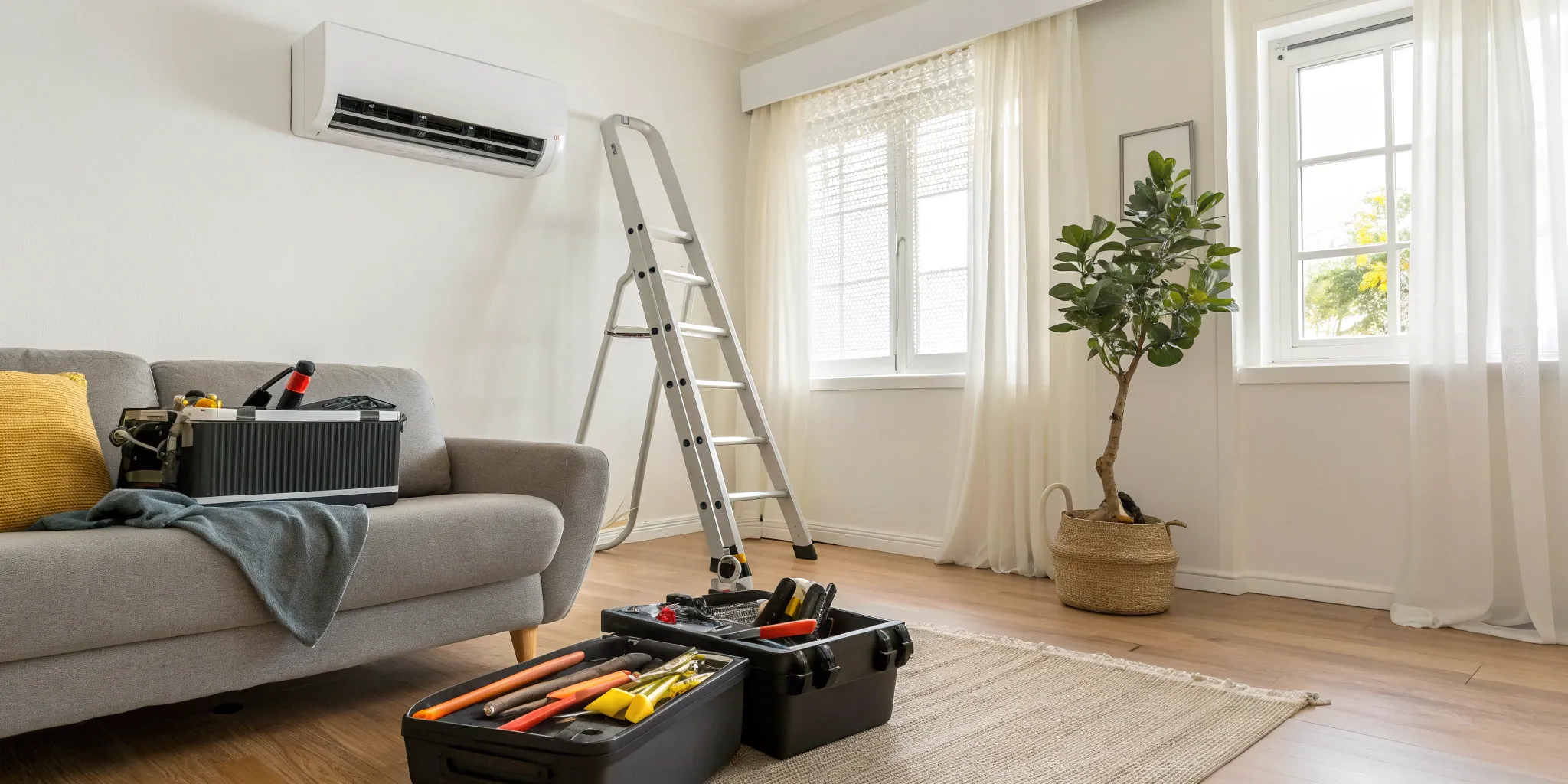
Living in the Okanagan means we get to enjoy incredible summers, but it also means we know just how intense the heat can get. A reliable central air conditioner isn't a luxury; it's essential for true home comfort. When it's time for an upgrade, you want the process to be as smooth as a paddle on the lake. As your local Kelowna-based experts, we understand the unique needs of homes in this region. This guide is tailored for Okanagan homeowners like you, providing practical advice on how to prepare for central air conditioner installation. We’ll walk you through the key steps to ensure your new system is a perfect fit for our climate and your home.
Key Takeaways
- Start with a Solid Plan: The most critical steps happen before you buy anything. Ensure your new system is perfectly sized for your home by getting a professional load calculation, and do your homework to select a certified and well-reviewed contractor for the installation.
- Prep Your Space for the Crew: A smooth installation day starts with you. Make the job easier and safer for the technicians by clearing a wide path to all work areas, covering nearby furniture, and ensuring children and pets are kept safely away from the action.
- Commit to Long-Term Care: Your new AC is a long-term investment, so treat it like one. Understand the details of your warranty and schedule annual professional maintenance to keep the system running efficiently and protect your coverage for years to come.
Your Pre-Installation Game Plan
Getting a new central air conditioner is a big step toward a more comfortable home, especially during those warm Okanagan summers. But before the installation team arrives, a little planning can make the entire process seamless. Think of it as setting the stage for a successful project. By tackling a few key tasks upfront—from getting the right advice to choosing the right team—you ensure your investment is sound and your installation day goes off without a hitch. This initial game plan is all about making informed decisions so you can relax and look forward to a cooler, more comfortable home.
Book a Professional Consultation
Your first move should always be to schedule a professional consultation. This isn't just a sales pitch; it's a crucial assessment to determine exactly what your home needs. A qualified technician will perform a load calculation to find the perfect size unit for your space, looking at your home's square footage, insulation levels, window types, and existing ductwork. An oversized unit will cycle on and off too frequently, while an undersized one will struggle to keep up. At TruFinity, we provide free load calculations to ensure your new system is sized just right for maximum efficiency and comfort.
Vet Your HVAC Contractors
Choosing the right contractor is just as important as choosing the right AC unit. You’re trusting them with a major home system, so it pays to do your homework. Start by looking for companies with certified technicians—for HVAC, that means NATE certification. Check for proper licensing and insurance to protect yourself. Don't forget to read online reviews to see what other customers in the Okanagan are saying about their experiences. A reputable company will also provide clear, transparent pricing without hidden fees. Ask questions and make sure you feel confident in their expertise and professionalism before signing any contracts.
Handle Permits and Approvals
Depending on where you live, installing a new central air conditioner may require a permit from your local municipality. This isn't just bureaucratic red tape; it’s a measure to ensure the work is done safely and up to code, protecting your home and your family. The good news is that you don’t have to figure this out on your own. A professional and experienced HVAC contractor will know the local requirements in Kelowna, Vernon, or Penticton and will handle the entire permitting process for you. This takes the guesswork and stress off your shoulders, allowing you to focus on preparing your home for the installation.
How to Choose the Right Central AC System
Picking the right central air conditioner is about more than just finding a good deal. The right system will keep your home comfortable for years, run efficiently, and fit your budget. It’s a big decision, but breaking it down into a few key steps makes it much more manageable. You’ll want to think about your home’s specific cooling requirements, the system's energy efficiency, and the type of unit that works best for your space. Getting these details right from the start ensures you invest in a system that delivers reliable comfort through every Okanagan summer.
Calculate Your Home's Cooling Needs
One of the most common mistakes homeowners make is assuming a bigger AC unit is always better. An oversized system will cool your home too quickly without properly removing humidity, leading to a cold, clammy feeling. It will also cycle on and off frequently, causing unnecessary wear and tear. A professional load calculation is the only way to determine the precise size you need. Our NATE-certified technicians perform a Manual J load calculation that considers your home's square footage, insulation levels, window types, and even the local Okanagan climate to find the perfect fit. This detailed analysis ensures your new system runs efficiently and effectively.
Understand Energy Efficiency Ratings (SEER)
When you start looking at different AC units, you'll see a SEER rating on every one. SEER stands for Seasonal Energy Efficiency Ratio, and it’s a simple way to measure how much cooling a system produces for each unit of energy it consumes. A higher SEER rating means greater energy efficiency. While high-SEER units, like the ones we offer up to 26 SEER, can have a higher upfront cost, they save you significant money on your monthly utility bills over the life of the system. Investing in efficiency often pays for itself, and you may even qualify for local rebates and offers for installing an energy-saving model.
Compare AC System Types and Brands
Central air conditioners generally come in two main types. Split systems, which have an outdoor unit and an indoor unit, are the most common choice for homes with existing ductwork. Packaged systems contain all components in a single outdoor unit and are a great solution for homes with limited indoor space. As Daikin Comfort Pro dealers, we stand by the quality and reliability of their systems. However, the best brand in the world won't perform well if it's installed incorrectly. That’s why choosing a trusted contractor for your AC services is just as important as selecting the right unit.
Get Your Home's Electrical System Ready
A new central air conditioner is a powerful piece of equipment, and it needs the right electrical support to run safely and efficiently. Your home's electrical system is the foundation of your new AC's performance, and getting it right from the start prevents future headaches like tripped breakers or premature system failure. Before installation day, your technician will perform a thorough assessment to see what, if any, electrical work is needed. This isn't something to DIY; electrical work requires a certified professional to ensure everything is up to code and, most importantly, safe for you and your family. This step ensures your new system has a stable power source to keep you cool for years to come.
Check Your Electrical Panel's Capacity
Think of your electrical panel—often called a breaker box—as the power hub for your entire home. Every appliance draws energy from it. A new central AC unit requires a significant amount of power, and older homes, in particular, may have panels that aren't equipped to handle that extra load. During your consultation, a technician will inspect your panel to confirm it has enough capacity. If not, they may recommend an upgrade or the addition of new circuit breakers. This is a common step in the process and is crucial for preventing overloads that could damage your new air conditioner installation or other home electronics.
Plan for a Dedicated Circuit
Your central air conditioner can't share its power source. To operate correctly, it needs its own dedicated circuit. This means a breaker in your electrical panel is connected directly to your AC unit and doesn't power anything else. This setup prevents the AC from drawing too much power and tripping a breaker that also runs your lights or television. It guarantees the unit gets the consistent voltage it needs to run efficiently without competing with other appliances. Your installation team will run this new circuit as part of the setup, ensuring your system has the exclusive power supply it requires for reliable performance.
Confirm Grounding and Code Compliance
Safety is the top priority for any electrical work. Proper grounding is a non-negotiable safety feature that protects your expensive new equipment and your home from electrical surges or faults. Furthermore, all electrical work must adhere to strict local and national safety codes. A reputable contractor with certified technicians will ensure every aspect of the installation is compliant. At TruFinity, our NATE-certified technicians handle all the wiring and connections, guaranteeing that your system is installed safely and exceeds all minimum code requirements. This gives you peace of mind knowing the job was done right.
Prepping Your Home for the Installation Crew
Once you’ve chosen your system and scheduled the big day, a little prep work can make the installation process a breeze for both you and the technicians. Think of it as rolling out the welcome mat for your new AC unit. Our NATE-certified technicians are pros at working cleanly and efficiently, but clearing the way helps them focus on what they do best: providing top-notch AC services. Taking these simple steps protects your home and belongings and ensures the team can get your new system up and running without any delays. It’s all about teamwork to get you to that perfect indoor temperature faster.
Clear a Path for the Technicians
Your installation team will be carrying heavy, bulky equipment in and out of your home. To make their job safer and easier, please clear a wide path from the driveway to the indoor furnace or air handler area, as well as to the spot where the outdoor condenser unit will be placed. This means moving any furniture, rugs, toys, or decorative items that could be a tripping hazard. A clear walkway prevents accidental bumps and scrapes to your walls and belongings and helps the team work more efficiently, which means your home gets cooler, sooner.
Cover Your Furniture and Belongings
While our technicians always use drop cloths and take great care to keep your home clean, an AC installation can create some dust and debris. It’s a smart idea to cover any furniture and valuable items in and around the work area with old sheets or plastic sheeting. Pay special attention to the room where the indoor unit is located, as well as any areas along the path the technicians will be using. This extra layer of protection gives you peace of mind and makes cleanup after the job is done that much simpler for everyone involved.
Prepare Your Indoor and Outdoor Spaces
Before the team arrives, take a final look at the specific work zones. Indoors, make sure the area around your furnace or air handler is completely clear of storage boxes, laundry baskets, or anything else. Outdoors, the condenser unit needs a clear, level space with at least two feet of clearance on all sides for proper airflow. Trim back any shrubs, tree branches, or tall grass around the designated spot. A well-prepped space ensures the unit can be installed correctly and operate at peak performance from day one. For more home comfort tips, check out our blog.
Check Your Ductwork and Insulation
Your new central air conditioner is the star of the show, but it can’t perform well without a solid supporting cast. That’s where your ductwork and insulation come in. Think of your ducts as the delivery network that carries cool air to every room, and your insulation as the protective barrier that keeps that precious cool air from escaping. If either of these is in poor shape, your new, high-efficiency AC unit will have to work much harder to keep you comfortable, which means higher energy bills and a shorter lifespan for the system.
Before installation day, it’s smart to get a clear picture of what’s happening behind your walls and above your ceilings. A professional technician will perform a thorough assessment as part of the installation process, but a quick check on your own can help you understand what to expect. A well-sealed and insulated home ensures you get every bit of performance out of your investment, keeping you cool and comfortable through every Okanagan summer.
Inspect Your Current Ductwork
Your ductwork is the circulatory system for your home’s air. If it has leaks, blockages, or is improperly sized, your new AC system will struggle from the start. Start by doing a simple visual inspection of any accessible ducts in your basement, crawl space, or attic. Look for obvious issues like disconnected sections, crushed or kinked flexible ducts, or gaps in the seams. You can also check the registers in each room—if you see streaks of dust around the edges, it’s often a sign of a leaky connection behind the wall. Uneven cooling, where one room feels like a freezer while another is stuffy, is another classic symptom of ductwork problems. If you spot any of these red flags, it’s a good idea to have a professional take a closer look during your initial AC services consultation.
Plan for Necessary Duct Repairs or Changes
If your inspection uncovers some issues, it’s crucial to address them before the new system goes in. Sealing leaks with mastic sealant or foil tape (never use standard cloth duct tape, which degrades quickly) can make a huge difference in efficiency and air quality. In some cases, sections of ductwork may need to be repaired or replaced entirely. This is definitely a job for the pros, as a properly sealed and balanced duct system ensures the right amount of air gets to each room. Our NATE-certified technicians include a full ductwork evaluation with every installation quote to make sure your new system is set up for success from day one.
Evaluate Your Home's Insulation
A powerful air conditioner won’t do you much good if all the cool air is seeping out through a poorly insulated attic or walls. Insulation provides thermal resistance, slowing the transfer of heat from the hot outdoors into your cool home. The attic is the most critical area to check, as it’s where most heat gain occurs during the summer. A quick peek into your attic can tell you a lot. You should see a thick, even blanket of insulation without any bare spots. If you can easily see your ceiling joists, you likely need more. By upgrading your home's insulation, you create a much more stable indoor environment, allowing your AC to run less often and save you money.
Budgeting for Your New AC Installation
A new central air conditioner is a significant home upgrade, but it’s one that pays off every time an Okanagan summer heatwave rolls in. Getting a clear picture of the costs upfront will make the entire process feel much more manageable. Let’s break down how to plan your budget so you can invest in your home’s comfort with confidence.
Map Out the Total Costs and Financing
The final price tag for a new central AC system is more than just the cost of the unit itself. The total investment includes the equipment, professional installation, any necessary permits, and potential modifications to your existing ductwork. The size of your home, the system's energy efficiency (its SEER rating), and the complexity of the installation all play a role in the final quote. The best first step is to get a detailed estimate from a professional who performs a proper load calculation to determine exactly what your home needs—no more, no less.
Once you have an accurate quote, you can explore how to handle the investment. Many homeowners find that flexible payment options make the upgrade more accessible. At TruFinity, we offer financing solutions to help you get the comfort you need now. Spreading the cost over time can make it easier to fit a high-quality, energy-efficient system into your budget without delay.
Look for Available Rebates and Incentives
Don't forget to look for savings that can lower your total cost. Rebates and incentives are often available from manufacturers, utility providers, and government programs, especially for high-efficiency models. These programs are designed to encourage homeowners to choose systems that use less energy, which is a win for both your wallet and the environment. Keeping an eye out for these opportunities can save you hundreds, or even thousands, of dollars.
The world of rebates can change quickly, so it’s helpful to have a go-to resource. We keep an updated list of current promotions to make it simple for our customers. You can check our offers and rebates page to see what savings you might qualify for. Investing in a more efficient unit not only helps you secure these initial savings but also reduces your monthly energy bills for years to come.
What to Expect on Installation Day
The big day is here! Knowing what the installation process involves can make everything feel much more manageable. A standard central AC installation is typically a full-day job, but our NATE-certified technicians are pros at making it a smooth and efficient process. We even send you a photo of your technician before they arrive, so you know exactly who to expect at your door.
Once on-site, the team gets to work. They’ll start by carefully removing your old system, if you have one. Then, they’ll install the new indoor unit (the evaporator coil) and the outdoor unit (the condenser). The next step is to connect the two with refrigerant lines and electrical wiring. After everything is hooked up, they’ll perform a series of checks and balances to ensure the system is charged correctly and ready to run. Our goal is to handle the entire professional AC installation with the utmost care for your home, leaving it as clean as we found it.
The Day's Timeline and Process
A typical installation day follows a clear, structured plan. After our team arrives and preps the work areas, they’ll begin by decommissioning and removing your old equipment. Next, they’ll set the new outdoor condenser on its pad and install the indoor evaporator coil. The most technical part involves running the refrigerant lines between the units and making all the necessary electrical and drainage connections. Once the system is fully connected, our technicians will charge it with refrigerant and begin the testing phase to ensure every component is working perfectly according to manufacturer specifications.
How You Can Help the Installation Team
You can play a huge role in making installation day a breeze! Before the team arrives, please clear a wide path from your driveway to the indoor and outdoor work areas. This means moving any furniture, rugs, or decorations that might be in the way. Outside, it’s helpful to trim back any shrubs or branches to ensure there are at least two feet of clear space around the spot for the new condenser. Finally, for everyone’s safety, please make arrangements to keep children and pets away from the work zones throughout the day.
The Final Walkthrough and System Test
Once the tools are packed away, the job isn’t quite done. Your lead technician will perform a final quality control inspection and system test, running the air conditioner to verify it’s cooling your home effectively and efficiently. They will then walk you through your new system, showing you how to operate the thermostat and explaining any new features. This is the perfect time to ask questions! We’ll also share tips for basic upkeep, like changing your air filter. To keep your new investment running perfectly for years, consider scheduling regular maintenance to protect your warranty and ensure peak performance.
Common Prep Mistakes to Avoid
Getting a new central air conditioner is a big investment in your home's comfort, and a little preparation goes a long way. While it’s exciting to think about those cool summer days ahead, a few common missteps can turn the installation process into a headache. From choosing the wrong equipment to simply not clearing a path for the technicians, these oversights can cause delays, extra costs, and long-term performance issues.
The good news is that these mistakes are entirely preventable. By being aware of the potential pitfalls, you can ensure your installation day is smooth, efficient, and stress-free. Let’s walk through some of the most frequent errors homeowners make so you can sidestep them completely and get your new system up and running without a hitch.
Picking the Wrong Contractor or System Size
Choosing the right team and the right equipment is the most critical step in the entire process. A common mistake is guessing the AC size you need or picking a contractor based solely on the lowest bid. An air conditioner that’s too small will struggle to cool your home, while one that’s too large will cycle on and off too frequently, failing to dehumidify the air properly and wasting energy. A qualified contractor will perform a detailed assessment to determine the perfect fit.
At TruFinity, our NATE-certified technicians perform a professional load calculation using the industry-standard Manual J method to ensure your system is sized perfectly for your home’s unique layout, insulation, and sun exposure. This detailed analysis is the only way to guarantee efficient and effective cooling performance.
Overlooking Electrical Needs and Permits
Installing a central air conditioner is a major electrical job that requires careful planning. Many homeowners don't realize that their current electrical panel might not have the capacity to handle the new system, potentially requiring an upgrade. Furthermore, most municipalities in the Okanagan require a permit for significant HVAC work to ensure it meets safety codes. Overlooking these details can lead to failed inspections and unsafe wiring.
A professional HVAC company will handle this for you. Before installation day, a technician should assess your home's electrical system and identify any necessary upgrades, like adding a new circuit breaker. They will also manage the entire permitting process, giving you peace of mind that your new AC installation is done safely and to code.
Forgetting to Communicate and Schedule Clearly
Clear communication is key to a smooth installation day. A simple mistake like not confirming the arrival window or failing to arrange for someone to be home can cause unnecessary delays. Your installation team may have questions about where to place equipment or need access to different parts of your home, so having a point of contact available is incredibly helpful.
Before the crew arrives, confirm the day’s schedule and what to expect. At TruFinity, we believe in "True Service, Infinite Care," which includes clear, consistent communication. We even send you a photo of your technician beforehand so you know exactly who to expect. Our customers often mention this transparency in their reviews, and it’s part of our commitment to making you feel comfortable and informed every step of the way.
Keep Your New System Running Smoothly
Getting your new central air conditioner installed is a huge step toward a more comfortable home, but the work doesn't stop once the technicians leave. Think of your new AC unit like a new car—it needs regular attention to perform its best for years to come. Protecting your investment is all about proactive care. By staying on top of routine maintenance and understanding your warranty, you ensure your system runs efficiently, avoids costly breakdowns, and keeps your family cool all summer long. It’s a simple approach that pays off in peace of mind and lower energy bills.
Schedule Regular Maintenance
Just like any complex machine, your air conditioner needs consistent care to operate at peak performance. Regular tune-ups help your new AC run efficiently, save energy, and extend its lifespan. While you can handle simple tasks like changing the air filter every few months, an annual professional check-up is essential. A certified technician can spot small issues before they become major problems, clean critical components, and ensure the system is running safely. Making this a priority is easy with a home service plan, like our TruLoyalty membership, which includes annual maintenance checks to keep your system in top shape without you having to think about it.
Understand Your Warranty Coverage
Your new AC system comes with a manufacturer's warranty, which is your safety net against defects and premature failure. However, this coverage isn't unconditional. Most manufacturers require the unit to be installed by a certified professional to keep the warranty valid—one of the many reasons a DIY installation is a bad idea. Furthermore, many warranties require proof of regular professional maintenance. Be sure to read through your warranty documents to understand what’s covered and what your responsibilities are as the homeowner. A professional air conditioner installation not only ensures your system runs correctly from day one but also protects your long-term investment by keeping your warranty intact.
Related Articles
Frequently Asked Questions
How long does a typical central air conditioner installation take? For most homes, a standard central AC installation is a full-day project. Our team usually arrives in the morning and aims to have everything wrapped up by the end of the day. This includes removing any old equipment, setting the new indoor and outdoor units, making all the connections, and performing a final system test. If your project requires significant electrical or ductwork modifications, it could extend the timeline, but we will always communicate that to you clearly beforehand.
What happens if my home's electrical panel can't handle a new AC unit? This is a common situation, especially in older homes, so there's no need to worry. During our initial consultation, our technicians will assess your electrical panel's capacity. If it isn't sufficient to safely power the new system, we will recommend an upgrade. Handling this correctly is a crucial safety step that ensures your new air conditioner runs efficiently without overloading your home's electrical system.
Is it always necessary to repair or replace ductwork with a new system? Not always, but it's something we always check. Your ductwork is the delivery system for all that cool air, and if it's leaky, poorly sized, or blocked, your new high-efficiency AC won't be able to perform its best. Our technicians will inspect your ducts to see if they can support the new system. If we find issues, we'll recommend the most effective solutions, whether that's sealing leaks or replacing certain sections, to make sure you get the full benefit of your investment.
Is a higher SEER rating really worth the higher upfront cost? Think of it as a long-term investment in your home's energy efficiency. A system with a higher SEER rating costs more initially, but it uses significantly less electricity to cool your home. Over the lifespan of the air conditioner, those monthly savings on your utility bills can add up to a substantial amount, often paying back the initial difference in price and then some. It's a great choice for both your budget and the environment.
Besides the unit itself, what other costs should I expect in an installation quote? A transparent and professional quote should cover the entire scope of the project, not just the price of the air conditioner. It will include the cost of labor for our NATE-certified technicians, any necessary permits required by your municipality, and the safe disposal of your old equipment. If your project requires modifications to your ductwork or electrical system, those costs will also be clearly itemized so you have a complete picture of the investment before any work begins.

.webp)
.webp)