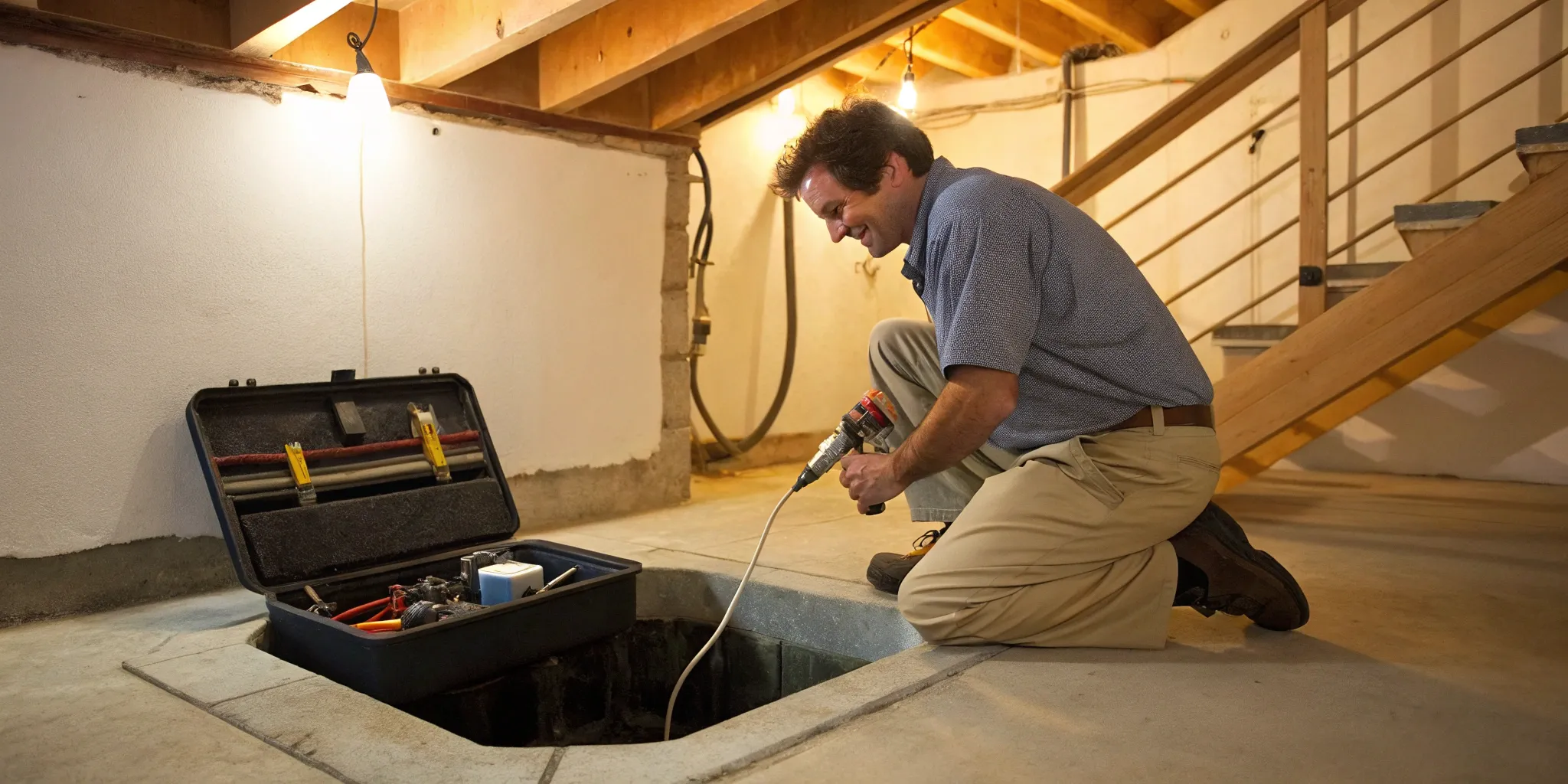
Replacing your sump pump isn't just another chore on your to-do list; it's a direct investment in the safety and value of your home. A single pump failure can lead to thousands of dollars in water damage and endless headaches. By learning how to replace a Zoeller sump pump yourself, you take control of your home's protection. This guide provides everything you need for a successful installation, from disconnecting the old unit safely to testing the new one for flawless operation. Follow these steps to secure your investment and gain the ultimate peace of mind that your basement is protected.
Key Takeaways
- Address Warning Signs Early: A sump pump that's over seven years old, makes unusual noises, or runs constantly is telling you it's time for a replacement. Acting on these signs now prevents a flooded basement later.
- Prioritize Electrical Safety: Always disconnect power in two places before starting—unplug the pump and turn off its circuit breaker. This simple, non-negotiable step is crucial for preventing electrical shock in a damp workspace.
- Know Your DIY Limits: A simple pump swap is manageable, but complex plumbing, electrical issues, or a crumbling sump pit are jobs for a professional. Calling an expert ensures the installation is correct, safe, and guaranteed.
Is It Time to Replace Your Zoeller Sump Pump?
Your sump pump is one of those household heroes that works quietly in the background, protecting your basement from water damage. But like any hard-working appliance, it won’t last forever. Even a durable brand like Zoeller has a typical lifespan of about seven to ten years. If your pump is getting close to that age, it’s smart to start thinking about a replacement before you’re dealing with an emergency.
Waiting for a pump to fail during a heavy Okanagan spring thaw or a summer downpour can lead to a stressful and costly situation. The key is to recognize the warning signs of a failing pump so you can act proactively. A little bit of attention now can save you from a major headache later.
Key Warning Signs Your Sump Pump Is Failing
Not sure if your pump is on its last legs? Keep an eye and an ear out for these common red flags:
- Strange Noises: Healthy sump pumps are relatively quiet. If you start hearing loud rattling, gurgling, or grinding sounds, it could mean the motor is failing or the impeller is damaged.
- It Runs Constantly: A pump that never shuts off is a major sign of trouble. This could be caused by a faulty float switch that isn’t registering the water level correctly, or it might mean the pump is too small for the job and can't keep up.
- Visible Rust or Corrosion: Take a look at the pump itself. Obvious rust, especially around the battery terminals or casing, can interfere with its performance and is a clear indicator of age and water damage.
- It’s Getting Old: Age is a significant factor. If your Zoeller pump has been faithfully serving you for a decade or more, replacing it is a wise preventative measure, even if it seems to be working fine. The risk of failure simply increases with every year of service.
Sometimes, the issue might be a simple fix. But if your pump is old and showing multiple signs of wear, a full replacement is often the most reliable and cost-effective solution. If you're unsure what the problem is, our team can provide expert plumbing repairs and help you decide on the best course of action.
What You'll Need for the Replacement
A successful DIY project always starts with good preparation. Before you even think about unplugging your old sump pump, taking a few minutes to gather all your tools and materials will make the entire process smoother and safer. There’s nothing worse than being halfway through a job and realizing you’re missing a crucial part. This checklist covers the safety gear, tools, and replacement parts you’ll need to get your new Zoeller pump installed and running properly. Having everything laid out and ready to go will help you work efficiently and confidently, ensuring your Okanagan home stays protected from potential water damage.
Safety Gear
First things first: safety. You’ll be working in a damp environment, often with standing water, so protecting yourself is non-negotiable. Grab a pair of heavy-duty, waterproof gloves to keep your hands clean and safe from any sharp edges on the old pump or pipes. A pair of safety glasses is also a must-have to shield your eyes from splashes or debris. Since you're working with water and electricity, it's a good idea to wear rubber-soled shoes for better grip and added protection. A little preparation here goes a long way in preventing accidents.
Tools for the Job
You don’t need a professional-grade workshop for this project, but a few specific tools will make the job much easier. Most of what you need might already be in your toolbox. Here’s a basic list to get you started:
- Channel-lock pliers or a pipe wrench: For gripping and turning the pipe fittings.
- Screwdrivers: Have both a flathead and a Phillips head handy.
- Utility knife or PVC cutter: For making clean cuts on your new PVC pipe if needed.
- A bucket: This is incredibly useful for catching water from the discharge pipe when you disconnect it.
- Rags or old towels: For cleaning the sump basin and managing any spills.
Replacement Parts
This is the core of your project. Obviously, you'll need your new Zoeller sump pump. Beyond that, you’ll likely need a few plumbing components to ensure a leak-free connection. It’s always a good idea to replace the check valve when you install a new pump. A check valve is a critical one-way gate that prevents water in the discharge pipe from flowing back into your sump pit after the pump shuts off. You’ll also need:
- PVC pipe: Usually 1 ½-inch diameter, to connect the pump to the discharge line.
- PVC primer and cement: To create a permanent, watertight seal on your pipe connections.
- Appropriate fittings: Such as a male adapter to connect the pipe to the pump.
Safety First: What to Do Before You Start
Before you even think about touching the sump pump, let's talk about safety. Working in a damp pit with an electrical appliance requires your full attention. Taking a few minutes to prepare properly not only protects you from injury but also prevents bigger problems, like water damage or electrical hazards. These steps are non-negotiable, so make sure you follow them carefully before moving forward. A safe project is a successful project, and we want to make sure you get this done right.
Disconnect All Power
Your absolute first step is to completely cut off electricity to the sump pump. Since water and electricity are a dangerous combination, you need to be certain there is no power running to the unit. Start by unplugging the pump from the wall outlet. Next, go to your home’s main electrical panel and switch off the breaker that controls the sump pump. If your breakers aren’t clearly labeled, you can use a non-contact voltage tester to confirm the power is off. This simple check provides crucial peace of mind and is a fundamental part of safe electrical work.
Prepare for Water Spills
When you disconnect the discharge pipe, expect some water to spill out. The pipe section above the check valve will be holding water, and it’s usually not the cleanest. To keep your basement dry and prevent a slippery mess, place a bucket directly under the pipe you’re about to disconnect. It’s also a great idea to lay down some old towels around the sump basin to catch any unexpected splashes. This small bit of prep work makes cleanup much easier and keeps your work area safe.
Protect Yourself and Your Workspace
A sump basin can be full of grime, sediment, and sharp debris. Always wear a pair of heavy-duty, waterproof gloves to protect your hands. When it’s time to lift the old pump out, remember that it can be heavier than it looks and awkward to handle. Get a firm grip and lift with your legs to avoid straining your back. If any step feels unsafe or you run into unexpected wiring or plumbing issues, it’s always best to stop and call for professional plumbing repairs. Your safety is always the top priority.
Do You Really Need a Replacement? A Quick Troubleshoot
Before you commit to a full replacement, it’s worth spending a few minutes troubleshooting. A sump pump that won’t turn on or isn’t clearing water doesn’t automatically mean it’s broken beyond repair. Often, a simple, fixable issue is the real culprit, and identifying it can save you time and money. A little detective work can be the difference between a five-minute fix and a weekend project involving new parts and PVC cement. Running through these quick checks will help you confirm whether you’re dealing with a minor hiccup or a pump that has truly reached the end of its life. If you can solve the problem with a quick adjustment, you can avoid an unnecessary replacement project. But if these steps don’t resolve the issue, you’ll know for sure that it’s time for a new unit, and you can proceed with confidence knowing you've ruled out the easy stuff.
Test the Float Switch and Power
First things first, check the power source. Your sump pump should be plugged into a GFCI (ground fault circuit interrupter) outlet. Press the "Test" and "Reset" buttons to ensure the outlet is working correctly, and check your home’s circuit breaker to make sure it hasn’t tripped. If the power is fine, the next likely suspect is the float switch. This switch tells the pump when to activate as water levels rise. If it gets stuck or tangled, the pump won’t get the signal to turn on. Check that the float can move freely without hitting the basin walls or getting caught on wires. You can test it by manually lifting the float arm—if the pump kicks on, the switch is likely the problem, not the motor.
Check for Clogs and Mechanical Issues
Your sump pit can collect dirt, gravel, and other small debris over time, which can easily cause a clog. Take a look inside the basin and clear out any gunk that could be blocking the pump’s intake screen. A clogged intake will prevent the pump from drawing in water effectively. While you’re there, listen for any strange sounds. A humming noise without any pumping action could mean the motor is running but the impeller is jammed. Grinding or rattling sounds often point to a mechanical failure inside the pump. These kinds of plumbing repairs can sometimes be more complex than a simple replacement.
How to Remove Your Old Zoeller Sump Pump
With your tools and safety gear ready, it’s time to get the old pump out of the basin. This part of the process is straightforward, but moving with care will prevent messes and make installing your new pump much smoother. Remember to take your time, especially if the connections are old or tight. If anything feels stuck or you’re unsure about a connection, it’s always better to pause and reassess than to force it and risk breaking a pipe.
Disconnect the Power and Plumbing
First things first: safety. Unplug the sump pump from the wall outlet. If your system has a battery backup, make sure to disconnect that as well. You should never work on any appliance that’s still connected to a power source.
Next, focus on the plumbing. Your pump is connected to a discharge pipe that carries water out of your home. You’ll need to disconnect this pipe from the pump, which is usually done by loosening the clamps on the rubber check valve with a screwdriver or nut driver. This valve is what stops water from flowing back into the pit. Have a bucket and some old towels handy, as there will likely be some water left in the pipe that will spill out once it’s disconnected.
Lift the Old Pump Out of the Basin
Once the power and plumbing are disconnected, you can lift the old pump straight out of the sump basin. Be prepared—it might be heavier than it looks, and it will definitely be wet and grimy. It’s a good idea to have a large bucket or a plastic tarp nearby to set the old pump on to avoid making a mess on your floor.
Lift with your legs, not your back. Be careful that the pump’s power cord and float switch don’t get snagged on the side of the basin as you pull it out. If the pump seems stuck or the pipe fittings are corroded and won’t budge, don’t force them. This can cause the pipe to crack, leading to a much bigger problem. If you run into any trouble, our team is always ready to help with professional plumbing repairs.
How to Install Your New Zoeller Sump Pump
With the old pump out and the basin empty, you’re ready for the main event. Installing your new Zoeller pump correctly is key to ensuring it protects your basement for years to come. Take your time with these steps, and always refer to the manufacturer’s manual that came with your specific model for any unique instructions. A little patience here goes a long way in preventing future headaches and potential water damage.
If you find that your existing plumbing is old, brittle, or just doesn't seem to line up correctly, it might be a good time to pause. Forcing connections can lead to leaks down the road. Our team is always ready to handle any tricky plumbing repairs to make sure your installation is secure and watertight.
Prepare and Clean the Sump Basin
Before you even think about putting the new pump in, give the sump basin a thorough cleaning. Over the years, dirt, gravel, and other debris can settle at the bottom. If left there, this gunk can get sucked into your new pump and cause immediate damage to the impeller. Use a wet/dry vac to remove any standing water and debris. Scrape the bottom and sides to get rid of any buildup, leaving a clean surface for your new pump. A clean pit helps your pump last longer and operate more efficiently.
Position Your New Pump
Place your new Zoeller pump in the center of the clean basin. Make sure it’s sitting flat and stable on the bottom—it shouldn’t be able to rock back and forth. The most important part of this step is checking the float switch. This is the mechanism that tells the pump when to turn on and off. Manually lift the float to its highest point and let it drop to its lowest. Ensure it can move through its full range of motion without touching the basin walls or any pipes. An obstructed float switch is one of the most common reasons a sump pump fails to activate during a flood.
Connect the Discharge Pipes and Fittings
Now it’s time to reconnect the plumbing. Start by attaching the new male adapter to the pump's discharge port, using Teflon tape to create a watertight seal. Next, measure and cut a new section of PVC pipe to connect the pump to the check valve. It’s a great idea to take your old pipe fittings to the hardware store to ensure you get the right new pieces. Dry-fit everything first before applying PVC primer and cement. A pro tip is to drill a tiny 1/8-inch "weep hole" in the discharge pipe between the pump and the check valve to prevent airlock, which can stop the pump from working.
How to Properly Install the Check Valve
Getting the check valve installed correctly is one of the most important steps in this entire process. Think of it as a one-way door for the water your sump pump is working so hard to remove. Its only job is to prevent water in the discharge pipe from flowing back down into your sump basin after the pump shuts off. If it’s installed backward or isn't secure, your new pump will have to work much harder, pumping the same water over and over again, which can shorten its lifespan.
A proper installation ensures every drop of water you pump out stays out. It’s a simple component, but its role is critical for protecting your basement from flooding. Taking a few extra minutes here will save you a lot of headaches down the road.
Find the Correct Orientation and Placement
Before you tighten anything, take a close look at your new check valve. You should see an arrow printed or molded onto its side. This arrow is your guide—it shows the direction the water needs to flow. For a sump pump, that direction is always up and away from the pump, toward the exit point of your home. A properly installed check valve is essential because it stops water from flowing back into the sump basin after the pump pushes it out. Make sure the arrow points up before you connect it between the pump and the discharge pipe.
Secure and Test the Connections
Once you have the check valve oriented correctly, slide it into place and secure it with the provided clamps. Here’s a helpful tip: position the clamp screws so they are easy to reach with a screwdriver or nut driver later on. You’ll thank yourself in the future if you ever need to service the pump. Tighten the clamps until they are snug and the connections feel solid—you don’t want any leaks here. After everything is secure, you’ll need to test the new sump pump by pouring a few buckets of water into the basin to make sure it operates correctly and the connections are watertight. If you spot any drips or feel unsure about the connection, our team is always ready to help with professional plumbing repairs.
How to Test Your New Sump Pump
You’re on the home stretch! With your new Zoeller pump securely in place, the final step is to run a thorough test. This isn't just about making sure it turns on; it's about confirming it will work exactly as needed when the next big Okanagan downpour arrives. Taking a few extra minutes to test your installation properly provides the peace of mind that your basement is protected from flooding. A successful test means your hard work has paid off and your home is secure. If you run into any issues during the test that you can't solve, our team is always ready to help with professional plumbing repairs.
Run an Initial System Test
First, let's make sure the pump works as expected under normal conditions. Grab a couple of large buckets or a garden hose and slowly fill the sump basin with water. Watch the float switch as the water level rises. Once the water reaches the predetermined level, the float should lift and trigger the pump to turn on. You should hear it kick in smoothly and see the water level in the pit drop quickly as it's pumped out through the discharge pipe. The pump should run until the float drops back down, shutting the system off. This simple test confirms that the pump, switch, and electrical connections are all working together correctly.
Make Final Adjustments
Now it’s time to check the details. As the pump runs, watch the float switch to ensure it has a clear path to move up and down without getting snagged on the pump, wires, or the basin walls. When the pump shuts off, listen carefully. You shouldn't hear a loud bang or "thump," which could indicate an issue with the check valve. Also, confirm that water isn't flowing back into the basin from the discharge pipe. If you drilled a small weep hole in the pipe, you should see a tiny stream of water spraying back into the pit while the pump is running—this is normal and prevents air lock. Once you're satisfied, secure the lid on your sump pit, and you're done. For ongoing confidence, consider our TruLoyalty+ membership for annual system checks.
What Does It Cost to Replace a Zoeller Sump Pump?
Figuring out the budget for a sump pump replacement is a key step for any homeowner. The final price tag can vary quite a bit, depending on whether you handle the job yourself or bring in a professional. For homeowners here in the Okanagan, protecting your basement from potential water damage is a smart investment, so understanding the costs helps you make the best choice for your property and your wallet. A failed sump pump can lead to serious headaches and expensive damage, especially during a sudden thaw or heavy rainfall. The cost isn't just about the new pump; it's about the peace of mind that comes with knowing your home is secure. When you're weighing your options, you're really balancing the upfront cost against the long-term security of a properly installed system. It's also worth considering the age of your home and the current condition of your sump pit, as these factors can influence the complexity and cost of the job. Below, we'll break down the typical expenses for both a DIY replacement and a professional installation to give you a clearer picture of what to expect, so you can plan accordingly and feel confident in your decision.
DIY vs. Professional: A Cost Breakdown
When you hire a professional for a standard sump pump replacement, you can generally expect the cost to be between $350 and $1,000. This price typically covers the labor and expertise to ensure the pump is installed correctly and safely, which is a huge relief for many homeowners. If the upfront cost is a concern, we offer flexible financing options to help manage the expense. On the other hand, tackling the project yourself means your main cost is the new pump and any required parts, like a check valve or PVC piping. While you save on labor, it's important to weigh the value of your time and ensure you have the right tools. An incorrect installation can risk a flooded basement, leading to far more expensive plumbing repairs down the line.
When Should You Call a Professional Instead?
Taking on a sump pump replacement is a fantastic way to get familiar with your home's systems and save some money. But sometimes, a straightforward project can reveal unexpected challenges. Knowing when to pass the torch to a professional isn't admitting defeat—it's making a smart choice to protect your home and your safety. If you find yourself in over your head, or if the job is simply more complex than you anticipated, it’s the perfect time to call for backup.
There are a few key situations where professional help is the best path forward. If the project requires more than a simple swap, like cutting into concrete to widen the basin or dealing with complex discharge piping, an expert can handle it safely and efficiently. The same goes for the electrical work; if you’re at all uncomfortable with wiring, especially in a damp environment like a sump pit, it’s always wise to consult a professional to avoid any hazards. Our Red Seal Plumbers at TruFinity handle these kinds of plumbing repairs every day, ensuring everything is up to code and perfectly sealed.
Hiring a professional also provides something invaluable: peace of mind. When one of our certified technicians installs your sump pump, you know it’s done right. You don’t have to worry about a small mistake leading to a flooded basement down the road. Plus, our work comes with a guarantee. For our TruLoyalty+ members, that includes a two-year labor warranty. You get the assurance of a job well done, backed by a team your Okanagan neighbours trust. If you’d rather have the confidence that comes with a professional installation, give us a call. We’re here to provide True Service and Infinite Care, 24/7.
Related Articles
- Sump Pump Services Kelowna | TruFinity Plumbing
- 24-Hour Emergency Plumber
- 40-Gallon Heat Pump Water Heater
- How to Repair a Leaky Bathtub Faucet
Frequently Asked Questions
How long does a sump pump replacement usually take? For a first-time DIYer, it's smart to set aside about two to four hours for this project. This gives you plenty of time to gather your tools, clean the basin thoroughly, and carefully follow each step without rushing. An experienced plumber can often complete the job in about an hour, but taking your time is key to ensuring everything is connected securely and tested properly.
Do I have to replace my old Zoeller pump with another Zoeller? Not necessarily, but it often makes the process easier. Sticking with the same brand and a similar model usually means the new pump will have the same dimensions and discharge port location as the old one, which can simplify the plumbing connections. If you switch brands, you might need to adjust the PVC piping to get everything to line up correctly.
What's the purpose of the small "weep hole" you mentioned? That tiny hole is more important than it looks! It's drilled into the discharge pipe between the pump and the check valve to prevent something called "air lock." An air lock happens when air gets trapped in the pump, preventing it from being able to push water out. The weep hole allows that trapped air to escape, ensuring your pump can prime itself and work effectively every time.
My sump pit is already full of water. Can I still replace the pump myself? Replacing a pump in a full pit is a much more challenging and messy job. You'll need a way to remove the standing water first, often with a separate utility pump or by bailing it out with a bucket. Given the urgency and the difficulty of working in these conditions, this is a situation where calling a professional for an emergency service is often the safest and quickest solution.
How often should I test my new sump pump after it's installed? It's a great habit to test your sump pump every few months, and especially before the start of the rainy or spring thaw season. A simple way to do this is by pouring a few buckets of water into the pit to make sure the float switch engages and the pump activates as it should. Regular testing is the best way to catch any potential issues before they become an emergency.



.webp)