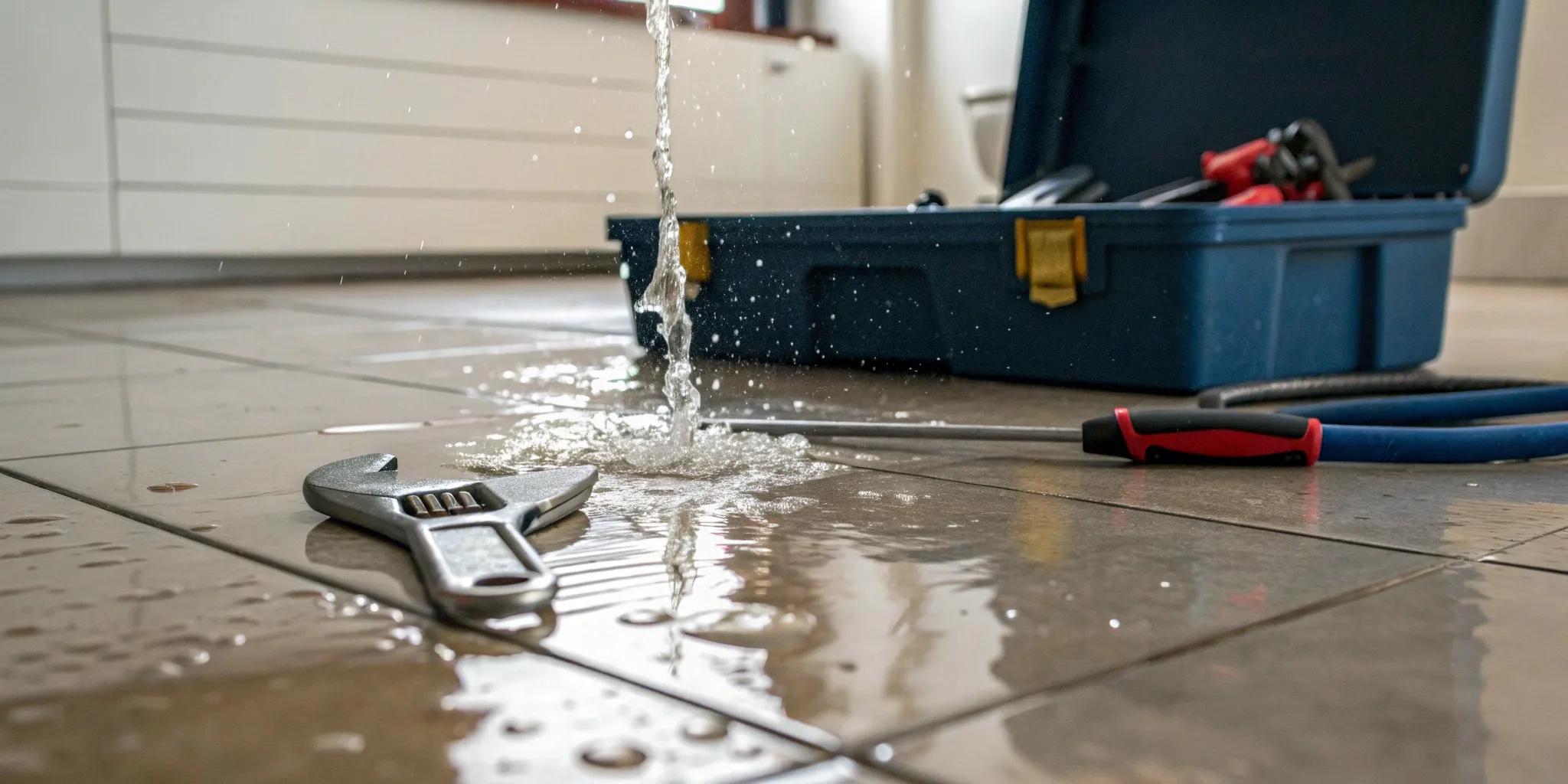
When water is flooding your home, you need advice you can trust, and you need it now. As Red Seal Certified Plumbers, the team at TruFinity Plumbing Heating & Cooling has handled countless plumbing emergencies across the Okanagan. We know what to do with a burst pipe because we’ve seen it all, from slow leaks behind walls to major breaks in the middle of the night. Our commitment to "True Service, Infinite Care" means we want you to be prepared and safe. We wrote this step-by-step guide to share our professional expertise, giving you the confidence to take immediate, effective action to protect your home before our team arrives to provide a permanent solution.
Key Takeaways
- Prioritize Safety by Shutting Off Utilities: In a burst pipe emergency, your immediate actions should be to turn off the main water supply and the electricity to the affected area. This stops the flow of water and eliminates the risk of electric shock, allowing you to safely manage the situation.
- Recognize That a Temporary Patch Isn't a Final Fix: While tools like pipe clamps or silicone tape can temporarily stop a leak, they don't address the underlying cause. A burst pipe often points to bigger issues like corrosion or high pressure, making a professional diagnosis and repair essential for a long-term solution.
- Stay Ahead of Problems with Proactive Maintenance: The best way to handle a burst pipe is to prevent it. Simple steps like insulating pipes for winter, scheduling annual plumbing inspections, and knowing the warning signs of failing pipes can protect your home from future water damage.
Your First Steps for a Burst Pipe
A burst pipe can feel overwhelming, but taking a few immediate, calculated steps can make all the difference. The moment you notice gushing water or spreading damp spots, your priority is to contain the situation safely and minimize damage to your home. Panicking is a natural reaction, but a clear head will help you protect your family and your property. The goal is to stop the flow of water and eliminate any immediate safety hazards before you even think about repairs.
At TruFinity Plumbing Heating & Cooling, we've seen firsthand how a quick response can save homeowners thousands of dollars in water damage repairs. These next steps are what our certified plumbers would tell you to do the second you call us for help. Follow this guide to get control of the situation.
Step 1: Keep Everyone Safe
Before you do anything else, make sure everyone in the house is safe. Water on the floor creates a serious slip-and-fall hazard, so move cautiously and guide children and pets away from the affected area. The biggest immediate danger, however, is the risk of electric shock. If water is pooling near electrical outlets, appliances, or extension cords, do not touch anything. Your first priority is to create a safe environment. Keep a safe distance from any visible wiring or electrical devices that are in contact with water. We’ll cover shutting off the power in a moment, but for now, just focus on keeping people and pets clear of the immediate danger zone.
Step 2: Shut Off the Main Water Supply
To stop more water from flooding your home, you need to shut off the main water supply. This valve is the control center for all the water coming into your house. You can usually find it in the basement, a crawl space, or a utility closet, often near the water meter or where the main water line enters your home. It might have a wheel-like handle that you turn clockwise to close, or it could be a lever handle that you turn a quarter-turn. If you can't find it or it’s stuck, don't force it. Call for immediate professional help. Our team is available for 24/7 emergency plumbing assistance across the Okanagan.
Step 3: Turn Off the Power
If the burst pipe is near any electrical wiring or outlets, shutting off the electricity is a critical safety measure. Water is an excellent conductor of electricity, and mixing the two creates a dangerous risk of shock or fire. Go to your main electrical panel (breaker box) and switch off the breaker that controls the affected area. If you’re not sure which one it is, or if water is widespread, it’s safest to shut off the main breaker that powers the entire house. Important: If you have to stand in water to reach your electrical panel, do not touch it. Call an emergency plumber and an electrician right away.
Step 4: Protect Your Property
Once the water and power are off, you can focus on damage control. Move any furniture, electronics, rugs, and personal belongings out of the wet area to a dry spot. If the leak is coming from the ceiling, use buckets to catch the drips. Start removing as much standing water as you can with mops, towels, or a wet/dry vacuum. The faster you can get the water up, the less damage it will do to your floors, subfloors, and drywall. Once the standing water is gone, open windows and use fans or a dehumidifier to help circulate air and begin drying out the room. This is a key step in preventing mold growth.
How to Find the Burst Pipe
Once you’ve shut off the main water supply and secured the power, the next step is to play detective. Finding the source of the leak helps you assess the scale of the problem and gives a professional plumber a head start. While some breaks are obvious, others can be hidden behind walls or under floors, requiring a bit more investigation. Start with the most visible signs and work your way from there. Remember, the goal is to locate the general area so you can contain the immediate mess and prepare for the repair.
Look for Signs of Water Damage
Your eyes are your best tool for finding a leak. Start by looking for the most obvious clues. Puddles of water on the floor are a clear giveaway, so trace them back to their highest point. Check for water dripping from the ceiling, as the pipe break could be on the floor above. Don’t forget to look for more subtle signs, like dark water stains or discoloration on drywall, sagging ceilings, or peeling paint and wallpaper. These often point to a slower, long-term leak that finally gave way. A quick check under sinks and around the base of toilets can also help you pinpoint the problem area. If you spot any of these issues, you're getting closer to the source.
Listen for Leaks in the Walls
Sometimes you can hear a burst pipe before you can see it. With the house as quiet as possible, walk through and listen carefully for any unusual sounds coming from the walls. You might hear hissing, spraying, or dripping noises that indicate where water is escaping. A banging or whistling sound can also signal a problem within your plumbing system. These auditory clues are especially helpful for finding leaks that are hidden from plain sight. If you hear something but can't see any visible damage, it’s a strong sign that you’ll need professional drain & sewer inspection tools to see what’s happening behind the drywall without causing unnecessary damage.
Check High-Risk Areas First
To narrow your search, focus on areas where plumbing is concentrated or pipes are most vulnerable. Start in the basement or crawl space, as these are common locations for pipe failures. Inspect the pipes around your water heater, washing machine, and dishwasher, paying close attention to the connecting hoses, which can wear out over time. Bathrooms and kitchens are also hotspots, so check the plumbing under every sink and behind the toilet. Think back—did you notice a sudden drop in water pressure or an unexplained spike in your water bill before the pipe burst? These are often early indicators of a leak that can help you zero in on the location of the problem.
What You'll Need for a Temporary Fix
Once the water is off and the area is safe, you might be able to apply a temporary patch to minimize further dripping while you wait for help. Think of this as basic first aid for your plumbing—it’s not a permanent cure, but it can prevent the problem from getting worse. A quick fix can be a real lifesaver, especially if your plumber is on their way but hasn't arrived yet. Having a small emergency kit ready can make a huge difference in a stressful situation. Remember, the goal here is damage control, not a full-blown repair.
Essential Tools to Have on Hand
It’s a great idea to keep a small “pipe emergency” kit handy so you’re not scrambling during a crisis. You don’t need a professional’s entire toolbox, just a few key items that can handle a temporary patch.
Here’s what we recommend keeping in your kit:
- Self-Fusing Silicone Tape: This stretchy tape bonds to itself, creating a watertight seal when wrapped tightly around a pipe. It’s incredibly versatile and easy to use.
- Pipe Clamp: This is a simple metal sleeve with a rubber pad that you can tighten over a leak. It’s a reliable and straightforward option for small holes or cracks.
- Epoxy Putty: This is a moldable substance that you can apply over a crack or hole. It hardens into a durable patch, providing a solid temporary seal.
How to Apply a Temporary Patch
Before you start, make sure the pipe is as dry as you can get it. Use a towel to wipe away any moisture so your patch can adhere properly. If you’re using silicone tape, stretch it as you wrap it tightly over the leak, overlapping each layer to create a strong seal. For a pipe clamp, simply position the rubber gasket over the hole and tighten the screws until it’s snug. If you’re using epoxy putty, knead it until it’s pliable, then press it firmly over the damaged area, making sure it covers the entire crack or hole. These fixes are designed to hold until a professional can make a permanent repair.
Know When a DIY Fix Isn't Enough
A temporary patch is exactly that—temporary. It’s a stopgap measure, not a long-term solution. These fixes aren't designed to withstand water pressure for an extended period and will eventually fail. You should always call a professional, even if you’ve managed to stop the leak. A burst pipe is often a symptom of a larger issue, like widespread corrosion or excessive water pressure. Ignoring the root cause will only lead to more emergencies down the road. For fast and reliable plumbing repairs, it's always best to get an expert opinion. Our team is available 24/7 to provide a permanent, safe solution.
When to Call a Professional Plumber
After you’ve shut off the water and power, your next call should be to a professional. While a temporary patch might seem like a good idea, a burst pipe is rarely a simple DIY fix. An improper repair can easily fail, leading to even more extensive and expensive water damage down the road. A certified plumber has the right tools and expertise to not only fix the immediate break but also to assess the overall health of your plumbing system to prevent future emergencies. At TruFinity, our team of Red Seal Plumbers is trained to handle these high-stress situations with the care and precision your home deserves, embodying our promise of "True Service, Infinite Care." We understand how stressful a plumbing emergency can be, and our goal is to restore your peace of mind as quickly as possible.
Signs You Need an Emergency Plumber Now
Some situations are too dangerous or complex to handle on your own. Call for emergency help immediately if you notice any of these signs:
- You can't shut off the water: If you can't find your main shut-off valve or it’s stuck, you need a professional on-site right away to stop the flow of water and prevent further damage.
- Water is near electrical systems: If water is pooling near outlets, your breaker box, or major appliances, it creates a serious risk of electric shock. Do not touch anything in the area.
- The leak is hidden: When you see water stains spreading on your ceiling or walls but can't find the source, a plumber is needed to locate the leak without causing unnecessary destruction.
- The water is contaminated: If the burst pipe is connected to a sewer line, the water is a health hazard and requires professional handling and cleanup.
What Our 24/7 Emergency Service Includes
When you call TruFinity for a burst pipe, you get more than just a quick fix. Our 24/7 emergency service is a comprehensive solution designed to protect your home. A certified technician will arrive ready to accurately diagnose the problem using advanced tools like electronic leak detectors and HD waterproof cameras to pinpoint the break. We focus on providing a durable, long-term repair, not just a temporary patch. Once the immediate crisis is resolved, we’ll also help you understand the cause of the burst and provide clear, expert advice on the next steps for preventing it from happening again.
Our Response Time and Service Guarantee
In a plumbing emergency, every minute counts. We know that a fast response is critical to minimizing water damage and protecting your property. That’s why TruFinity Plumbing Heating & Cooling maintains a "round-the-clock emergency response with dedicated on-call technicians." For homeowners in our primary service areas across the Okanagan, we commit to a 45-minute average response time. When you call us, you can trust that a qualified professional is already on their way. Our TruLoyalty membership plan also provides extra peace of mind by waiving after-hours fees, so you never have to hesitate to call for help when you need it most.
How to Document Damage for Your Insurance Claim
After you’ve managed the immediate crisis of a burst pipe, the next step is dealing with the aftermath, which often involves an insurance claim. This process can feel overwhelming, but being organized from the start makes a world of difference. Your goal is to create a clear and detailed record of the damage to ensure you get the support you're entitled to. Think of yourself as a detective building a case—the more evidence you gather, the smoother the process will be.
A thorough record not only helps your insurance adjuster understand the scope of the damage but also provides a clear checklist for repairs. Keeping everything in one place, whether it's a physical folder or a digital one on your phone, will help you stay on top of things. Remember, professional plumbing repair services can also provide detailed reports that pinpoint the cause of the failure, which can be a crucial piece of documentation for your claim.
What to Photograph and Record
Once it’s safe to do so, start documenting everything. Use your phone to take plenty of photos and videos of the affected areas. Capture wide shots of the entire room to show the scale of the flooding, then get close-ups of specific damage—warped floorboards, soaked drywall, ruined furniture, and any personal belongings. Don't forget to open cabinets and closets to check for hidden damage. Make a detailed list of every item that was damaged, and if you can, note its approximate age and value. Keep all receipts for any immediate costs you incur, from buying cleaning supplies to paying for emergency repairs.
How to Work with Your Insurance Company
Contact your insurance agent as soon as possible to report the damage and start the claims process. They will walk you through the necessary steps and let you know what to expect. Your insurer will likely assign an adjuster to your case who will assess the damage in person or virtually. This is where your detailed photos, videos, and lists become invaluable. Having clear evidence helps the adjuster understand the full extent of your loss. The Insurance Bureau of Canada offers helpful resources on navigating the claims process, which can give you a better sense of what to expect from start to finish.
What Your Insurance Might Not Cover
It’s important to understand what your homeowner's policy typically includes. Most standard policies cover sudden and accidental water damage, which means they’ll help pay for tearing out and replacing soaked drywall, drying out the structure, and replacing damaged belongings. However, the policy often won't cover the cost of repairing the actual broken pipe that caused the problem in the first place. Furthermore, damage resulting from slow, long-term leaks or a lack of maintenance may not be covered. Always review your specific policy or speak directly with your provider to be certain about your coverage details.
Why Pipes Burst in Okanagan Homes
A burst pipe can feel like a random, catastrophic event, but it’s rarely a surprise to your plumbing system. There are usually underlying causes that weaken pipes over time, and here in the Okanagan, our four-season climate adds its own unique pressures. Understanding why pipes fail is the first step toward preventing a disaster in your own home. From freezing winter nights to the age of your home’s plumbing, several factors can turn a small issue into a major flood. Knowing what to look for can save you a lot of stress and protect your property from significant water damage.
Freezing Temperatures and Winter Weather
Living in the Okanagan means we get to enjoy beautiful winters, but those dropping temperatures pose a real threat to our homes. The most common cause of a burst pipe is simple physics: "Pipes can burst when water inside them freezes, creating a blockage and building up too much pressure." As water turns to ice, it expands, and that expansion has to go somewhere. The immense force it creates can split a metal or plastic pipe right open. This is especially risky for pipes located in uninsulated areas like crawl spaces, attics, garages, or along exterior walls where they have less protection from the cold.
Old Pipes and Failing Materials
The age of your home can be a major factor in your risk for a burst pipe. Over decades, plumbing materials naturally degrade. For older homes, "corrosion weakens pipe walls, making them more prone to cracking under normal water pressure." Galvanized steel pipes, for example, can rust from the inside out, while other materials can become brittle with age. If your home has older plumbing, like the notorious Poly B pipes common in past decades, you could be facing a ticking time bomb. A professional plumbing inspection can help you understand the condition of your pipes before a failure happens.
The Dangers of High Water Pressure
You might not think about your home’s water pressure until there’s a problem, but it can be a silent culprit behind burst pipes. Ideally, your home's water pressure should be in a safe range, but "household water pressure above 60–70 psi can stress pipes, joints, and fittings," putting constant strain on your entire system. This relentless pressure can weaken connections and wear down pipes over time, eventually causing a leak or a full-blown burst. It also puts extra stress on your appliances, like your dishwasher and washing machine. If you hear a "water hammer" sound (a loud banging when you turn off a faucet), it could be a sign your pressure is too high.
How to Prevent Future Pipe Bursts
Once the immediate crisis of a burst pipe is over, the last thing you want is a repeat performance. Taking a few proactive steps can save you from the stress, mess, and expense of another plumbing emergency. In the Okanagan, where winter temperatures can dip well below freezing, prevention is your best defense. These simple strategies will help you maintain a healthy plumbing system year-round and keep your water flowing where it belongs.
Prepare Your Pipes for Winter
As every Okanagan resident knows, our winters can be harsh on a home. To prevent water in your pipes from freezing, expanding, and causing a burst, a little preparation goes a long way. First, keep your home consistently warm by setting your thermostat to at least 13°C, even when you're away. On the coldest nights, letting a faucet drip slightly can keep water moving and relieve pressure. For a more permanent solution, insulate any pipes in unheated areas like crawl spaces, basements, or garages. Don't forget to disconnect and drain your outdoor hoses before the first frost. These small actions are crucial for safeguarding your home's heating and plumbing systems through the winter.
Schedule Regular Maintenance and Inspections
You wouldn't skip an oil change for your car, and your home's plumbing deserves the same regular attention. Over time, pipes can corrode from the inside out, weakening the walls and making them vulnerable to bursting under normal water pressure. Scheduling regular inspections allows a professional to spot trouble signs like corrosion, pinhole leaks, or failing fittings before they become a catastrophe. A professional check-up provides peace of mind, and our TruLoyalty Membership includes annual evaluations to help you stay ahead of potential problems and ensure your plumbing is always in top condition.
Know the Signs You Need New Pipes
Sometimes, your pipes will tell you they're in trouble long before they burst. It's important to listen to these warning signs. Have you noticed your water bills creeping up for no reason? Is your water pressure lower than it used to be? Other clues include faint water stains on walls or ceilings, a persistent musty smell, or strange whistling and banging sounds coming from your walls. These are all indicators that your plumbing system is under stress and may have hidden leaks or widespread corrosion. If you notice any of these issues, especially in an older home, it’s time to get a professional assessment to see if re-piping is necessary.
How We Solve Complex Pipe Problems
A burst pipe is an obvious emergency, but sometimes the real problem is hidden deep within your walls, causing slow, silent damage. Finding and fixing the source of a leak without tearing your home apart requires more than just a wrench—it takes the right technology and expertise. At TruFinity Plumbing Heating & Cooling, we combine advanced diagnostics with proven solutions to not only fix the immediate issue but also to protect your home for the long haul. Our approach is rooted in our promise of "True Service, Infinite Care," ensuring we find the root cause and provide a lasting solution that keeps your family safe and your property secure.
We use specialized tools to pinpoint problems with incredible accuracy. From electronic leak detection that can hear water escaping inside a wall to HD waterproof cameras that give us a clear view inside your drain and sewer lines, our goal is to work smarter, not harder. This means less guesswork, less mess, and a faster, more effective repair for you. It’s how our Red Seal Certified Plumbers can confidently tackle everything from a small drip to a major plumbing failure, giving you peace of mind when you need it most.
Our Advanced Leak Detection Technology
The sound of dripping you can't place or a mysterious water spot on the ceiling can be incredibly stressful. Instead of making educated guesses that involve cutting into drywall, our technicians use sophisticated electronic leak detection equipment to find the exact source of the problem. This technology allows us to locate leaks when they are still small, often before they have a chance to cause significant damage to your home's structure. By pinpointing the issue with precision, we can create a targeted repair plan that minimizes demolition and disruption. It’s the modern, non-invasive way to solve hidden plumbing problems and give you clear answers.
Replacing Poly B Pipes with Modern Solutions
If your home was built between the late 1970s and mid-1990s, you might have polybutylene (Poly B) pipes. While common for their time, these pipes are now known to be prone to premature failure, often cracking from the inside out without any warning. A Poly B failure isn't just a leak; it can be a catastrophic flood. As Poly B Re-Piping Specialists, we have the expertise to replace this outdated material with durable, modern piping. This isn't just a repair—it's a permanent upgrade that protects your property value and provides invaluable peace of mind, ensuring your home’s plumbing system is reliable for decades to come.
Prevent Problems with a TruLoyalty Membership
The best way to deal with a plumbing emergency is to prevent it from ever happening. Our TruLoyalty Membership is designed to do just that. With regular maintenance and inspections, our expert technicians can identify and address potential issues like corrosion, high water pressure, or aging components before they fail. Members also receive priority service and waived after-hours fees, which can save you hundreds of dollars on an emergency call. Think of it as a comprehensive care plan for your home’s most critical systems, ensuring everything runs smoothly and efficiently year-round. Learn more about becoming a TruLoyalty member today.
Related Articles
- What to Do When a Pipe Bursts
- How to Repair a Burst Pipe
- 24-Hour Emergency Plumber
- How to Fix a Broken Water Pipe (PVC)
Frequently Asked Questions
How can I tell if a pipe is frozen before it bursts? There are a few telltale signs that a pipe is frozen and at risk of bursting. The most obvious is when you turn on a faucet and only a trickle of water, or no water at all, comes out. You might also notice frost on the outside of the pipe itself. Sometimes, you can hear strange gurgling or banging sounds as water struggles to move through the ice blockage. If you notice any of these signs, it's a good idea to call a professional right away to safely thaw the pipe and prevent a much bigger problem.
Is it safe to stay in my house after a pipe bursts? Your safety always comes first. If the burst pipe has caused major flooding, if water is near your electrical panel or outlets, or if your ceiling is sagging, you should leave the house immediately and call for emergency help. For a smaller, more contained leak where you've successfully shut off the water and power to the area, it may be safe to stay. However, it's always best to have a professional assess the situation to ensure there are no hidden structural or electrical risks.
I've stopped the water, but how do I handle the cleanup and drying process? Once the leak is stopped, your goal is to get everything dry as quickly as possible to prevent mold from growing, which can happen in as little as 24 to 48 hours. For small spills, you can use towels, mops, and a wet/dry vacuum to remove the standing water. Then, open windows and use fans and dehumidifiers to circulate air and pull moisture out of the room. For significant flooding, it's often best to call a professional water damage restoration company, as they have specialized equipment to dry out subfloors, wall cavities, and other hidden areas.
How long does a professional repair for a burst pipe usually take? The time it takes to fix a burst pipe really depends on where the pipe is located and the extent of the damage. If the broken pipe is easy to access, like under a sink, a plumber might be able to complete the repair in just a few hours. However, if the pipe is hidden behind a wall or under a concrete slab, the job becomes more complex. In those cases, the process will take longer because it involves locating the leak precisely, accessing it, repairing the pipe, and then patching up the wall or floor.
My pipe burst, but it seems like a small crack. Can I just use a temporary fix myself? A temporary patch using silicone tape or a pipe clamp is a great first-aid measure to control dripping while you wait for a professional. However, it should never be considered a permanent solution. A burst pipe is often a symptom of a bigger problem, like widespread corrosion, failing materials, or dangerously high water pressure. A professional plumber won't just fix the crack; they will diagnose the root cause to ensure another section of pipe doesn't fail next week, saving you from another emergency down the road.


.webp)