
You can buy the best air conditioner on the market, but its performance ultimately depends on the quality of the installation. The right team makes all the difference. A poor central air conditioner install can lead to inefficiency, higher energy bills, and a shorter lifespan for your new equipment. That’s why choosing your installer is just as critical as choosing the unit itself. This guide will show you what to look for in a qualified contractor, from proper certifications to proven customer reviews. We’ll help you understand what a high-quality installation looks like, ensuring your investment is protected from day one.
Key Takeaways
- Prioritize the Pre-Installation Assessment: The success of your new AC depends on a professional load calculation and ductwork inspection. Insist on these steps to ensure your unit is sized correctly, which is the key to efficiency and avoiding future problems.
- Look Beyond the Sticker Price: A central air unit's true cost includes long-term energy bills. Make the investment more manageable by asking about financing options and rebates, and consider a higher SEER rating to lower your monthly operating costs.
- Partner with a Pro for Long-Term Performance: The quality of the installation directly impacts your system's lifespan and efficiency. Choose a certified installer with strong reviews and commit to simple annual maintenance to protect your investment and ensure reliable comfort.
What Does a Central AC Installation Involve?
Thinking about getting central air conditioning is exciting, but the installation process can feel a bit mysterious. What actually happens between signing the quote and enjoying a cool, comfortable home? While it’s a detailed job, a professional team makes it straightforward. The entire process is designed to ensure your new system is safe, efficient, and perfectly suited to your home — whether you’re in Kelowna, Upper Mission, Rutland, West Kelowna, Penticton, Vernon, or on an acreage property in Lake Country. From the initial measurements to the final quality check, every step has a purpose.
The installation involves placing the outdoor and indoor units, connecting them with refrigerant and electrical lines, and integrating everything with your home’s ductwork. Because it involves high-voltage electricity and specialized refrigerants, this is definitely a job for a licensed professional. A proper installation not only guarantees your safety but also ensures your new equipment runs efficiently and keeps your manufacturer’s warranty intact. Let's walk through what you can expect when you invest in one of our cooling solutions.
The Initial Home Assessment
Before any equipment is ordered, a qualified technician will perform a thorough home assessment. This isn't just a quick look-around; it's a critical first step to guarantee your system is the right fit. The technician will inspect your existing ductwork for integrity and proper airflow, check your home's insulation, and note the number and type of windows you have. They’ll use this information to perform a "Manual J load calculation," which is the industry standard for accurately sizing an AC system. This calculation prevents you from getting a unit that’s too big or too small, both of which lead to inefficiency and higher energy bills.
What to Expect on Installation Day
On installation day, the team will start by preparing the site to protect your home, laying down drop cloths and clearing a path to the work areas. The process typically involves installing the outdoor condenser on a sturdy, level pad and placing the indoor evaporator coil, usually with your furnace. Technicians will then carefully run a set of copper refrigerant lines and electrical wiring between the two units. They’ll connect the new system to your home’s electrical panel and existing ductwork, ensuring all connections are sealed and secure. Finally, they’ll install a new thermostat if needed and make sure the condensate drain line is properly routed.
Final Testing and Quality Checks
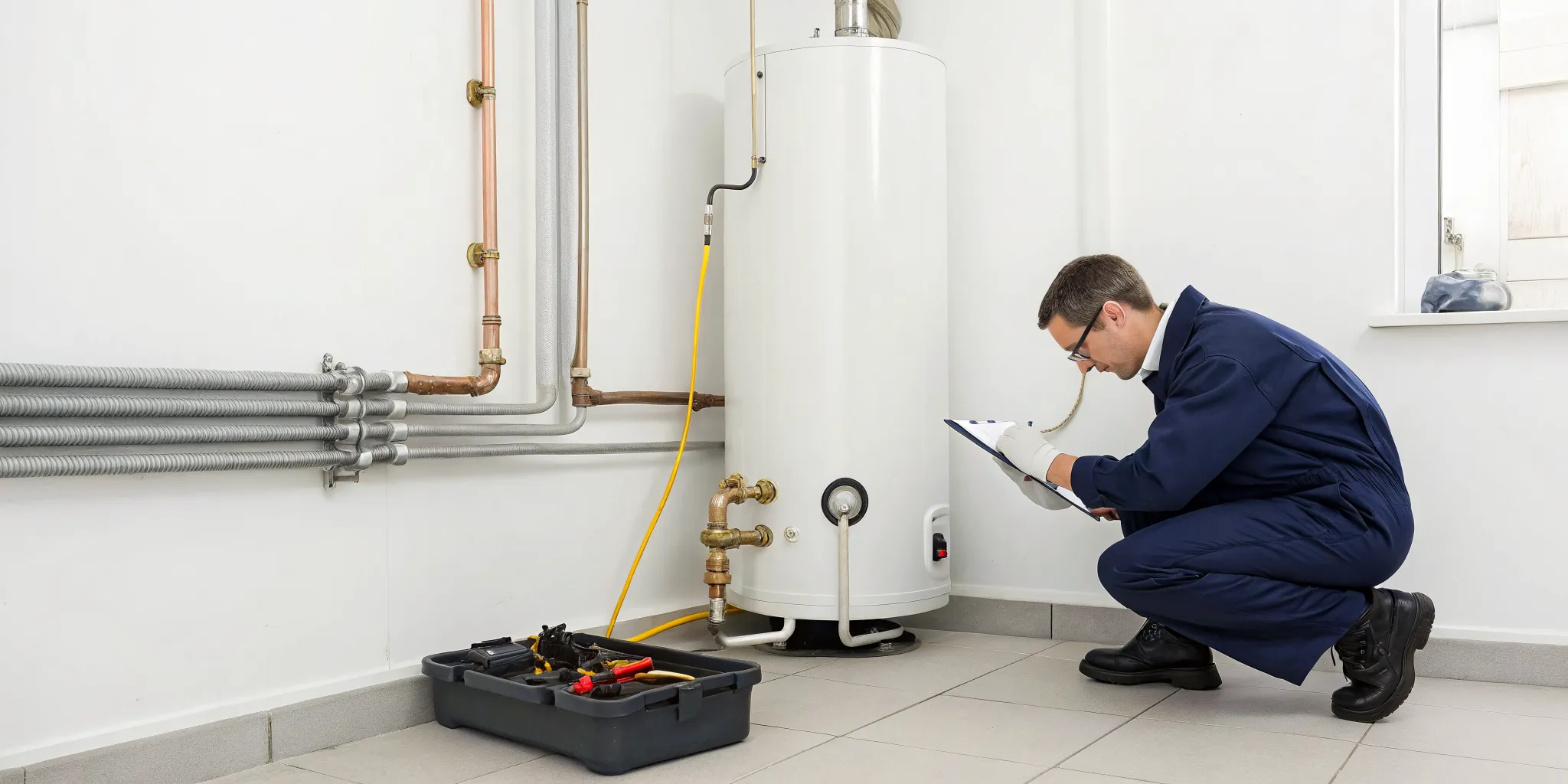
Once everything is physically in place, the job isn't done. The final and most important phase is commissioning the system. Your technician will charge the unit with the precise amount of refrigerant using digital manifolds for accuracy, then turn it on to perform a series of tests. They’ll check for proper airflow, measure temperature differentials, and ensure all safety controls are functioning correctly. At TruFinity, we complete a signature 25-point inspection to verify that every part of your new system meets manufacturer specifications and exceeds local code requirements. This final check ensures you get the performance and peace of mind you paid for.
How Much Does a Central Air Installation Cost?
Let's talk about the biggest question on every homeowner's mind: the budget. Installing a new central air conditioner is a significant home improvement project, and understanding the cost is the first step. The final price tag isn't just for the new unit; it covers the professional labor to install it safely and correctly, plus any modifications your home's existing ductwork might need. At TruFinity, we find that most major HVAC equipment replacements in the Okanagan fall within the $3,000 to $8,000 range. This gives you a solid starting point, but your specific quote will be tailored to your home's unique layout and cooling needs. Think of it less as a one-size-fits-all price and more as a custom solution for your family's comfort. Getting the installation right from the start prevents future headaches and ensures your system runs efficiently for years. Below, we’ll break down what goes into that number and how you can make this important investment more manageable.
Breaking Down the Costs
The final cost of your central air installation is influenced by several factors. The size of the unit is a major one—a larger home naturally requires a more powerful system. The unit's energy efficiency, measured by its SEER rating, also plays a role. Higher-rated units cost more upfront but can lead to significant savings on your monthly energy bills. Finally, the brand you choose and the condition of your existing ductwork will affect the price. If your home needs new or repaired ducts to support the system, that will be an additional cost. We provide free load calculations to ensure you get the perfect size and a precise quote with no surprises.
Financing and Rebates to Lower Your Cost
We understand that a new AC system is a big investment, which is why we help Okanagan homeowners find ways to make it more affordable. A great place to start is by checking our current rebates and offers, where you can find deals like $500 off a new installation. We also provide flexible financing options, including plans with zero payments and zero interest for three months, to help you manage the upfront cost without stress. Investing in an energy-efficient model can also qualify you for utility company rebates, turning a smart long-term decision into an immediate saving.
What Size Central Air Unit Does Your Home Need?
When it comes to choosing a new central air conditioner, you might think bigger is always better. But in reality, finding the perfect size is a balancing act. An AC unit that’s too small will run constantly without ever properly cooling your home, driving up your energy bills. On the other hand, a unit that’s too large is just as problematic. It will cool your space in short, aggressive bursts, shutting off before it can effectively remove humidity from the air. This leaves you feeling cool but clammy and can cause unnecessary wear and tear on the system’s components.
Getting the size right is the single most important factor for ensuring your new system runs efficiently and keeps you comfortable. It’s not about guesswork or using a simple square-footage rule of thumb. A true professional will perform a detailed analysis to match the unit perfectly to your home’s specific needs, ensuring you get the performance and energy savings you expect from your investment. This is a critical step in any professional AC installation.
What Is a Manual J Load Calculation?
So, how do you find that "just right" size? The industry standard is a process called a Manual J load calculation. Think of it as a complete energy audit of your home. A technician doesn't just look at your home's square footage; they analyze every detail that affects how much heat your home gains throughout the day. This includes the number and quality of your windows, the amount of insulation in your walls and attic, ceiling height, our local Okanagan climate, and even the direction your home faces. A reputable contractor will always perform this calculation to determine the right size unit—skipping this step is a major red flag.
Why the Right-Sized AC Is More Efficient
An air conditioner’s efficiency is directly tied to its ability to complete full cooling cycles. A correctly sized unit is designed to run for longer, steadier periods, which allows it to not only lower the temperature but also effectively dehumidify the air. An oversized unit that short-cycles never gets the chance to do this properly. These quick bursts of cold air can trick the thermostat into shutting the system down prematurely, which is inefficient and hard on the equipment. By ensuring your unit is sized correctly from the start, you’ll enjoy lower energy bills, a longer lifespan for your system, and a much more comfortable home.
How to Choose the Right Central Air System
Picking a new central air conditioner can feel a bit like buying a car—there are so many models and features to compare. But it doesn't have to be overwhelming. The key is to focus on three main areas: energy efficiency, equipment quality, and how well it will work with your home's existing ductwork. Getting these right ensures you'll have a reliable and cost-effective cooling system for years to come. Let's break down what you need to know to make a confident choice for your Okanagan home.
What Do SEER Ratings Mean for Your Energy Bill?
When you start comparing AC units, you'll see the term "SEER" everywhere. SEER stands for Seasonal Energy Efficiency Ratio, and it’s a measure of how much cooling you get for each unit of electricity used. Think of it like the miles-per-gallon rating for a car—the higher the number, the more efficient the unit is. A higher SEER rating means lower monthly energy bills, which is a huge win during those hot Okanagan summers. While new units must have a SEER of at least 13, high-efficiency models go much higher. Investing in a unit with a better SEER rating often pays for itself over time through energy savings.
Choosing the Best Brands and Features
The brand of your air conditioner matters. A reliable unit from a trusted manufacturer means fewer breakdowns and a longer lifespan. At TruFinity, we install top-tier equipment from brands like Lennox, Bosch, and Daikin because we know they deliver consistent performance. While a high-efficiency model might have a higher upfront cost, it saves you money in the long run on energy bills and repairs. Beyond the brand, consider features like variable-speed blowers for more consistent temperatures and smart thermostat compatibility. Our team can walk you through the best cooling services and options that fit your home and budget.
Does Your Current Ductwork Measure Up?
Your central air conditioner is only one part of a larger system; the ductwork that carries cool air throughout your home is just as important. Even the most efficient AC unit will struggle if your ducts are leaky, poorly insulated, or improperly sized. This leads to uneven cooling, wasted energy, and higher bills. Before any installation, it's essential to have your existing ducts inspected. If your home doesn't have ductwork, a system will need to be designed and installed. A thorough home assessment ensures your entire HVAC system works together seamlessly, delivering cool air exactly where you need it.
The Installation Process: A Step-by-Step Guide
Getting a new central air conditioner installed might seem like a huge undertaking, but a professional team follows a clear and organized process to make it go smoothly. Knowing what to expect can help you feel confident from the initial consultation to the final handshake. At TruFinity, we believe in transparency every step of the way, ensuring you understand what’s happening in your home. Think of it as a partnership where our goal is to provide you with reliable, long-lasting comfort. Here’s a look at the key stages of a professional AC installation.
The Initial Home Assessment
Before any equipment is ordered, the first step is a thorough home assessment. This isn't just a quick glance; it's a detailed evaluation to ensure the system is perfectly matched to your home's unique needs. A technician will perform a "Manual J load calculation" to determine the exact size and capacity your new AC unit needs to be. This prevents issues like short-cycling or inefficiency down the road. We also conduct our signature 25-point HVAC inspection to check your existing ductwork, electrical systems, and insulation. This comprehensive approach ensures our AC services are tailored for optimal performance and energy savings from day one.
What to Expect on Installation Day
On installation day, our certified technicians arrive ready to get the job done right. For your peace of mind, we even send you a photo of your technician before they arrive. The team will start by carefully preparing the work area to protect your home and property. They will then install the outdoor condenser unit and the indoor evaporator coil. Once the main components are in place, they’ll connect the refrigerant lines, drain lines, and electrical wiring. We ensure all our installations follow manufacturer specifications and exceed local code requirements, so you can trust the work is safe, reliable, and built to last.
Final Testing and Quality Checks
Once the physical installation is complete, we move on to the critical final step: testing and commissioning. Our technicians use specialized tools, like digital manifolds, for precise system charging to guarantee your new AC runs at peak efficiency. We conduct a series of quality control inspections, checking everything from airflow to thermostat calibration. We’ll walk you through the new system, show you how to operate it, and answer any questions you have. Finally, we handle the warranty registration for you, ensuring your investment is protected. Our commitment to quality is why so many homeowners in the Okanagan trust us, as you can see from our customer reviews.
Common Installation Hurdles to Prepare For
Getting a new central air conditioner is exciting, but like any major home project, it can come with a few potential bumps in the road. Being prepared for these common hurdles can make the entire process feel much smoother and less stressful. From figuring out your home’s existing duct situation to understanding the paperwork involved, knowing what to expect is half the battle.
Think of it as creating a clear path for your installation team. When you know the potential challenges, you can ask the right questions during your initial consultation and work with your HVAC professional to find the best solutions for your specific home. A great installer will guide you through these points, but having the background knowledge yourself empowers you to make confident decisions. We’ll walk through the most common issues homeowners in the Okanagan face—ductwork modifications, local permits, and a few persistent myths—so you can feel ready for anything.
Upgrading and Modifying Ductwork
One of the first things a technician will assess is your home's ductwork. If you're replacing an old central AC unit, you likely have ducts in place, which simplifies the installation. However, they still need to be inspected for leaks, proper sizing, and airflow. Sometimes, minor modifications are needed to ensure your new, more efficient system works perfectly. If your home has never had central air, the project is bigger. Your team will need to install a complete duct system, which affects the cost and timeline. In these cases, a ductless mini-split system can be an excellent, efficient alternative.
Handling Permits and Local Codes
You might not realize that installing a new central air conditioner often requires a permit from your local municipality. This isn't just red tape; it's a process that ensures the work is done safely and meets all current building codes for electrical and mechanical standards. Navigating the permit process can feel overwhelming, but this is where a professional installer is essential. A reputable company like TruFinity handles all the necessary paperwork for you, ensuring your installation is fully compliant. This protects your home, validates your equipment warranties, and gives you peace of mind that the job was done right from the start.
Common Installation Myths, Busted
A few common myths about air conditioning can cause confusion. Let's clear them up. First is the idea that a bigger AC unit is always better. In reality, an oversized system will cool your home too quickly and shut off before it can properly dehumidify the air, leading to a clammy feeling and wasted energy. Another myth is that closing vents in unused rooms saves money. This actually disrupts your system's balance, putting extra strain on the components. Finally, don't believe you only need to change your filter once a year. For better air quality and efficiency, you should check it monthly and change it at least every three months. You can find more helpful tips on our blog.
How to Choose the Right HVAC Installer
Choosing the right central air system is a big decision, but picking the right team to install it is just as critical. A great installation ensures your new system runs efficiently for years, while a poor one can lead to performance issues and higher energy bills. You’re not just hiring someone for a one-day job; you’re choosing a partner to help maintain your home’s comfort. Look for a local company that understands the Okanagan climate and has a proven track record in communities like Kelowna, West Kelowna, Vernon, and Penticton.
The best installers combine technical expertise with a commitment to customer care. They should be transparent, professional, and ready to stand behind their work. When you’re comparing companies, focus on two key areas: their official qualifications and their reputation in the community. These factors will tell you everything you need to know about the quality of service you can expect long after the installation is complete.
Look for These Certifications
Before you hire anyone, make sure they are certified. This isn’t just about finding someone who knows what they’re doing—it’s about protecting your investment. Most manufacturers will void the warranty on a new AC unit unless it's installed by a certified professional. A proper professional air conditioner installation also guarantees that all refrigerants are handled safely and legally, which is important for both your family’s safety and the environment.
Look for technicians with credentials like a Red Seal Certification, which indicates a high standard of trade excellence. At TruFinity, our co-founder is a Red Seal Certified Plumber and Class B Gasfitter, setting a high bar for our entire team’s expertise and professionalism.
Why Guarantees and Reviews Matter
A company’s guarantees and customer reviews tell the story of their service quality and long-term reliability. A solid labor warranty shows that the installer stands behind the quality of their work. For example, our TruLoyalty+ members receive a two-year labor warranty on repairs, giving them peace of mind that their investment is protected. Strong guarantees demonstrate a company's confidence in their team and their process.
Online customer reviews offer honest insight from homeowners just like you. Look for companies with a large number of recent, positive reviews. With over 585 Google reviews and an average 4.9-star rating, we’re proud of the reputation we’ve built by providing consistent, high-quality service across the Okanagan.
How to Maintain Your New Central Air System
You’ve just made a significant investment in your home’s comfort, and the last thing you want is an unexpected breakdown during a summer heatwave. Protecting that investment is easier than you might think. Proper maintenance keeps your new central air system running efficiently, extends its lifespan, and helps you avoid costly emergency repairs. Think of it like changing the oil in your car—a little proactive care goes a long way in preventing major issues down the road.
A good maintenance routine is a partnership between you and your HVAC professional. There are a few simple tasks you can handle yourself to keep things running smoothly day-to-day. Then, once a year, it’s best to have a certified technician perform a comprehensive tune-up to inspect the complex electrical and mechanical components. This combination of DIY care and professional service ensures your system delivers cool, reliable comfort for years to come. It also helps keep your energy bills in check, as a well-maintained unit doesn't have to work as hard to cool your home. Regular care is an affordable, predictable way to manage your home's systems and avoid the stress of an emergency call.
Your Simple DIY Maintenance Checklist
You don’t need to be an HVAC expert to handle a few key maintenance tasks. These simple steps, performed regularly, can have a big impact on your system's performance and your home's air quality.
- Swap Out Your Air Filter: This is the single most important task you can do. A clogged filter restricts airflow, forcing your system to work harder and driving up your energy costs. Check your filter monthly and plan to replace it at least every three months. This also contributes to better indoor air quality for your family.
- Keep the Outdoor Unit Clear: Your outdoor condenser unit needs space to breathe. Trim back any shrubs, weeds, or grass within a two-foot radius. After a storm or windy day, check for leaves and other debris that might be blocking the fins.
When to Schedule a Professional Tune-Up
While DIY tasks are crucial, an annual professional tune-up is essential for the long-term health of your AC system. A certified technician can spot potential problems you can’t see, ensuring your unit is safe and efficient. At TruFinity, our signature 25-point inspection covers all critical components, from refrigerant levels to electrical connections.
Scheduling a precision tune-up each spring, before the cooling season kicks into high gear, can improve your system’s efficiency by 15-20%. To make it even easier, our TruLoyalty Membership program includes annual maintenance, so you never have to worry about forgetting to book your appointment. It’s the simplest way to get priority service and peace of mind.
Related Articles
- Can I Install Central Air Conditioner? What to Know
- How Much to Install Central Air Conditioner? Costs & Guide
Frequently Asked Questions
How long does a typical central AC installation take? For a straightforward replacement where ductwork is already in place, a professional team can usually complete the installation in one full day. If your home requires new ductwork to be installed, the project will take longer, typically two to three days. Your installer should give you a clear and precise timeline after your initial home assessment so you know exactly what to expect.
Is a high-efficiency AC unit really worth the extra cost? This is a classic case of paying more now to save more later. A high-efficiency unit with a strong SEER rating will have a higher upfront price, but it uses significantly less electricity. Over the lifespan of the system, the money you save on your monthly energy bills during our hot Okanagan summers can often outweigh that initial difference in cost.
What if my home doesn't have existing ductwork? You are definitely not out of luck. While installing a complete duct system is one option, many homeowners in your situation find that a ductless mini-split system is a fantastic alternative. These systems are highly efficient, don't require major construction, and allow you to control the temperature in different zones of your home independently.
Do I actually need to get my new AC tuned up every year? Yes, an annual professional tune-up is the single best way to protect your investment. It keeps your system running at peak efficiency, which saves you money on energy bills and helps prevent surprise breakdowns. Just as importantly, most manufacturers require proof of regular maintenance to keep your warranty valid.
How do I know if the quote I receive is fair and accurate? A fair and accurate quote is always the result of a thorough, in-person home assessment. A key indicator of a professional company is their insistence on performing a Manual J load calculation to determine the precise size of the unit your home needs. A detailed, itemized quote based on this calculation ensures you are paying for a custom solution, not just a guess.

.webp)