
The moment your air conditioner breaks down, you’re faced with a big decision: should you repair it or replace it? That choice often comes down to one thing—the central ac repair cost. Sinking a lot of money into an aging system can feel like a bad investment, but the price of a new unit is a significant expense. This guide is designed to help you make that call with confidence. We’ll explore helpful guidelines, like when a repair makes financial sense and when it’s smarter to upgrade. Understanding the potential repair costs is the first step in making a smart, long-term decision for your home’s comfort and your budget, especially for units over a decade old.
Key Takeaways
- Expect a Range, Not a Flat Rate: Central AC repairs typically cost between $500 and $1,500, but the final price depends on your unit's age, the specific parts needed, and service timing. An accurate quote always starts with a thorough, in-person diagnostic inspection.
- Know When to Replace Instead of Repair: If a repair quote is more than 50% of the cost of a new system, replacement is often the wiser financial choice. This is especially true for units over 10 years old, as a new, efficient model can save you money on future energy bills.
- Use Proactive Strategies to Save: The best way to avoid expensive breakdowns is with regular, preventative maintenance. You can also manage costs by using membership programs for repair discounts and flexible financing options for larger, unexpected expenses.
How Much Does Central AC Repair Cost in the Okanagan?
When your air conditioner stops working in the middle of an Okanagan summer, one of the first questions that comes to mind is, "How much is this going to cost?" It’s a fair question, and the answer depends on what’s wrong with your system. While every situation is unique, we believe in being upfront about pricing so you can make an informed decision. Based on our experience serving homeowners across the region, a typical AC repair can range from $500 to $1,500.
This range covers most common issues, from straightforward fixes to more complex problems. The final price tag is influenced by the specific parts needed, the complexity of the repair, and the time it takes for our technicians to get your system running smoothly again. Our goal is to provide clear, transparent pricing before any work begins, ensuring you feel confident in the service you receive. We’re here to restore your home’s comfort without any surprises.
What to Expect for Standard Repairs
For smaller, more common issues, you’ll likely be on the lower end of the cost spectrum. A simple fix like replacing a capacitor or clearing a clogged drain line might only cost a few hundred dollars. These are the kinds of repairs that, while frustrating, don't require extensive labor or expensive components.
However, more significant problems will naturally cost more. If your AC unit has a refrigerant leak or a failing compressor motor, the repair will be more involved and require pricier parts, pushing the cost toward the higher end of that $500–$1,500 range. No matter the issue, our certified technicians have the expertise to handle all types of AC services and will always explain the problem and the proposed solution clearly.
Understanding Labor and Service Call Fees
Your final repair bill is made up of a few key components: the cost of the replacement parts and the cost of labor. Our standard hourly rate for repairs is between $150 and $200. This covers the time and technical skill of our NATE-certified technicians who are trained to diagnose and fix your system correctly the first time.
Most professional HVAC companies also have a diagnostic or service call fee, which typically covers the cost of sending a fully-equipped technician to your home to assess the problem. This initial diagnosis is the most critical step in ensuring an accurate and effective repair. We believe in transparency, which is why we discuss all costs with you before proceeding with any work. For larger, unexpected repairs, we also offer flexible financing options to help manage the expense.
Why Emergency Service Costs More
An air conditioner never seems to break down at a convenient time. When your AC fails on a sweltering holiday weekend or in the middle of the night, you need help fast. That’s why we offer 24/7 emergency service, but it’s important to know that these calls come at a premium price.
The higher cost for after-hours and emergency repairs covers the expense of having our skilled technicians on standby, ready to leave their families and restore your comfort at a moment's notice. While nobody wants to pay more, having access to a reliable professional during an urgent situation provides invaluable peace of mind. When the heat is unbearable, our team is ready to provide the prompt, effective cooling solutions you need to keep your home safe and comfortable.
What Affects Your Final AC Repair Bill?
When your air conditioner gives out during an Okanagan summer, the first question on your mind is likely, "How much will this cost?" The answer isn't a single number, because the final price depends on a few key variables. Think of it less like buying a product off the shelf and more like solving a unique puzzle in your home. The cost is a combination of the parts needed, the time it takes to fix the issue, and the specific condition of your system.
Understanding these factors helps you see exactly what you're paying for. A transparent quote should break down these elements, so you never have to guess where your money is going. From the age of your unit to the complexity of the repair, each piece plays a role in the total cost. We'll walk through the four biggest factors that influence your central AC repair bill, so you can feel confident and prepared when you call for service.
Your AC Unit's Age and Condition
The age of your air conditioner is one of the first things a technician will consider. Just like with an older car, parts for an aging AC unit can be harder to find and more expensive to source. If your system is over a decade old and has a history of frequent breakdowns, a simple repair might only be a temporary fix. A major component failure, like a compressor, on an older unit often brings up the big question: repair or replace? Investing a significant amount into an inefficient, aging system may not be the most cost-effective choice in the long run.
The Specific Part That Needs Fixing
Not all AC problems are created equal. The specific component that has failed will have the biggest impact on your bill. A minor fix, like clearing a clogged drain line or replacing a faulty capacitor, is a relatively quick and affordable job. However, a more serious issue, such as a refrigerant leak or a failed compressor, involves more intensive labor and much costlier parts. For example, replacing a compressor can sometimes cost nearly half as much as a new unit, making it a major factor in your repair decision.
How Summer Heat Impacts Pricing
Timing matters, especially during a heatwave. When temperatures soar, HVAC companies are at their busiest. This high demand can affect scheduling and costs, particularly for after-hours or emergency calls. A breakdown on a long weekend in July will naturally cost more to fix than a scheduled service call in the spring. This is why we always recommend preventative maintenance; catching a small issue before it becomes a major problem during peak season can save you both money and a lot of sweaty frustration.
The Importance of a Proper Diagnosis
A low price from an initial phone call can be misleading if the technician hasn't actually seen your system. The real cause of your AC's failure might be more complex than it seems. For instance, just adding more refrigerant won't solve an underlying leak. That’s why a thorough diagnostic is non-negotiable. Our technicians perform a signature 25-point HVAC inspection to pinpoint the exact root of the problem. This detailed approach ensures we fix the issue correctly the first time, giving you an accurate quote and a lasting solution.
Common AC Problems and What They Cost to Fix
When your air conditioner stops working on a hot Okanagan day, the first question that comes to mind is usually, "How much is this going to cost?" The answer, frustratingly, is that it depends entirely on what’s wrong. While most of our typical AC repairs fall between $500 and $1,500, some issues are simpler and more affordable, while others involve major components that cost more to fix. That's why we never give a price over the phone. A guess isn't fair to you, and it's rarely accurate.
The key to getting an honest price is a thorough diagnosis. Our technicians perform a comprehensive 25-point inspection to methodically check every critical part of your system. This process allows us to pinpoint the exact cause of the problem, not just the symptom. It means we can tell you with confidence what needs to be fixed and what doesn't. This commitment to "True Service, Infinite Care" ensures you’re only paying for the repair you actually need. Below are some of the most common issues we see and a general idea of what you can expect to resolve them.
Fixing Refrigerant Leaks
If your AC is blowing warm air or you see ice forming on the coils, you might have a refrigerant leak. Refrigerant is the substance that actually cools the air, so a leak is a serious problem. Finding and fixing the source of the leak can cost anywhere from $200 to over $1,500. The price varies because locating a tiny pinhole leak can be time-consuming, and the cost of refrigerant itself has increased. After the leak is patched, the system needs to be recharged, which is a job best left to our EPA-certified technicians who handle the substance safely.
Replacing a Compressor or Capacitor
Think of the compressor as the heart of your AC system—it’s a major component that pumps refrigerant through the coils. Because it’s such a critical and complex part, replacing a failed compressor is one of the most expensive repairs, often running from $1,000 to $3,000 or more. On the other hand, a faulty capacitor—a small part that helps the AC’s motors start—is a much simpler fix, typically costing between $150 and $400. Sometimes, what looks like a dead compressor is just a bad capacitor, which is why a proper diagnosis is so important before making a big decision.
Solving Thermostat and Electrical Faults
Sometimes the problem isn’t with the AC unit itself but with its controls. A faulty thermostat can cause your system to cycle incorrectly or not turn on at all. Repairing or replacing a thermostat is usually a straightforward job, with costs ranging from $100 to $500, depending on the model you choose. Other electrical issues, like frayed wiring or a tripped breaker, can also prevent your AC from working. These problems require a careful inspection to ensure your system is operating safely and efficiently, protecting both your comfort and your home.
Repairing Ductwork for Better Airflow
Your AC can be in perfect condition, but if your ductwork is leaking, blocked, or poorly designed, that cool air won't get where it needs to go. You might notice that some rooms are much hotter than others or that the airflow from your vents feels weak. The cost to repair ductwork varies widely because the solution could be as simple as sealing a few leaky joints or as involved as redesigning a section of the system. Ensuring your ducts are in good shape is crucial for both comfort and keeping your energy bills in check, as it allows your entire cooling system to perform at its best.
Repair or Replace Your AC? How to Make the Call
Deciding whether to repair a struggling air conditioner or invest in a new one is a major decision for any homeowner. It’s a balancing act between a significant upfront cost and the risk of pouring more money into a system that’s on its last legs. While every situation is unique, there are a few key guidelines and warning signs that can help you figure out the most sensible path forward. The best first step is always a thorough diagnosis from a certified technician, who can assess your unit’s specific issues. But before you make that call, here are some factors to consider.
The 50% Rule: A Quick Guideline
A helpful rule of thumb in the HVAC world is the 50% rule. It’s a simple financial guideline: if the cost of a repair is more than half the price of a new, comparable air conditioning system, it usually makes more sense to replace it. For example, if a major repair costs $2,500 but a brand-new unit is $4,500, you’re already paying more than half the replacement cost for a temporary fix on an aging system. Sinking that much money into an old unit often isn’t a wise long-term investment, as other parts could fail soon after.
When Your AC's Age Is the Deciding Factor
The average central air conditioner has a lifespan of about 10 to 15 years. If your unit is approaching or has surpassed the 10-year mark, you should think carefully before approving a costly repair. An older system is not only more likely to experience frequent breakdowns, but it’s also significantly less energy-efficient than modern units. If your AC is over 12 years old, replacement is often the recommended course of action. Continuing to repair it can lead to a cycle of spending on a system that is becoming less reliable and more expensive to run with each passing Okanagan summer.
Calculating Long-Term Energy Savings
It’s easy to focus on the immediate cost of a new AC unit, but don’t forget to factor in the long-term savings. Today’s air conditioners are far more efficient than models from a decade ago. Upgrading to a new, high-efficiency system can dramatically lower your monthly electricity bills, and those savings add up year after year. Plus, with government incentives and local rebates available for energy-efficient upgrades, the net cost of a new installation can be much lower than the sticker price. A new unit not only provides peace of mind but also reduces your home's energy consumption.
Key Warning Signs It's Time for a New Unit
Sometimes, your air conditioner will give you clear signals that it’s time to say goodbye. If you find yourself calling for repairs more and more often, it’s a strong indicator that the system is failing. Pay close attention to these key warning signs:
- Frequent Breakdowns: Are you on a first-name basis with your HVAC technician? If your AC needs repairs every season, the cumulative cost and inconvenience may outweigh the price of a new unit.
- A Major Component Failure: If a critical and expensive part like the compressor or condenser coil fails, the repair cost can be substantial. This is often the tipping point where replacement becomes the more logical choice.
- Rising Energy Bills: An unexplained spike in your summer cooling costs often means your AC is losing efficiency and working harder to do its job.
- The Unit is Over 12 Years Old: As mentioned, age is a major factor. An older unit is living on borrowed time.
If you notice any of these signs, it’s time to get a professional opinion on your cooling system.
How to Get an Honest Repair Quote
When your air conditioner gives out on a hot Okanagan day, the last thing you want to worry about is getting an unfair price. An honest repair quote isn’t just a number pulled out of thin air; it’s the result of a careful and thorough diagnostic process. The cost of a fix can range from a minor adjustment to a major part replacement, which is why a vague phone estimate just won’t cut it. A trustworthy quote is built on a foundation of expertise and a systematic approach to finding the root cause of the problem.
At TruFinity, we believe in complete transparency. That means showing you exactly what’s wrong and providing a clear, upfront price before any work begins. This ensures you’re not just patching a symptom but investing in a reliable, long-term solution for your home’s comfort. Our goal is to give you all the information you need to make a confident decision about your AC services. We want you to feel in control and certain that you’re getting the best value for your home.
Our 25-Point Inspection Process
To give you an accurate and honest quote, we need to see the whole picture. That’s why our technicians perform our signature 25-point HVAC inspection. This isn’t just a quick glance at the part that failed; it’s a comprehensive health check for your entire cooling system. We examine everything from refrigerant levels and electrical connections to ductwork integrity and airflow. This detailed process allows us to identify the core issue and spot any underlying problems that could cause another breakdown. By being thorough, we ensure our repair recommendation is the right one for your system’s health and your budget. It’s a key part of our commitment to "True Service, Infinite Care."
What Happens During a Professional Diagnostic Visit
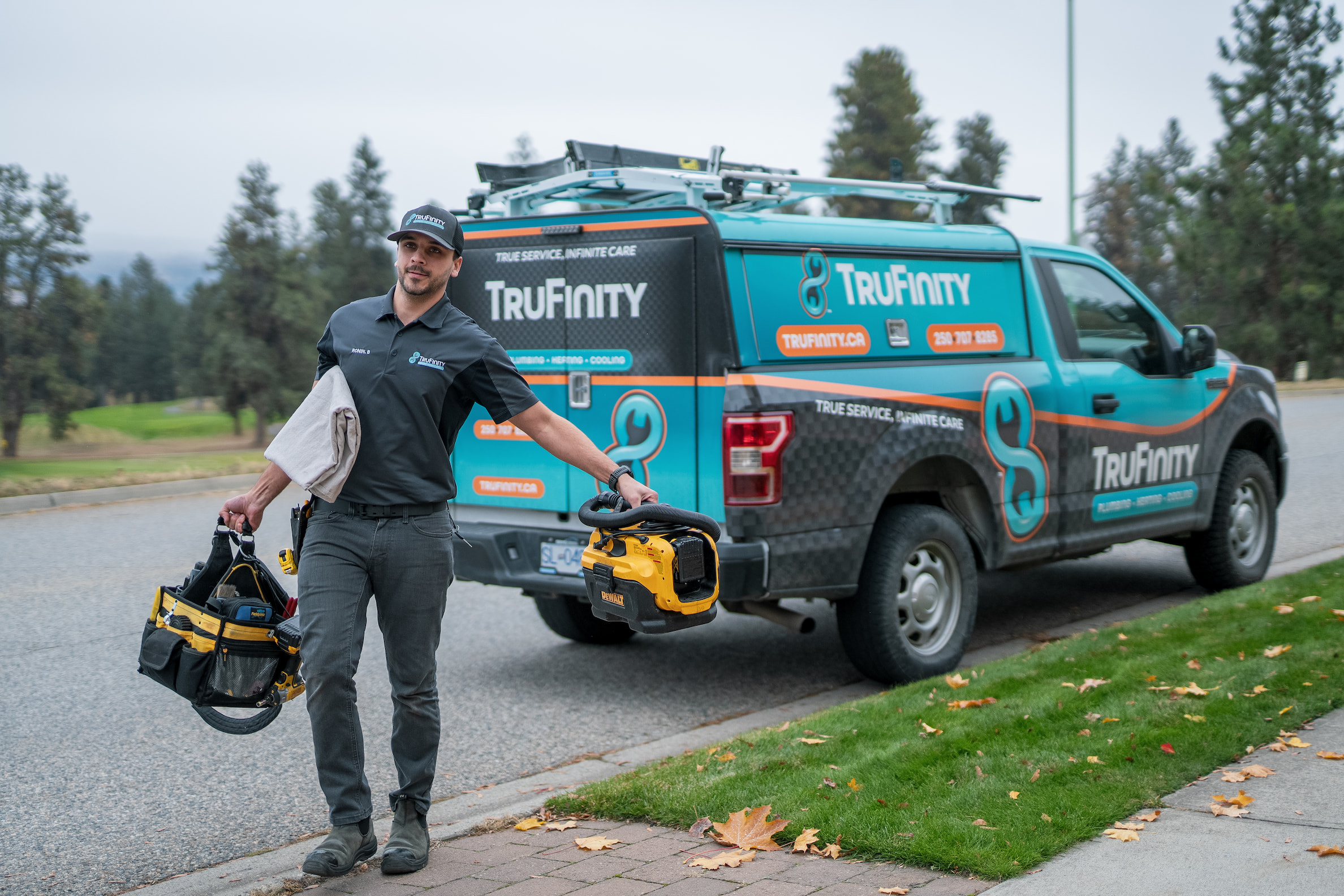
When you schedule a visit with us, you’ll know exactly who is coming to your door, thanks to photo introductions of our technicians sent before they arrive. Once there, our NATE- and EPA-certified professional will listen to your concerns and then get to work. Using specialized diagnostic equipment like refrigerant gauges, they will systematically test your AC unit to pinpoint the exact cause of the failure. During this visit, our technician will explain what they’re finding in simple, easy-to-understand terms. After the assessment, you’ll receive a clear, upfront quote for the recommended repair. This diagnostic process ensures the price you’re given is accurate and tailored to your system’s specific needs.
How to Read Your TruFinity Quote
We design our quotes to be straightforward and easy to understand. You’ll see a clear breakdown of the costs, including parts and labor, so there are no surprises. We’ll also walk you through the proposed repair and explain why it’s necessary. If your system is older or the repair is significant, we’ll have an honest conversation about whether a repair or replacement makes more sense. A helpful guideline is the "$5,000 rule": if you multiply the age of your AC unit by the repair cost and the total is more than $5,000, replacement is often the more economical choice. We’ll provide options and can discuss our flexible financing plans to help manage the cost.
How to Compare HVAC Quotes (And Spot Red Flags)
When your air conditioner stops working on a hot Okanagan day, your first instinct is probably to get it fixed as fast as possible. While speed is important, taking a moment to carefully review your repair quote can save you from future headaches and unexpected costs. Getting a few different estimates is smart, but knowing how to read them is even smarter. A quote is more than just a final price; it’s a reflection of the company’s professionalism, transparency, and the quality of work you can expect.
A trustworthy quote gives you a clear and complete picture of the proposed repair. It should empower you to make an informed decision about your home’s comfort system, not leave you with more questions than answers. Think of it as the foundation for a good working relationship with your HVAC contractor. By understanding the key components of a solid estimate and learning to spot the warning signs of a questionable one, you can feel confident that you’re not just getting a quick fix, but a reliable, long-term solution from a team you can trust.
What a Detailed Estimate Should Include
A professional quote should never be just a single number scribbled on a piece of paper. It should be a clear, itemized document that leaves no room for confusion. Look for a detailed breakdown that separates the cost of parts from the cost of labor. This transparency helps you understand exactly what you’re paying for. A thorough estimate will also specify the exact work to be done, the parts that will be used, and an expected timeline for completion. Any additional fees, such as for permits or specialized equipment, should also be clearly listed. At TruFinity, our commitment to upfront pricing means your quote will reflect the comprehensive findings from our diagnostic process, ensuring you have all the details you need.
Why Contractor Credentials Matter
When you invite a technician into your home, you need to know they’re qualified and that you’re protected. That’s why checking for credentials is so important. Always choose a contractor who is licensed, bonded, and insured. This isn’t just industry jargon; it’s your safety net. Licensing proves they meet provincial standards, while bonding and insurance protect you from liability in case of accidents or property damage. We take this seriously, which is why our team includes NATE-certified technicians, a rigorous certification that demonstrates real-world, expert-level knowledge of HVAC systems. This ensures the person working on your AC is a true professional committed to the highest standards of quality and safety.
Red Flags to Watch for in a Quote
Knowing what to look for in a good quote also means knowing what to avoid. Be cautious of any estimate that is dramatically lower than the others. While saving money is great, an unusually low price can be a sign of subpar materials, inexperienced labor, or a bait-and-switch tactic where costs are added later. Another major red flag is high-pressure sales tactics. A contractor who pressures you to sign immediately or claims a special price is “only good for today” may not have your best interests at heart. Finally, always insist on a written, detailed estimate. A vague or verbal-only quote is a recipe for misunderstanding and potential disputes. A reputable company will stand behind its pricing in writing, backed by strong customer reviews.
How to Save Money on Central AC Repairs
An unexpected AC repair bill is never welcome, but it doesn’t have to break the bank. With a bit of planning and knowledge, you can keep costs under control and ensure your home stays comfortable all summer long. The key is to think proactively and understand all the options available to you. From simple preventative steps to leveraging local programs, there are several practical ways to save money on your central air conditioner repairs. We believe in "True Service, Infinite Care," and part of that care is helping you make informed, confident decisions about your home's comfort system without feeling financially strained.
It’s about more than just fixing a problem; it’s about providing a solution that fits your budget and gives you peace of mind. Before you find yourself in the middle of an Okanagan heatwave with a broken AC, consider these strategies our team recommends. They can help you manage repair costs, extend the life of your system, and maybe even make a smart upgrade more affordable than you thought. A little foresight goes a long way in the world of home maintenance. By taking a few simple steps, you can avoid the stress of an emergency breakdown and the premium costs that often come with it. Let's walk through some of the most effective ways to keep your cooling costs in check.
The Value of Regular Maintenance
The single best way to avoid expensive AC repairs is to prevent them from happening in the first place. Regular maintenance catches small issues before they turn into major, system-threatening problems. Think of it like a check-up for your home’s cooling system. During a professional tune-up, a technician cleans essential components, checks refrigerant levels, and inspects electrical connections. This simple service not only extends the life of your unit but also ensures it runs at peak efficiency, saving you money on energy bills. Scheduling an annual AC tune-up is a small investment that pays off by preventing costly emergency calls down the road.
Using Memberships and Financing to Your Advantage
If you’re facing a repair, look into programs that can reduce the immediate financial burden. Our TruLoyalty Membership program, for example, is designed to provide peace of mind and savings. Members receive a 15% discount on all repairs, priority service, and regular maintenance visits included. This can significantly lower the final cost of a repair. For larger, unexpected expenses, flexible payment options can make a huge difference. We partner with Financeit to offer transparent financing plans, allowing you to get the necessary repairs done now and pay over time in manageable installments, often with promotional periods like zero interest for three months.
Finding Local Rebates and Offers
Before you commit to a major repair, it’s worth checking for available incentives that could make a new, energy-efficient system more affordable. The government of British Columbia offers significant rebates and offers for homeowners who upgrade to high-efficiency heat pumps and air conditioners. These programs can sometimes make replacing an old, inefficient unit more cost-effective than paying for a large repair. We stay on top of all local and provincial incentives and can help you determine if an upgrade is the smarter financial move. We also run our own promotions, like discounts on new installations, to make home comfort more accessible.
Why Off-Season Repairs Can Be Cheaper
Timing can play a big role in repair costs. In the HVAC world, summer is peak season. When temperatures soar across the Okanagan, demand for AC service skyrockets, which can lead to longer wait times and premium pricing for emergency calls. By scheduling non-urgent repairs or your annual maintenance during the "off-season"—like spring or fall—you can often find more flexible appointment times. Planning ahead and addressing potential issues before the first heatwave hits is a strategic way to ensure your system is ready when you need it most, without the stress and urgency of a mid-summer breakdown.
Understanding Your AC Repair Warranty
Navigating the fine print of an AC warranty can feel like a chore, but it’s one of the most important things you can do to manage repair costs. When a part fails, your warranty is your first line of defense against a surprisingly high bill. But not all warranties are created equal, and understanding what’s covered—and what isn’t—can save you a lot of headaches. Think of it as the rulebook for your home comfort system. Knowing the rules helps you plan for unexpected repairs and make smarter decisions about your AC's long-term health. Let's break down the key components so you know exactly what to look for.
What a Standard Warranty Covers
When you buy a new air conditioner, it comes with a manufacturer's warranty. This is essentially a promise that the machine is free from defects. If a component fails because of a manufacturing flaw within the warranty period, the company will typically provide a replacement part for free. However, this coverage usually doesn't extend to issues caused by improper installation, lack of maintenance, or external damage. It’s crucial to register your unit after installation to ensure you get the full coverage period offered by the manufacturer, as failing to do so can sometimes shorten the term.
The Difference Between Parts and Labor
This is where many homeowners get tripped up. A standard manufacturer's warranty almost always separates 'parts' from 'labor.' While the warranty may cover the cost of a new compressor, it typically won't cover the cost of the certified technician's time to diagnose the problem and install the new part. That labor cost is usually an out-of-pocket expense. Think of it this way: the manufacturer gives you the replacement part, but you need to hire a professional to do the skilled work of putting it in correctly and safely. This is why you still receive a bill even when a repair is "under warranty."
Is an Extended Warranty Worth It?
An extended warranty is an optional plan that goes beyond the manufacturer's standard coverage, often including the labor costs that standard warranties exclude. For many homeowners, this provides valuable peace of mind, protecting them from unexpected labor bills for a set period. At TruFinity, we believe in this kind of protection, which is why our TruLoyalty Membership includes a two-year labor warranty on repairs. This helps bridge the gap left by standard parts warranties, giving you a more predictable and manageable way to handle AC issues. It’s a great option if you prefer a fixed annual cost over the risk of a surprise repair bill.
Related Articles
- How Much Does AC Repair Cost in Kelowna? | TruFinity
- How Much to Install Central Air Conditioner? Costs & Guide
- AC Tune-Up Promo
Frequently Asked Questions
What's a realistic budget for a central AC repair? For most common issues, you can expect a repair to cost between $500 and $1,500. A simpler fix like replacing a capacitor will be on the lower end of that range, while a more complex problem like fixing a refrigerant leak will be on the higher end. The final cost depends on the specific parts needed and the time it takes to get your system running properly again.
When should I stop repairing my old AC and just replace it? A good guideline is to consider replacement if your unit is over 12 years old or if a repair quote is more than half the cost of a new system. If you find yourself calling for service every summer or are facing a major component failure like a bad compressor, investing that money into a new, more energy-efficient unit is often the smarter long-term financial decision.
Why do I have to pay a fee just for a technician to diagnose the problem? The diagnostic fee covers the cost and expertise of sending a certified technician with specialized tools to your home to perform a thorough inspection. A proper diagnosis, like our 25-point check, is essential to find the true source of the problem, not just the symptom. This ensures the quote you receive is accurate and the repair is effective, preventing you from paying for the wrong fix or facing another breakdown soon after.
My AC is under warranty, so why did I get a bill for the repair? This is a common point of confusion. A standard manufacturer's warranty typically only covers the cost of the replacement part itself, not the professional labor required to diagnose the issue and install that part. The bill you receive is for the technician's time, skill, and service, which is why programs that include labor warranties can offer extra peace of mind.
Are there any practical ways to lower my AC repair costs? Absolutely. The most effective way is through regular annual maintenance, which helps catch small problems before they become expensive emergencies. You can also look into company membership programs, which often provide discounts on repairs and include maintenance visits. Finally, for larger jobs, flexible financing options can make the immediate cost much more manageable.

.webp)